ADVERTISEMENT

LGU red tape, regulatory risks threaten Philippines' IT-BPM global lead

Published Feb 23, 2026 04:51 pm

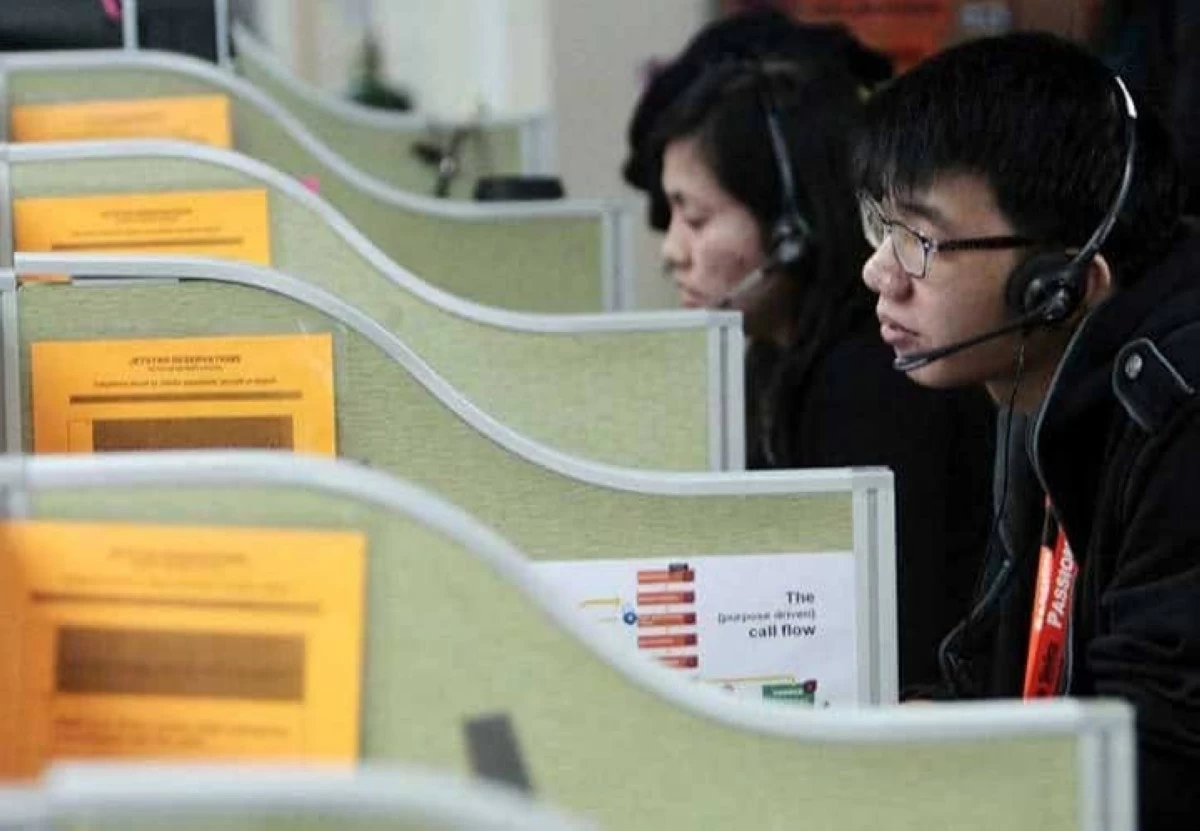
The country’s information technology and business process management (IT-BPM) sector could lose its competitiveness and appeal to investors if the government fails to address persistent regulatory concerns, according to an industry group.

In a statement, the IT and Business Process Association of the Philippines (IBPAP) said regulatory friction and related cost differentials are poised to increase operating costs for IT-BPM firms in the country.

Based on its estimates, IBPAP said operating costs in the country may rise by 15 to 20 percent compared with competitor markets if current issues remain unresolved.

“These concerns are escalated to global headquarters and influence location decisions,” said IBPAP chief operating officer (COO) Celeste Ilagan.

According to the industry group, a major obstacle for IT-BPM companies is the continued imposition of local taxes, fees, and charges by certain local government units (LGUs).

This is despite the passage of the Corporate Recovery and Tax Incentives for Enterprises to Maximize Opportunities for Reinvigorating the Economy (CREATE MORE) Act, which grants fiscal exemptions to registered business enterprises—or firms registered with the country’s investment promotion agencies (IPAs).

In addition, IBPAP said there remain strong inconsistencies in business permitting requirements, including additional local documentation requirements for employees.

The group also stressed that inconsistent tax assessments further create uncertainty among investors who would otherwise set up shop in the country.

“This industry helped build a new Filipino middle class. With clear policies and decisive action, the Philippines can remain a global leader in IT-BPM,” said Ilagan.

According to IBPAP, the country holds a 20-percent market share of the global IT-BPM sector.

Last year, the IT-BPM industry generated more than $40 billion in revenue while employing around 1.9 million Filipinos.

For this year, IBPAP expects the industry to generate about $42 billion in revenue and nearly 1.97 million jobs.

The group said the sector remains on track to hit its $60-billion revenue target by 2028, but this would hinge on addressing other structural constraints.

Aside from confronting ease-of-doing-business issues, IBPAP said the government must focus on developing the local workforce to align with the growing adoption of artificial intelligence (AI).

Despite growth opportunities involving AI, the group said it also poses risks, especially to entry-level and voice-based roles without large-scale reskilling.

At present, IBPAP said the government’s initiative to foster AI awareness among IT-BPM workers covers only around 68,000 employees—or just over three percent of the total workforce.

It also called for amendments to the Cybercrime Prevention Act of 2012, particularly to grant IT-BPM companies the legal standing to directly file cybercrime cases when fraud affects their foreign clients.

While firms bear financial liability, IBPAP noted they lack prosecutorial standing, which limits deterrence and weakens client confidence.

With these concerns, IBPAP said it is now working with lawmakers to pursue amendments to other laws to further strengthen enforcement and reinforce the country’s standing as a reliable destination for IT-BPM investments.

ADVERTISEMENT
.most-popular .layout-ratio{ padding-bottom: 79.13%; } @media (min-width: 768px) and (max-width: 1024px) { .widget-title { font-size: 15px !important; } }

{{ articles_filter_1561_widget.title }}

.most-popular .layout-ratio{ padding-bottom: 79.13%; } @media (min-width: 768px) and (max-width: 1024px) { .widget-title { font-size: 15px !important; } }

{{ articles_filter_1562_widget.title }}

.most-popular .layout-ratio{ padding-bottom: 79.13%; } @media (min-width: 768px) and (max-width: 1024px) { .widget-title { font-size: 15px !important; } }

{{ articles_filter_1563_widget.title }}

{{ articles_filter_1564_widget.title }}

.mb-article-details { position: relative; } .mb-article-details .article-body-preview, .mb-article-details .article-body-summary{ font-size: 17px; line-height: 30px; font-family: "Libre Caslon Text", serif; color: #000; } .mb-article-details .article-body-preview iframe , .mb-article-details .article-body-summary iframe{ width: 100%; margin: auto; } .read-more-background { background: linear-gradient(180deg, color(display-p3 1.000 1.000 1.000 / 0) 13.75%, color(display-p3 1.000 1.000 1.000 / 0.8) 30.79%, color(display-p3 1.000 1.000 1.000) 72.5%); position: absolute; height: 200px; width: 100%; bottom: 0; display: flex; justify-content: center; align-items: center; padding: 0; } .read-more-background a{ color: #000; } .read-more-btn { padding: 17px 45px; font-family: Inter; font-weight: 700; font-size: 18px; line-height: 16px; text-align: center; vertical-align: middle; border: 1px solid black; background-color: white; } .hidden { display: none; }
function initializeAllSwipers() { // Get all hidden inputs with cms_article_id document.querySelectorAll('[id^="cms_article_id_"]').forEach(function (input) { const cmsArticleId = input.value; const articleSelector = '#article-' + cmsArticleId + ' .body_images'; const swiperElement = document.querySelector(articleSelector); if (swiperElement && !swiperElement.classList.contains('swiper-initialized')) { new Swiper(articleSelector, { loop: true, pagination: false, navigation: { nextEl: '#article-' + cmsArticleId + ' .swiper-button-next', prevEl: '#article-' + cmsArticleId + ' .swiper-button-prev', }, }); } }); } setTimeout(initializeAllSwipers, 3000); const intersectionObserver = new IntersectionObserver( (entries) => { entries.forEach((entry) => { if (entry.isIntersecting) { const newUrl = entry.target.getAttribute("data-url"); if (newUrl) { history.pushState(null, null, newUrl); let article = entry.target; // Extract metadata const author = article.querySelector('.author-section').textContent.replace('By', '').trim(); const section = article.querySelector('.section-info ').textContent.replace(' ', ' '); const title = article.querySelector('.article-title h1').textContent; // Parse URL for Chartbeat path format const parsedUrl = new URL(newUrl, window.location.origin); const cleanUrl = parsedUrl.host + parsedUrl.pathname; // Update Chartbeat configuration if (typeof window._sf_async_config !== 'undefined') { window._sf_async_config.path = cleanUrl; window._sf_async_config.sections = section; window._sf_async_config.authors = author; } // Track virtual page view with Chartbeat if (typeof pSUPERFLY !== 'undefined' && typeof pSUPERFLY.virtualPage === 'function') { try { pSUPERFLY.virtualPage({ path: cleanUrl, title: title, sections: section, authors: author }); } catch (error) { console.error('ping error', error); } } // Optional: Update document title if (title && title !== document.title) { document.title = title; } } } }); }, { threshold: 0.1 } ); function showArticleBody(button) { const article = button.closest("article"); const summary = article.querySelector(".article-body-summary"); const body = article.querySelector(".article-body-preview"); const readMoreSection = article.querySelector(".read-more-background"); // Hide summary and read-more section summary.style.display = "none"; readMoreSection.style.display = "none"; // Show the full article body body.classList.remove("hidden"); } document.addEventListener("DOMContentLoaded", () => { let loadCount = 0; // Track how many times articles are loaded const offset = [1, 2, 3, 4, 5, 6, 7, 8, 9, 10]; // Offset values const currentUrl = window.location.pathname.substring(1); let isLoading = false; // Prevent multiple calls if (!currentUrl) { console.log("Current URL is invalid."); return; } const sentinel = document.getElementById("load-more-sentinel"); if (!sentinel) { console.log("Sentinel element not found."); return; } function isSentinelVisible() { const rect = sentinel.getBoundingClientRect(); return ( rect.top < window.innerHeight && rect.bottom >= 0 ); } function onScroll() { if (isLoading) return; if (isSentinelVisible()) { if (loadCount >= offset.length) { console.log("Maximum load attempts reached."); window.removeEventListener("scroll", onScroll); return; } isLoading = true; const currentOffset = offset[loadCount]; window.loadMoreItems().then(() => { let article = document.querySelector('#widget_1690 > div:nth-last-of-type(2) article'); intersectionObserver.observe(article) loadCount++; }).catch(error => { console.error("Error loading more items:", error); }).finally(() => { isLoading = false; }); } } window.addEventListener("scroll", onScroll); });

Sign up by email to receive news.