







Civic RS versus Civic Type R, and why the manual transmission still matters
Published Feb 23, 2026 05:47 pm


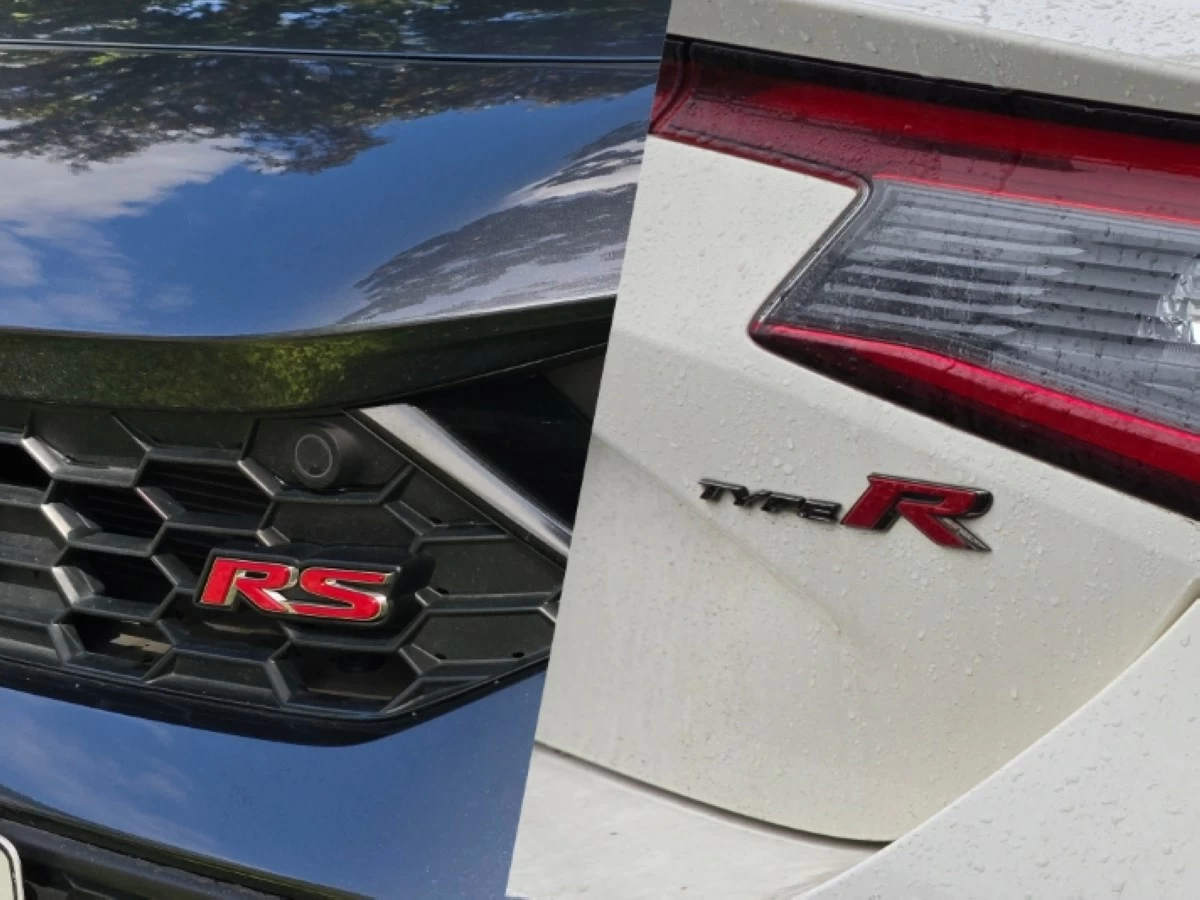
Recently, Honda Cars Philippines did me a solid and gave me rare seat time: a week each, back to back, in the Civic RS and the Civic Type R. It was the best kind of access to make a fair comparison. Week one was the Civic RS 1.5 turbo. The moment I handed it back, I took the Type R. With no gap between them, there was no chance for the details to blur.
The sensible RS turbo
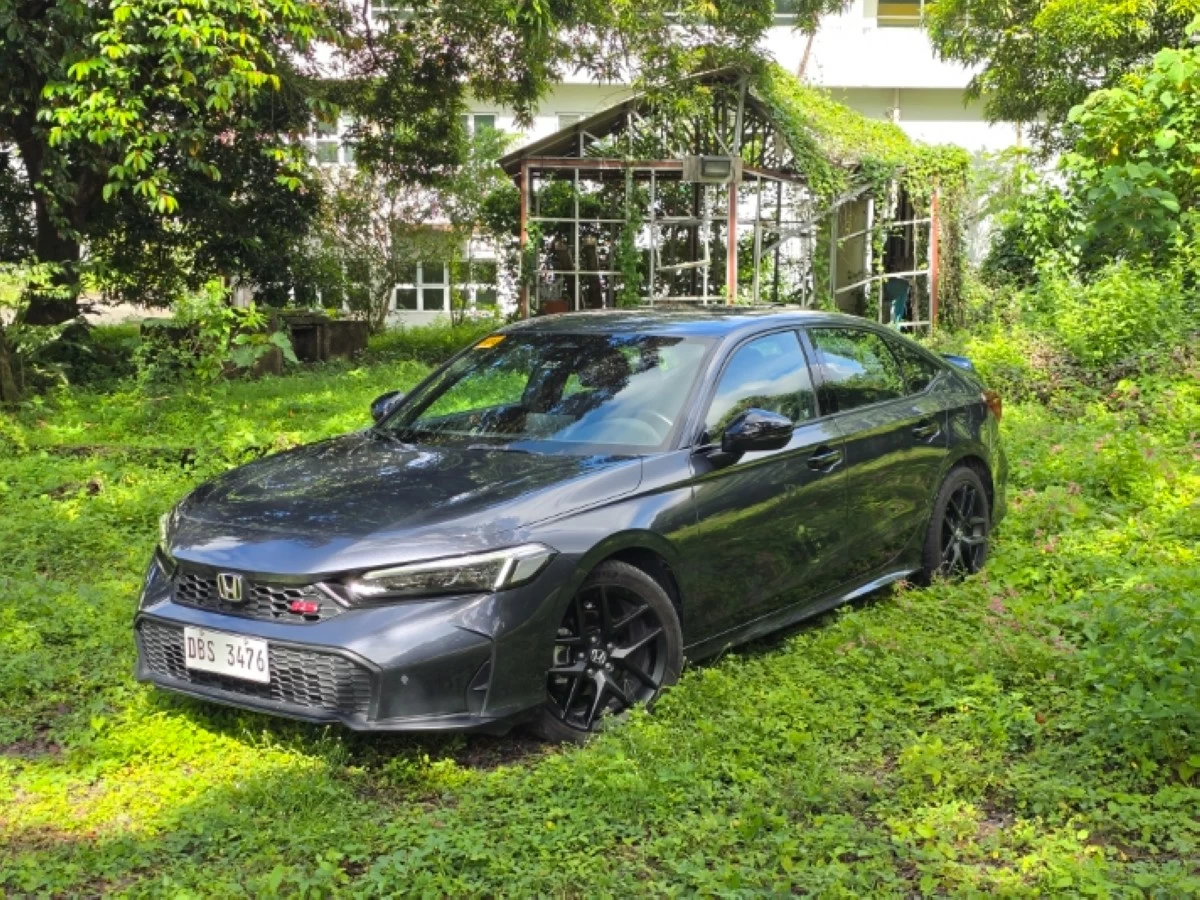
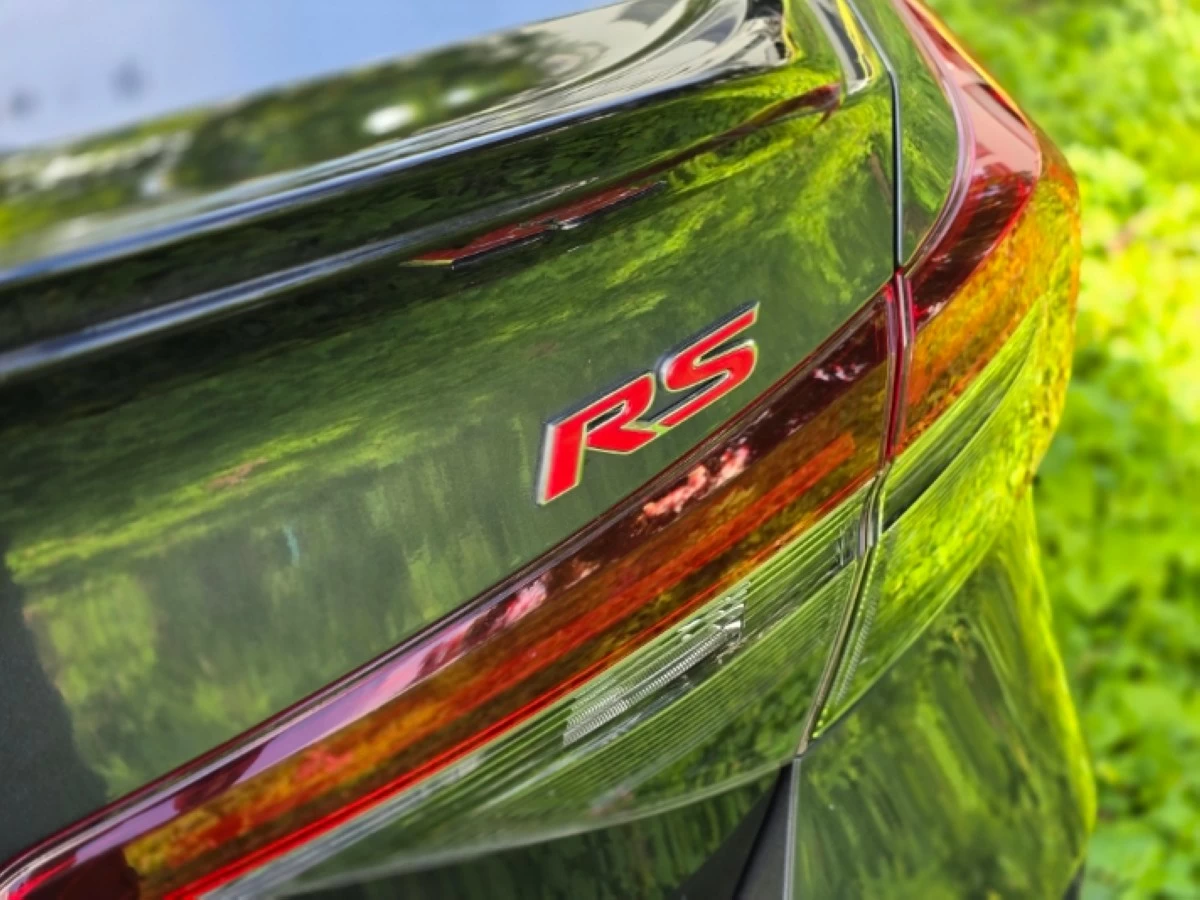
The Civic RS is the one most people will buy, and it does not take long to understand why. Its 1.5-liter VTEC Turbo is rated at 178-PS and 240-Nm and paired to a CVT. In traffic, it is calm and predictable. On open roads, it has enough shove to slot into gaps and complete overtakes without drama. It feels quick in the way a daily car should feel quick, not just on paper, but in the moments you actually need it.
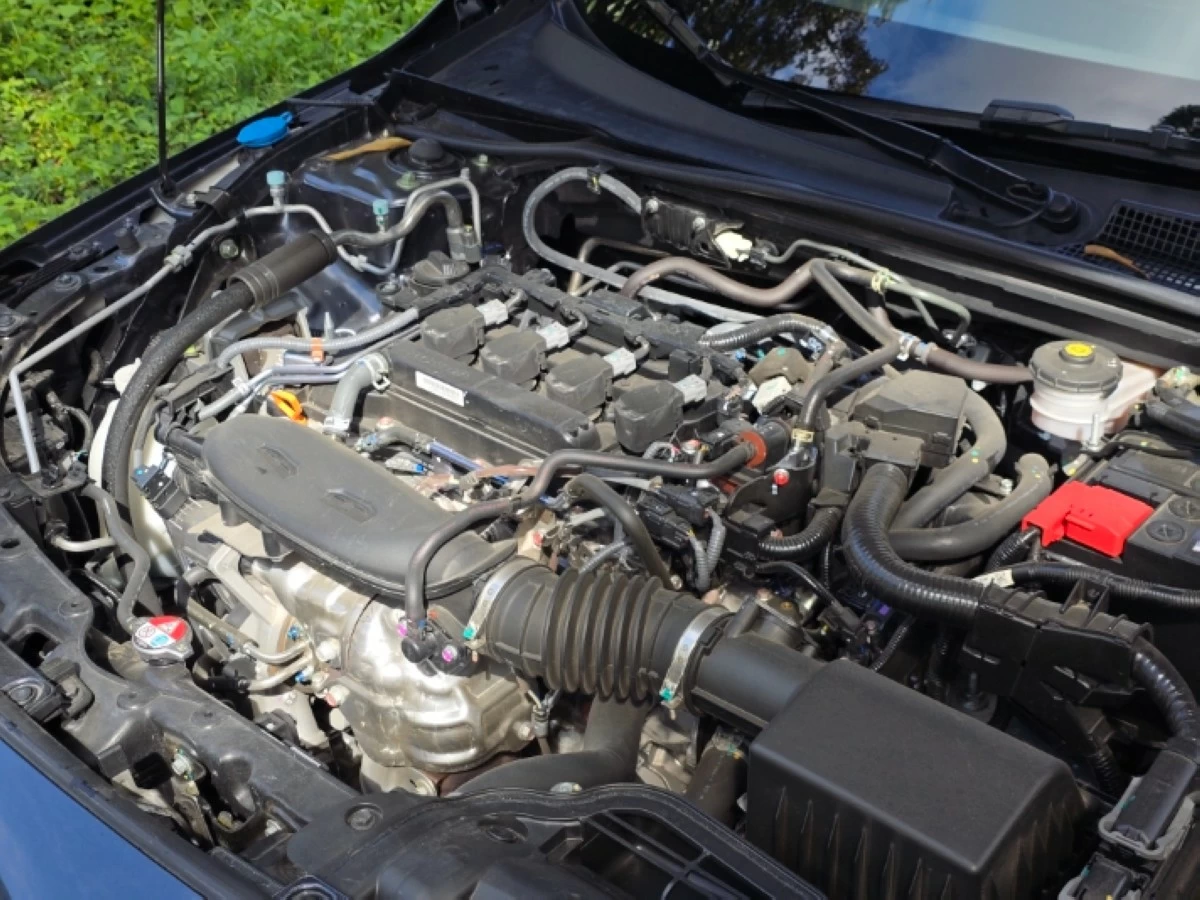
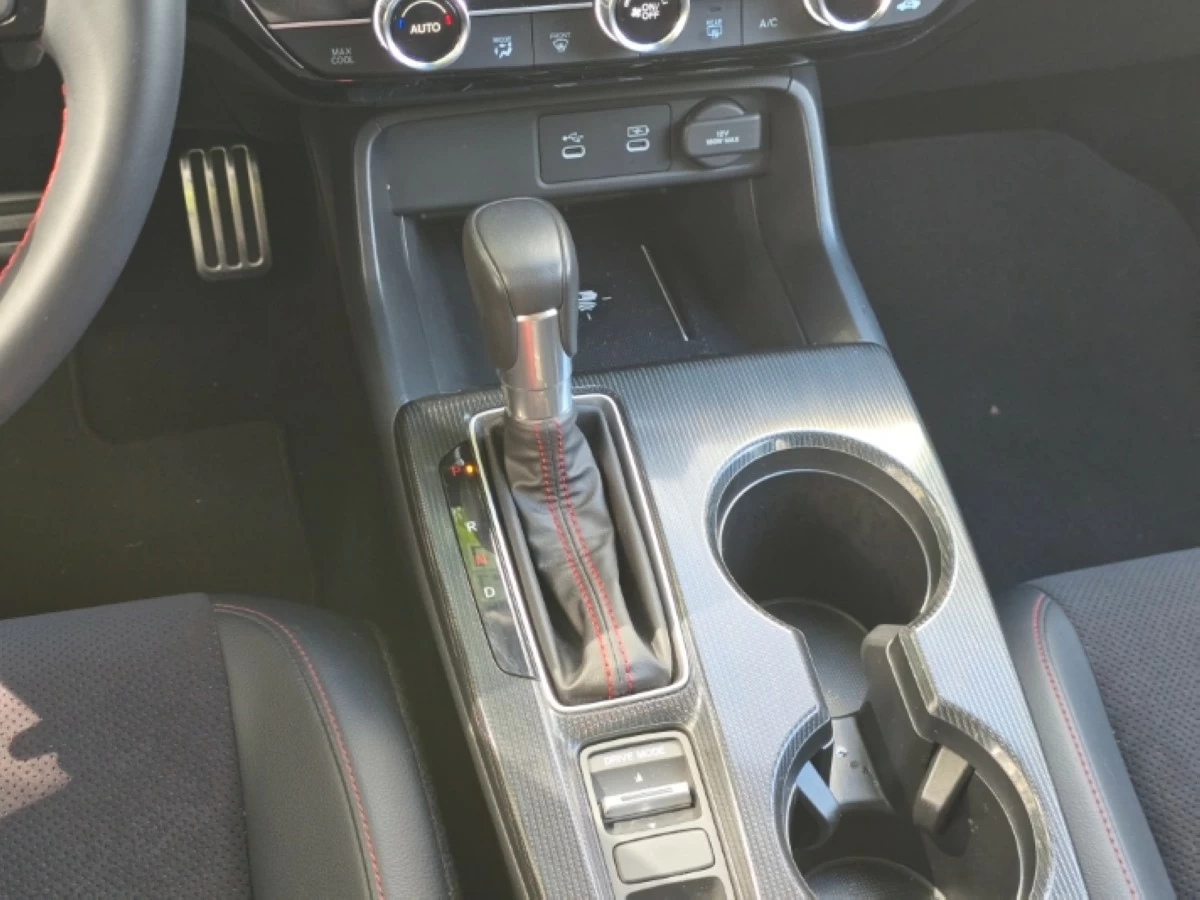
The CVT plays a big role in that. It keeps the engine in a useful band and takes the edge off stop-start driving. You do not have to manage the drivetrain. You point the car where you want to go and it responds with a smooth, consistent pull. It is not a powertrain that encourages you to chase revs, but it is one that stays ready when the road finally clears.
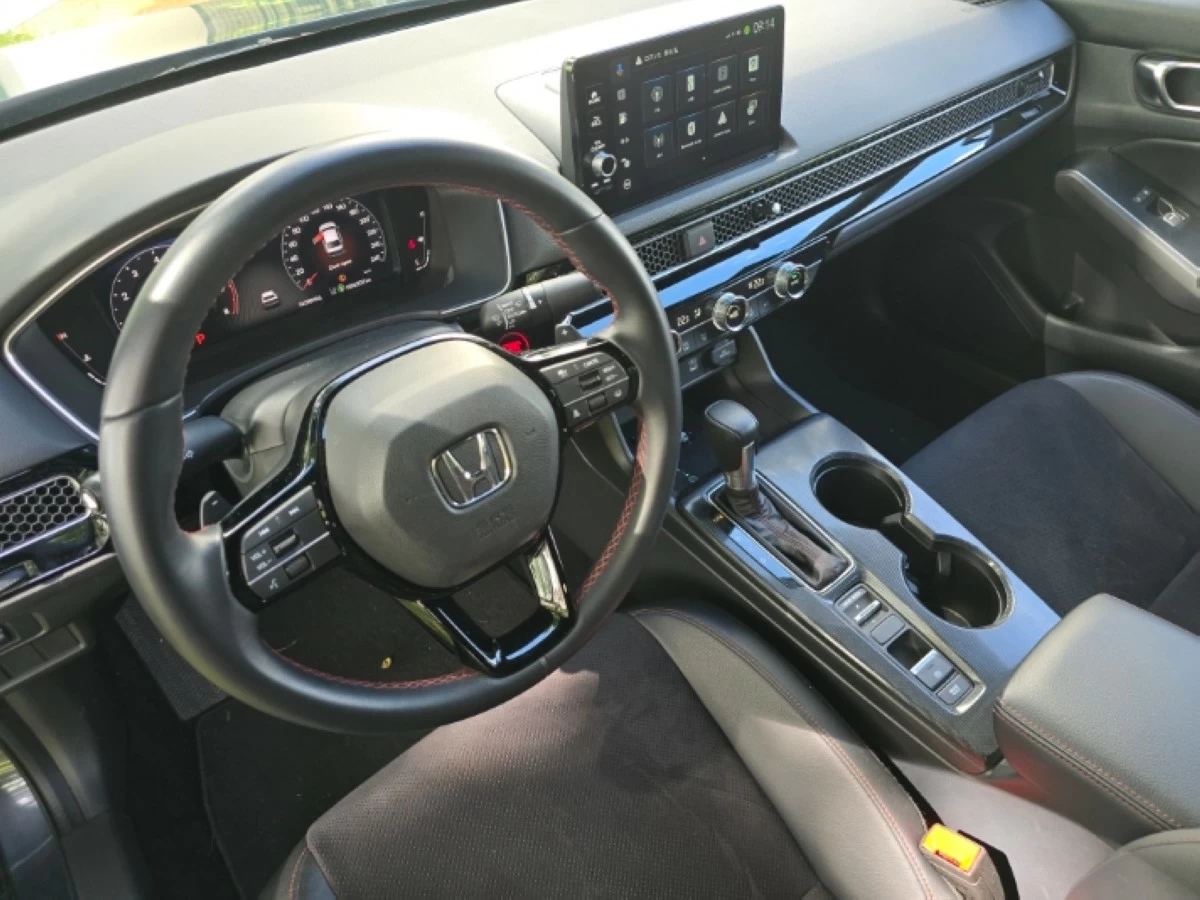
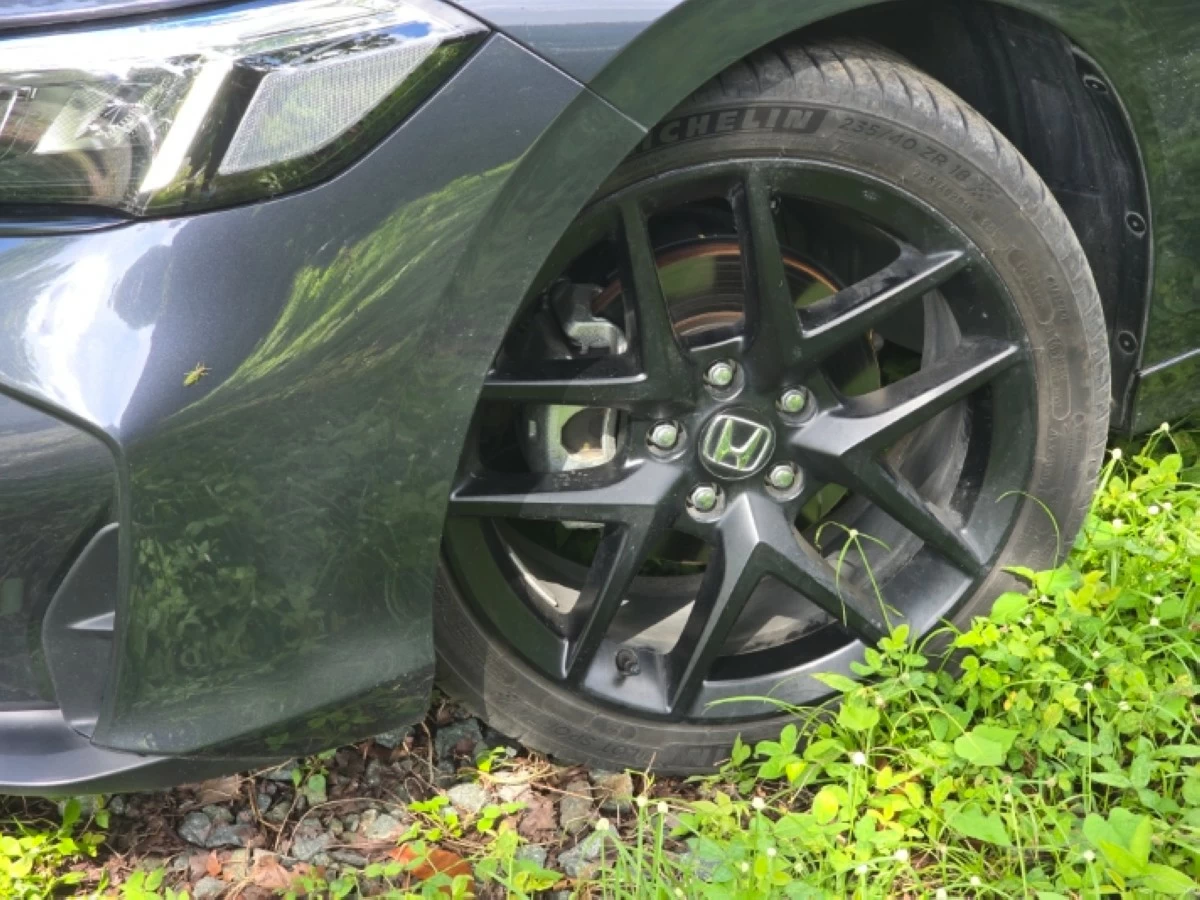
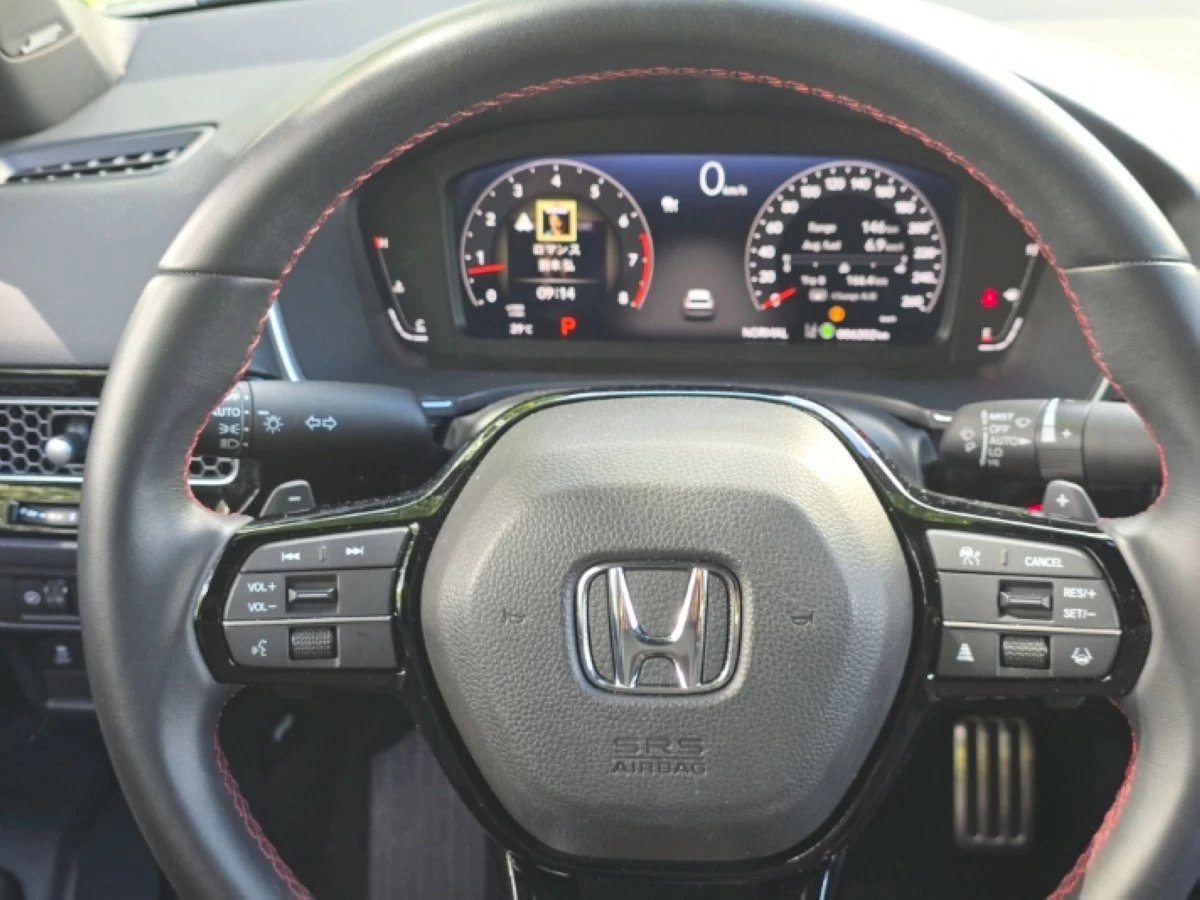
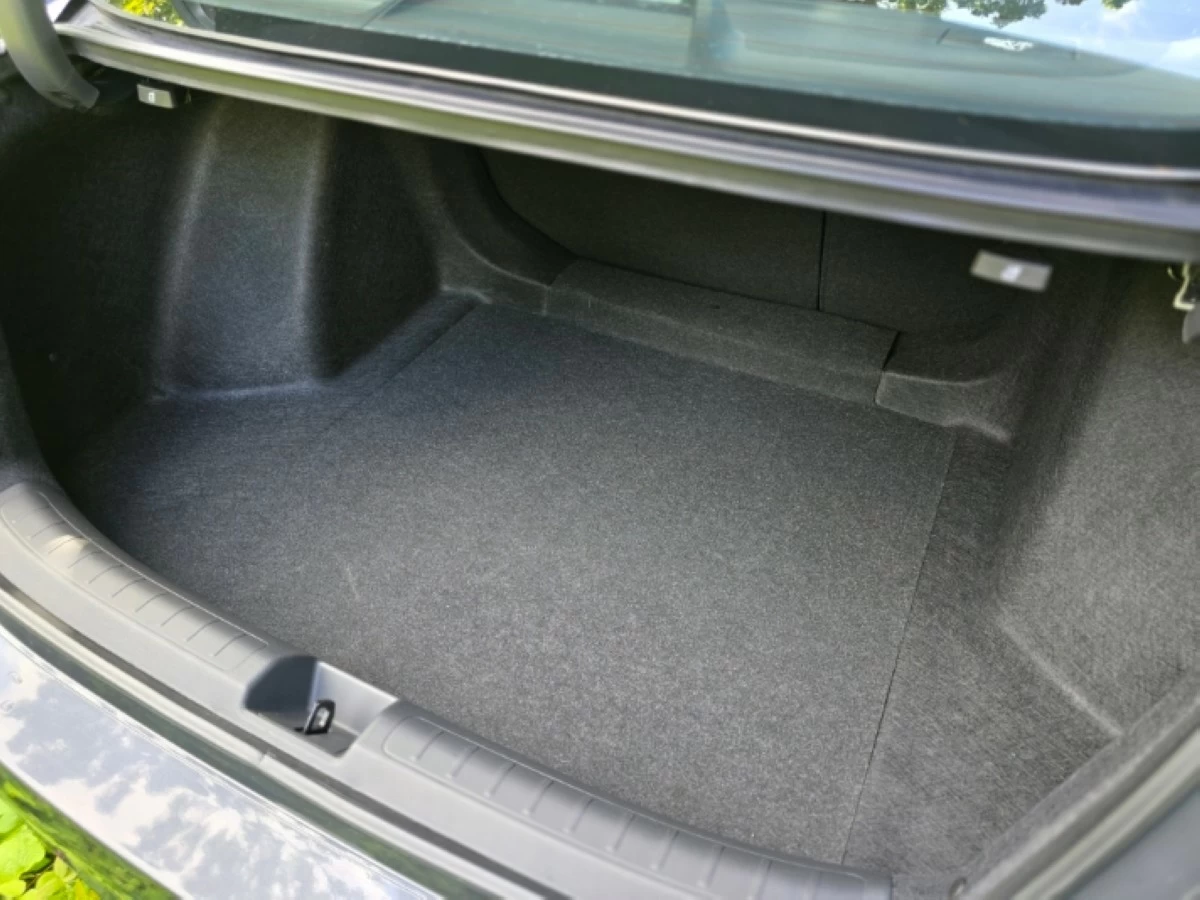
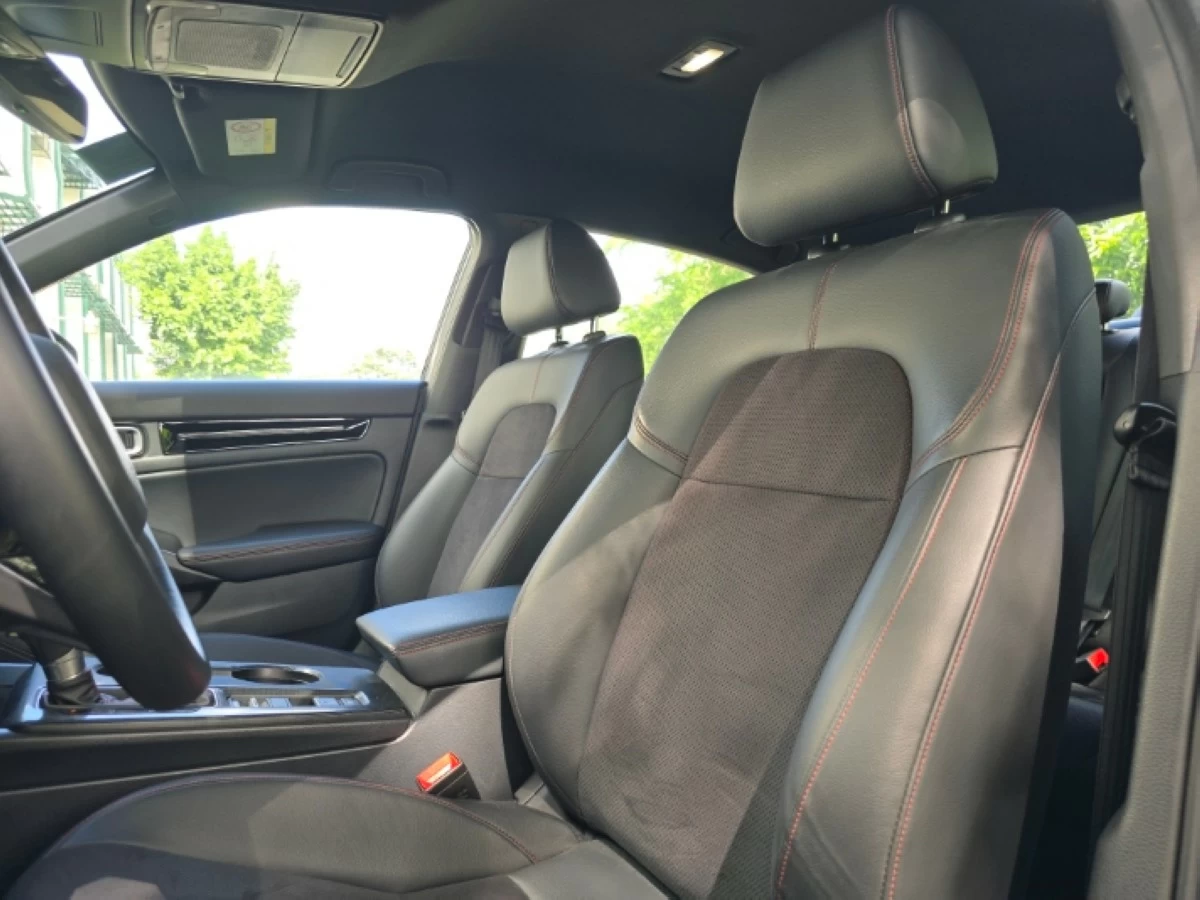
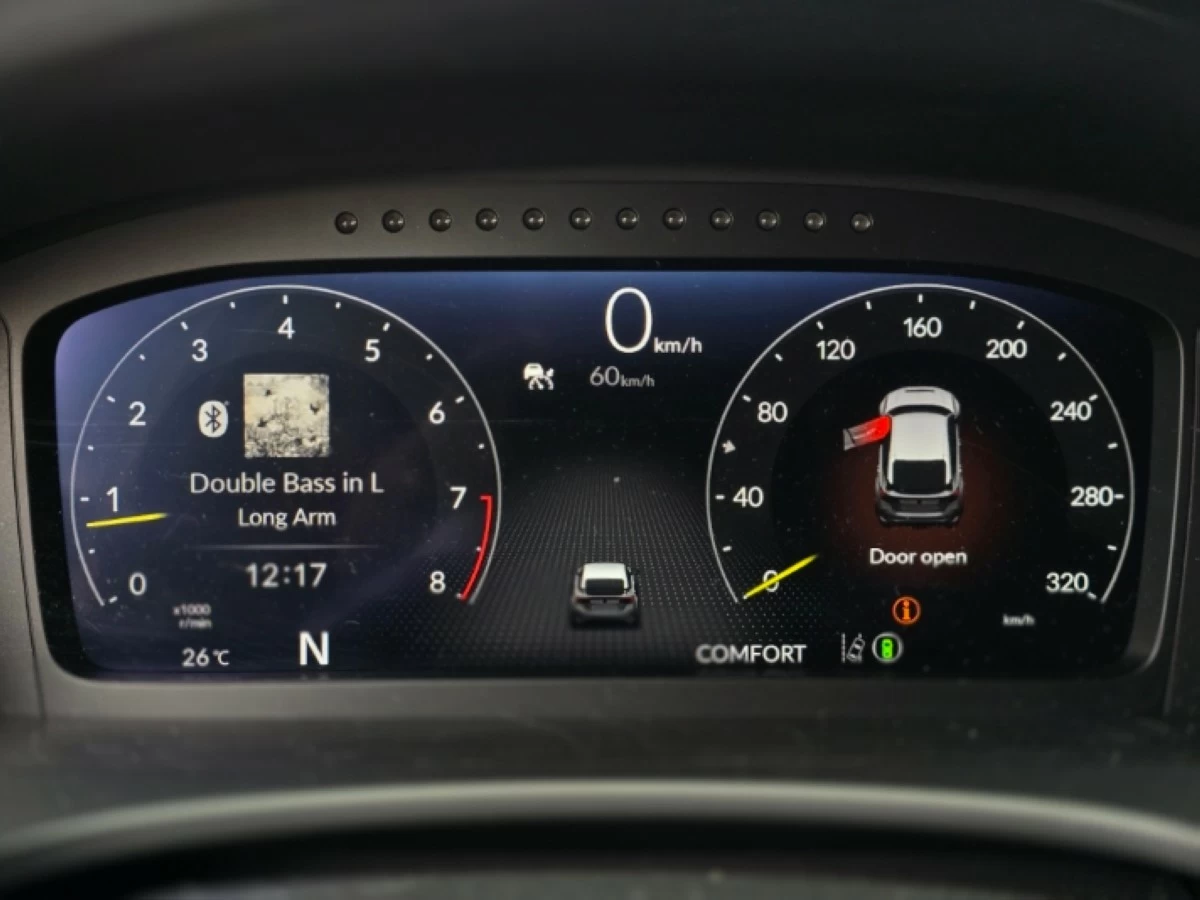
The RS also makes a strong case on equipment, because you live with those details more than you live with acceleration claims. The nine-inch display audio and wireless Apple CarPlay are the sort of features you stop thinking about once they work properly. The Bose 12-speaker system stands out more, because it changes the cabin atmosphere every time you drive. Honda Sensing is another quiet advantage. It builds confidence in traffic and on longer runs, especially when you are doing the usual mix of cautious lane changes, late merges, and stop-start crawling.
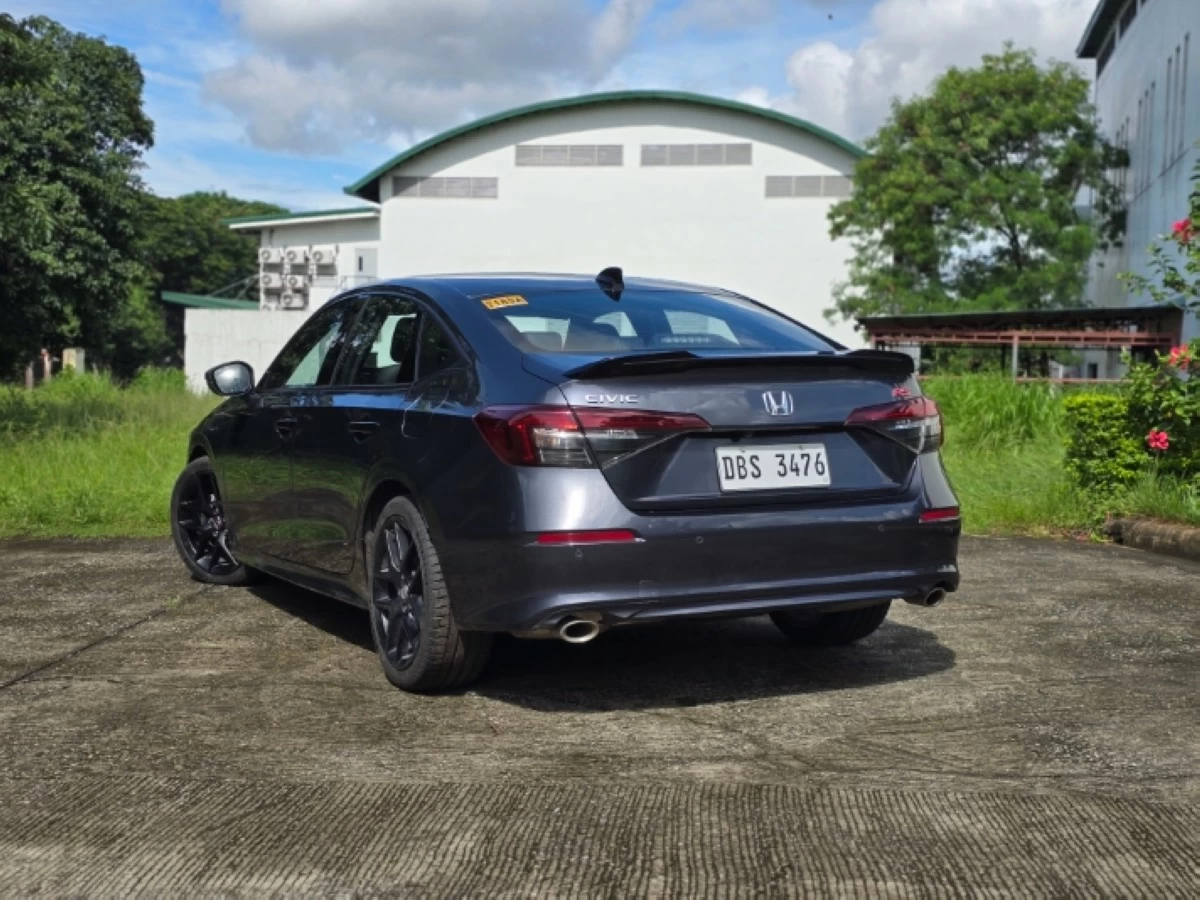
This is a Civic tuned for modern life, one that feels finished. It is refined without feeling numb, and it is responsive without trying to turn every commute into a performance demonstration.
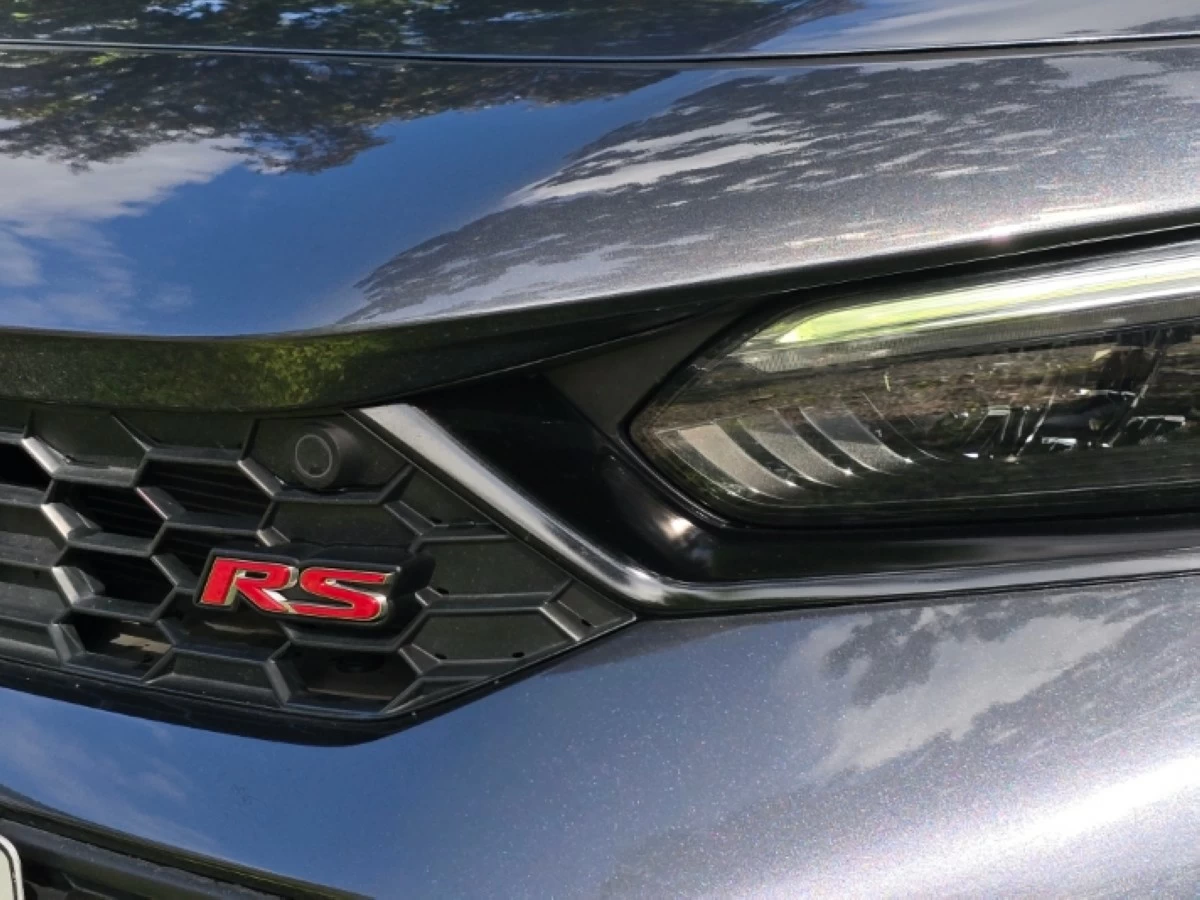
The legendary Type R
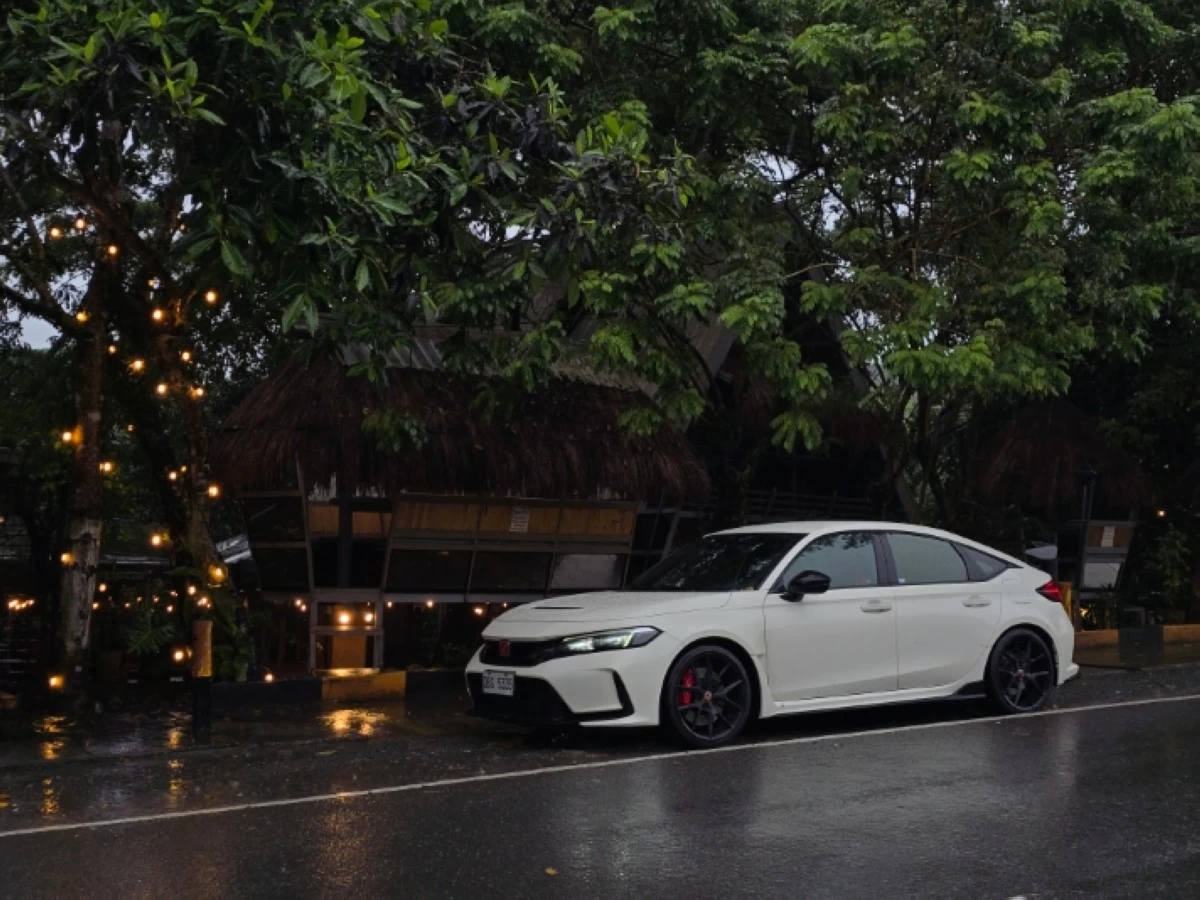
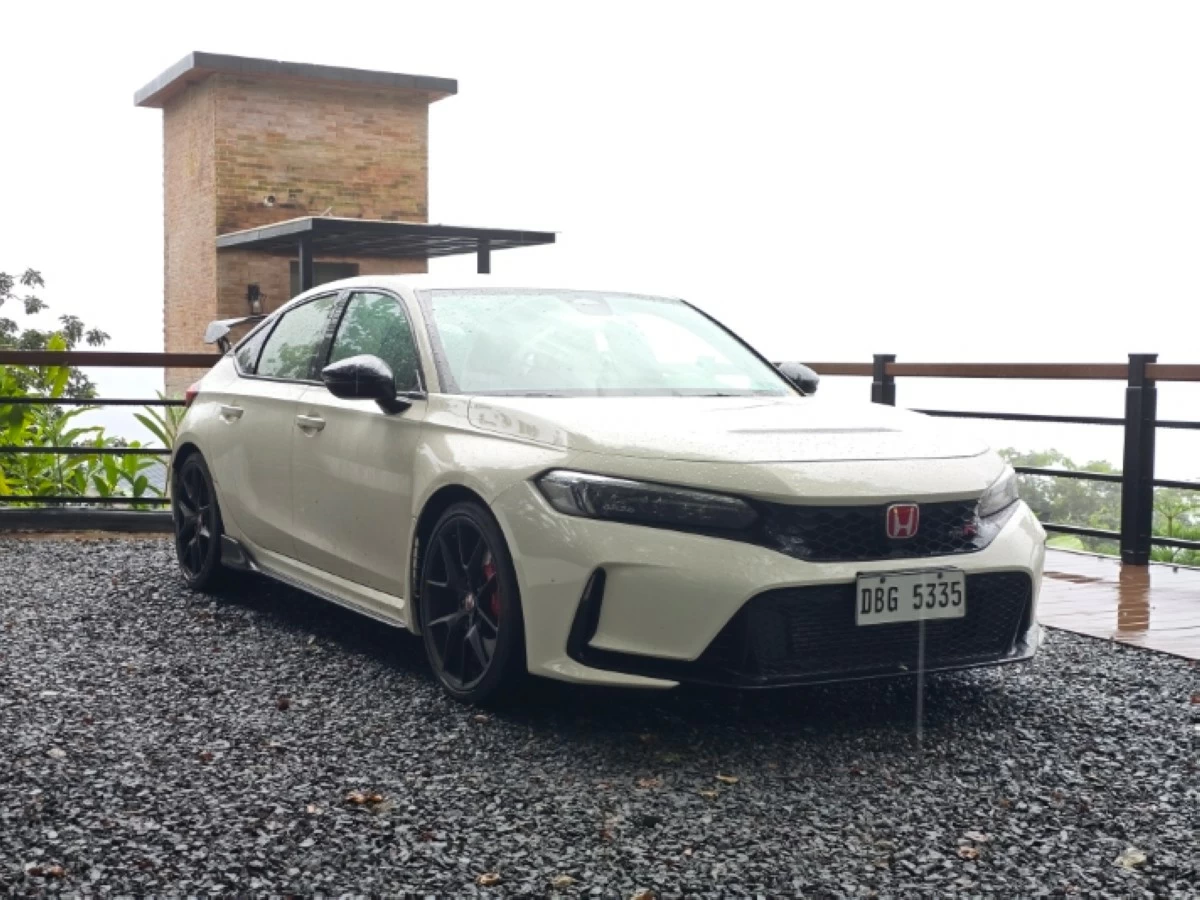
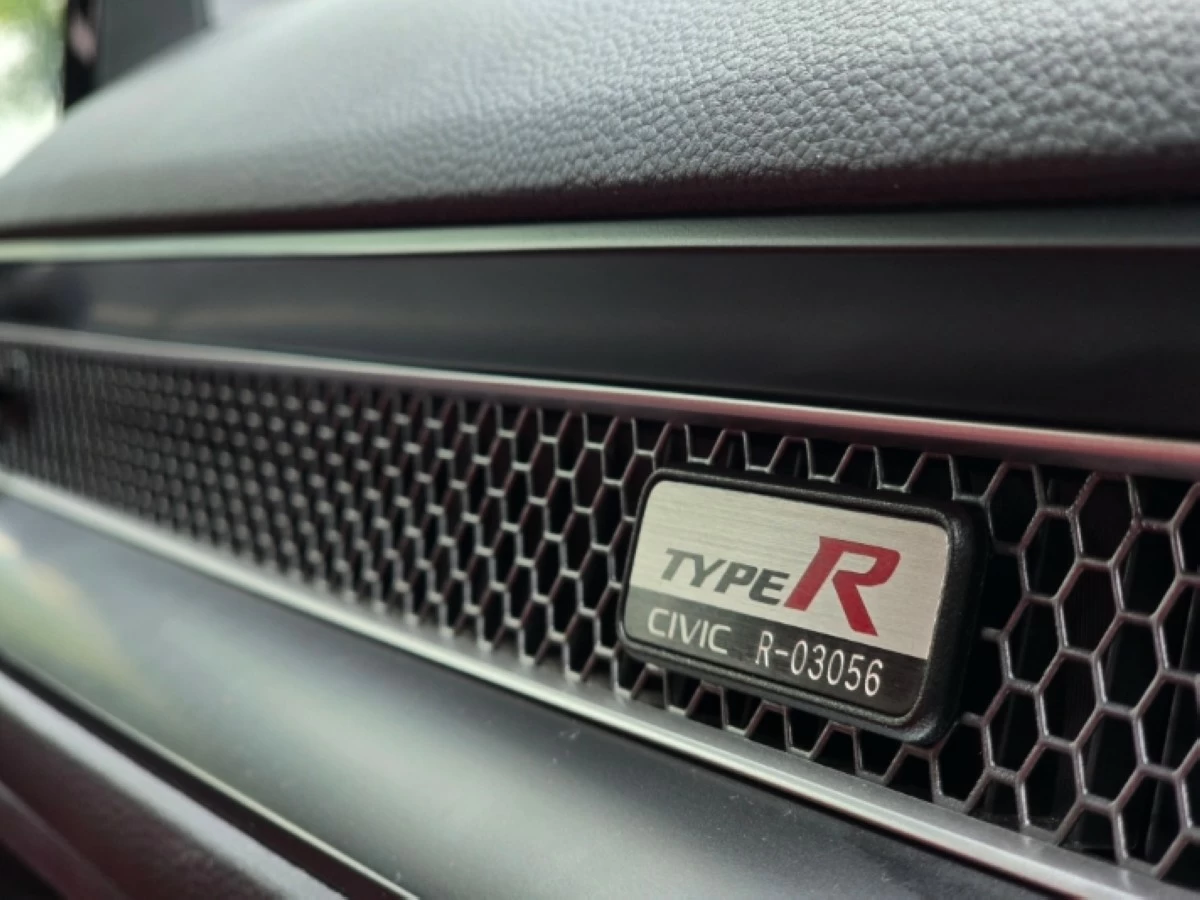
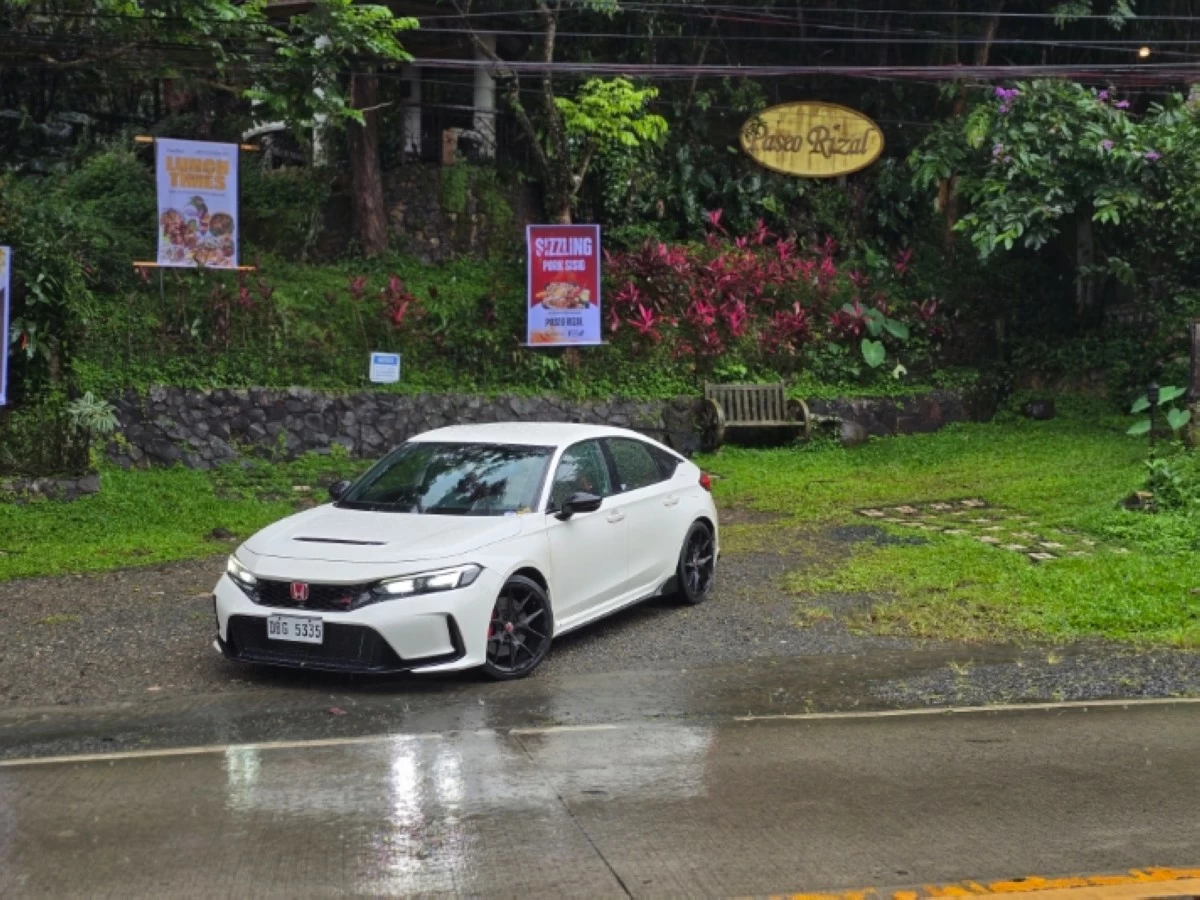
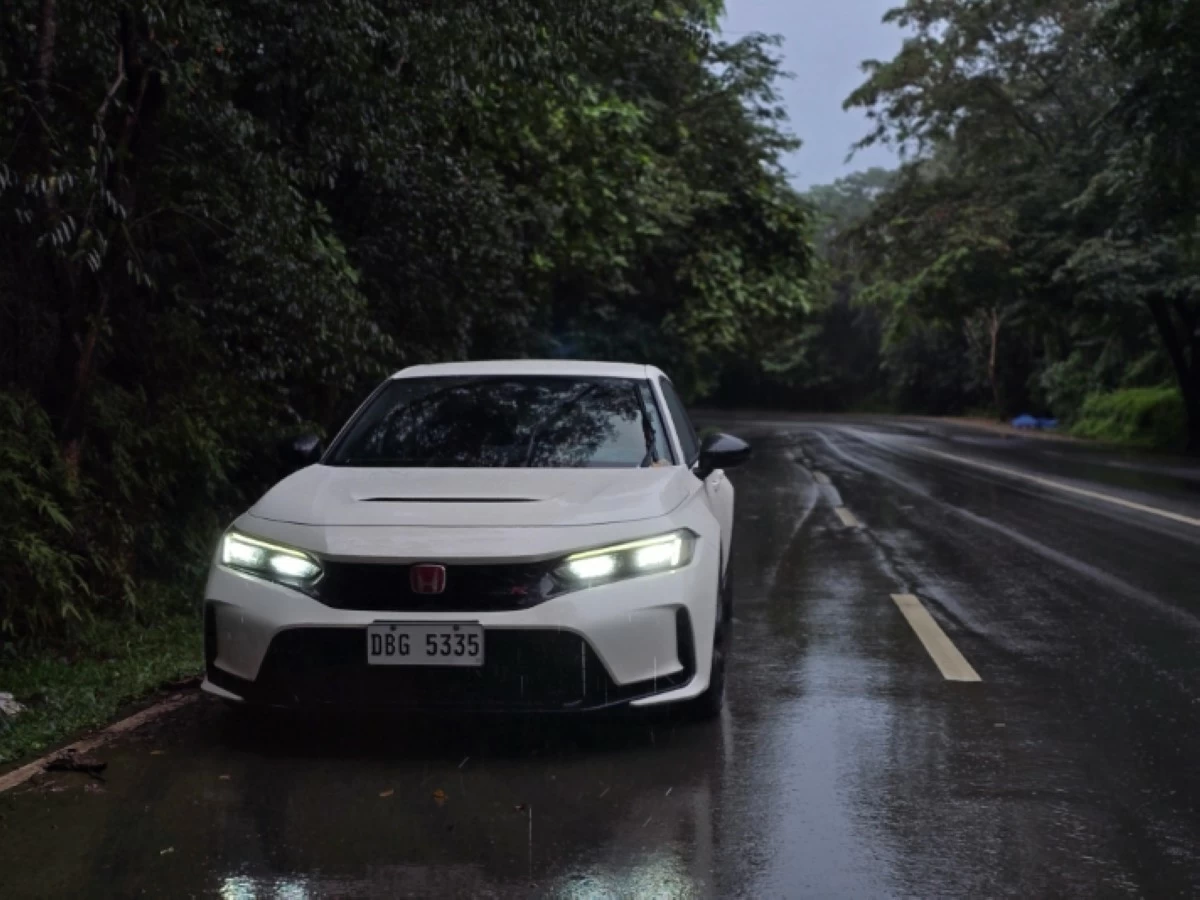
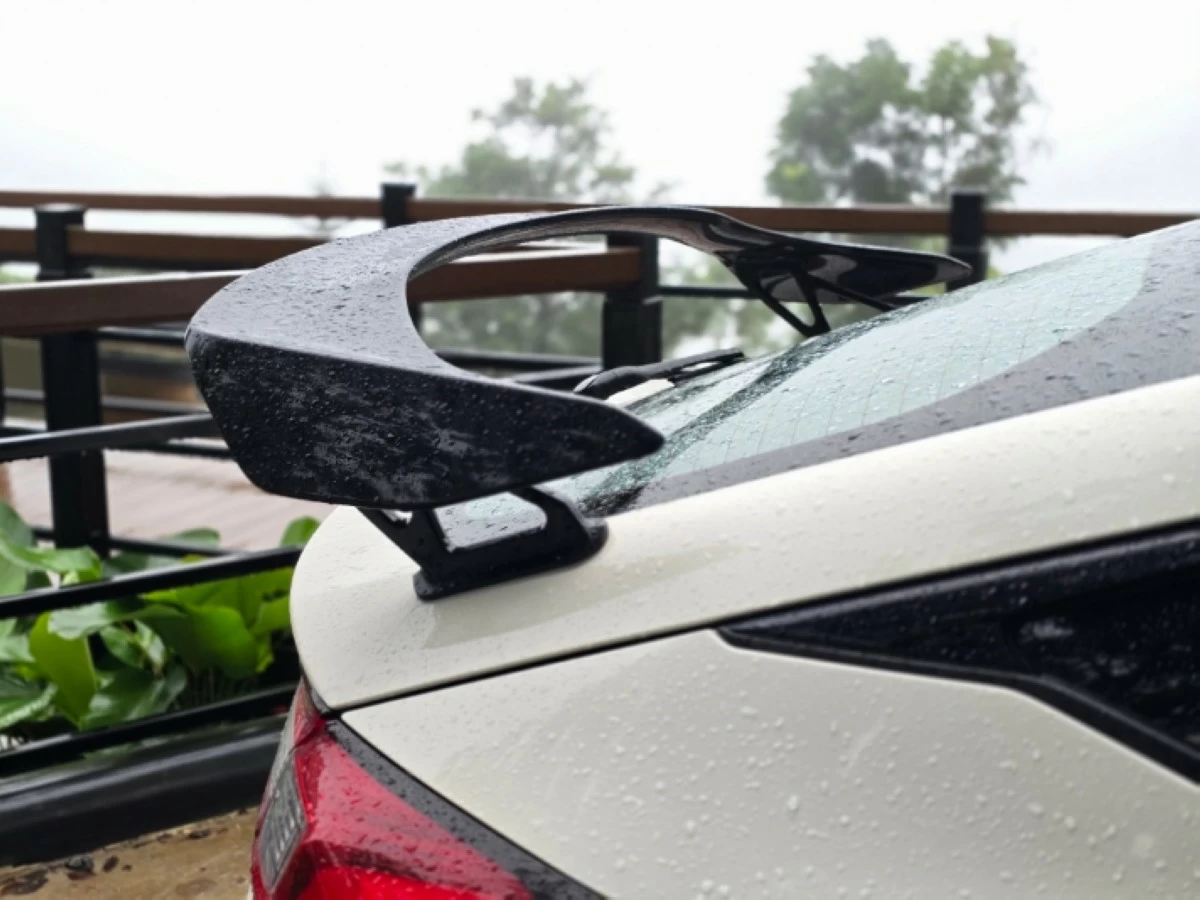
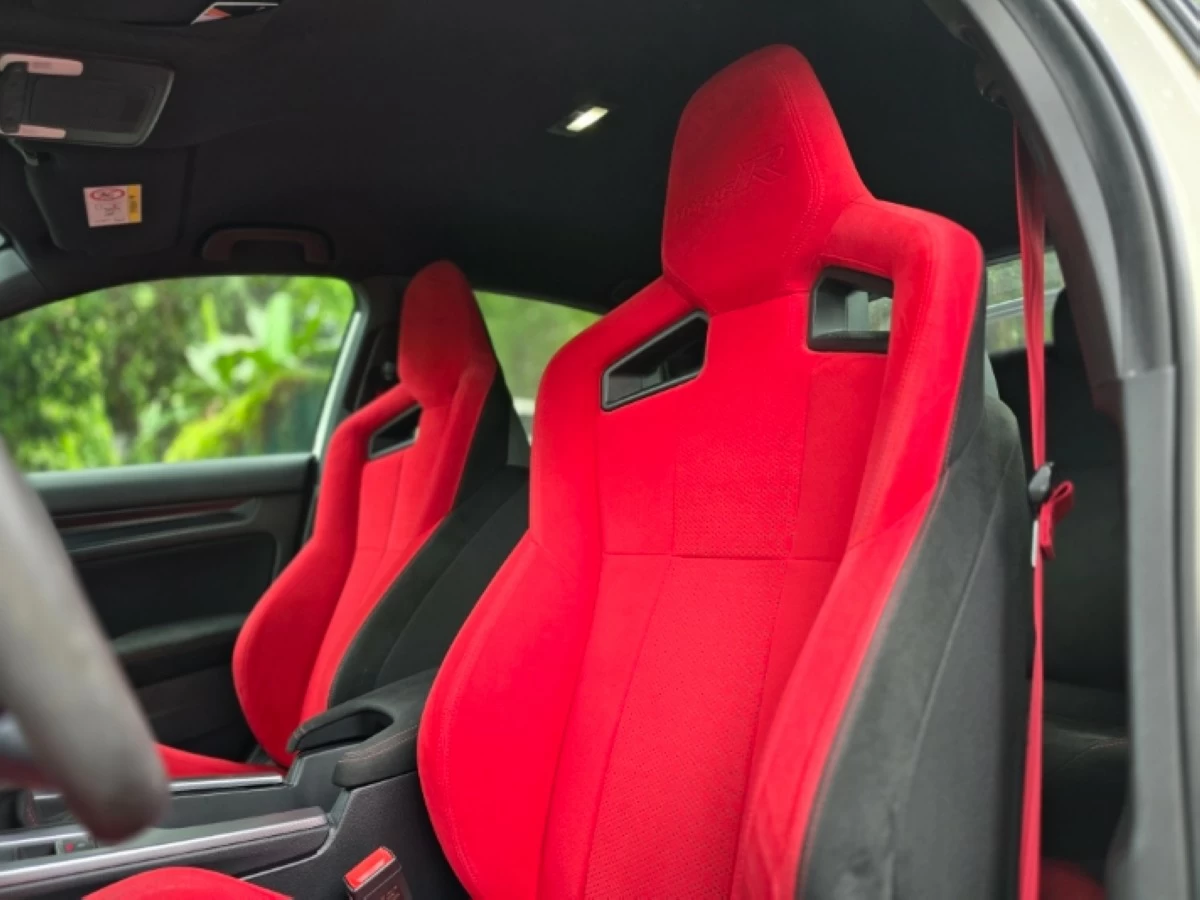
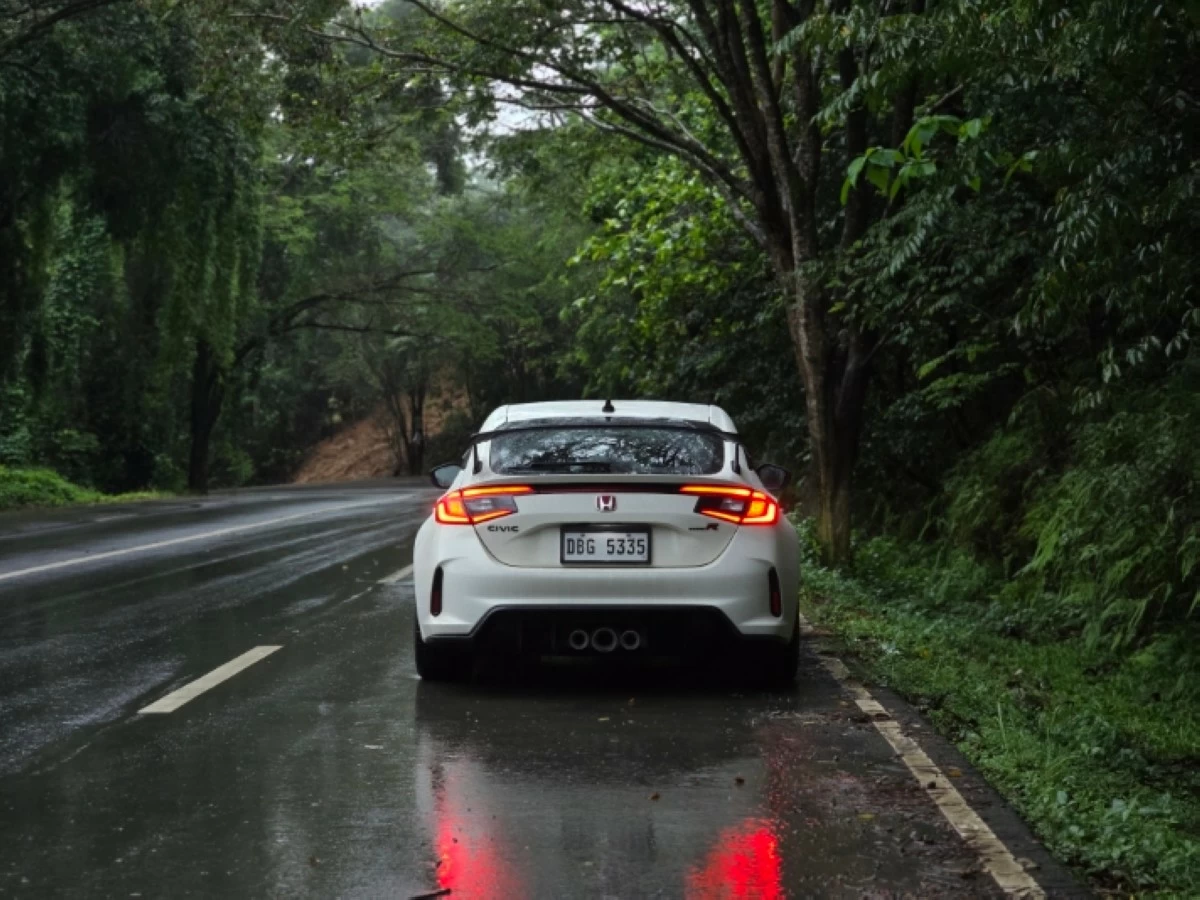
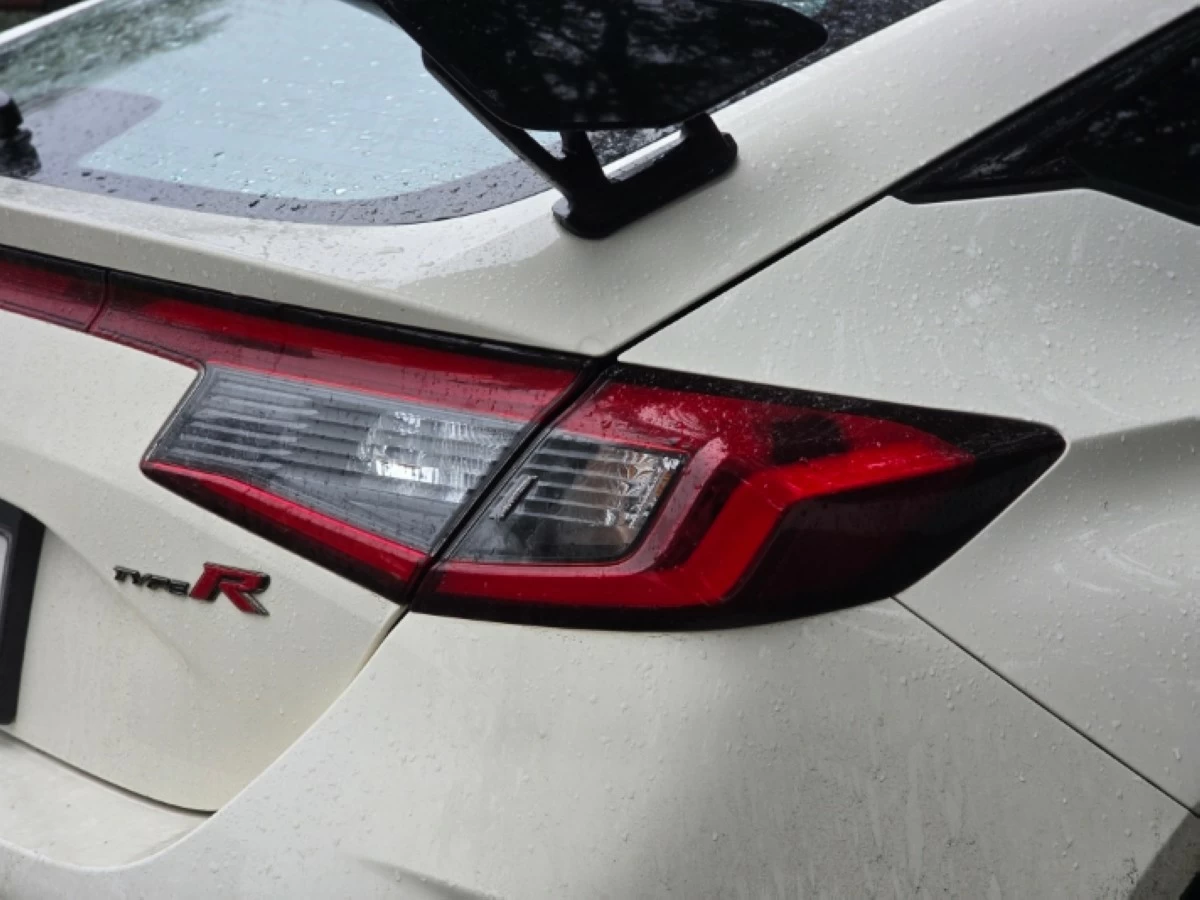
The Type R changes the mood the moment you walk up to it. The stance is wider. The rear wing is unapologetic. The shorter hatchback tail makes the whole car look tighter and more purposeful. Even before you move, the whole splash of red inside the cabin signals a different experience.
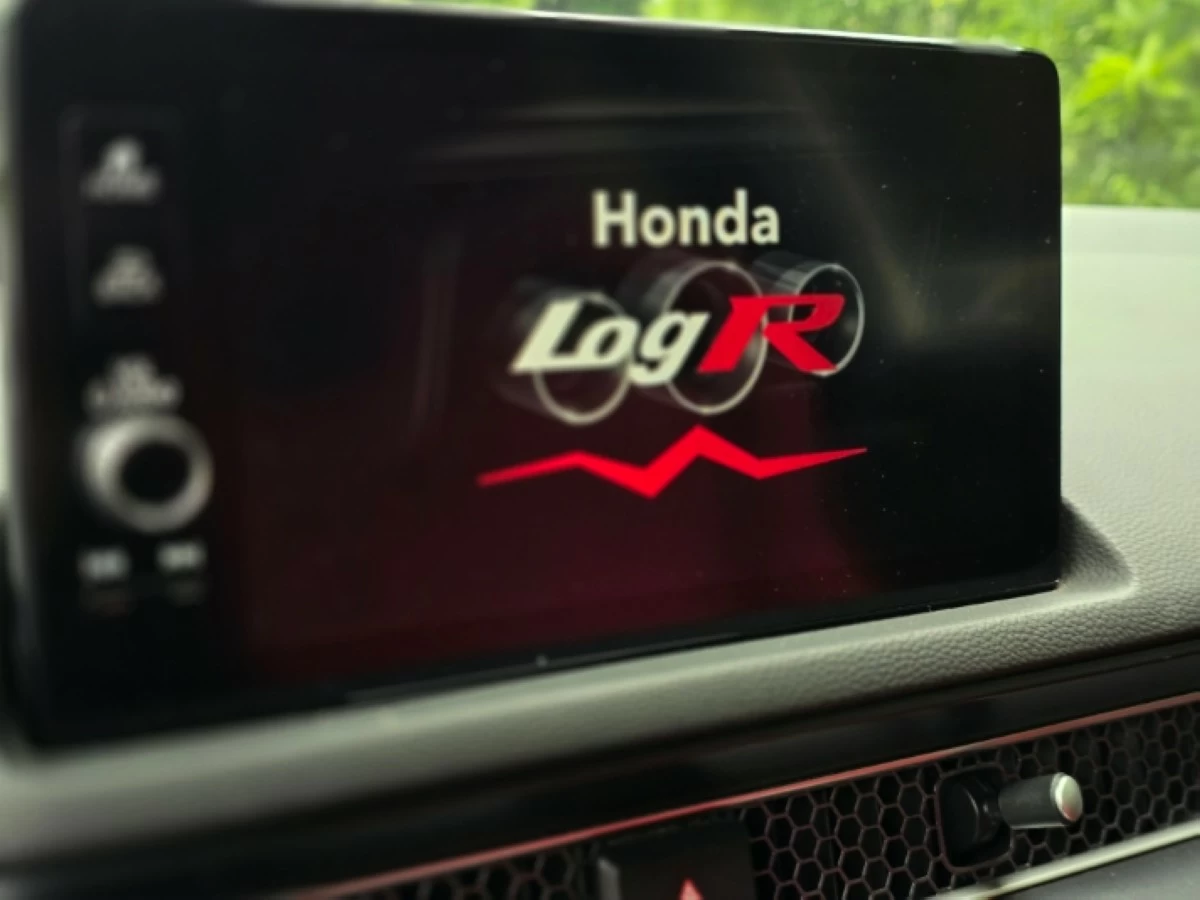
Under the hood is a 2.0-liter turbo engine rated at 320-PS and 420-Nm, sent to the front wheels through a six-speed manual. You feel that performance, but you also feel the way the car insists on involvement. For me, the center of the Type R is the transmission. I grew up with manual transmissions, and I still see them as the most direct way to connect with a car. In the Type R, the manual shapes how you use the engine and how you read the road ahead. You choose the gear, you decide when the torque arrives, and you manage the car’s attitude on the way into a corner and the way out of it.
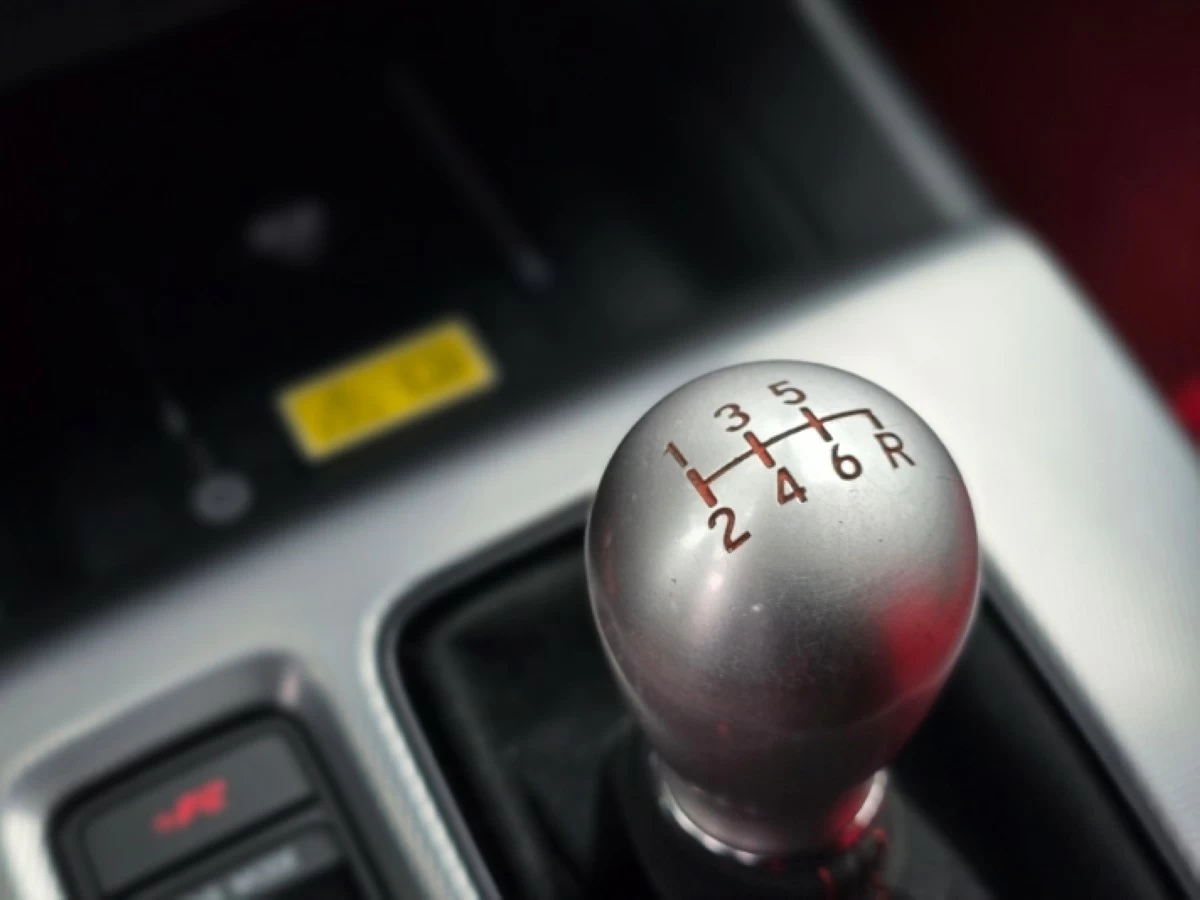
Over a full week, that becomes the defining difference. The manual turns boost and grip into something you can meter out, moment by moment, instead of something the car simply serves up. When the road opens, you are not just going faster. You are choosing how to go fast, and that sense of control is what makes the car feel special.
This is where the Type R hits that familiar note for anyone who grew up loving performance cars. I am 50, and the cars that shaped my idea of “good” were never just about the numbers. They were about participation. The Type R still carries that rawness, but it is also clearly more resolved than the 1990s-era cars people romanticize today. The rev-match control system surely helps too. It is a quiet assist that smooths downshifts and keeps the rhythm intact, without taking away the feeling that you are still doing the work yourself.
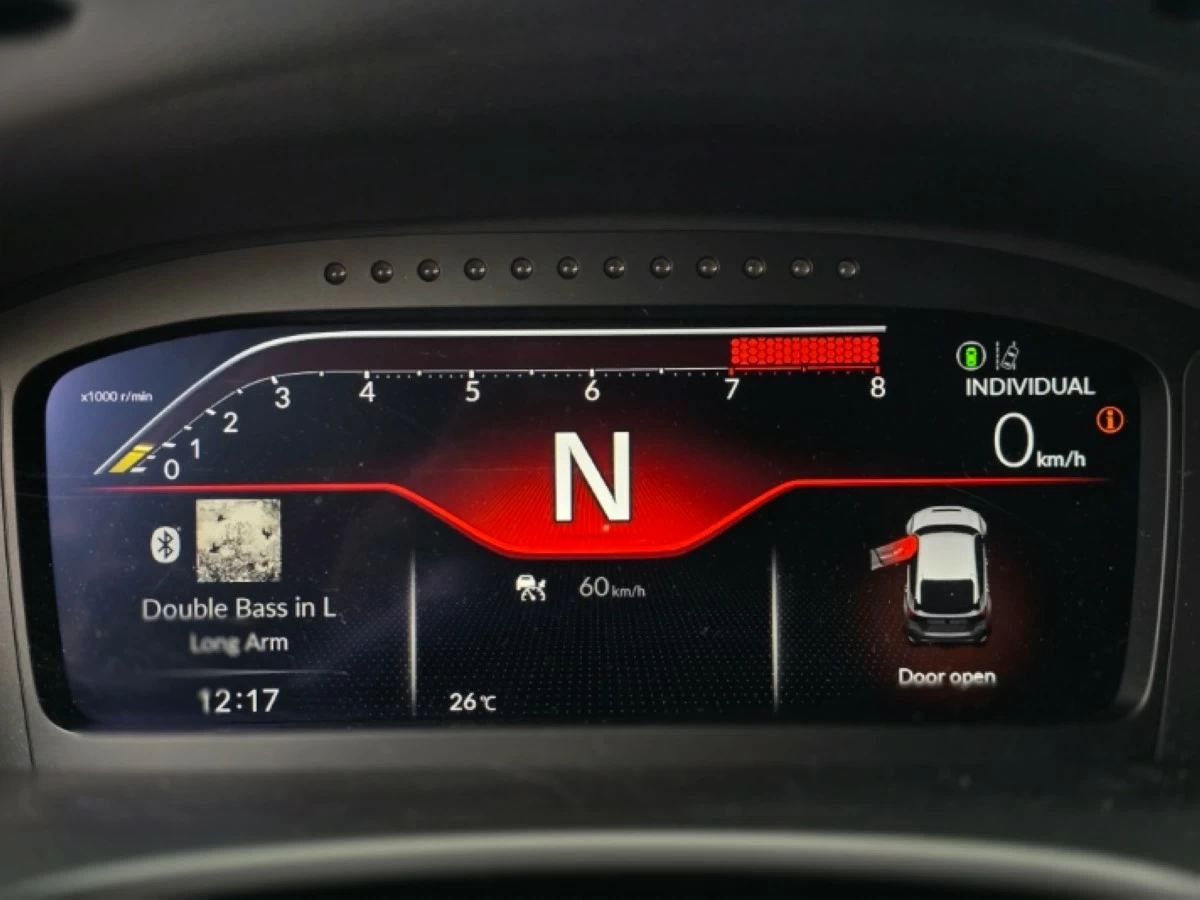
The dual-axis strut suspension helps keep the front end composed under power, so the performance feels usable rather than messy. The adaptive dampers add breadth, letting the car settle down when you need it to and tighten up when you want it to respond more sharply.
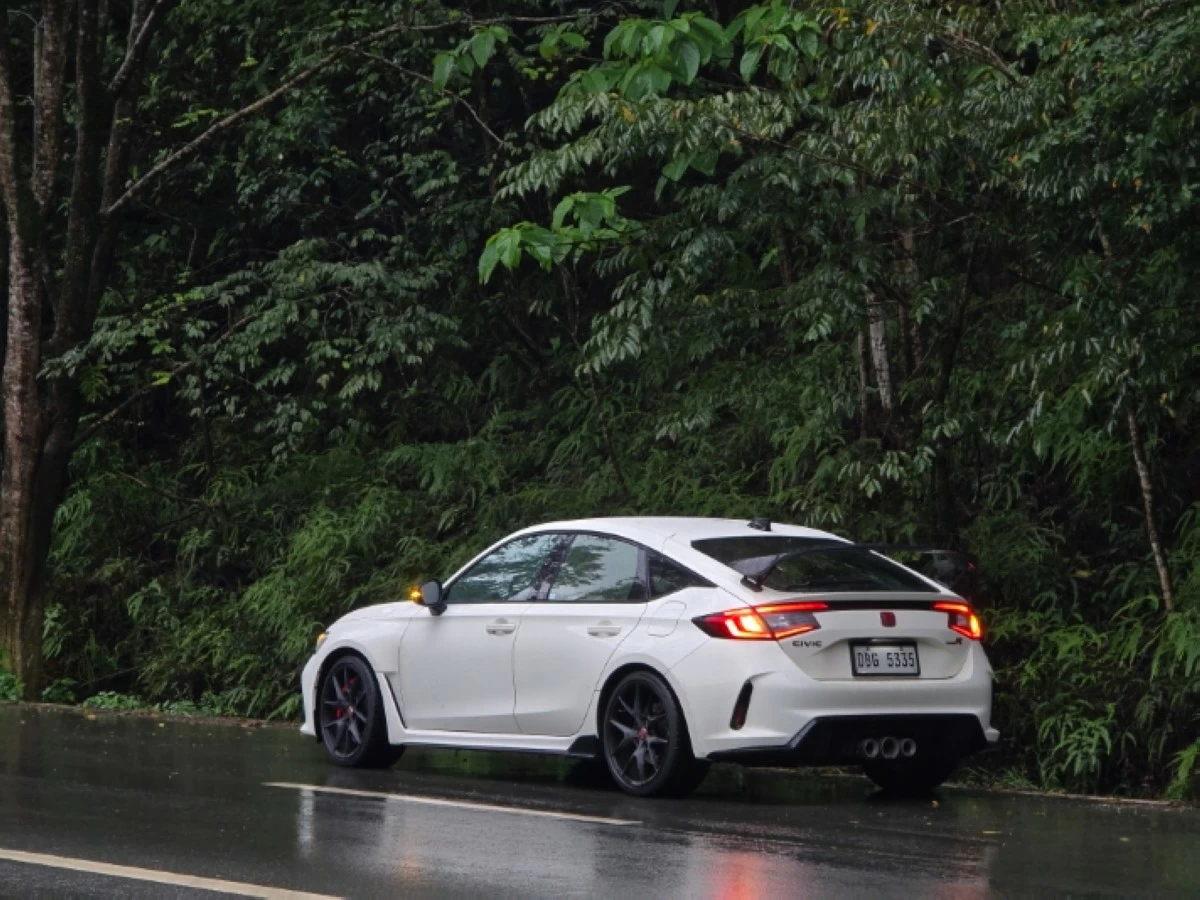
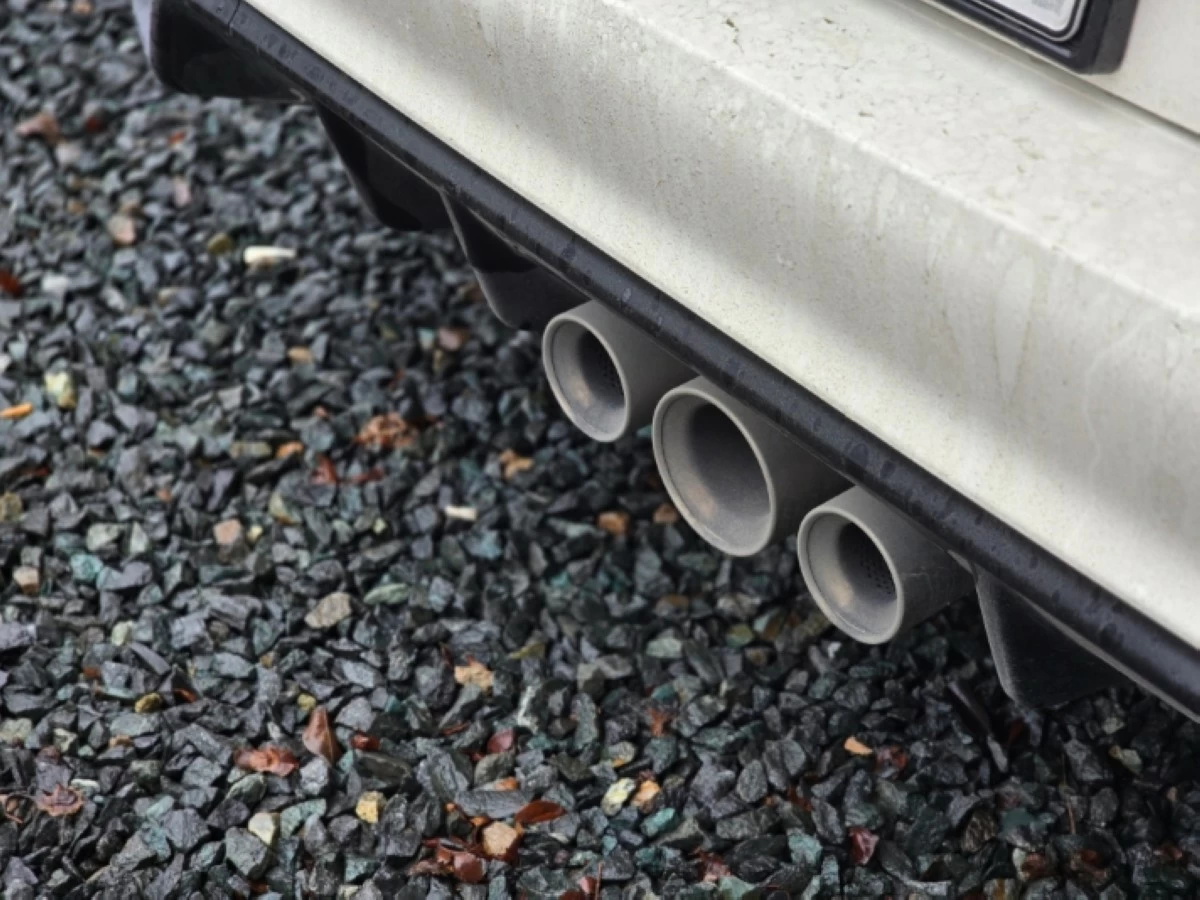
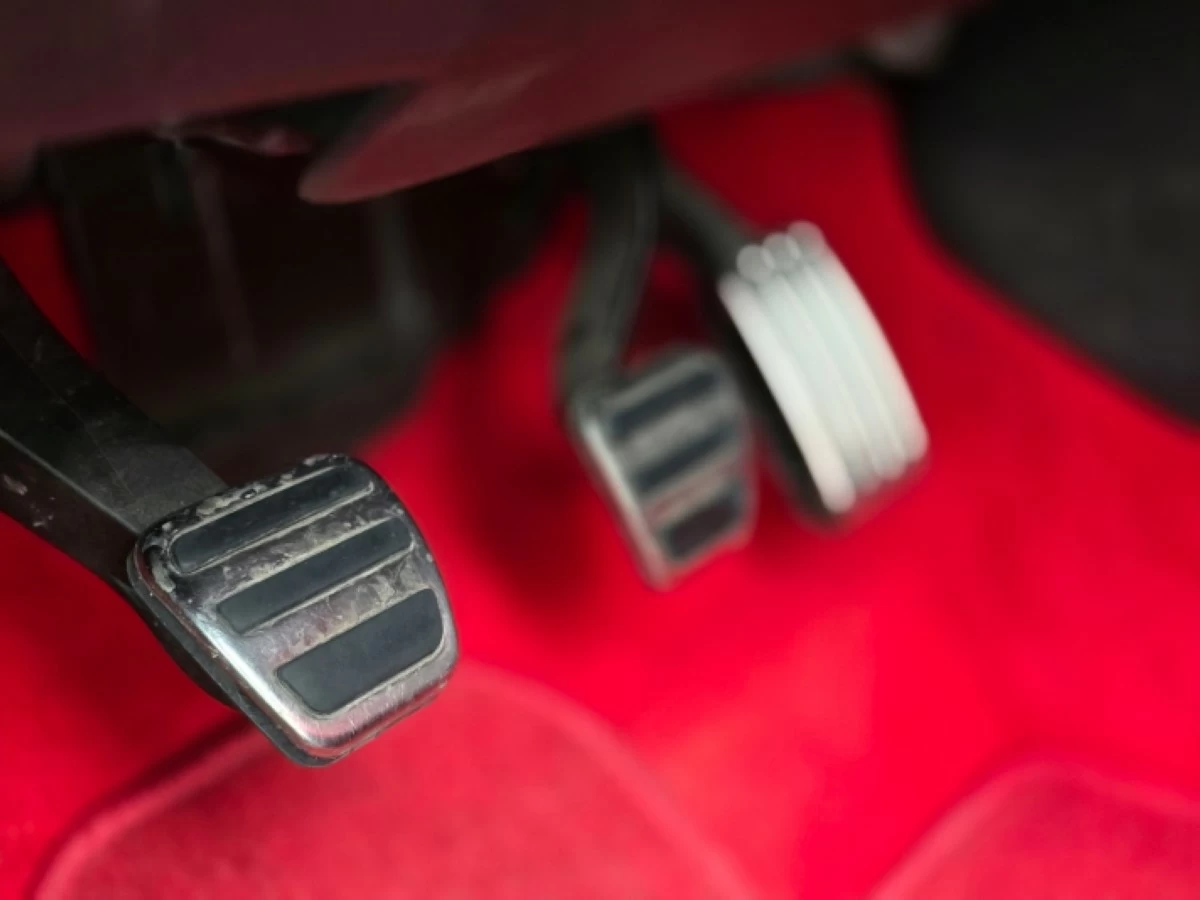
Usable power, and why the manual matters
Driving the RS and the Type R back to back makes one point hard to ignore. The RS is already good enough that the Type R cannot justify itself on speed alone, because most roads do not let you use 320 PS for long. The Type R earns its place by giving you a different kind of satisfaction.
A lot of manufacturers have chased bigger outputs figures and faster shift times. This makes performance feel like something you trigger, instead of something you shape. The Type R pushes in the other direction. Its performance is accessible because the car gives you control over it, and the manual transmission is the key that unlocks that experience.
After two straight weeks, the two cars felt like two honest answers that share the same Civic DNA. The RS is the one that fits most lives: refined, quick enough to be satisfying, and easy to live with from Monday traffic to weekend drives. The Type R is the counterpoint, and it is the one that feeds your soul because it hands control back to you. Even with rev matching smoothing the downshifts, the decisions are still yours, and that is what gives the Type R its character.