







Romualdez makes serious push for OFW Hospital
Published Feb 22, 2026 11:54 am


At A Glance
- Lakas-Christian Muslim Democrats (Lakas-CMD) President Leyte 1st district Rep. Martin Romualdez is eyeing the creating of an Overseas Filipino Workers (OFW) Hospital that would provide better, more reliable healthcare for the country's so-called modern-day heroes.
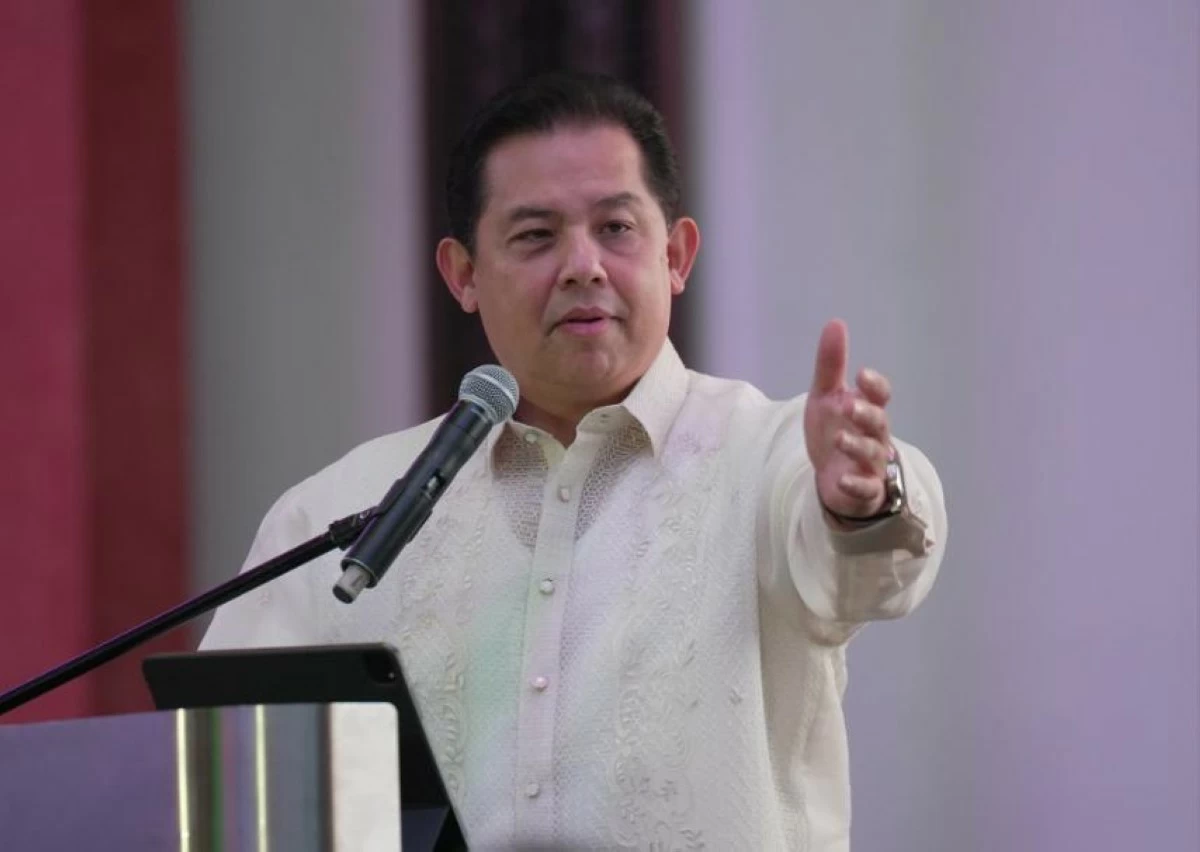
Leyte 1st district Rep. Martin Romualdez (PPAB)
Lakas-Christian Muslim Democrats (Lakas-CMD) President Leyte 1st district Rep. Martin Romualdez is eyeing the creating of an Overseas Filipino Workers (OFW) Hospital that would provide better, more reliable healthcare for the country’s so-called modern-day heroes.
“Our OFWs carry our economy on their backs. At isang paraan para kilalanin ang kanilang kontribusyon sa ating bansa ay siguruhin na sila at ang kanilang mga kaanak at pamilya ay mayroong de-kalidad na healthcare,” Romualdez, a former two-time House Speaker, said in a statement Sunday, Feb. 22.
“And we can do this through the establishment of an OFW Hospital. Isang institusyong tututok sa ating mga OFWs, mula sa kanilang pangangailangan bago umalis, sa pangangailangang pangkalusugan ng kanilang pamilya, at sa kanilang medical needs pagdating muli sa ating bansa,” Romualdez added.
(An institution that will focus on our OFWs, from their needs before departure, to the health needs of their families, and to their medical needs upon their return to our country.)
House Bill (HB) No. 7227, or the OFW Hospital Act, was filed by Romualdez along with Tingog Party-list Rep. Jude Acidre.
It seeks to establish the OFW Hospital as a Level III hospital in the City of San Fernando, Pampanga under the direct supervision and control of the Department of Migrant Workers (DMW), with services geared primarily toward OFWs and their qualified dependents.
It builds on the policy direction already set by Executive Order (EO) No. 154, which ordered the establishment of an OFW Hospital and an inter-agency committee to support it.
Under the bill, the hospital’s mandate is not limited to bedside care, but designed as a full-service facility that can cover the needs of migrants before deployment, while on contract, and upon return, reflecting the reality that the risks OFWs face do not end when they come home, and often surface after years of strenuous work abroad.
The proposed law directs the facility to provide comprehensive healthcare services to migrant workers, including Overseas Workers Welfare Administration (OWWA) contributors whether active or inactive, their legal dependents, and even the general public, while clarifying that nothing in the measure prevents the hospital from accommodating non-OFW patients as capacity allows.
It also positions the hospital as a referral facility for repatriated OFWs needing medical assistance, and ties its operations to a seamless and coordinated referral system consistent with the Universal Health Care Act, an element backers say is crucial for distressed workers who return with urgent conditions and limited time to navigate a fragmented health system.
Acidre, for his part, said the goal is to build a system that treats migrant health as a standing responsibility of government, not as a series of ad hoc responses that depend on who is in office or what issue is trending at the moment.
“This is a long-term and permanent service to all of our OFWs and their families. Sa laki ng kontribusyon nila sa ating bansa at ekonomiya, kulang pa itong kapalit (Given the magnitude of their contribution to our nation and economy, this return is still not enough). But it is really a very good start if we want to honor our heroes,” Acidre said.
He also said the bill answers a long-standing gap in migrant welfare by giving the DMW direct supervision and control of a hospital built for the unique risks of overseas work, from occupational disease to stress-related illness that often goes untreated until it becomes severe.
Among its standout provisions are the hospital’s research and training mandates, including scientific studies on the prevention and treatment of occupational diseases common to OFWs, and training programs for medical and allied health professionals focused on occupational and migrant health, which proponents say can lift standards beyond one facility and improve the broader system that receives returning workers.
The bill also requires the hospital to provide 24/7 telehealth services for migrant workers and their families, with the option to extend support through Philippine foreign posts or labor offices to help assess and manage distressed OFWs while awaiting repatriation, a feature framed as both practical and lifesaving for workers who cannot easily access trusted medical guidance overseas.