

ADVERTISEMENT

Unlocking new eras: SB19's bold 'Visa' anthem

Published Feb 21, 2026 07:29 am
SB19 reaches an important point in P-Pop with the release of “Visa,” their first official single of 2026 and the bold follow-up to the Simula At Wakas era.
With more confidence and a clear artistic direction, SB19’s “VISA” talks about important social issues. It promises that this new musical era will not only entertain but also challenge and inspire people to think and stand up for their beliefs.
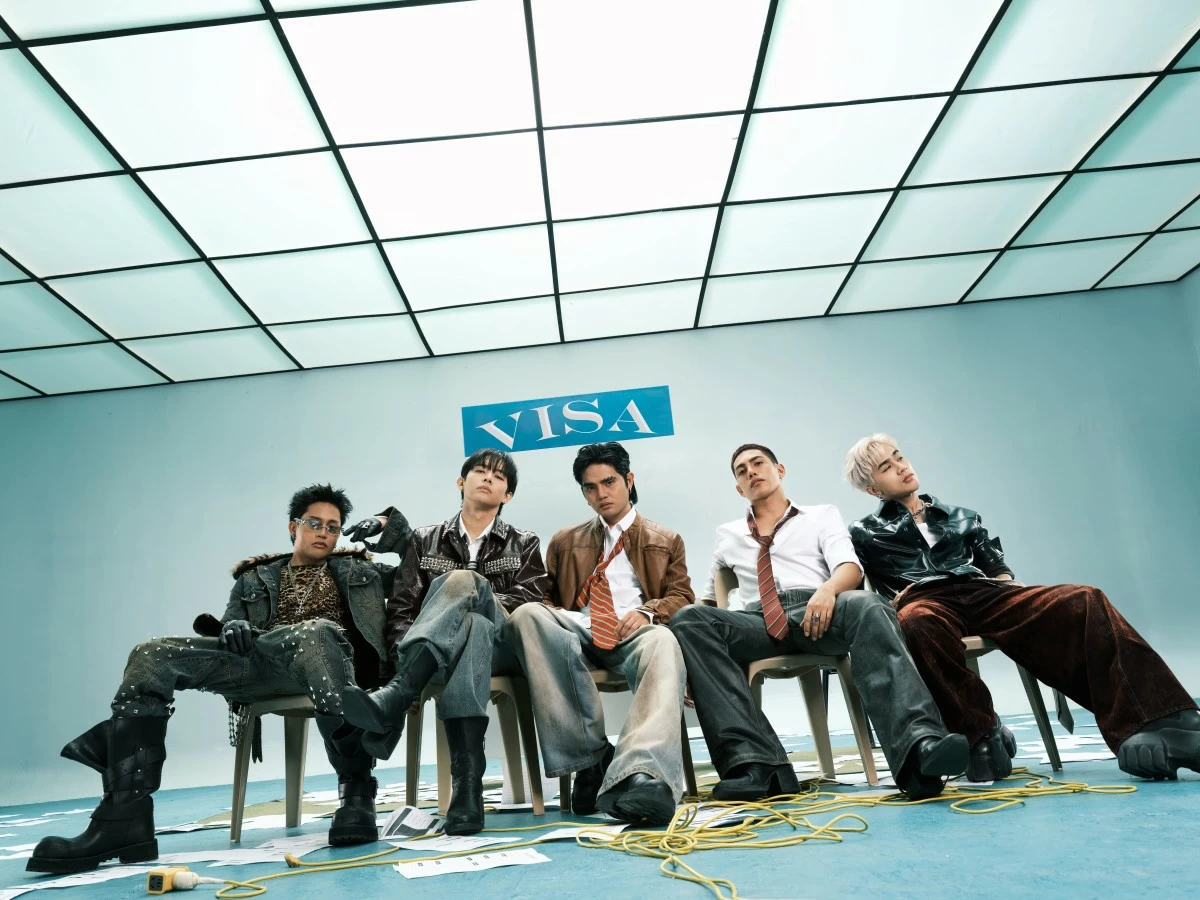
SB19 (Sony Music Philippines)
Their new song shows the real experiences of Filipinos working to change culture and make a better, safer life for their families.
It shares the frustrations of Filipinos working abroad, athletes, artists, and professionals who work hard to represent the Philippines, but face unfair rules that stop them from reaching their goals.
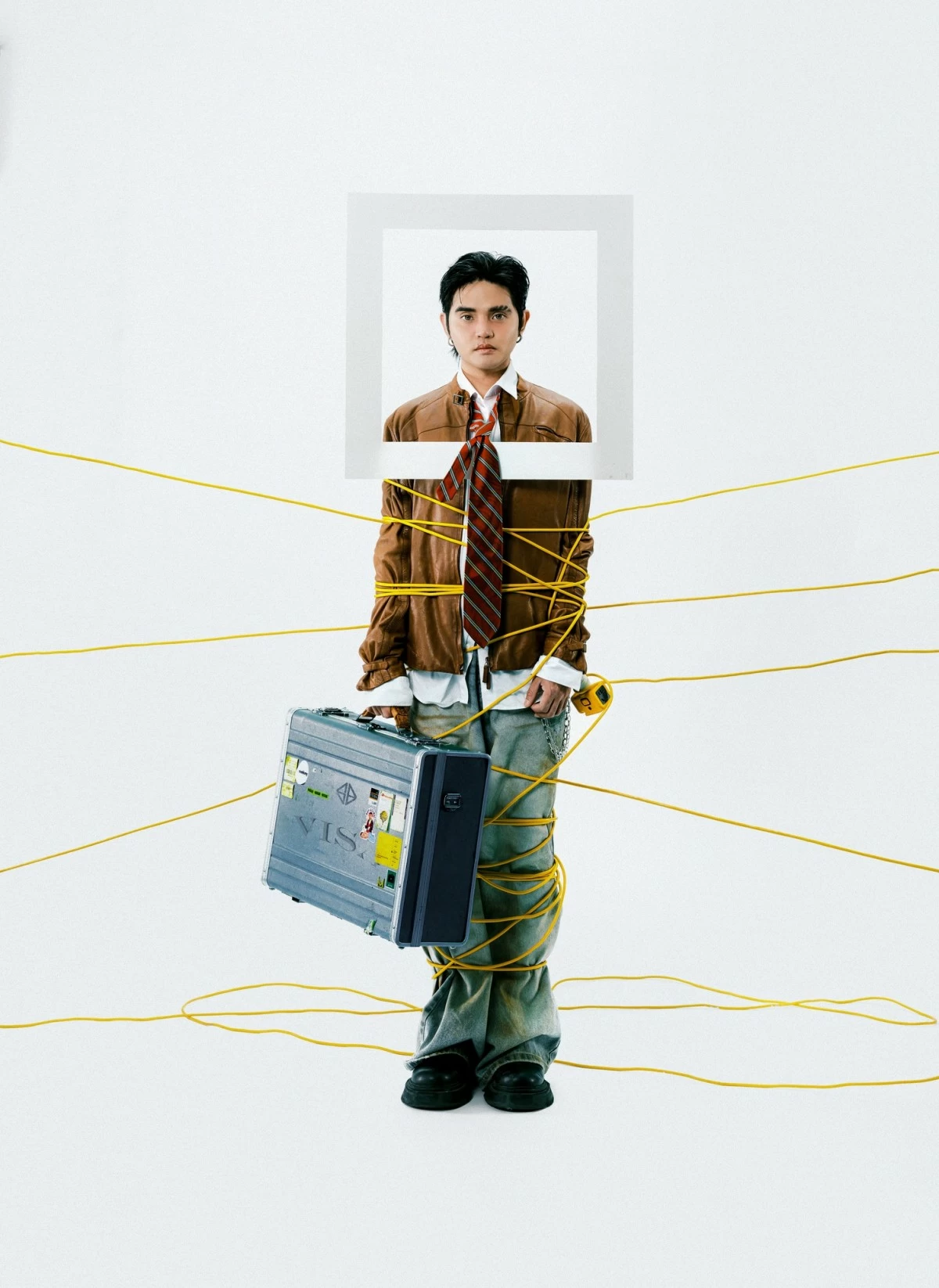
With strong, honest lyrics, the group “calls out the invisible cages that restrict opportunities” in their new song, highlighting the unfairness of how Filipinos are praised for their strength but held back by strict rules.
“This release will really define SB19’s sound, personality, and the way we present ourselves," Stell admits. "We have always been known for being vocal, but this time it is even stronger. We are addressing sensitive and current topics that people can relate to, even if not everyone agrees with us. We are ready to face any reaction. This release is very powerful and a strong way to start the year and introduce this new era."
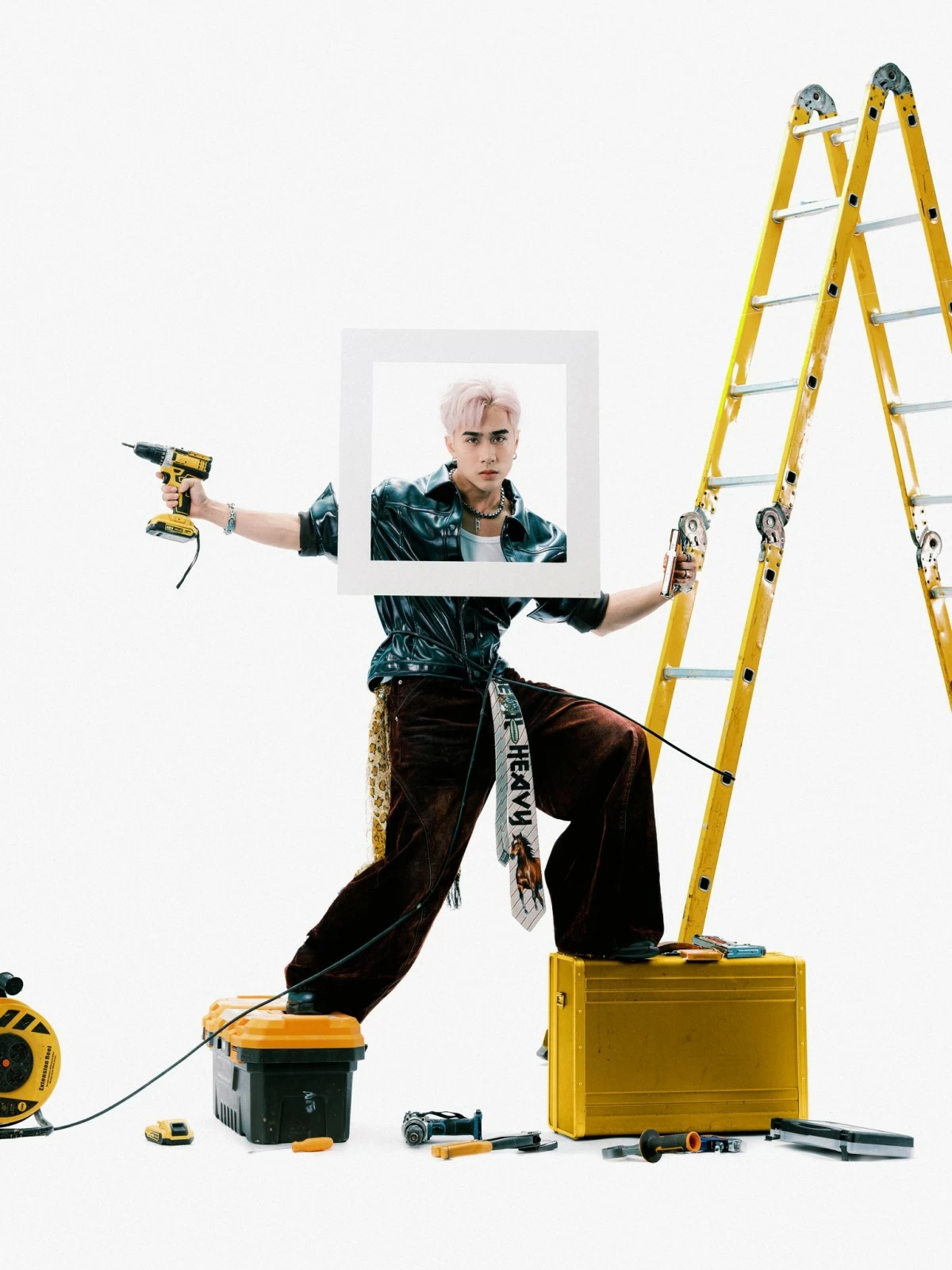
Inspired by real events and talks about visa denials for Filipino talent, SB19’s new song also comments on who gets opportunities and who does not, and the difference between what Filipinos give to the world and their ability to travel.
By focusing on these topics, SB19 turns personal and shared frustrations into a song that raises awareness and encourages people to stand up for change.
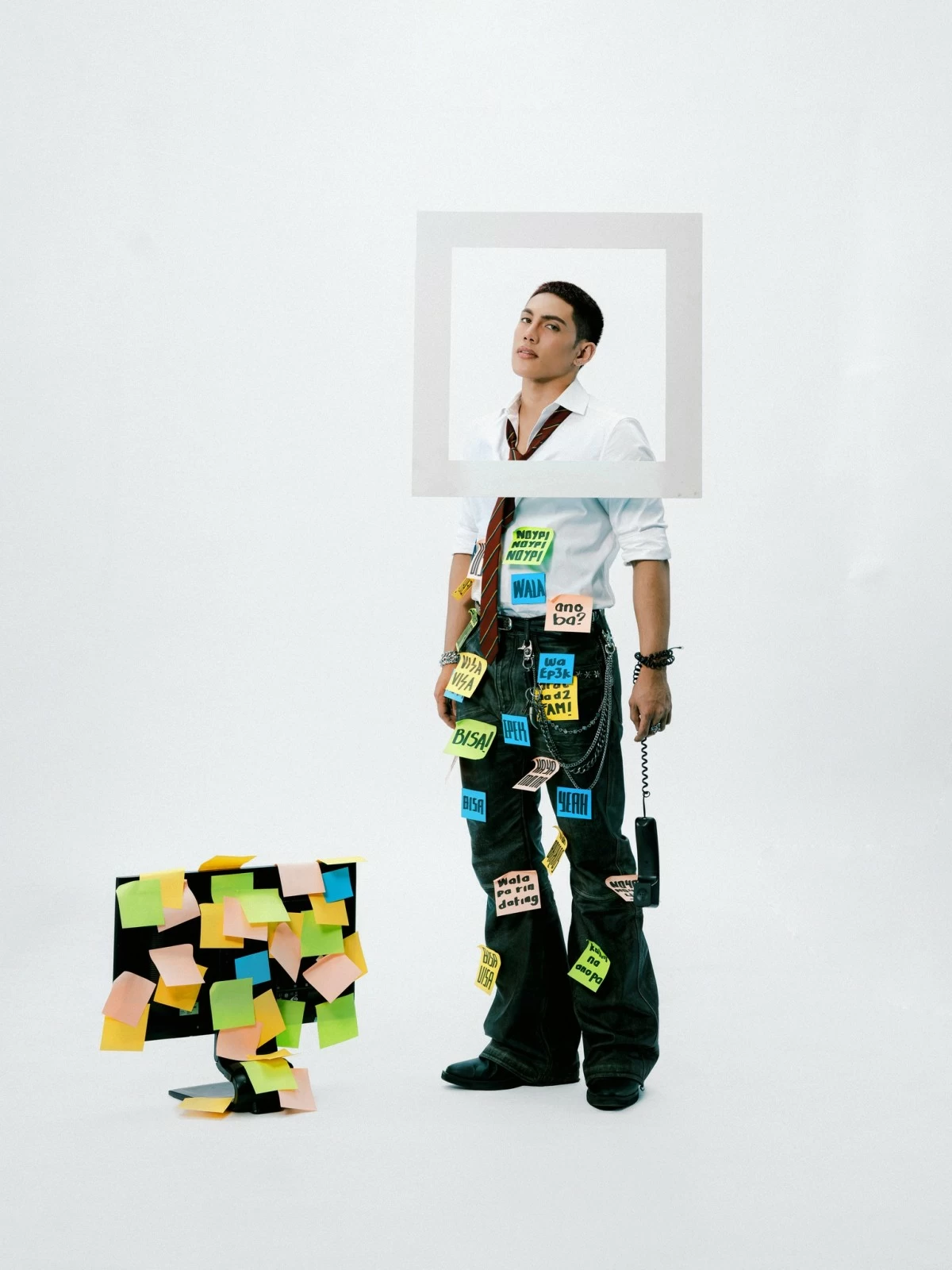
“We were very affected by visa applications during our tour,” Pablo reveals. “SB19 has been active for seven years, and we hope that songs like these can reach officials and encourage laws that make it easier for athletes, artists, and others working overseas to access visas. This could include creative acts, producing content, or receiving rebates for spending related to the arts. This is not just an attempt to produce music, but to push Filipino culture forward. There is little support from the government, so it is important that our work can make an impact not only personally but also on a national level."

Josh shares the same frustration. He talks about how athletes also work hard to compete in other countries and make Filipinos proud.
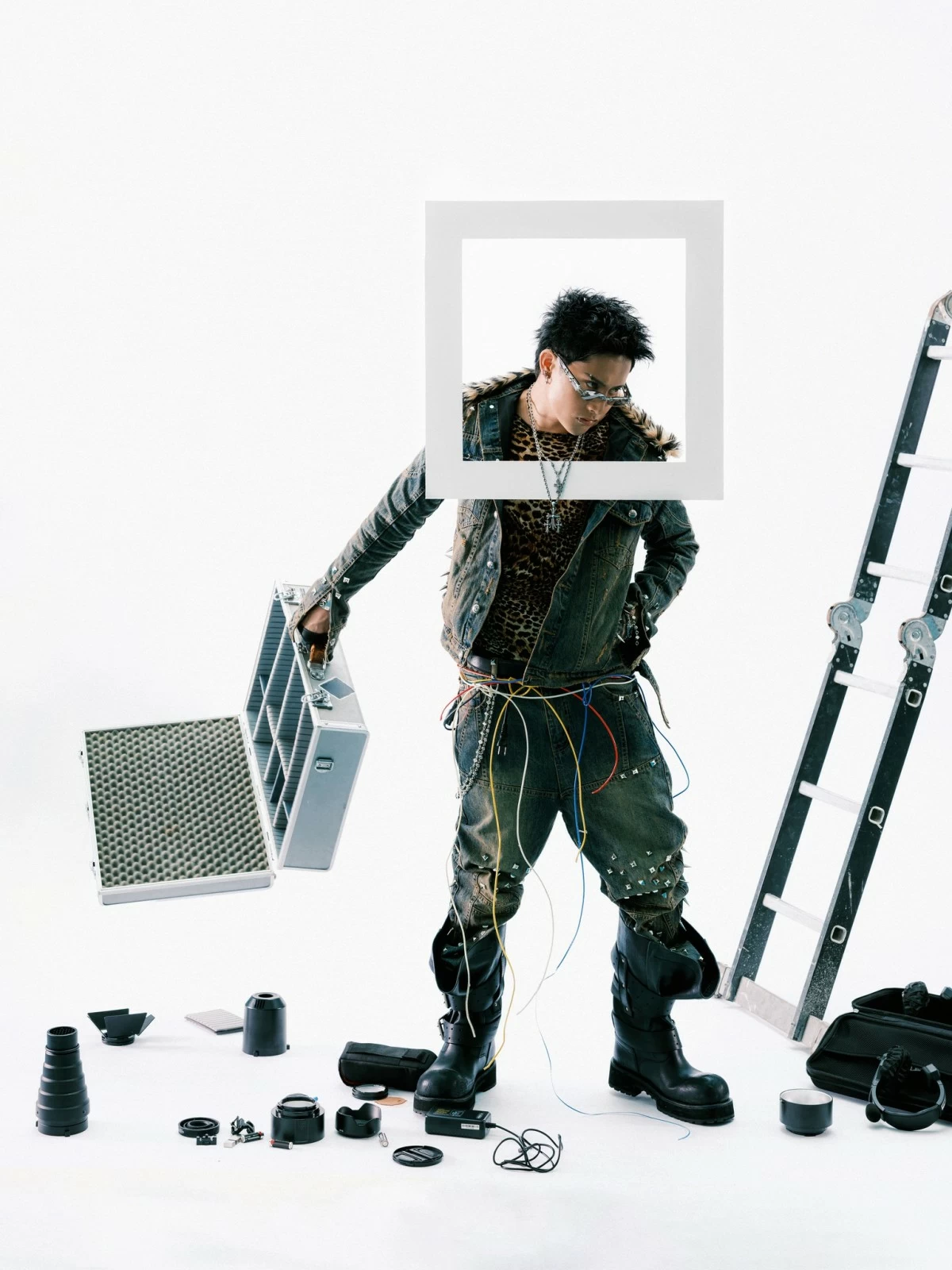
"I have always had this dream during our tour, as someone who represents the Philippines all over the world. I have also seen the struggles athletes face when representing the country. They give so much to the Philippines, but it often feels like the country does not give back. There needs to be a change."
Justin adds his thoughts on the problem and points out the message the song aims to convey.
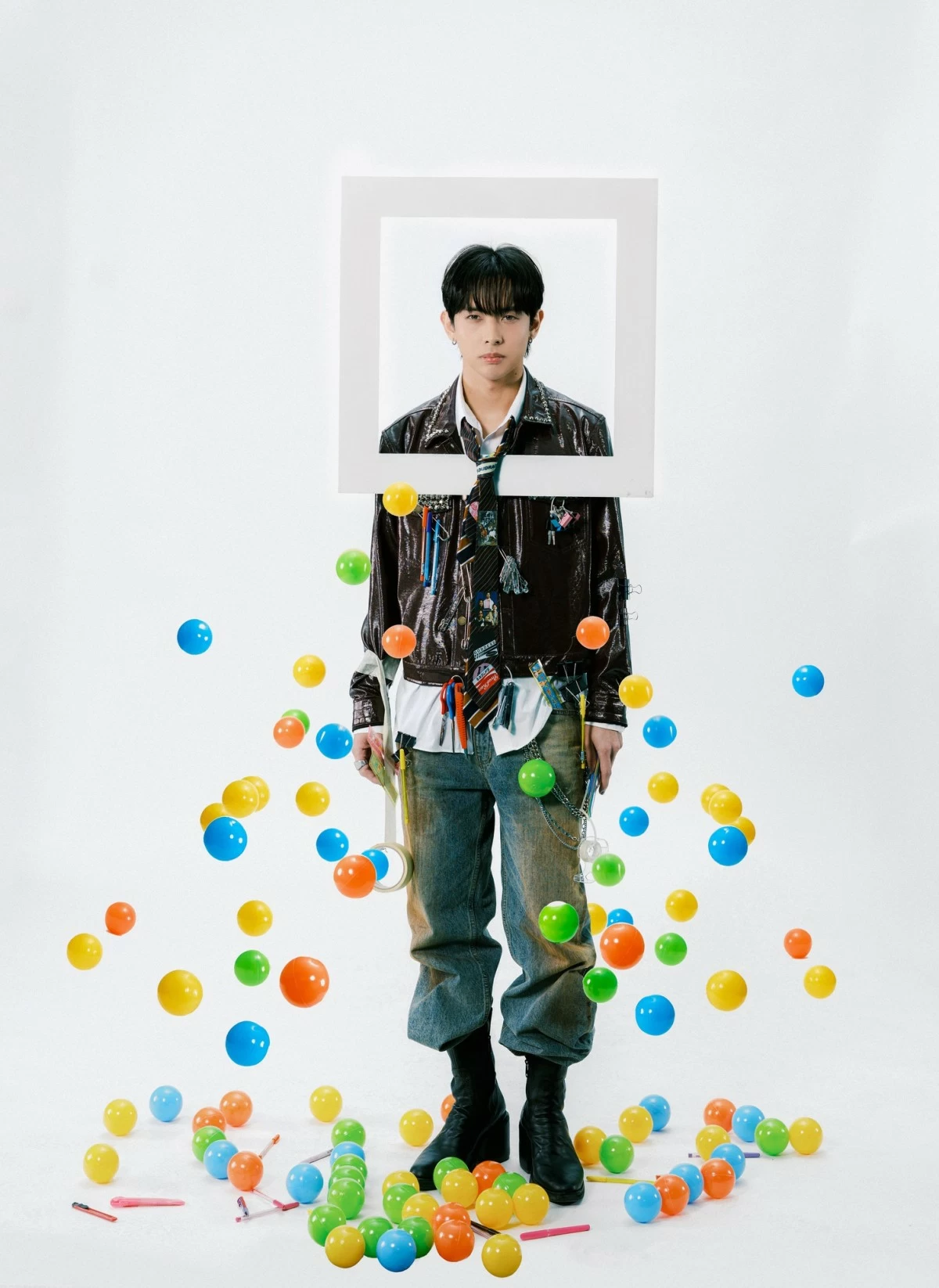
"We are highly skilled and hardworking, and we’ve significantly contributed to raising the morale of Filipinos abroad, as well as impacting the economy in positive ways. But somehow, it often feels like we are at the end of the line.”
The music of “Visa” matches its serious message. It uses strong, different sounds and brass instruments. Pablo thought of the melody during a brand campaign shoot. The song mixes humor, real-life experience, opinions, and new sounds.
Ken explains, "This song is very unconventional and unorthodox. The instruments are not the usual ones, especially the melody. It is kind of unusual, but in a good way. The melody is impactful, and the instruments we used in the track are well chosen. The percussion, ad-libs, and other elements are perfectly placed, making it a very pleasing experience for the ears."
ADVERTISEMENT
.most-popular .layout-ratio{ padding-bottom: 79.13%; } @media (min-width: 768px) and (max-width: 1024px) { .widget-title { font-size: 15px !important; } }

{{ articles_filter_1561_widget.title }}

.most-popular .layout-ratio{ padding-bottom: 79.13%; } @media (min-width: 768px) and (max-width: 1024px) { .widget-title { font-size: 15px !important; } }

{{ articles_filter_1562_widget.title }}

.most-popular .layout-ratio{ padding-bottom: 79.13%; } @media (min-width: 768px) and (max-width: 1024px) { .widget-title { font-size: 15px !important; } }

{{ articles_filter_1563_widget.title }}

{{ articles_filter_1564_widget.title }}

.mb-article-details { position: relative; } .mb-article-details .article-body-preview, .mb-article-details .article-body-summary{ font-size: 17px; line-height: 30px; font-family: "Libre Caslon Text", serif; color: #000; } .mb-article-details .article-body-preview iframe , .mb-article-details .article-body-summary iframe{ width: 100%; margin: auto; } .read-more-background { background: linear-gradient(180deg, color(display-p3 1.000 1.000 1.000 / 0) 13.75%, color(display-p3 1.000 1.000 1.000 / 0.8) 30.79%, color(display-p3 1.000 1.000 1.000) 72.5%); position: absolute; height: 200px; width: 100%; bottom: 0; display: flex; justify-content: center; align-items: center; padding: 0; } .read-more-background a{ color: #000; } .read-more-btn { padding: 17px 45px; font-family: Inter; font-weight: 700; font-size: 18px; line-height: 16px; text-align: center; vertical-align: middle; border: 1px solid black; background-color: white; } .hidden { display: none; }
function initializeAllSwipers() { // Get all hidden inputs with cms_article_id document.querySelectorAll('[id^="cms_article_id_"]').forEach(function (input) { const cmsArticleId = input.value; const articleSelector = '#article-' + cmsArticleId + ' .body_images'; const swiperElement = document.querySelector(articleSelector); if (swiperElement && !swiperElement.classList.contains('swiper-initialized')) { new Swiper(articleSelector, { loop: true, pagination: false, navigation: { nextEl: '#article-' + cmsArticleId + ' .swiper-button-next', prevEl: '#article-' + cmsArticleId + ' .swiper-button-prev', }, }); } }); } setTimeout(initializeAllSwipers, 3000); const intersectionObserver = new IntersectionObserver( (entries) => { entries.forEach((entry) => { if (entry.isIntersecting) { const newUrl = entry.target.getAttribute("data-url"); if (newUrl) { history.pushState(null, null, newUrl); let article = entry.target; // Extract metadata const author = article.querySelector('.author-section').textContent.replace('By', '').trim(); const section = article.querySelector('.section-info ').textContent.replace(' ', ' '); const title = article.querySelector('.article-title h1').textContent; // Parse URL for Chartbeat path format const parsedUrl = new URL(newUrl, window.location.origin); const cleanUrl = parsedUrl.host + parsedUrl.pathname; // Update Chartbeat configuration if (typeof window._sf_async_config !== 'undefined') { window._sf_async_config.path = cleanUrl; window._sf_async_config.sections = section; window._sf_async_config.authors = author; } // Track virtual page view with Chartbeat if (typeof pSUPERFLY !== 'undefined' && typeof pSUPERFLY.virtualPage === 'function') { try { pSUPERFLY.virtualPage({ path: cleanUrl, title: title, sections: section, authors: author }); } catch (error) { console.error('ping error', error); } } // Optional: Update document title if (title && title !== document.title) { document.title = title; } } } }); }, { threshold: 0.1 } ); function showArticleBody(button) { const article = button.closest("article"); const summary = article.querySelector(".article-body-summary"); const body = article.querySelector(".article-body-preview"); const readMoreSection = article.querySelector(".read-more-background"); // Hide summary and read-more section summary.style.display = "none"; readMoreSection.style.display = "none"; // Show the full article body body.classList.remove("hidden"); } document.addEventListener("DOMContentLoaded", () => { let loadCount = 0; // Track how many times articles are loaded const offset = [1, 2, 3, 4, 5, 6, 7, 8, 9, 10]; // Offset values const currentUrl = window.location.pathname.substring(1); let isLoading = false; // Prevent multiple calls if (!currentUrl) { console.log("Current URL is invalid."); return; } const sentinel = document.getElementById("load-more-sentinel"); if (!sentinel) { console.log("Sentinel element not found."); return; } function isSentinelVisible() { const rect = sentinel.getBoundingClientRect(); return ( rect.top < window.innerHeight && rect.bottom >= 0 ); } function onScroll() { if (isLoading) return; if (isSentinelVisible()) { if (loadCount >= offset.length) { console.log("Maximum load attempts reached."); window.removeEventListener("scroll", onScroll); return; } isLoading = true; const currentOffset = offset[loadCount]; window.loadMoreItems().then(() => { let article = document.querySelector('#widget_1690 > div:nth-last-of-type(2) article'); intersectionObserver.observe(article) loadCount++; }).catch(error => { console.error("Error loading more items:", error); }).finally(() => { isLoading = false; }); } } window.addEventListener("scroll", onScroll); });

Sign up by email to receive news.