ADVERTISEMENT

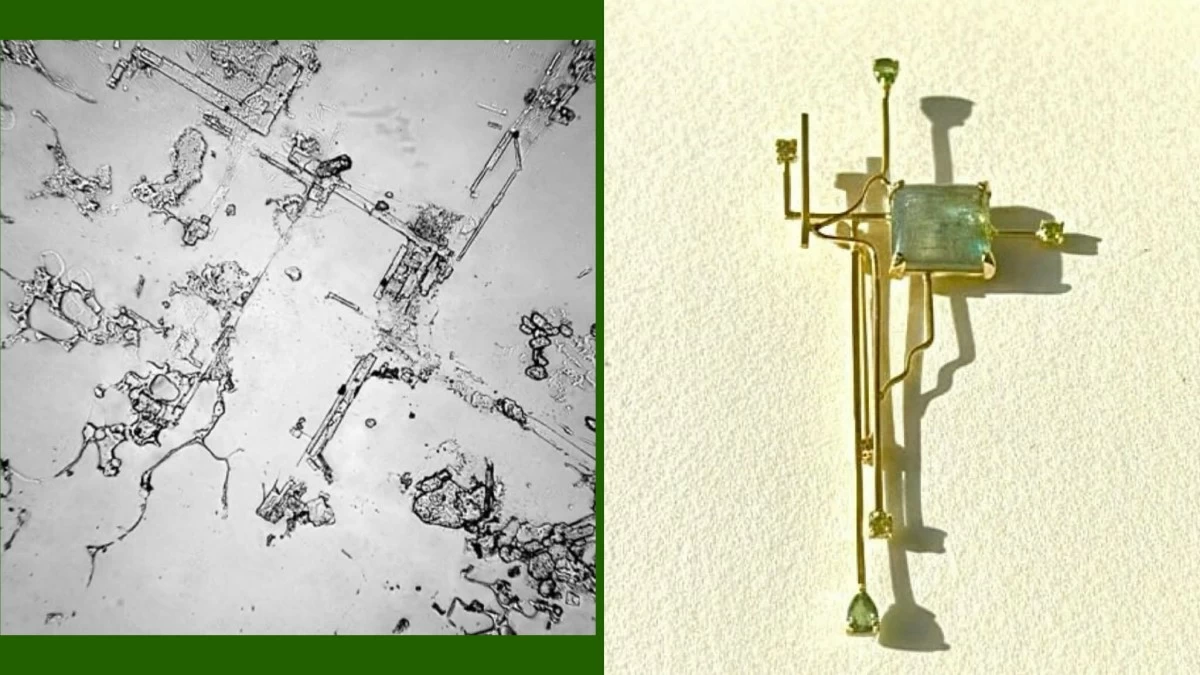
These brooches are inspired by the microscopic patterns of tears

Local jewelry brand Mjorian turns pain into statement accessories

Published Feb 20, 2026 10:40 am
Today, we are witnessing a maximalist movement when it comes to accessorizing, particularly with brooches. Fashion brands and designers, both local and international, are presenting their unique takes on the beloved piece, elevating it from a mere grandma accessory to something artful and experimental. One of the local brands that’s reimagining the brooch is homegrown jewelry brand Mjorian.
Since Mjorian’s establishment, brooches have been part of its repertoire, with the brand handcrafting wire-wrapped pieces using pearls and other gemstones that are easily sourced here in Manila. This season, the brand, led by accessories designer Marigrace Reano, is presenting the beauty of nature and human emotion.
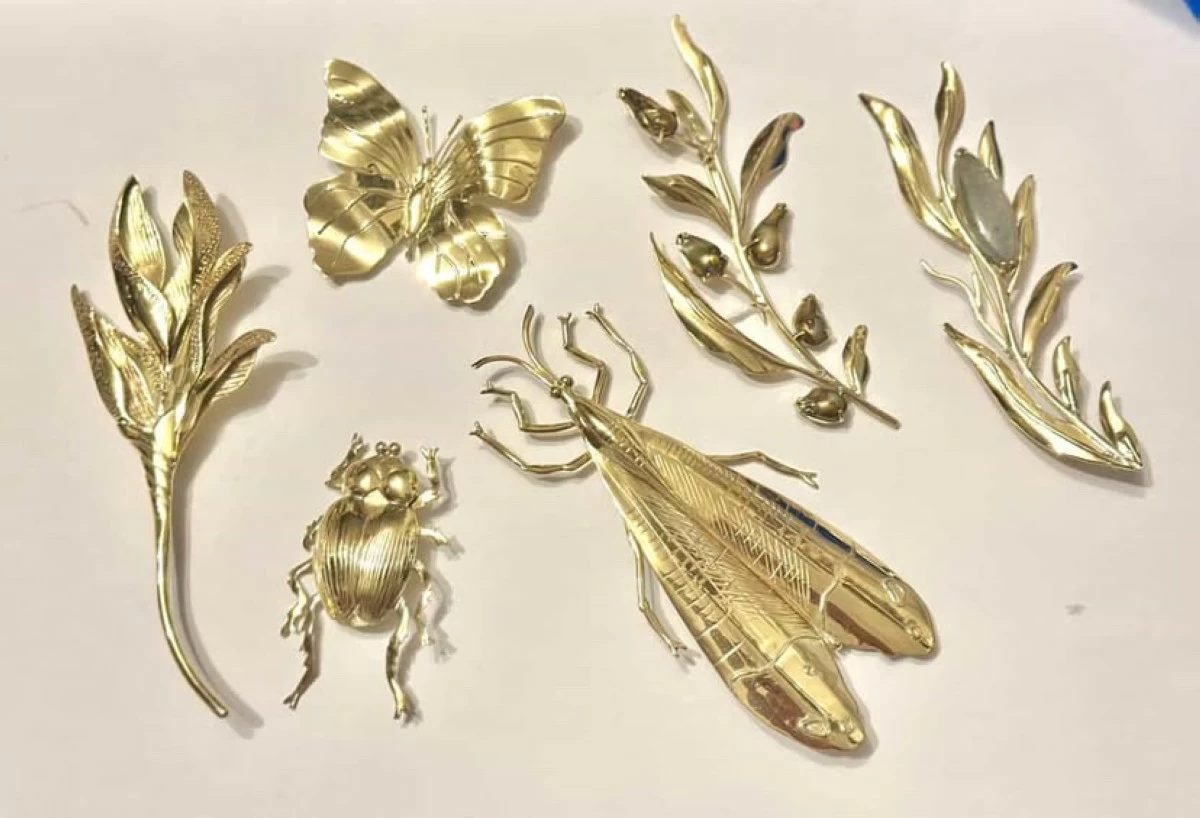
Mjorian's insect- and nature-inspired brroches (Photo from @mjorian/Instagram)
First is the brand’s line of brooches that mimics the charm of insects. Much like in its past creations, Mjorian’s work takes heavy inspiration from the natural world. The pieces showcase realistic interpretations of insects such as butterflies, beetles, mantises, and more, crafted in brass and silver.
“While my recent brooch designs center on insects, they are deeply rooted in nature as a whole,” Marigrace tells Manila Bulletin Lifestyle. “Nature is a never-ending source of inspiration for me, and it constantly offers new forms, textures, and stories, which make each piece feel organic, meaningful, and unique.”
Pieces from the brand's
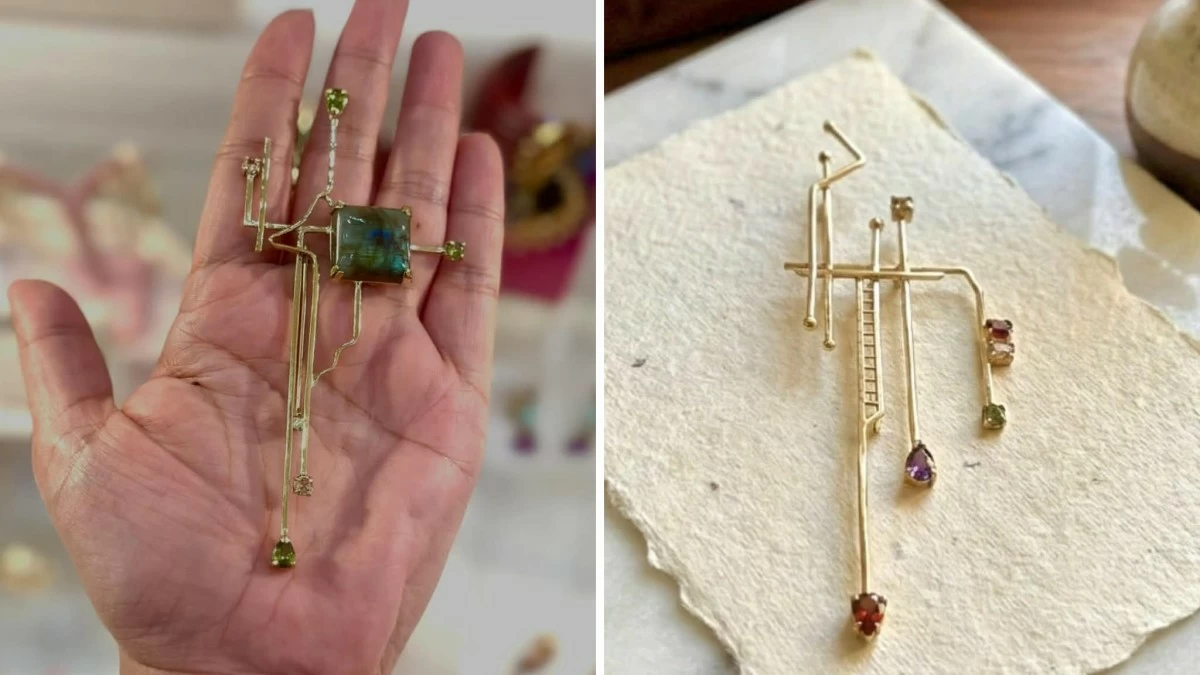
Pieces from the brand's "Dolor" collection (Photo from @mjorian/Instagram)
The brand’s second brooch line dives into tears, specifically on a microscopic level. Dubbed “Dolor,” which means “pain” or “sorrow,” the collection presents a set of brooches designed according to the microscopic patterns of tears. The collection is a testament to innovation for Marigrace, as she steps out of her usual organic and nature-inspired work and pushes herself creatively.
“They say grief is the presence of love with nowhere to land,” she says. “I became fascinated by the microscopic patterns of tears—how they differ depending on whether they are formed from joy, grief, change, or other emotions. It amazes me how our bodies reflect what we feel in such unique and intricate ways.”
“That concept reflects my brand, Mjorian, as well. Every piece is one of a kind, just like every emotion we experience,” Marigrace adds. “Each design captures a specific moment and feeling, making it both personal and expressive.”
Depending on the size and shape, it takes a minimum of two days to produce one brooch. Mjorian uses brass and silver for its pieces, but it can also use gold for special requests and commissioned work.
“My brooches are truly one of a kind and designed to be wearable, versatile, and timeless,” Marigrace muses. “They can be styled effortlessly for everyday wear or elevated for special occasions. Each piece can also be worn as a pendant or layered with necklaces, allowing you to style it in multiple ways and make it your own.”
To see the collection up close, visit Mjorian stores at Spatio in Opus Mall and Ayala Malls The 30th. For custom work, send a message to @mjorian on Instagram.

Related Tags

fashion and beauty Brooch Mjorian
ADVERTISEMENT
.most-popular .layout-ratio{ padding-bottom: 79.13%; } @media (min-width: 768px) and (max-width: 1024px) { .widget-title { font-size: 15px !important; } }

{{ articles_filter_1561_widget.title }}

.most-popular .layout-ratio{ padding-bottom: 79.13%; } @media (min-width: 768px) and (max-width: 1024px) { .widget-title { font-size: 15px !important; } }

{{ articles_filter_1562_widget.title }}

.most-popular .layout-ratio{ padding-bottom: 79.13%; } @media (min-width: 768px) and (max-width: 1024px) { .widget-title { font-size: 15px !important; } }

{{ articles_filter_1563_widget.title }}

{{ articles_filter_1564_widget.title }}

.mb-article-details { position: relative; } .mb-article-details .article-body-preview, .mb-article-details .article-body-summary{ font-size: 17px; line-height: 30px; font-family: "Libre Caslon Text", serif; color: #000; } .mb-article-details .article-body-preview iframe , .mb-article-details .article-body-summary iframe{ width: 100%; margin: auto; } .read-more-background { background: linear-gradient(180deg, color(display-p3 1.000 1.000 1.000 / 0) 13.75%, color(display-p3 1.000 1.000 1.000 / 0.8) 30.79%, color(display-p3 1.000 1.000 1.000) 72.5%); position: absolute; height: 200px; width: 100%; bottom: 0; display: flex; justify-content: center; align-items: center; padding: 0; } .read-more-background a{ color: #000; } .read-more-btn { padding: 17px 45px; font-family: Inter; font-weight: 700; font-size: 18px; line-height: 16px; text-align: center; vertical-align: middle; border: 1px solid black; background-color: white; } .hidden { display: none; }
function initializeAllSwipers() { // Get all hidden inputs with cms_article_id document.querySelectorAll('[id^="cms_article_id_"]').forEach(function (input) { const cmsArticleId = input.value; const articleSelector = '#article-' + cmsArticleId + ' .body_images'; const swiperElement = document.querySelector(articleSelector); if (swiperElement && !swiperElement.classList.contains('swiper-initialized')) { new Swiper(articleSelector, { loop: true, pagination: false, navigation: { nextEl: '#article-' + cmsArticleId + ' .swiper-button-next', prevEl: '#article-' + cmsArticleId + ' .swiper-button-prev', }, }); } }); } setTimeout(initializeAllSwipers, 3000); const intersectionObserver = new IntersectionObserver( (entries) => { entries.forEach((entry) => { if (entry.isIntersecting) { const newUrl = entry.target.getAttribute("data-url"); if (newUrl) { history.pushState(null, null, newUrl); let article = entry.target; // Extract metadata const author = article.querySelector('.author-section').textContent.replace('By', '').trim(); const section = article.querySelector('.section-info ').textContent.replace(' ', ' '); const title = article.querySelector('.article-title h1').textContent; // Parse URL for Chartbeat path format const parsedUrl = new URL(newUrl, window.location.origin); const cleanUrl = parsedUrl.host + parsedUrl.pathname; // Update Chartbeat configuration if (typeof window._sf_async_config !== 'undefined') { window._sf_async_config.path = cleanUrl; window._sf_async_config.sections = section; window._sf_async_config.authors = author; } // Track virtual page view with Chartbeat if (typeof pSUPERFLY !== 'undefined' && typeof pSUPERFLY.virtualPage === 'function') { try { pSUPERFLY.virtualPage({ path: cleanUrl, title: title, sections: section, authors: author }); } catch (error) { console.error('ping error', error); } } // Optional: Update document title if (title && title !== document.title) { document.title = title; } } } }); }, { threshold: 0.1 } ); function showArticleBody(button) { const article = button.closest("article"); const summary = article.querySelector(".article-body-summary"); const body = article.querySelector(".article-body-preview"); const readMoreSection = article.querySelector(".read-more-background"); // Hide summary and read-more section summary.style.display = "none"; readMoreSection.style.display = "none"; // Show the full article body body.classList.remove("hidden"); } document.addEventListener("DOMContentLoaded", () => { let loadCount = 0; // Track how many times articles are loaded const offset = [1, 2, 3, 4, 5, 6, 7, 8, 9, 10]; // Offset values const currentUrl = window.location.pathname.substring(1); let isLoading = false; // Prevent multiple calls if (!currentUrl) { console.log("Current URL is invalid."); return; } const sentinel = document.getElementById("load-more-sentinel"); if (!sentinel) { console.log("Sentinel element not found."); return; } function isSentinelVisible() { const rect = sentinel.getBoundingClientRect(); return ( rect.top < window.innerHeight && rect.bottom >= 0 ); } function onScroll() { if (isLoading) return; if (isSentinelVisible()) { if (loadCount >= offset.length) { console.log("Maximum load attempts reached."); window.removeEventListener("scroll", onScroll); return; } isLoading = true; const currentOffset = offset[loadCount]; window.loadMoreItems().then(() => { let article = document.querySelector('#widget_1690 > div:nth-last-of-type(2) article'); intersectionObserver.observe(article) loadCount++; }).catch(error => { console.error("Error loading more items:", error); }).finally(() => { isLoading = false; }); } } window.addEventListener("scroll", onScroll); });

Sign up by email to receive news.