






Manila Bulletin
 Environment and Sustainability
Protecting what makes us worth visiting: The long view on Philippine tourism
Environment and Sustainability
Protecting what makes us worth visiting: The long view on Philippine tourism
Environment and Sustainability
Protecting what makes us worth visiting: The long view on Philippine tourism
Protecting what makes us worth visiting: The long view on Philippine tourism
Published Feb 20, 2026 12:17 pm


Philippine tourism numbers have once again drawn scrutiny this year, with targets falling short and regional competitors pulling ahead. But beyond the scoreboard is a more important question: what kind of tourism industry are we building — and what are we willing to protect to sustain it?
Respected international tourism leaders were consulted for perspective. Their responses were thoughtful, pragmatic, and focused on the long view.
Our Real Strengths
For Tony Charters, ecotourism and sustainable tourism specialist and principal of Tony Charters & Associates — as well as senior ecotourism expert for the United Nations Food and Agriculture Organization and a government-appointed board member of several World Heritage areas — the Philippines has clear competitive advantages.
He cited the country’s friendly people, strong English skills, affordability, and diversity of environments. He said the “It’s More Fun in the Philippines” campaign successfully captured much of this appeal. But he was equally clear about what matters most to travelers: safety. Whether related to past terrorism incidents, transport safety, petty crime, water quality, or health services, perceptions of risk can slow growth. Environmental management reputation also plays a major role. In today’s social media environment, negative images — particularly those involving environmental damage — can travel far and fast.
From an Australian perspective, Charters noted that Bali remains dominant largely because of long-standing awareness and reputation. The Philippines shares many similar attributes, yet Australians do not necessarily recognize this. Building credibility, he said, requires consistently developing world-class destinations across different price points.
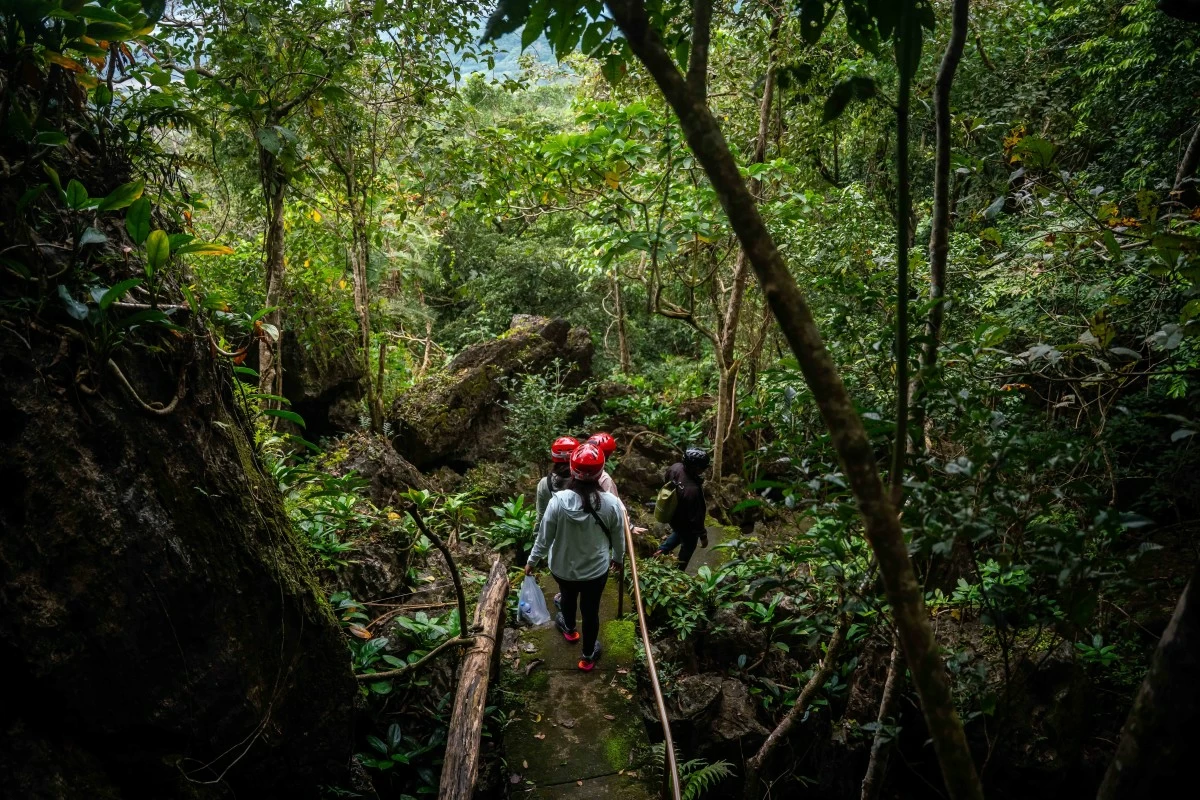
Reflecting on his visit to Masungi while assessing it for the World Travel and Tourism Council’s Tourism for Tomorrow Awards, he admitted he was initially skeptical. Seeing firsthand the innovation, safety standards, and deep conservation link changed his perception. “The Philippines could benefit from facilitating more leading examples,” he noted — recognizing this as a five- to 10-year effort, not an overnight fix.
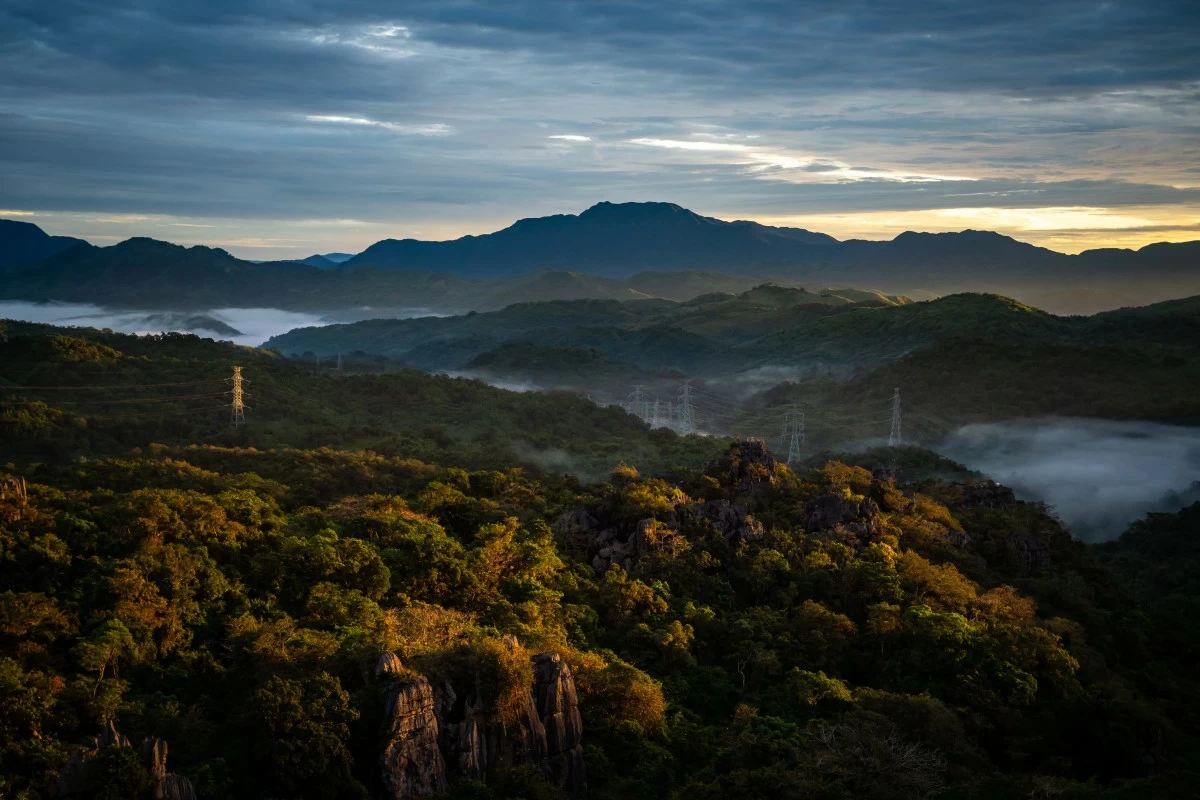
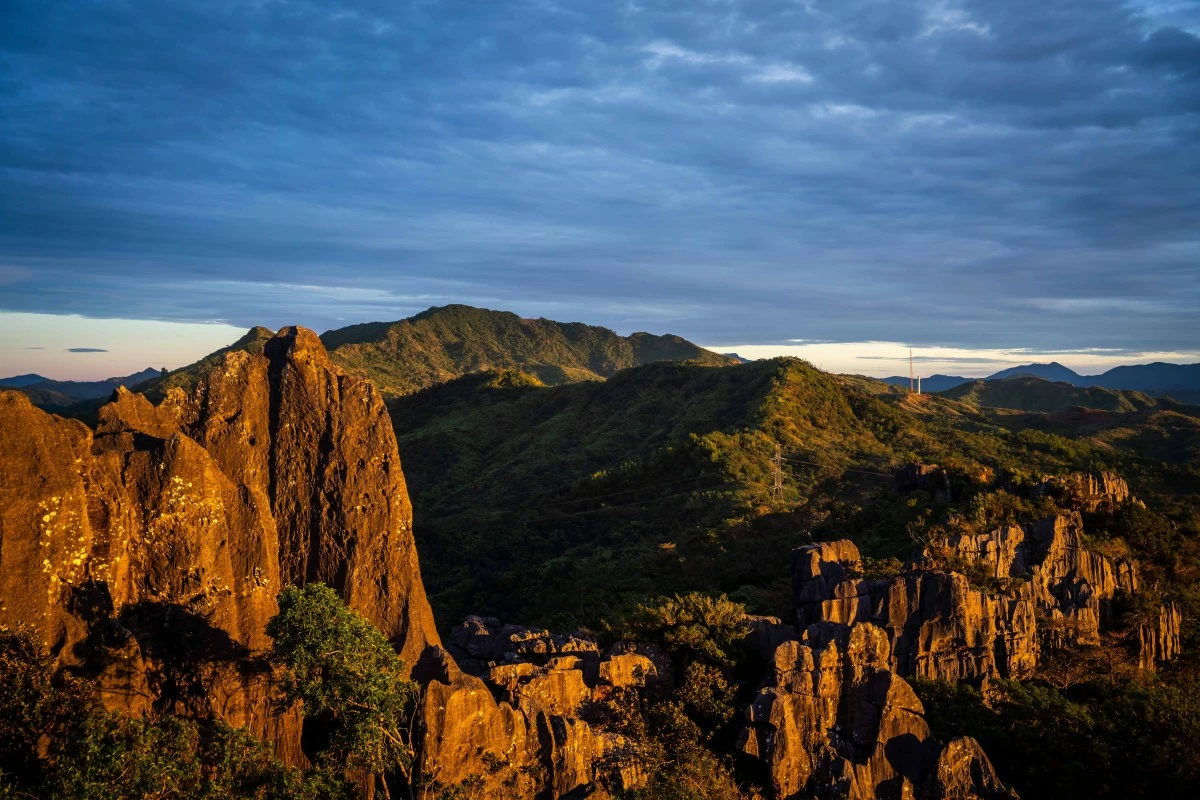
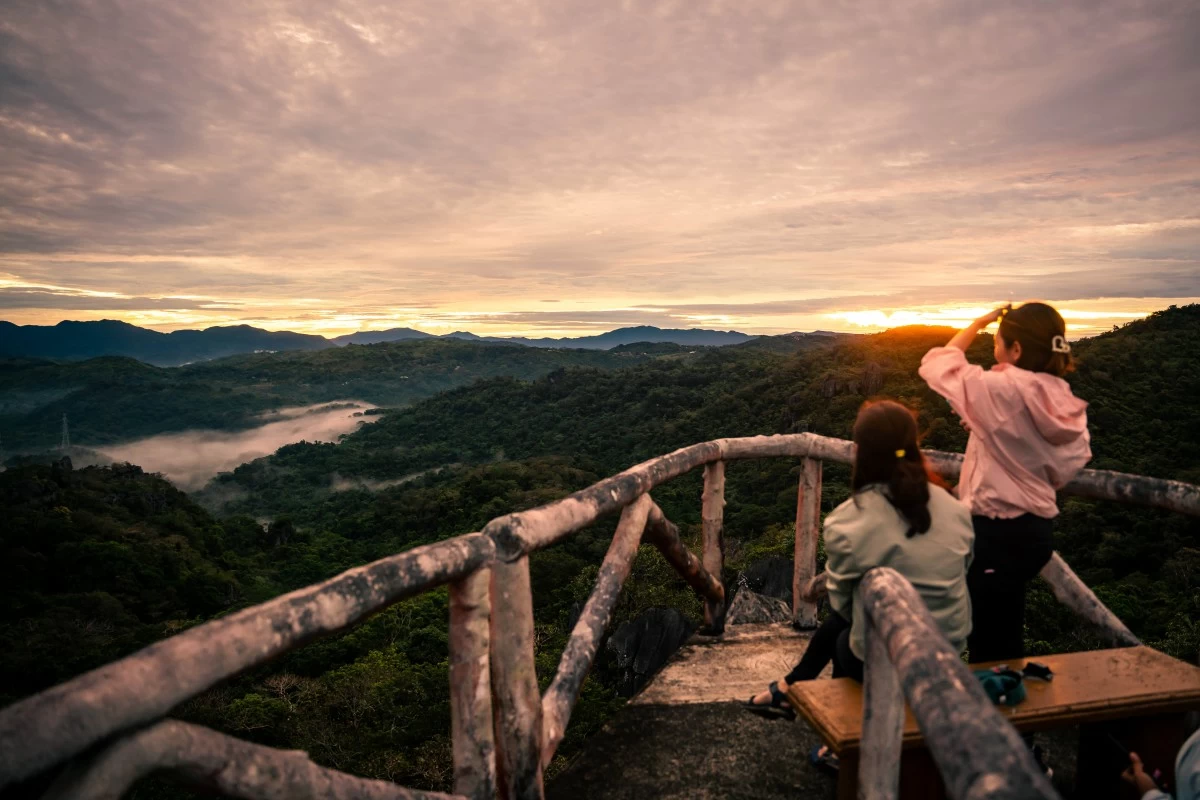
Visitors meet the sunrise at Masungi Georeserve's Sunrise Trail.
Sustainability Must Be Operational
Masaru Takayama, founder and advisor of the Asian Ecotourism Network and chairperson of the Japan Alliance of Responsible Travel Agencies, emphasized that global tourism is moving firmly toward sustainability.
He pointed to the Philippines’ pristine nature and diverse indigenous cultures as major assets. But he cautions against simply competing with other beach destinations. Cultural roots must be respected, and nature must be conserved through concrete action. While policies may exist, he noted that implementation needs improvement. Sustainability should be visible in operations: reducing single-use plastics, encouraging climate-friendly food choices, and ensuring communities are part of conservation efforts.
For markets in the Northern Hemisphere, winter warmth is an obvious advantage. But Takayama underscored that travelers increasingly expect destinations to be responsible, clean, and safe — not just beautiful.
A Question of Policy Coherence
There is also a difficult but necessary conversation.
Tourism markets the Philippines as a biodiversity-rich destination. Yet in some areas, extractive activities — from mining to industrial-scale projects in ecologically sensitive landscapes — threaten precisely the natural heritage that differentiates the country. Tourism and conservation cannot move in opposite directions.
When forests are cleared, karst formations quarried, or fragile ecosystems fragmented, the impact goes beyond biodiversity. It affects brand credibility. International travelers are paying closer attention to whether destinations genuinely protect what they promote. If policies across mining, energy, infrastructure, and tourism are not aligned, the country sends mixed signals.
If tourism is positioned as a long-term development pillar, then safeguarding irreplaceable landscapes must be non-negotiable.
Differentiation and Communication
From Europe, Arthuro Crosby, co-director of the Postgraduate Expert Program in Sustainable Destination Management and Innovation at the Universidad Complutense de Madrid, observed that the Philippines does not carry a strongly negative image, which is an advantage. However, in Spain and much of Europe, it is not yet widely known. That lack of familiarity can be a weakness, but also an opportunity to design a clearer, more strategic identity.
Crosby said the country needs stronger differentiation, more effective communication, and visible sustainability and regeneration efforts — not just messaging. He also highlighted gastronomy and smaller “micro-destinations” as underdeveloped opportunities.
Sustainability consultant and journalist Holly Tuppen shared a similar concern. She said national marketing often feels too broad and glossy. Instead of generic beach imagery, she suggested deeper storytelling — community-based tourism, cultural richness, and concrete nature restoration efforts. Clear narratives around independent travel and responsible options would make the Philippines more compelling to discerning travelers.
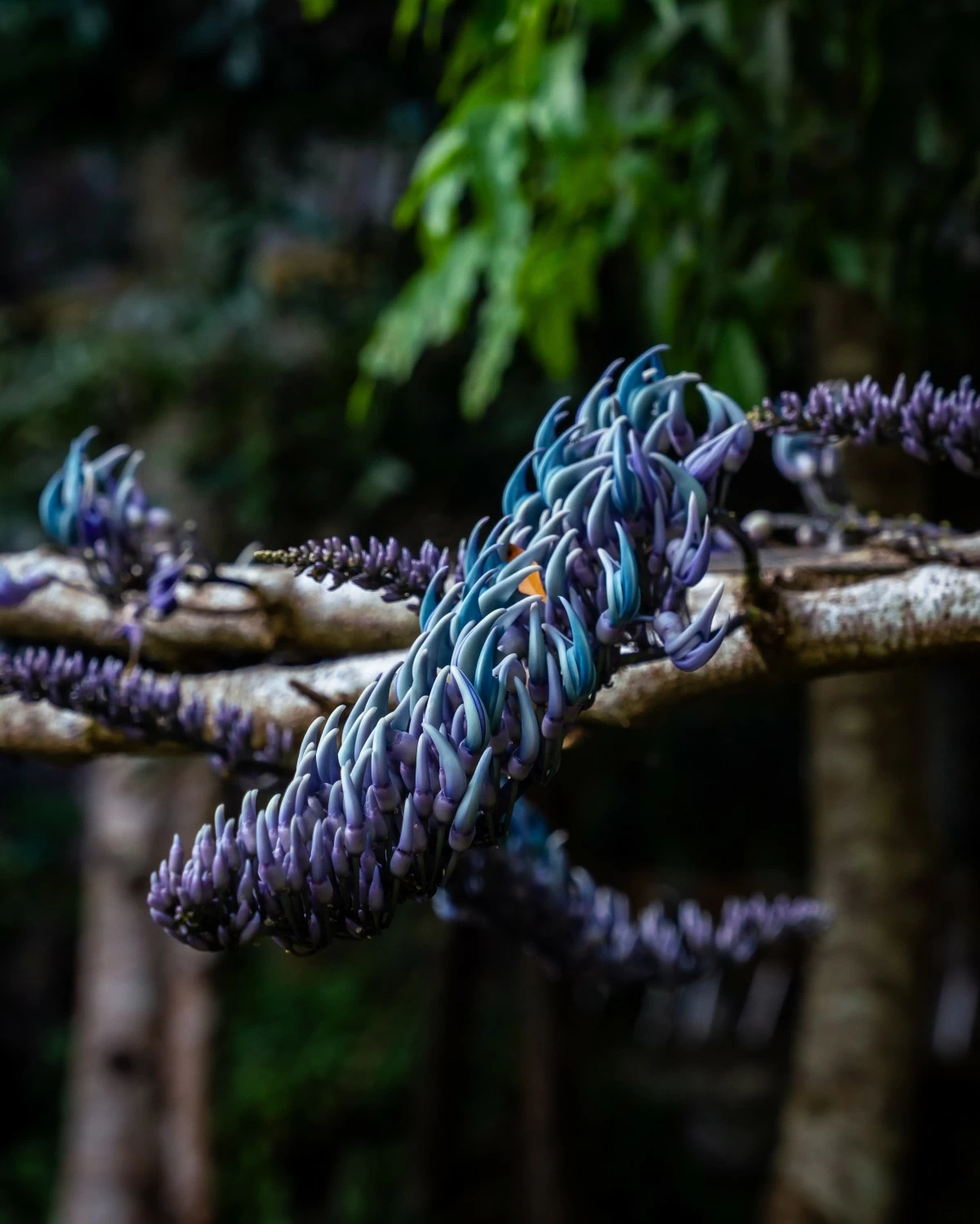
The rare and endemic JC's vine blooms like a dragon's spine on Lunar New Year.
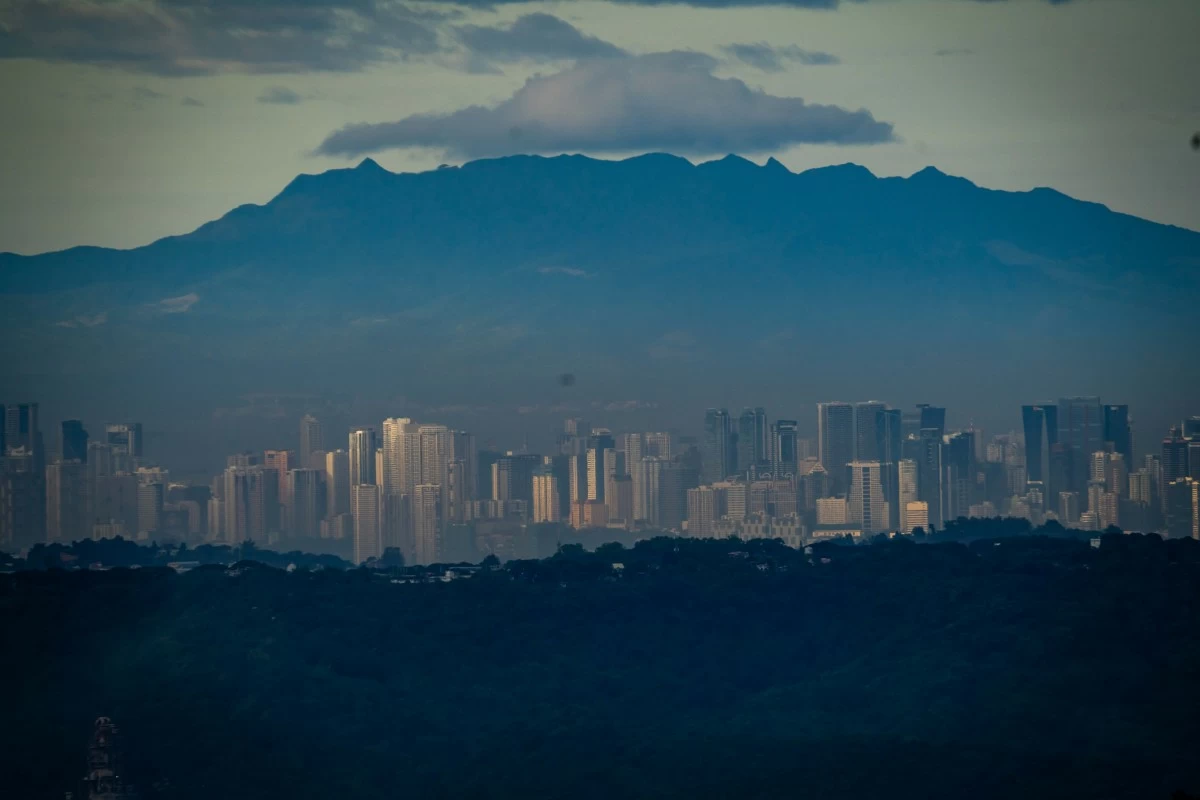
Metro Manila framed by nature — a reminder of what protects it.
The Long View
What these experts collectively suggest is not radical, but disciplined.
The Philippines’ advantage lies in its people, biodiversity, and cultural depth. But reputation depends on consistency — in safety, environmental protection, infrastructure reliability, and honest storytelling.
Tourism is not simply about increasing arrivals. It is about managing and protecting the assets that make arrivals possible. If short-term extractive gains undermine long-term natural capital, the industry weakens itself.
The challenge is not whether the Philippines can compete. It is whether the country is prepared to align its policies, investments, and narratives around a coherent vision — one where tourism strengthens conservation, communities benefit meaningfully, and the landscapes promoted remain intact for generations to come.