ADVERTISEMENT

Philippine fast-moving consumer goods spending growth seen slowing in 2026—study

Published Feb 20, 2026 04:47 pm
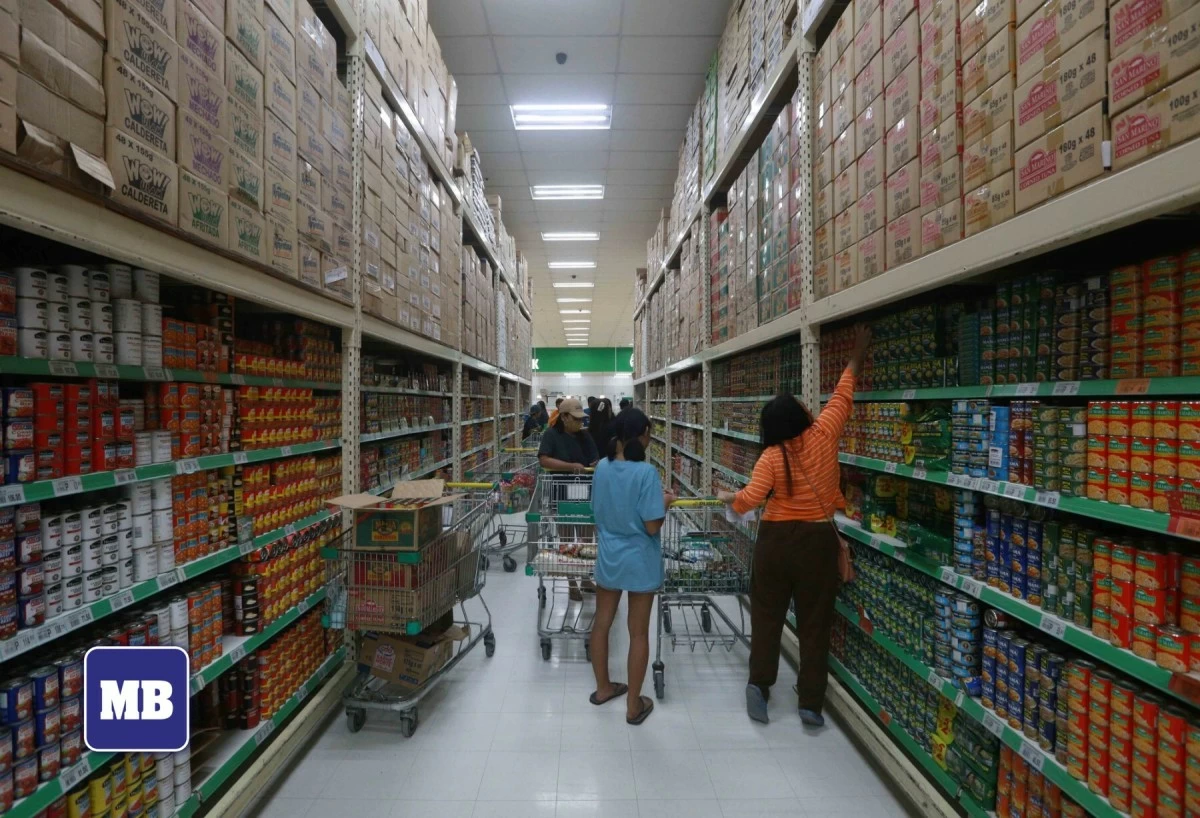
(Manila Bulletin file photo)

Consumer spending on fast-moving consumer goods (FMCG) is poised for slower growth of three to four percent this year on the back of anticipated subdued economic growth, according to a report by Worldpanel by Numerator.

Based on data from the 2026 FMCG Outlook, FMCG spending is on track to fall short of last year’s 5.2-percent growth, which exceeded the initial forecast of four to five percent.

Laurice Obana, shopper insights director at Worldpanel by Numerator, said this is among the slowest forecasts on record, as year-on-year growth typically ranges between five percent and six percent.

The slower projection was largely attributed to anticipated gross domestic product (GDP) growth of around 5.3 percent, down from an initial estimate of six percent.

In addition, prices of goods have been higher in recent months, even as the government managed to temper inflation, providing manufacturers the opportunity to finally raise prices.

It is also no secret that when prices increase, consumers often tighten their budgets by limiting their purchases to the most necessary items.

The report noted that the bulk, or 78 percent, of FMCG spending comes from the lower middle class.

Hard discount stores like Dali and O!Save, as well as e-commerce platforms, are expected to capture a larger share of such spending this year, with their growth pegged at 77 percent and 15 percent, respectively.

However, traditional channels such as supermarkets, hypermarkets, and market stalls are still seen growing, even as shoppers look for greater value and convenience when choosing where to shop.

As such, Obana said the FMCG industry must look at the potential of high-value segments to surpass the projection of slower growth.

“It is critical for FMCG players to curate their strategies to the needs of their target households to achieve growth for the long term,” she said.

For instance, Obana said companies could look at harnessing the silver market, or those aged 55 and above, to propel demand for FMCGs.

According to Worldpanel by Numerator, older shoppers spend roughly 10 percent more on average than their younger counterparts, despite accounting for only 16 percent of the population.

With their share of the country’s population projected to balloon to 34 percent by 2055, this presents an early opportunity for businesses to focus more on health and wellness products such as plant-based milk alternatives.

Another major spending segment is families with an overseas Filipino worker (OFW), who spend 25 percent more than those without a family member working abroad.

With a larger basket size, OFW families can be a key market for cross-category product bundles and bulk buying, especially since a bulk of their spending goes to large-format stores.

In addition, there is growth potential for FMCGs among households with at least one pet, which account for 67 percent, or nearly 20 million households.

Based on the report, brands may explore pet-safe products like air fresheners and multi-purpose cleaners to complement the tendency of pet owners to buy pet food at pet stores.

It also cited the growth prospects of the beauty industry, with consumers found to have been spending over ₱2,000 on average.

ADVERTISEMENT
.most-popular .layout-ratio{ padding-bottom: 79.13%; } @media (min-width: 768px) and (max-width: 1024px) { .widget-title { font-size: 15px !important; } }

{{ articles_filter_1561_widget.title }}

.most-popular .layout-ratio{ padding-bottom: 79.13%; } @media (min-width: 768px) and (max-width: 1024px) { .widget-title { font-size: 15px !important; } }

{{ articles_filter_1562_widget.title }}

.most-popular .layout-ratio{ padding-bottom: 79.13%; } @media (min-width: 768px) and (max-width: 1024px) { .widget-title { font-size: 15px !important; } }

{{ articles_filter_1563_widget.title }}

{{ articles_filter_1564_widget.title }}

.mb-article-details { position: relative; } .mb-article-details .article-body-preview, .mb-article-details .article-body-summary{ font-size: 17px; line-height: 30px; font-family: "Libre Caslon Text", serif; color: #000; } .mb-article-details .article-body-preview iframe , .mb-article-details .article-body-summary iframe{ width: 100%; margin: auto; } .read-more-background { background: linear-gradient(180deg, color(display-p3 1.000 1.000 1.000 / 0) 13.75%, color(display-p3 1.000 1.000 1.000 / 0.8) 30.79%, color(display-p3 1.000 1.000 1.000) 72.5%); position: absolute; height: 200px; width: 100%; bottom: 0; display: flex; justify-content: center; align-items: center; padding: 0; } .read-more-background a{ color: #000; } .read-more-btn { padding: 17px 45px; font-family: Inter; font-weight: 700; font-size: 18px; line-height: 16px; text-align: center; vertical-align: middle; border: 1px solid black; background-color: white; } .hidden { display: none; }
function initializeAllSwipers() { // Get all hidden inputs with cms_article_id document.querySelectorAll('[id^="cms_article_id_"]').forEach(function (input) { const cmsArticleId = input.value; const articleSelector = '#article-' + cmsArticleId + ' .body_images'; const swiperElement = document.querySelector(articleSelector); if (swiperElement && !swiperElement.classList.contains('swiper-initialized')) { new Swiper(articleSelector, { loop: true, pagination: false, navigation: { nextEl: '#article-' + cmsArticleId + ' .swiper-button-next', prevEl: '#article-' + cmsArticleId + ' .swiper-button-prev', }, }); } }); } setTimeout(initializeAllSwipers, 3000); const intersectionObserver = new IntersectionObserver( (entries) => { entries.forEach((entry) => { if (entry.isIntersecting) { const newUrl = entry.target.getAttribute("data-url"); if (newUrl) { history.pushState(null, null, newUrl); let article = entry.target; // Extract metadata const author = article.querySelector('.author-section').textContent.replace('By', '').trim(); const section = article.querySelector('.section-info ').textContent.replace(' ', ' '); const title = article.querySelector('.article-title h1').textContent; // Parse URL for Chartbeat path format const parsedUrl = new URL(newUrl, window.location.origin); const cleanUrl = parsedUrl.host + parsedUrl.pathname; // Update Chartbeat configuration if (typeof window._sf_async_config !== 'undefined') { window._sf_async_config.path = cleanUrl; window._sf_async_config.sections = section; window._sf_async_config.authors = author; } // Track virtual page view with Chartbeat if (typeof pSUPERFLY !== 'undefined' && typeof pSUPERFLY.virtualPage === 'function') { try { pSUPERFLY.virtualPage({ path: cleanUrl, title: title, sections: section, authors: author }); } catch (error) { console.error('ping error', error); } } // Optional: Update document title if (title && title !== document.title) { document.title = title; } } } }); }, { threshold: 0.1 } ); function showArticleBody(button) { const article = button.closest("article"); const summary = article.querySelector(".article-body-summary"); const body = article.querySelector(".article-body-preview"); const readMoreSection = article.querySelector(".read-more-background"); // Hide summary and read-more section summary.style.display = "none"; readMoreSection.style.display = "none"; // Show the full article body body.classList.remove("hidden"); } document.addEventListener("DOMContentLoaded", () => { let loadCount = 0; // Track how many times articles are loaded const offset = [1, 2, 3, 4, 5, 6, 7, 8, 9, 10]; // Offset values const currentUrl = window.location.pathname.substring(1); let isLoading = false; // Prevent multiple calls if (!currentUrl) { console.log("Current URL is invalid."); return; } const sentinel = document.getElementById("load-more-sentinel"); if (!sentinel) { console.log("Sentinel element not found."); return; } function isSentinelVisible() { const rect = sentinel.getBoundingClientRect(); return ( rect.top < window.innerHeight && rect.bottom >= 0 ); } function onScroll() { if (isLoading) return; if (isSentinelVisible()) { if (loadCount >= offset.length) { console.log("Maximum load attempts reached."); window.removeEventListener("scroll", onScroll); return; } isLoading = true; const currentOffset = offset[loadCount]; window.loadMoreItems().then(() => { let article = document.querySelector('#widget_1690 > div:nth-last-of-type(2) article'); intersectionObserver.observe(article) loadCount++; }).catch(error => { console.error("Error loading more items:", error); }).finally(() => { isLoading = false; }); } } window.addEventListener("scroll", onScroll); });

Sign up by email to receive news.