






Manila Bulletin
 Philippines
National
PCSO turns over 5 ultra-portable AI X-ray units to Philippine Navy
Philippines
National
PCSO turns over 5 ultra-portable AI X-ray units to Philippine Navy
Philippines
National
PCSO turns over 5 ultra-portable AI X-ray units to Philippine Navy
PCSO turns over 5 ultra-portable AI X-ray units to Philippine Navy
By Jel Santos
Published Feb 20, 2026 12:23 pm


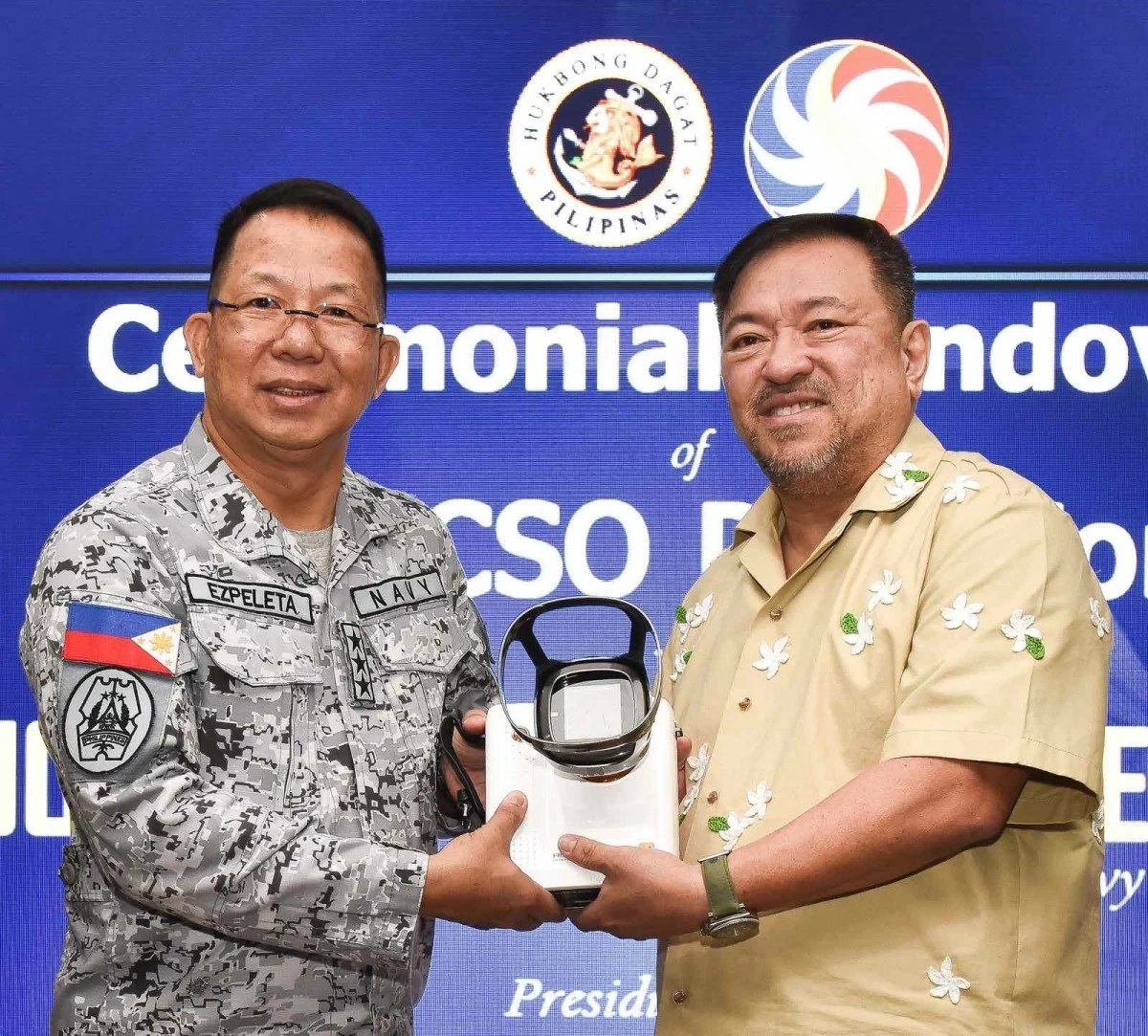
AI AT SEA—PCSO General Manager Mel Robles presents an ultra-modern portable AI X-ray unit to Vice Admiral Jose Ma. Ambrosio Ezpeleta during a recent turnover ceremony at the Philippine Navy headquarters in Manila. (PHOTO: PCSO)
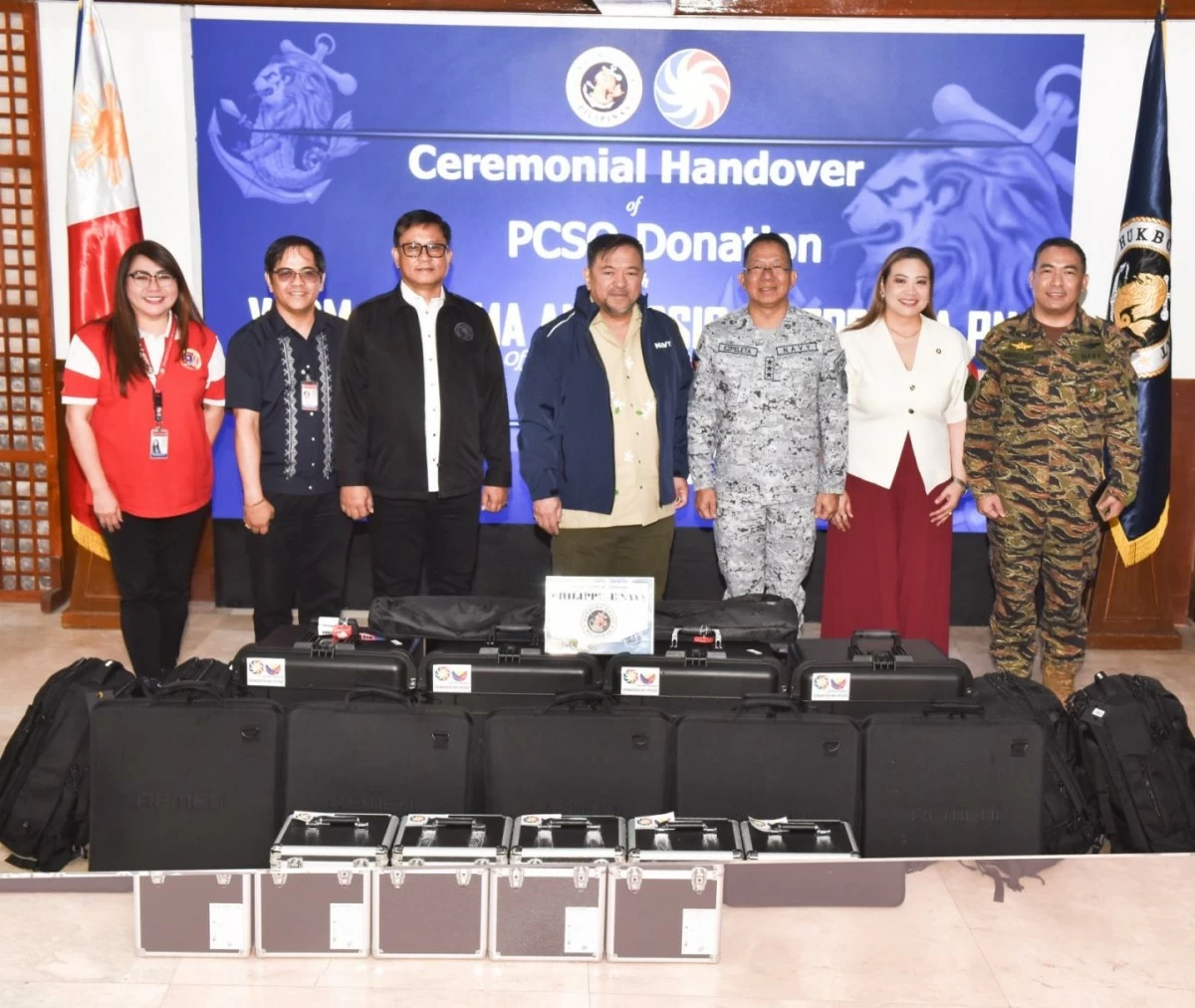
The Philippine Charity Sweepstakes Office (PCSO) has officially turned over five battery-operated, ultra-portable AI X-ray units to the Philippine Navy (PN) for use in its medical operations.
The ceremonial handover was led by PCSO General Manager Melquiades Robles and received by Vice Admiral Jose Ma. Ambrosio Ezpeleta on behalf of the Navy.
“These units aren’t just gadgets; they are lifesavers designed to go wherever the Navy goes—from remote outposts to the middle of the sea,” Robles said in a statement.
According to the PCSO, the units weigh 2.4 kilograms each and are designed for field deployment without the need for the extensive infrastructure required by conventional X-ray machines.
The agency said the equipment is intended for emergency use aboard sea-borne vessels and is equipped with built-in artificial intelligence capable of providing real-time diagnostic insights.
(PHOTO: PCSO)
“The portable X-Rays also do not rely on fixed power source, ensuring medical readiness even in the most isolated maritime environments,” the PCSO added.
The PCSO noted that the PN serves as the Armed Forces of the Philippines’ (AFP) naval warfare arm, tasked with safeguarding maritime interests and supporting national defense and humanitarian operations.
Robles said the donation was funded under the Medical Equipment Donation Program (MEDP) and made possible through revenues generated from PCSO gaming products.
“At PCSO, every peso has a purpose. We are prioritizing partnerships that save lives in remote areas. This is the first of its kind in the entire AFP, and it ensures our sailors and marines have top-tier diagnostics even in the middle of the ocean,” he said.
For his part, Vice Admiral Jose Ma. Ambrosio Ezpeleta said the units would enhance the Navy’s disaster response and combat casualty care capabilities, allowing diagnostic procedures to be conducted aboard vessels and reducing the need for medical evacuation.