







How cursive writing is reclaiming its place in a digital world
Published Feb 20, 2026 04:25 pm


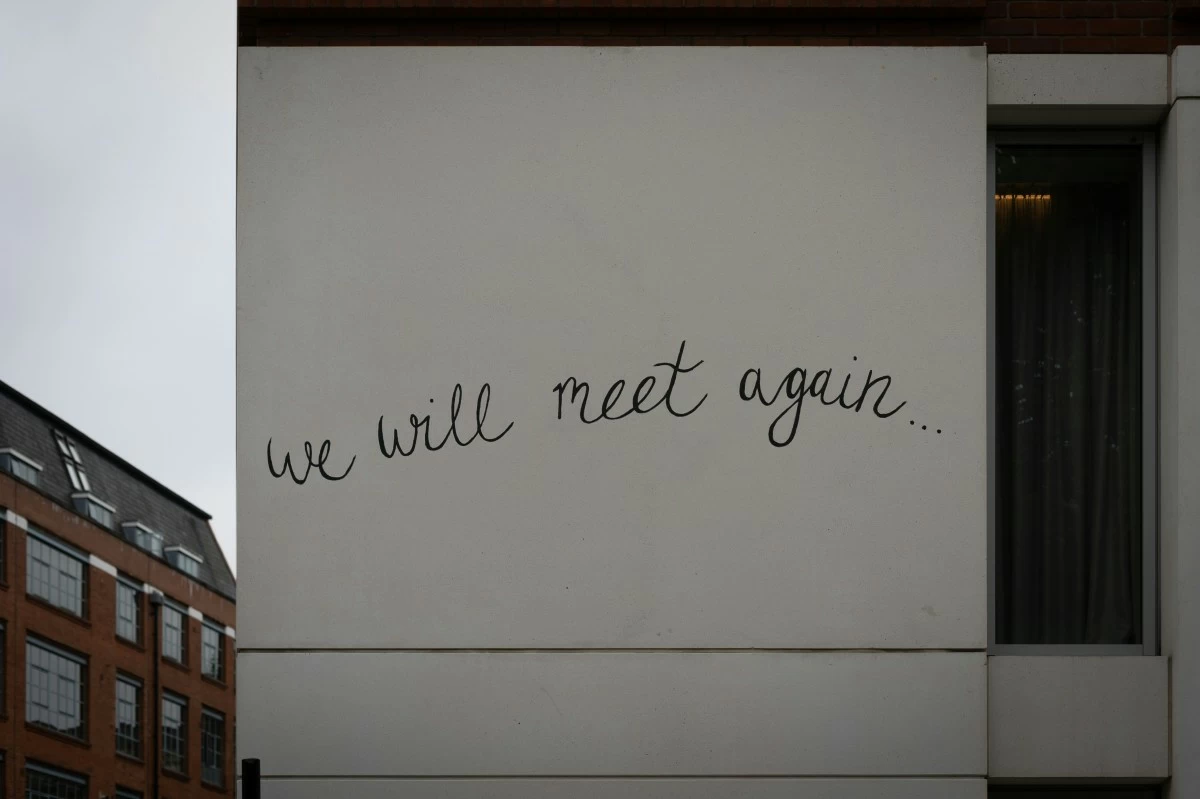
Why learning cursive writing in the age of screens can build discipline, creativity, and deeper personal connections (Unsplash)
The year 2026 is shaping up to be a surprising comeback story for handwritten letters. Snail mail, once dismissed as outdated, is slowly finding its way back into mainstream culture through journaling communities, pen pal clubs, and aesthetic desk setups on social media. Ironically, as interest in letter writing grows, fewer young people can read or write in cursive.
In the United States, cursive was removed from the required Common Core Standards during a major shift toward digital learning, prompting many schools to stop formally teaching it. A similar trend has quietly unfolded in the Philippines, where keyboards and touchscreens have largely replaced notebooks and penmanship drills. For a generation raised on screens, cursive can feel like a foreign language.
But for calligrapher and engraving artist Sheils Torralba that is exactly why it matters.
“In today’s digital world, everyone is into typing and using their phones,” she tells Manila Bulletin Lifestyle. “But there is a more personal touch when you create something with your hands.”
For her, cursive writing and calligraphy are not just decorative skills. They are forms of self expression. She describes calligraphy as an elegant way of writing that reflects one’s personality. Unlike digital text that can be copied, pasted, and mass produced, a handwritten piece carries intention.
“When you give someone something handwritten, that item was meant for them,” she explains. “You cannot replicate that exact same thing. It carries your effort and your character.”
She believes that is why many young people are rediscovering journaling. Beyond aesthetics, writing by hand offers mindfulness. In a world of endless notifications, sitting down with pen and paper becomes a quiet ritual. Studies have also shown that writing things down improves retention. Sheils agrees from experience.
“When you write something, you remember it better. You know you wrote it. It is different from typing a reminder on your phone and forgetting if you actually saved it,” she says.
Discipline in every stroke
While many people casually refer to beautiful handwriting as calligraphy, Sheils is quick to point out the difference between lettering and calligraphy. Lettering, she says, is something anyone can do because everyone can write. Calligraphy, however, has structure.
“It has uniform strokes and specific angles. There is discipline to it,” she explains. “It is not just about having nice handwriting. You have to study the form.”
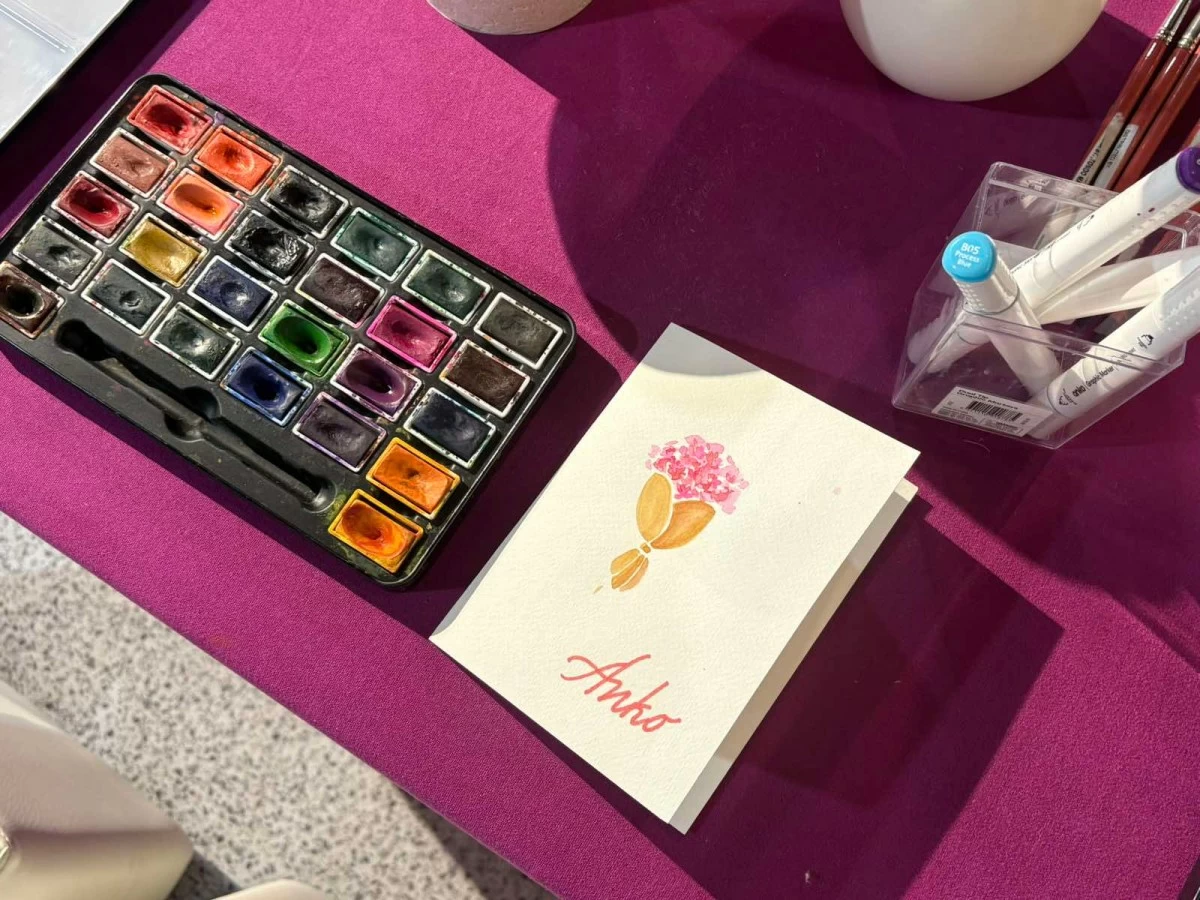
Card making at Anko
She describes seeing letters not simply as characters but as shapes made of ascending and descending loops. Even posture matters. In formal training, students are taught how to sit properly, how to position their forearm, and how to rest their feet to avoid strain during long practice sessions.
“It builds patience,” Sheils says. “There is math to it. There is structure. You learn to slow down.”
That patience extends beyond art. Sheils admits she once gave up after two years because she was in a hurry to match the output of her teachers. It took time for her to understand that mastery does not happen overnight.
“You cannot fast forward skill,” she says. “If you give up, you will not see the improvement.”
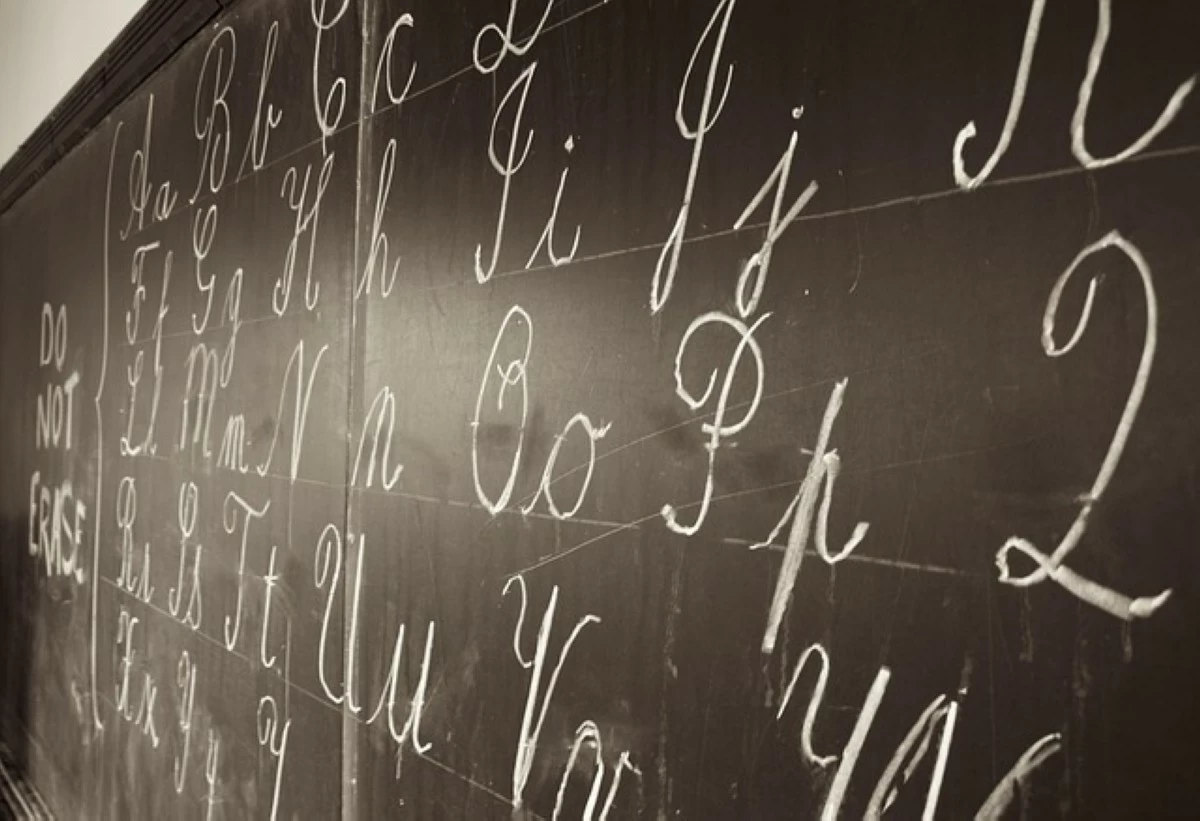
Cursive writing is slowly making its comeback (Pexel)
A foundation for creativity
For Sheils, calligraphy became the foundation of a creative career built on personalization. Since she was young, she preferred making gifts instead of buying them. Today, she engraves and customizes items ranging from paper goods to glass, steel, and even gold.
In an age where trends move quickly and hobbies are often picked up and dropped within weeks, she encourages young people to approach calligraphy with intention. Do not compare yourself with others, find a good teacher, and learn the basics properly.
“You would be surprised how much you can improve with simple tools,” she says. Beginners do not need expensive materials. A basic nib, quality ink such as walnut or sumi ink, a pen holder, and good paper are enough to start. What matters more is consistency. She recommends dedicating at least an hour of practice daily for several months.
“The key is your discipline and how much effort you are willing to put in,” Sheils muses.
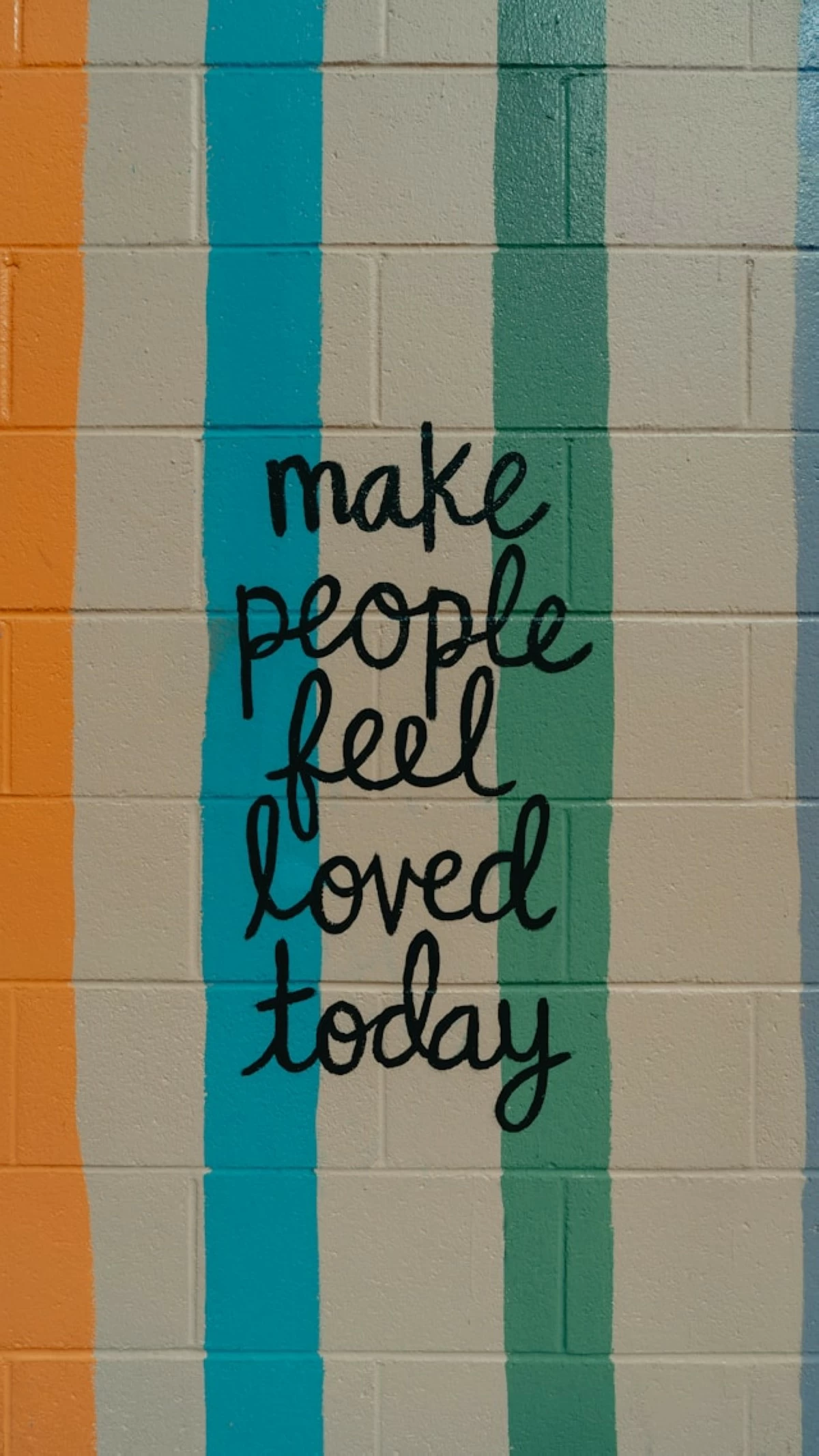
The cursive comeback (Unsplash)
More than nostalgia
So should young people still learn cursive despite the dominance of keyboards? For the calligraphy artist, the answer is clear.
Digital text can communicate ideas, but handwriting communicates presence. A printed note may deliver a message, but a handwritten letter often becomes a keepsake. It is the difference between something that can be duplicated and something that feels singular.
In a time when everything can be screenshotted and forwarded, cursive writing offers something rare. It slows you down. It demands attention. And in every loop and curve, it reminds both writer and reader that some things are still worth doing by hand.