






Manila Bulletin
 Business
The Economy
Gasoline set for first rollback of 2026 as diesel hikes persist
Business
The Economy
Gasoline set for first rollback of 2026 as diesel hikes persist
Business
The Economy
Gasoline set for first rollback of 2026 as diesel hikes persist
Gasoline set for first rollback of 2026 as diesel hikes persist
Published Feb 20, 2026 11:26 am
|
Updated Feb 20, 2026 01:27 pm


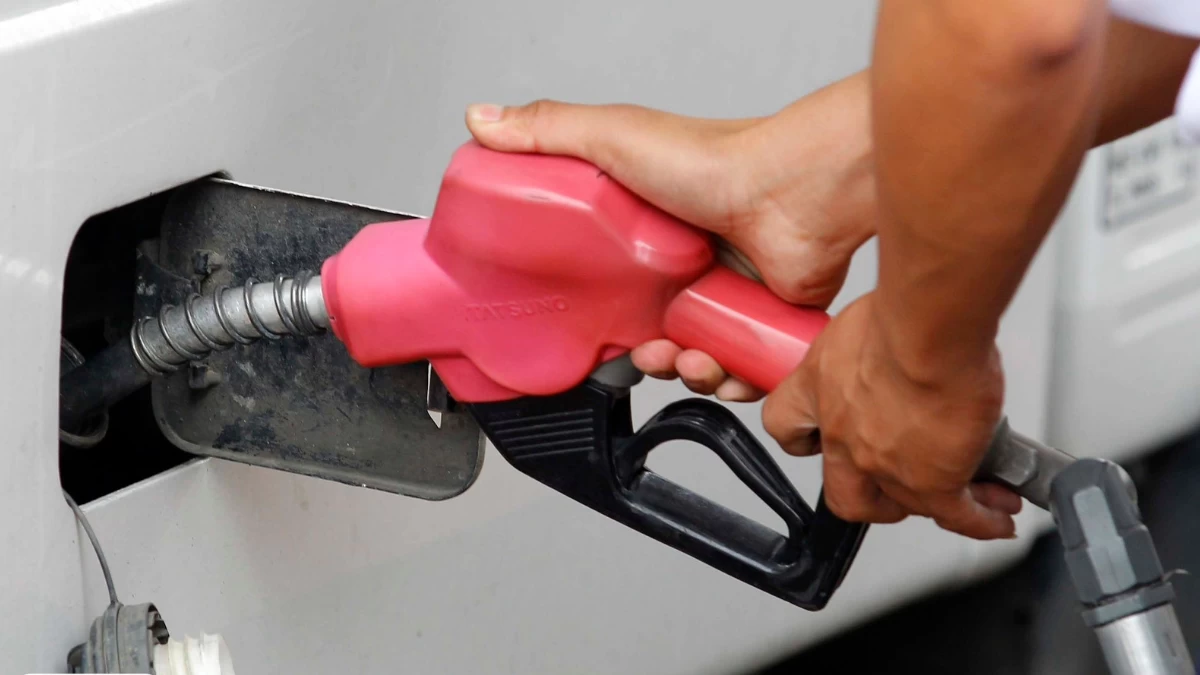
Gasoline prices are poised for their first retreat of the year next week, breaking the sustained rally as healthy regional inventories finally begin to counter the risk premiums of the fractured global geopolitical landscape.
Industry data from the first four days of trading for the Mean of Platts Singapore indicated gasoline may see a rollback of ₱0.45 per liter or, at most, a marginal ₱0.10 increase. The reprieve remains isolated to lighter fuels; diesel is expected to climb between ₱0.40 and ₱0.60 per liter, while kerosene is slated for a ₱0.10 hike next week.
The Department of Energy’s Oil Industry Management Bureau attributed the mixed outlook to volatile intersection of military tension and diplomatic uncertainty.
OIMB Director Rodela Romero noted that local pump prices are being “heavily influenced” by friction between the United States (US) and Iran, as well as the ongoing Russia-Ukraine conflict.
Markets have been particularly unsettled by US President Donald Trump’s warnings regarding US-Iran nuclear negotiations and the recent Ukrainian drone strike on a Russian Black Sea port, which raised the specter of significant supply disruptions.
While the region's fundamental gasoline supply has softened prices, those gains are being eroded by surging logistical costs.
Jetti Petroleum President Leo Bellas observed that though regional inventories are currently healthy, rising freight charges and geopolitical premiums have largely neutralized the prospect of a deeper rollback.
MOPS trading, which resumed on Thursday after a two-day hiatus, saw prices jump more than five percent from Feb. 16 levels in response to military movements and the potential for US strikes.
The peso has emerged as a key firewall against these external shocks. Averaging ₱57.964 against the US dollar, the local currency’s relative strength has cushioned the impact of imported energy costs. Without this exchange-rate stability, the projected hikes for diesel and kerosene would likely have been more severe as the market continues to navigate global supply jitters.