






Manila Bulletin
 Philippines
National
DepEd pushes TVET, stronger school-to-work alignment at ASEAN meet to boost Filipino workforce
Philippines
National
DepEd pushes TVET, stronger school-to-work alignment at ASEAN meet to boost Filipino workforce
Philippines
National
DepEd pushes TVET, stronger school-to-work alignment at ASEAN meet to boost Filipino workforce
DepEd pushes TVET, stronger school-to-work alignment at ASEAN meet to boost Filipino workforce
Published Feb 20, 2026 07:14 pm


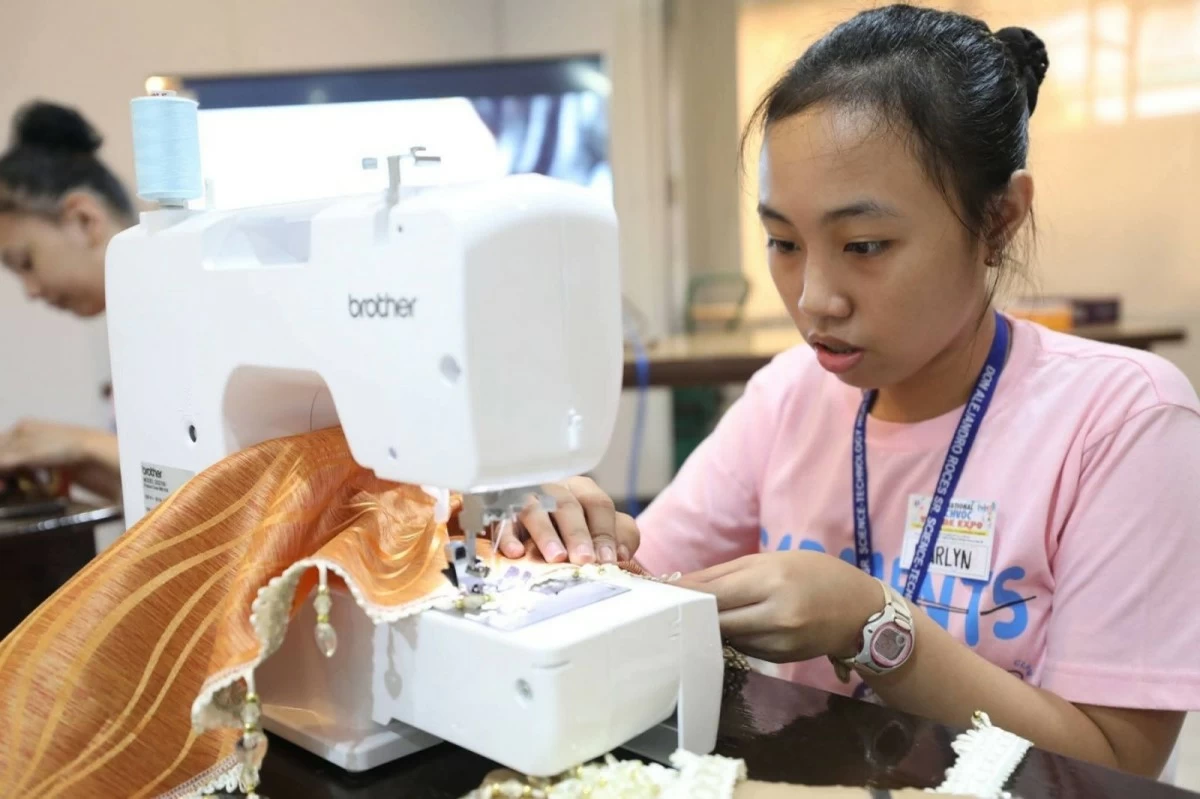
The Department of Education (DepEd) advances TVET and qualifications reforms to align education with jobs and prepare Filipino learners for future workforce demands. (Photo from DepEd)
The Department of Education (DepEd) is stepping up efforts to ensure Filipino learners can move more seamlessly from classrooms to careers, as it championed deeper alignment among education, training, and industry during the 16th ASEAN Qualifications Reference Framework Committee (AQRFC) Meeting.
In a statement issued on Friday, February 20, DepEd said the gathering brought together regional education leaders to harmonize qualification systems across Southeast Asia, with the Philippines highlighting reforms aimed at strengthening technical-vocational education and training (TVET) and making learning more responsive to workforce needs.
DepEd Secretary Sonny Angara said the country’s long-term competitiveness depends on how well education systems connect with employment opportunities.
"Our biggest asset is our people. Under President Marcos Jr.'s leadership, we are envisioning a more creative and innovative Filipino learner, which will significantly boost industry," Angara said.
Connecting classrooms to careers
DepEd said that at the center of the Philippines’ push is the updated Philippine Qualifications Framework (PQF), a national system designed to link basic education, technical-vocational training, higher education, and employment into one coherent structure.
The revised PQF, DepEd explained, now has eight qualification levels aligned with the ASEAN regional reference framework, allowing Filipino credentials to be more easily understood and recognized across borders.
DepEd said Senior High School (SHS) graduates are now mapped at Level 3, while micro-credentials—short, skills-focused certifications—have been formally integrated. These changes aim to give learners more flexible pathways to gain competencies, shift careers, or upgrade their skills throughout their lives.
The framework, DepEd noted, also introduces clearer vertical, horizontal, and diagonal pathways, enabling smoother transitions between vocational training and college education.
Stronger coordination with labor, training sectors
DepEd emphasized that education reforms alone are not enough. Closer collaboration with key government agencies—including the Technical Education and Skills Development Authority (TESDA), the Commission on Higher Education (CHED), and the Department of Labor and Employment (DOLE)—will be critical to addressing persistent job-skills mismatches.
Among the priorities are expanding enterprise-based training and industry immersion; strengthening industry-led upskilling programs; developing a unified labor market information system; and ensuring qualifications reflect real workforce demands.
These measures are intended to better prepare learners as they transition from school to training and, eventually, into employment, DepEd said.
Part of broader national education overhaul
DepEd said the ASEAN meeting comes as the government accelerates sweeping reforms to modernize education and workforce development.
These include the turnover of the Second Congressional Commission on Education’s (EDCOM 2) final report and the launch of the National Education and Workforce Development Plan (NatPlan) 2026–2035 to President Ferdinand R. Marcos Jr.
Proposed legislation, such as the Lifelong Learning Development Framework Act of 2025 and policies expanding the recognition of prior learning and distance education, are also expected to support more flexible and inclusive learning systems.
Together, DepEd said the reforms aim to create a future-ready workforce equipped with skills aligned with rapidly changing industries.
Challenge shifts from planning to execution
While welcoming the progress made, Angara stressed that the real test lies in sustained implementation and coordination across institutions.
"We already see alignment under President Marcos' leadership," Angara said. "The challenge now is execution—staying the course, aligning budgets and incentives, and holding ourselves jointly accountable for learning outcomes," he added.
DepEd noted that by strengthening qualifications systems and expanding technical-vocational pathways, the Philippines hopes to improve employability, boost productivity, and ensure Filipino workers remain competitive in an evolving regional and global economy.