ADVERTISEMENT

BSP rate easing cycle seen extending as growth risks mount

Published Feb 20, 2026 12:24 pm  |  Updated Feb 20, 2026 01:10 pm
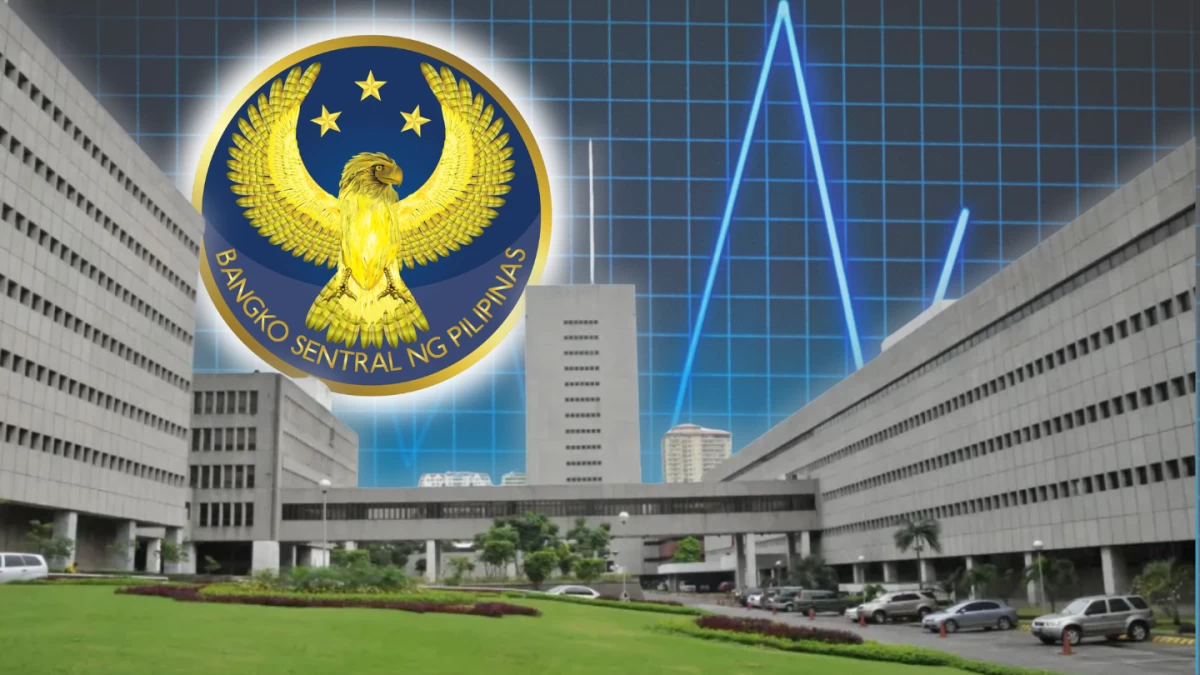
The Bangko Sentral ng Pilipinas (BSP) signaled the shift toward a more dovish policy stance as it grapples with sluggish business confidence and downshifts its economic growth projections, suggesting the current easing cycle may have more room to run than previously indicated.
While BSP Governor Eli Remolona Jr. had earlier hinted that the central bank was approaching the end of its rate-cutting path, the latest forward guidance omitted such explicit warnings.
This dovish tone by the central bank chief prompted Japanese financial giant MUFG Bank, Ltd. and risk provider Fitch Solutions’ BMI unit to price in another easing after the fresh 25 basis points (bps) cut to 4.25 percent this month.
The policy-setting Monetary Board delivered a 25-basis-point cut this month, bringing the benchmark rate to 4.25 percent. The move marks a cumulative 225 basis points in reductions since the peak of 6.5 percent in August 2024.
“We think both [the BSP and Bank of Indonesia] are the more dovish ones in the region, are not done with rate cuts, and see BSP cutting rates once more,” MUFG senior currency analyst Michael Wan wrote in a commentary published on Friday, Feb. 20.
Wan’s outlook comes amid the BSP's decision to trim the local benchmark rate, while BI held Indonesia’s rate steady.
“We think that the BSP will likely cut rates one more time in 2026, but timing-wise, BSP could opt to take a pause first before cutting in the following meeting,” Wan further said.
Confidence recovery has become a constant refrain for the BSP, especially when asked about its upcoming policy moves. Remolona Jr. admitted that the policy-setting MB “underestimated the impact of confidence on our growth rates.”
Remolona shared that they have recalibrated their model to account for the role of confidence in local economic output growth. “When the flood control scandal broke out, we recalibrated our models to take account of confidence,” said the governor.
He also said the MB is now in a position where its next moves are “more conditional” on developments in confidence and growth. He had earlier signaled the easing cycle was nearing its end, but has now become more cautious, citing uncertainty over when confidence will return.
“We’re less certain about how soon confidence will return,” Remolona said.
BMI, meanwhile, still anticipates monetary authorities delivering another quarter-point cut at the April policy meeting, pointing to a grappling economy and subdued inflation over the coming months.
“However, we expect the April cut to mark the end of the easing cycle, with higher inflation and a weak peso constraining BSP,” BMI said. If this outlook holds true, the easing cycle would conclude at a final rate of four percent.
Notably, the BSP raised its average inflation forecast to 3.6 percent from 3.2 percent for 2026, and to 3.2 percent from three percent for 2027. Remolona earlier said it would be a concern if inflation exceeded three percent.
Further, the BSP tweaked its 2026 gross domestic product (GDP) growth forecast downwards to 4.6 percent from 5.4 percent previously, and trimmed its 2027 projection to 5.9 percent from as high as 6.2 percent.
Meanwhile, American banking giant Citi said: “A dovish tilt was apparently added in the monetary policy statement.” However, the foreign lender believes the BSP will likely opt for an “extended pause” on its easing.
Still, Citi said the speed of confidence's return will influence the lender’s current outlook. It expects monetary authorities to weigh the benefits of more easing against the risk of inflation expectations getting out of control.
“After all, the current growth slowdown has been driven primarily by government spending bottlenecks rather than a private sector demand shock,” said Citi, noting that the BSP is beginning to see signs of rebounding confidence.
Citi expects the economy to continue slumping in the first half of 2026 by 3.5 percent to 4 percent, significantly weaker than the 2025 GDP outturn of 4.4 percent, citing the risk of implementation delays from recent governance reforms.
ADVERTISEMENT
.most-popular .layout-ratio{ padding-bottom: 79.13%; } @media (min-width: 768px) and (max-width: 1024px) { .widget-title { font-size: 15px !important; } }

{{ articles_filter_1561_widget.title }}

.most-popular .layout-ratio{ padding-bottom: 79.13%; } @media (min-width: 768px) and (max-width: 1024px) { .widget-title { font-size: 15px !important; } }

{{ articles_filter_1562_widget.title }}

.most-popular .layout-ratio{ padding-bottom: 79.13%; } @media (min-width: 768px) and (max-width: 1024px) { .widget-title { font-size: 15px !important; } }

{{ articles_filter_1563_widget.title }}

{{ articles_filter_1564_widget.title }}

.mb-article-details { position: relative; } .mb-article-details .article-body-preview, .mb-article-details .article-body-summary{ font-size: 17px; line-height: 30px; font-family: "Libre Caslon Text", serif; color: #000; } .mb-article-details .article-body-preview iframe , .mb-article-details .article-body-summary iframe{ width: 100%; margin: auto; } .read-more-background { background: linear-gradient(180deg, color(display-p3 1.000 1.000 1.000 / 0) 13.75%, color(display-p3 1.000 1.000 1.000 / 0.8) 30.79%, color(display-p3 1.000 1.000 1.000) 72.5%); position: absolute; height: 200px; width: 100%; bottom: 0; display: flex; justify-content: center; align-items: center; padding: 0; } .read-more-background a{ color: #000; } .read-more-btn { padding: 17px 45px; font-family: Inter; font-weight: 700; font-size: 18px; line-height: 16px; text-align: center; vertical-align: middle; border: 1px solid black; background-color: white; } .hidden { display: none; }
function initializeAllSwipers() { // Get all hidden inputs with cms_article_id document.querySelectorAll('[id^="cms_article_id_"]').forEach(function (input) { const cmsArticleId = input.value; const articleSelector = '#article-' + cmsArticleId + ' .body_images'; const swiperElement = document.querySelector(articleSelector); if (swiperElement && !swiperElement.classList.contains('swiper-initialized')) { new Swiper(articleSelector, { loop: true, pagination: false, navigation: { nextEl: '#article-' + cmsArticleId + ' .swiper-button-next', prevEl: '#article-' + cmsArticleId + ' .swiper-button-prev', }, }); } }); } setTimeout(initializeAllSwipers, 3000); const intersectionObserver = new IntersectionObserver( (entries) => { entries.forEach((entry) => { if (entry.isIntersecting) { const newUrl = entry.target.getAttribute("data-url"); if (newUrl) { history.pushState(null, null, newUrl); let article = entry.target; // Extract metadata const author = article.querySelector('.author-section').textContent.replace('By', '').trim(); const section = article.querySelector('.section-info ').textContent.replace(' ', ' '); const title = article.querySelector('.article-title h1').textContent; // Parse URL for Chartbeat path format const parsedUrl = new URL(newUrl, window.location.origin); const cleanUrl = parsedUrl.host + parsedUrl.pathname; // Update Chartbeat configuration if (typeof window._sf_async_config !== 'undefined') { window._sf_async_config.path = cleanUrl; window._sf_async_config.sections = section; window._sf_async_config.authors = author; } // Track virtual page view with Chartbeat if (typeof pSUPERFLY !== 'undefined' && typeof pSUPERFLY.virtualPage === 'function') { try { pSUPERFLY.virtualPage({ path: cleanUrl, title: title, sections: section, authors: author }); } catch (error) { console.error('ping error', error); } } // Optional: Update document title if (title && title !== document.title) { document.title = title; } } } }); }, { threshold: 0.1 } ); function showArticleBody(button) { const article = button.closest("article"); const summary = article.querySelector(".article-body-summary"); const body = article.querySelector(".article-body-preview"); const readMoreSection = article.querySelector(".read-more-background"); // Hide summary and read-more section summary.style.display = "none"; readMoreSection.style.display = "none"; // Show the full article body body.classList.remove("hidden"); } document.addEventListener("DOMContentLoaded", () => { let loadCount = 0; // Track how many times articles are loaded const offset = [1, 2, 3, 4, 5, 6, 7, 8, 9, 10]; // Offset values const currentUrl = window.location.pathname.substring(1); let isLoading = false; // Prevent multiple calls if (!currentUrl) { console.log("Current URL is invalid."); return; } const sentinel = document.getElementById("load-more-sentinel"); if (!sentinel) { console.log("Sentinel element not found."); return; } function isSentinelVisible() { const rect = sentinel.getBoundingClientRect(); return ( rect.top < window.innerHeight && rect.bottom >= 0 ); } function onScroll() { if (isLoading) return; if (isSentinelVisible()) { if (loadCount >= offset.length) { console.log("Maximum load attempts reached."); window.removeEventListener("scroll", onScroll); return; } isLoading = true; const currentOffset = offset[loadCount]; window.loadMoreItems().then(() => { let article = document.querySelector('#widget_1690 > div:nth-last-of-type(2) article'); intersectionObserver.observe(article) loadCount++; }).catch(error => { console.error("Error loading more items:", error); }).finally(() => { isLoading = false; }); } } window.addEventListener("scroll", onScroll); });

Sign up by email to receive news.