






Manila Bulletin
 Drive
Nissan uses first Nissan Festival in Clark to strengthen Philippine ties ahead of product push
Drive
Nissan uses first Nissan Festival in Clark to strengthen Philippine ties ahead of product push
Drive
Nissan uses first Nissan Festival in Clark to strengthen Philippine ties ahead of product push
Nissan uses first Nissan Festival in Clark to strengthen Philippine ties ahead of product push
Published Feb 19, 2026 11:42 am
|
Updated Feb 19, 2026 02:48 pm


At A Glance
- First-ever Nissan Festival in the Philippines brings together owners, clubs, and enthusiasts at Clark International Speedway, highlighting the strength of the brand's local community
- Nissan confirms multiple new models and powertrain technologies are planned for Philippine introduction, with a coordinated reveal expected at a future motor show
- President Masao Tsutsumi acknowledges recent challenges in the pickup segment while outlining plans to renew and expand Nissan's local lineup
- GT-R development leader Hiroshi Tamura explains how performance engineering philosophy continues to influence electrified systems such as e-POWER, preserving driving response and character
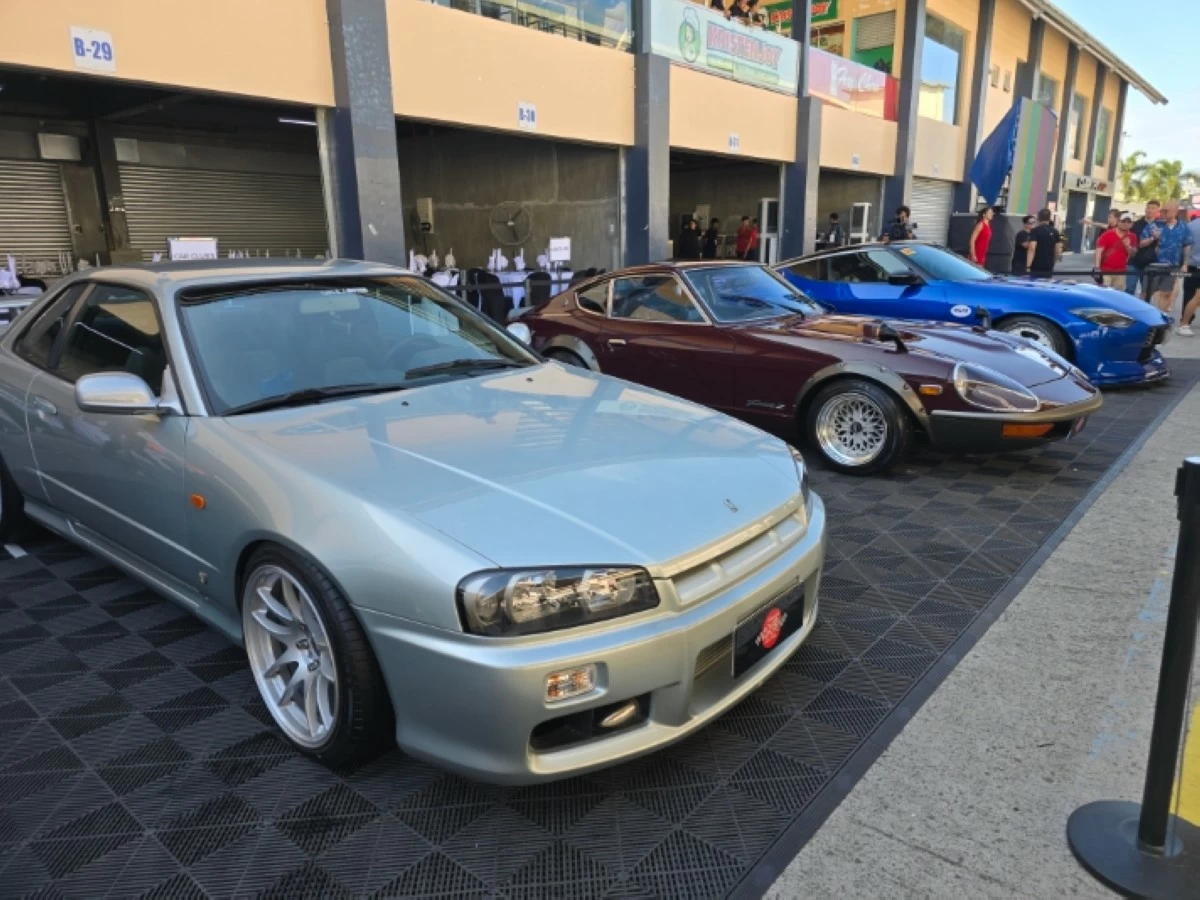
Nissan Philippines gathered its owners, enthusiasts, and partners at Clark International Speedway on February 1 for the country’s first-ever Nissan Festival, an event that doubled as both a celebration of its enthusiast base and a preview of its direction in the Philippine market.
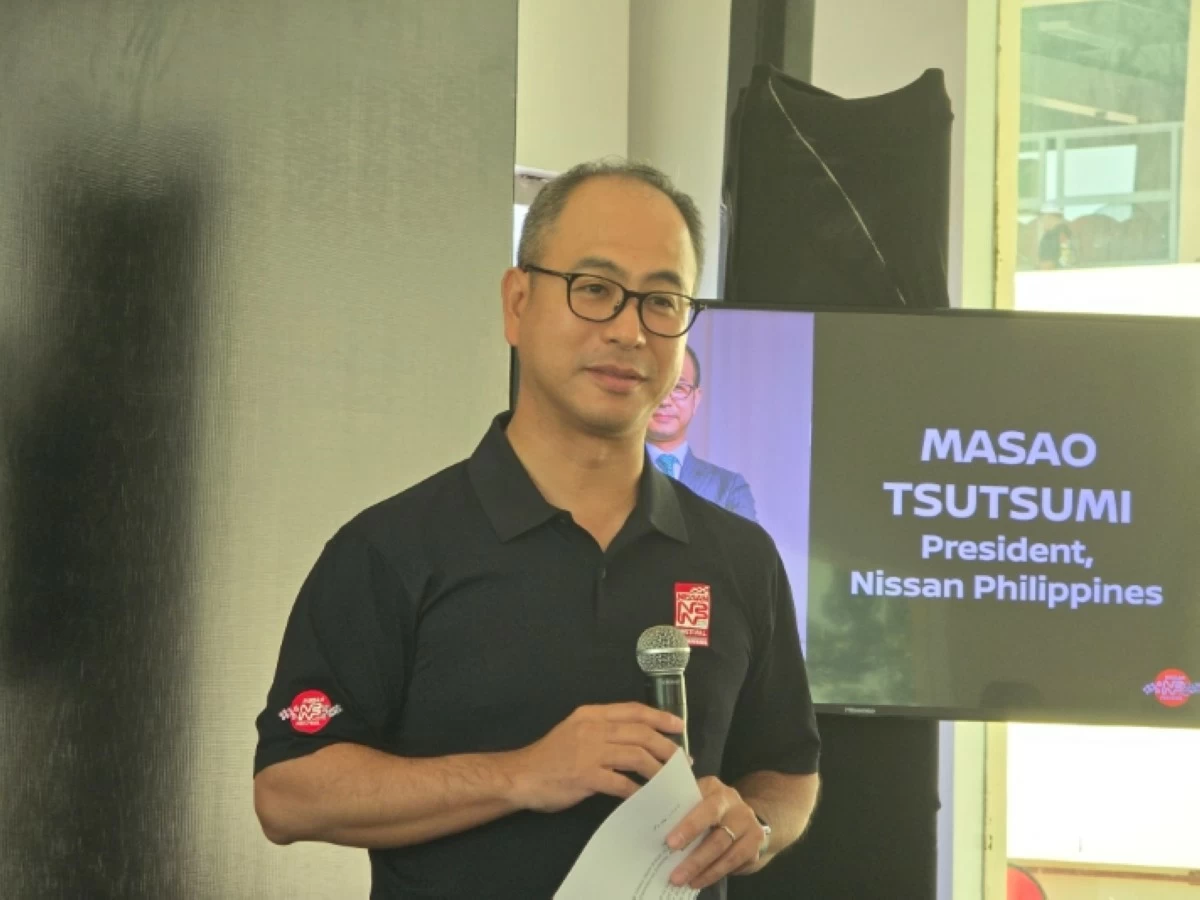
Masao Tsutsumi, President of Nissan Philippines
Masao Tsutsumi, President of Nissan Philippines, said the decision to organize the festival came from recognizing the strength of the local Nissan community and the opportunity to bring owners together in a shared setting.
“This is not a revival. I think this is the first time. First ever Nissan Festival in the Philippines,” Tsutsumi said during the media question-and-answer session.
Holding the event at a racing circuit underscored Nissan’s performance heritage. Models such as the GT-R and Z were placed in the environment they were designed for, reinforcing the connection between the brand’s road cars and its engineering roots.
The festival was also intended to strengthen Nissan’s relationship with its customers beyond the point of sale. Tsutsumi emphasized that ownership is not limited to the initial purchase, but continues throughout the life of the vehicle.
“Selling cars is not a one-time job. It is a lifelong relationship,” he said.
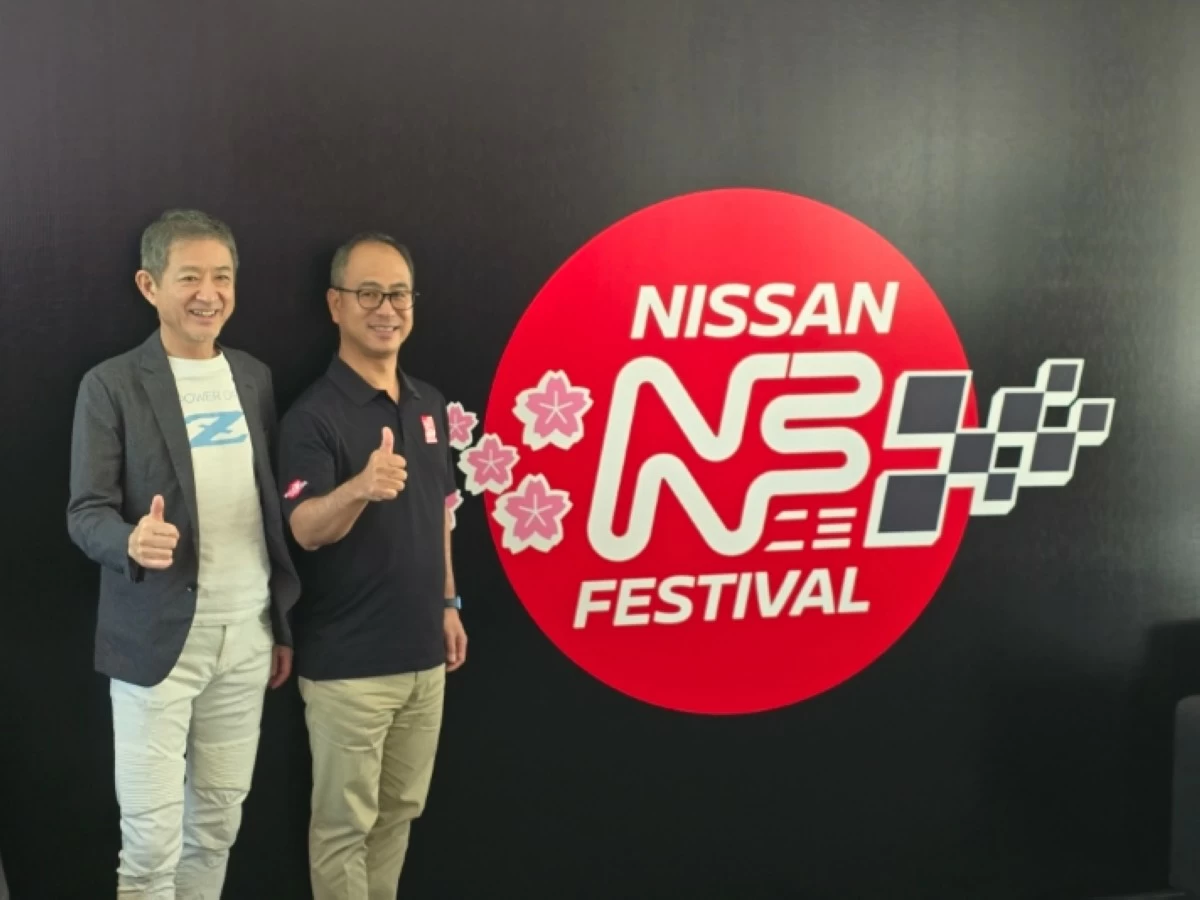
From left: Hiroshi Tamura, project head of the R35 GT-R and Z / Fairlady; and Masao Tsutsumi, President of Nissan Philippines.
This focus on long-term engagement comes as Nissan adapts to changing market conditions in the Philippines. The company acknowledged that recent developments, particularly in the pickup segment, have affected sales. Pickup trucks have historically accounted for a significant portion of Nissan’s local volume, and changes in pricing and market demand have presented challenges.
Despite this, Tsutsumi expressed confidence in the company’s future and confirmed that Nissan is preparing to introduce several new vehicles and technologies. He described 2026 as an important year for the brand locally, noting that at least one upcoming model was already present at the festival venue, although details were not disclosed.
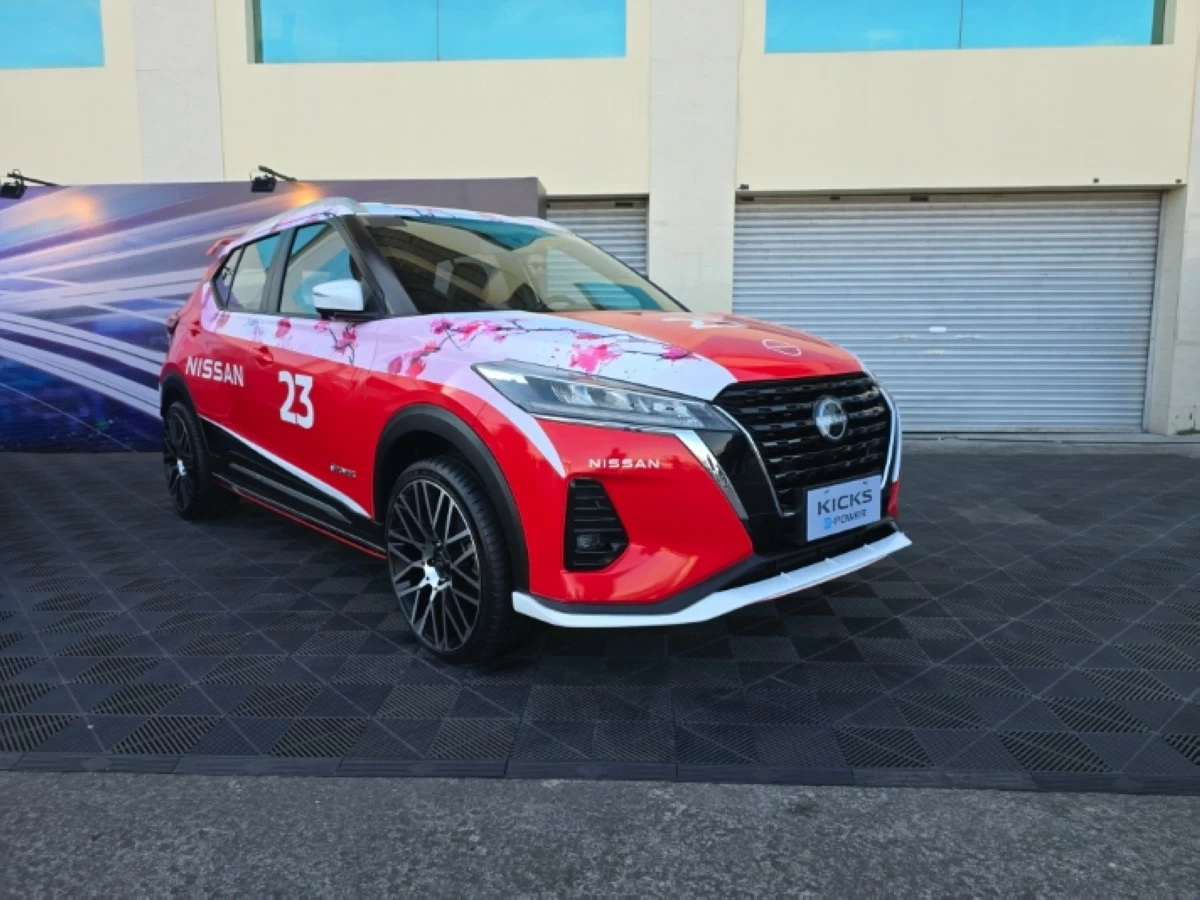
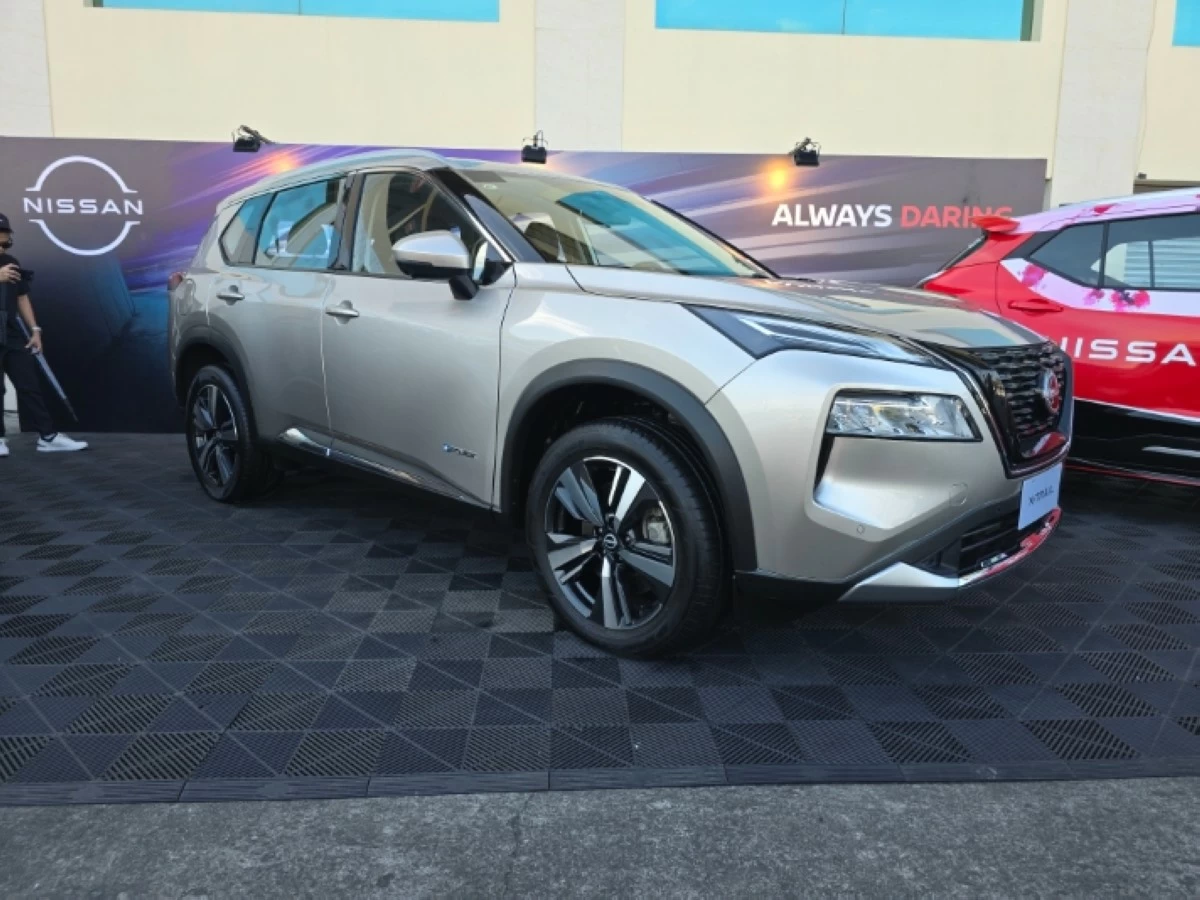
The upcoming Nissan X-Trail
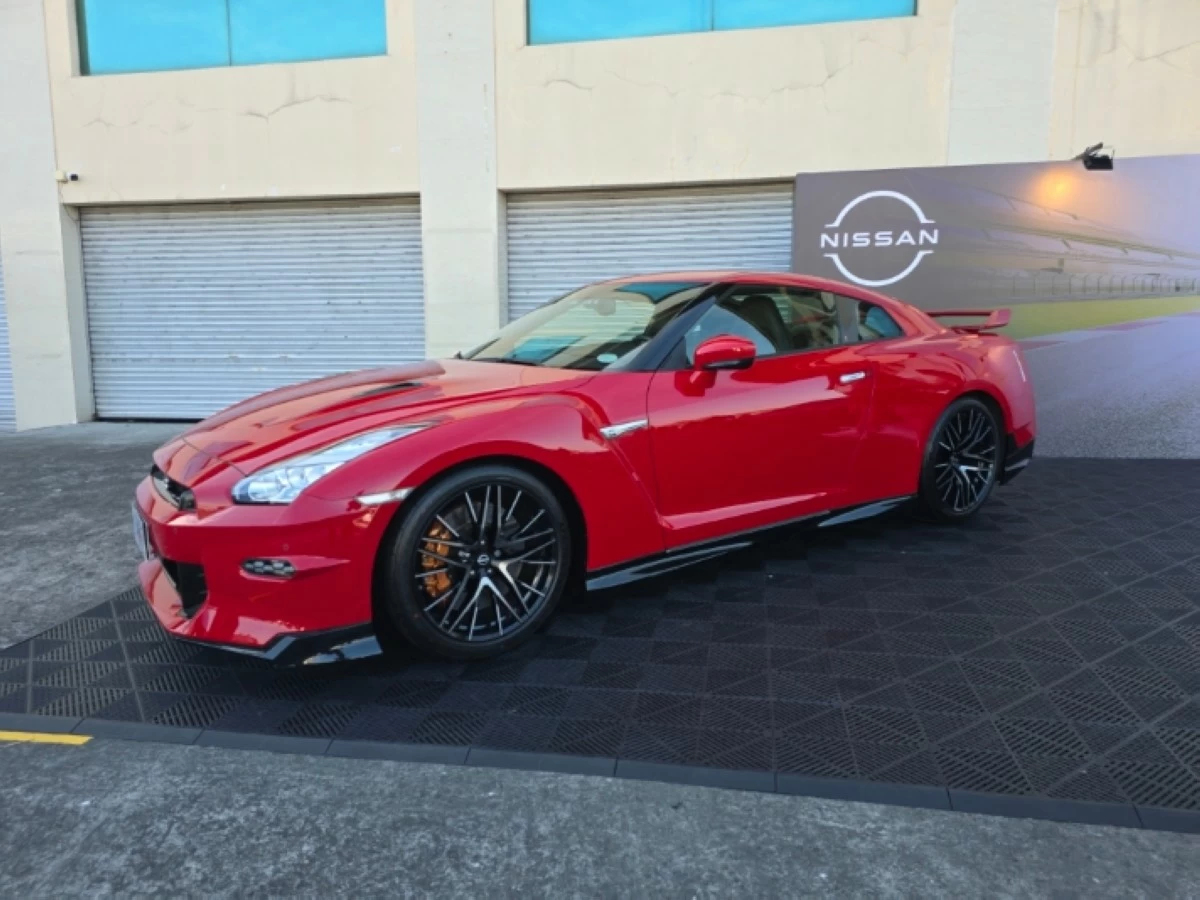
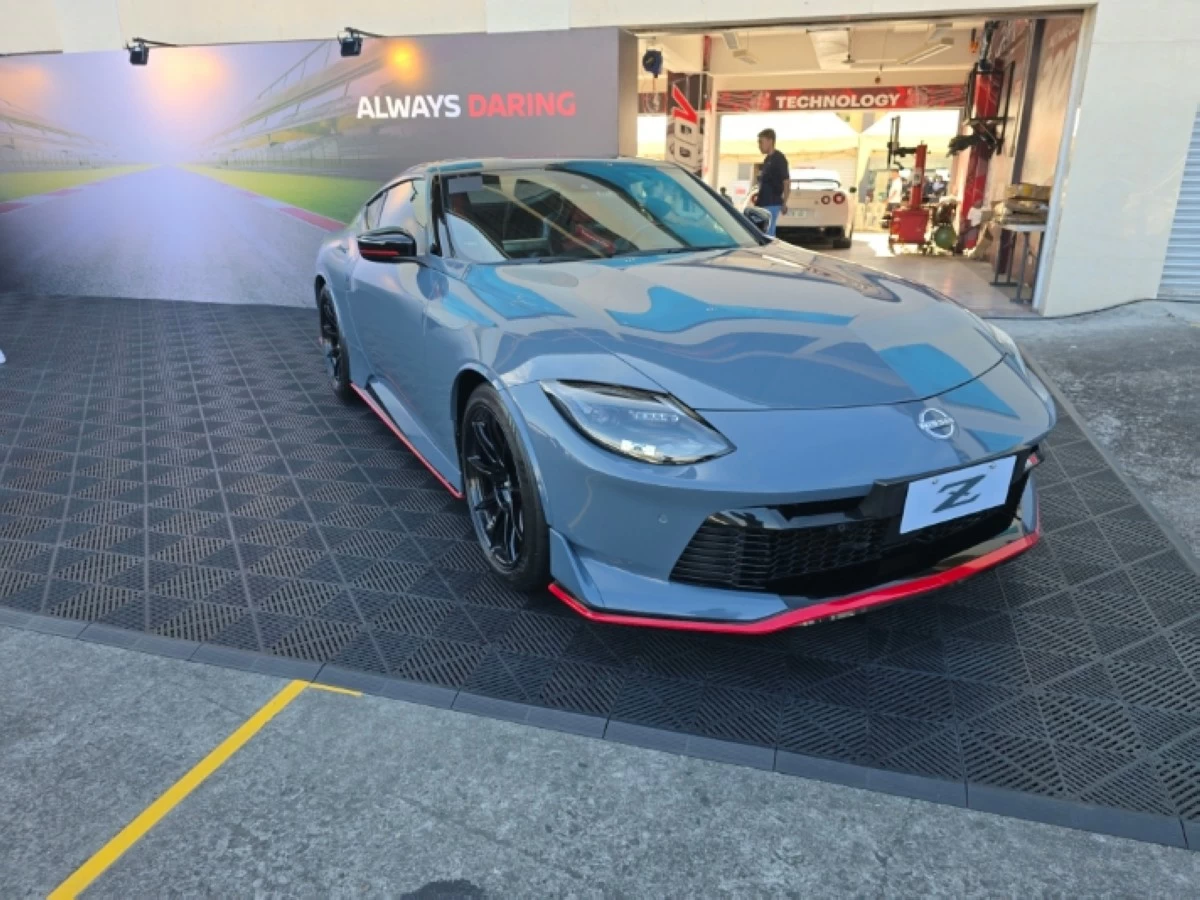
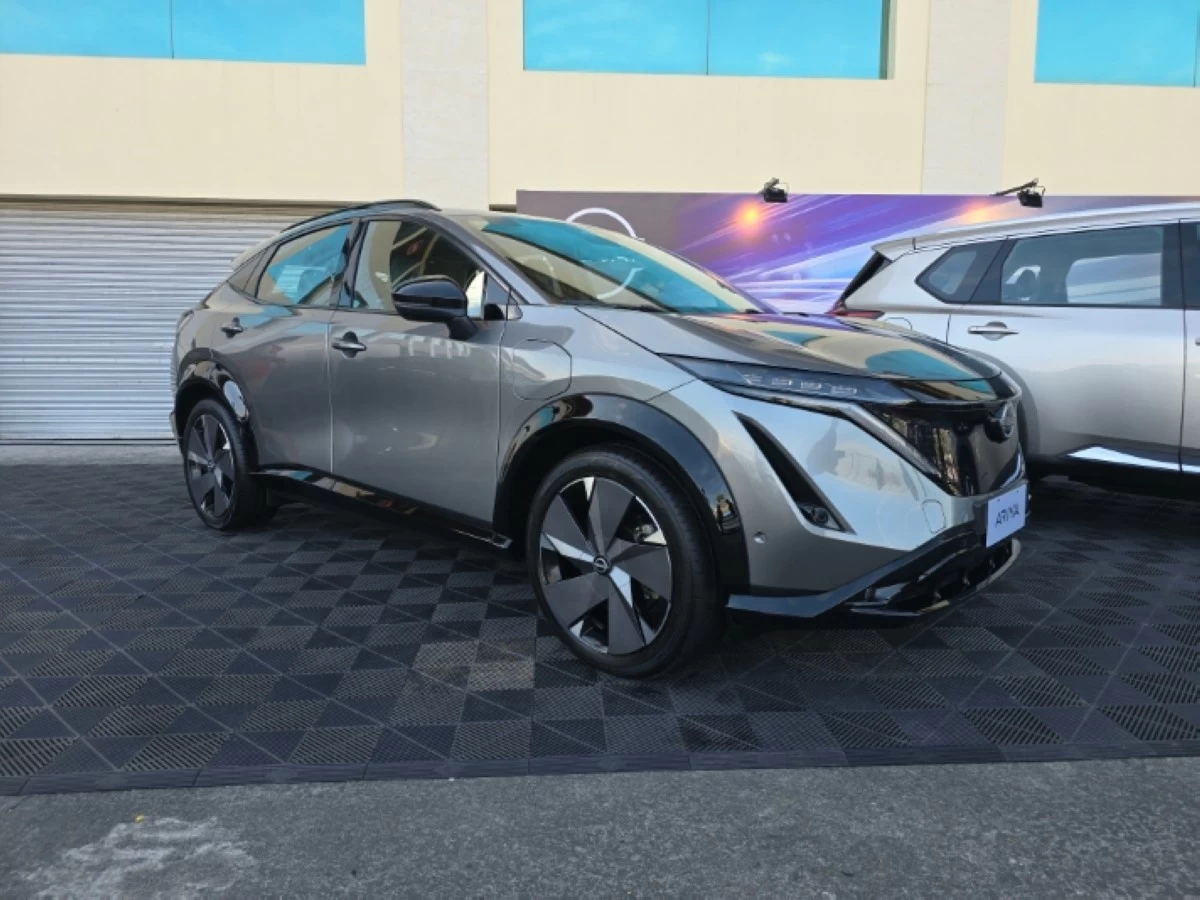
The Nissan Ariya
Tsutsumi also said Nissan plans to present its upcoming models together at a future motor show, with individual launches and deliveries to follow. These introductions will include multiple powertrain types, reflecting the company’s continued development of both internal combustion and electrified systems.
Nissan is also evaluating opportunities in segments where it currently has limited presence. While the pickup category has slowed across the industry, the company noted continued growth in passenger vehicle segments such as SUVs. Future product plans include both replacements for existing models and entries into new areas of the market.
Electrification will form part of Nissan’s future lineup, and the company used the festival to explain how its electrified systems are engineered. Hiroshi Tamura, Nissan’s longtime performance development leader and widely regarded as the driving force behind the modern GT-R, explained how engineering philosophy from Nissan’s performance vehicles continues to influence its electrified powertrains.
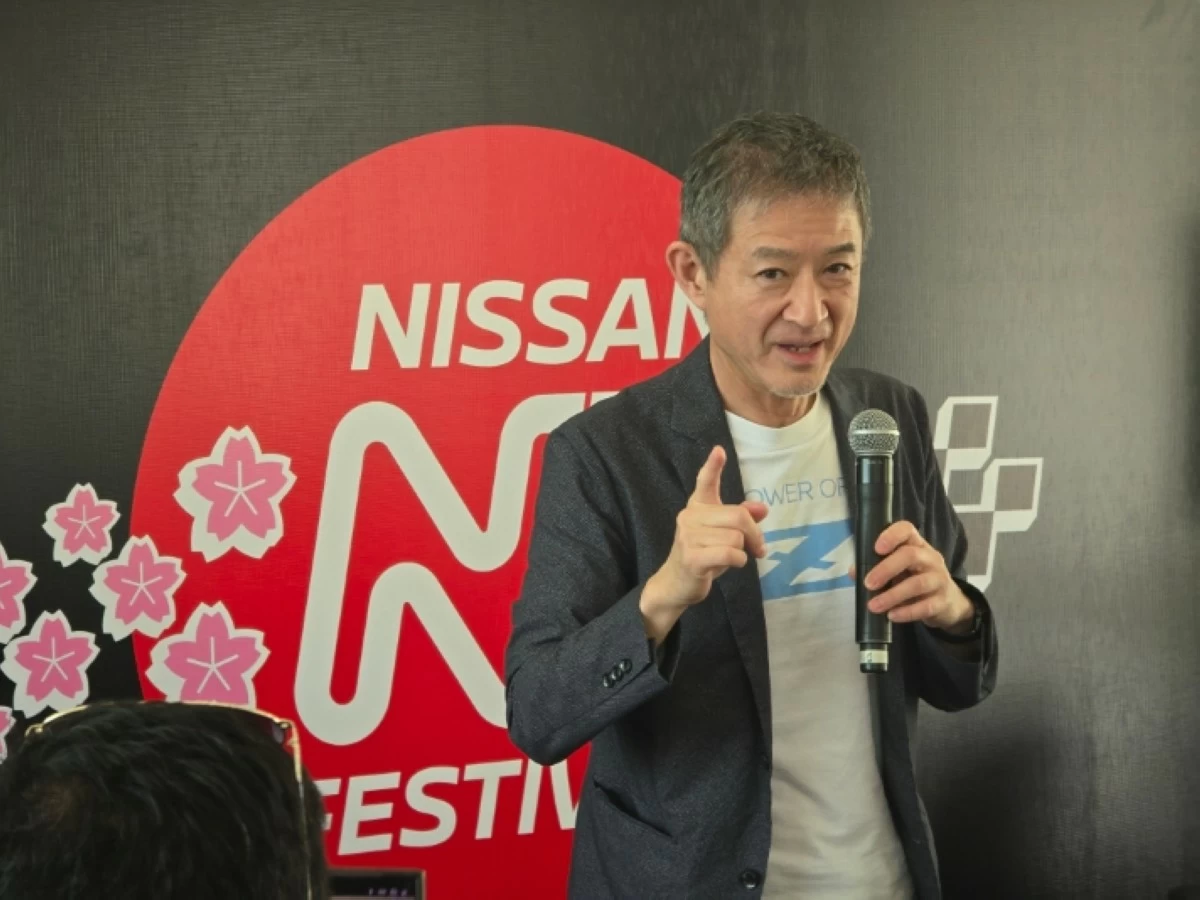
Hiroshi Tamura, project head of the R35 GT-R and Z / Fairlady.
Tamura illustrated this by comparing the electronic boost pressure control used in the GT-R with the inverter control strategy used in e-POWER models such as the Leaf and Note. In performance engines like the GT-R, electronic boost control allows engineers to shape how torque builds, creating a strong initial surge followed by a controlled sustain phase. This produces a more engaging and responsive acceleration feel compared to conventional systems.
He said inverter control in e-POWER vehicles follows the same principle. Because motor output is governed electronically, engineers can precisely shape how torque rises and how it is sustained. Rather than simply delivering maximum torque immediately, the system is calibrated to provide a defined peak followed by stable, sustained acceleration that responds naturally to driver input.
Tamura explained that this approach allows Nissan to preserve the sense of controlled surge and sustained pull associated with its performance cars, even in electrified vehicles. By carefully tuning the torque curve instead of focusing solely on peak output, engineers can deliver acceleration that feels deliberate and connected.
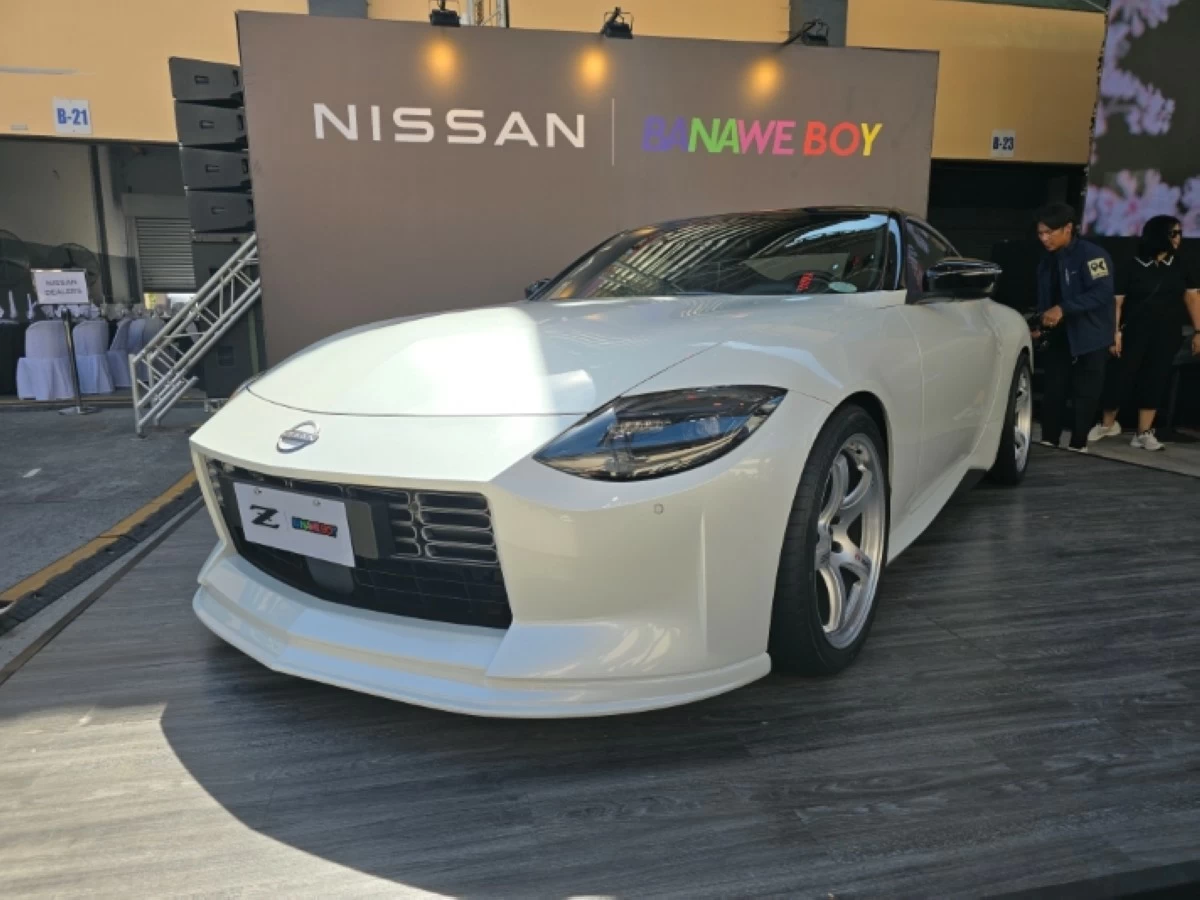
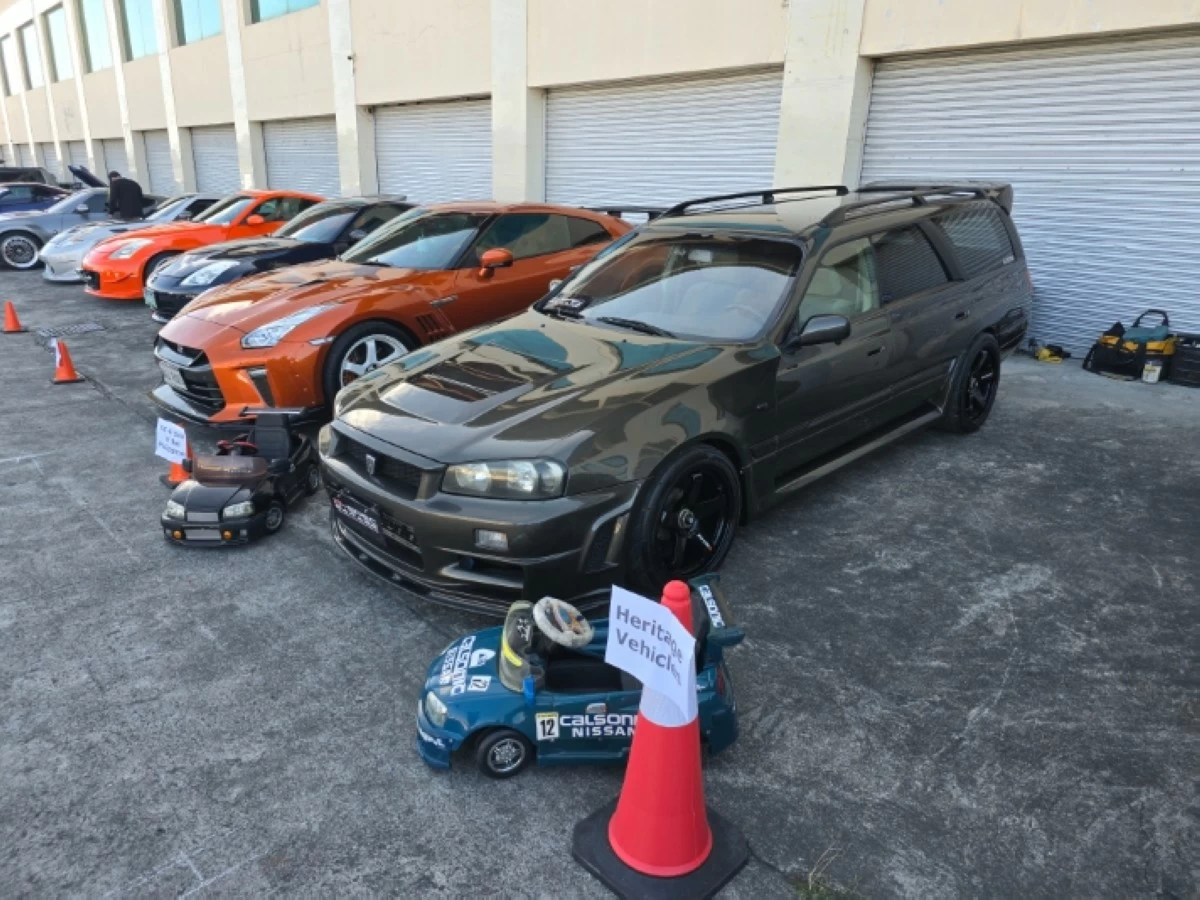
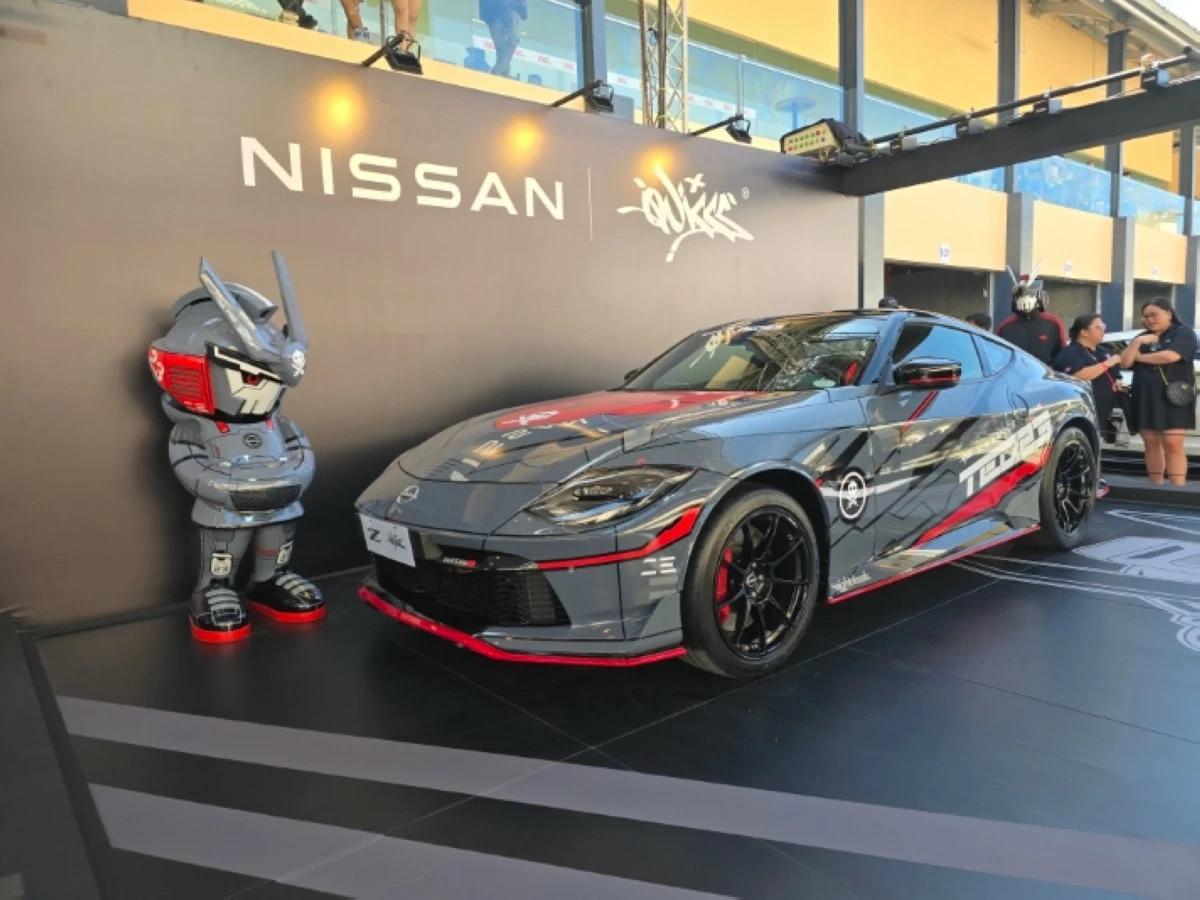
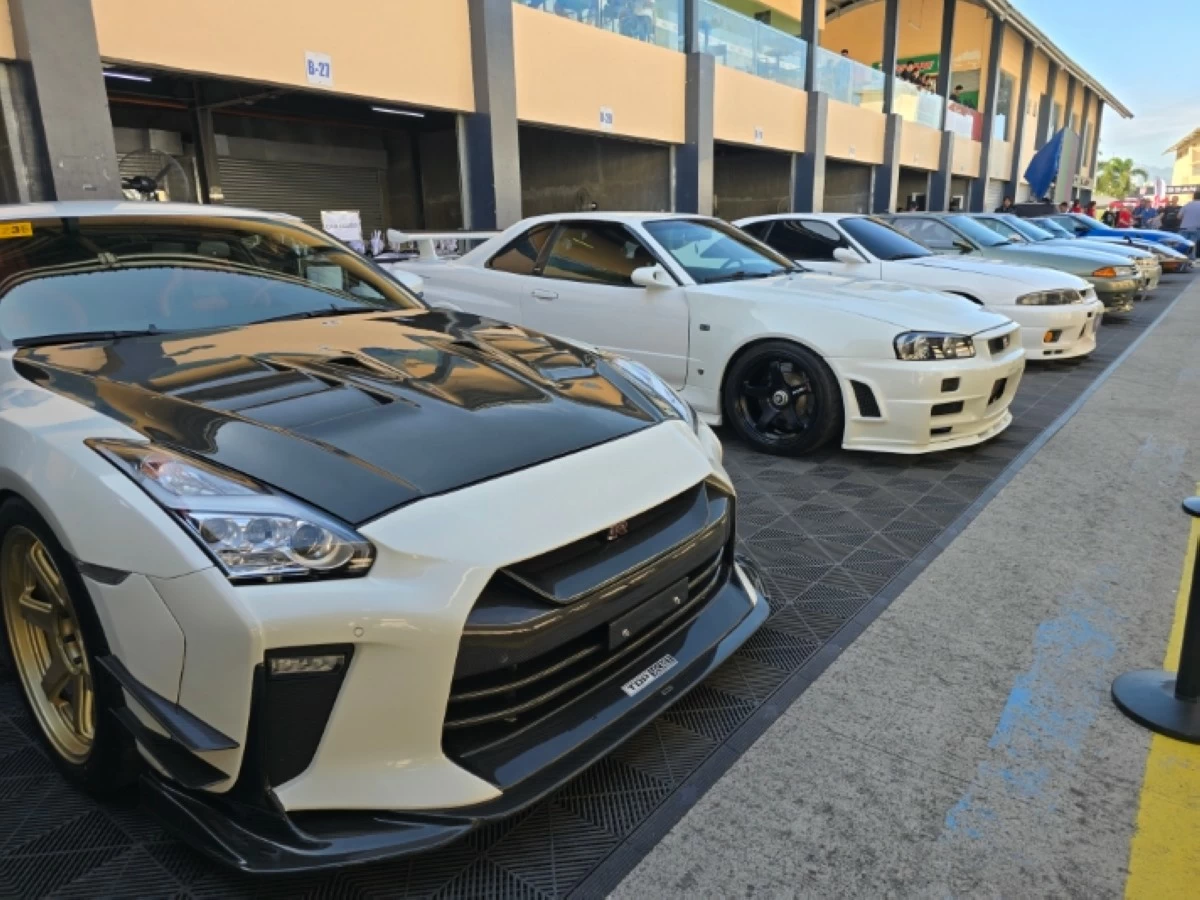
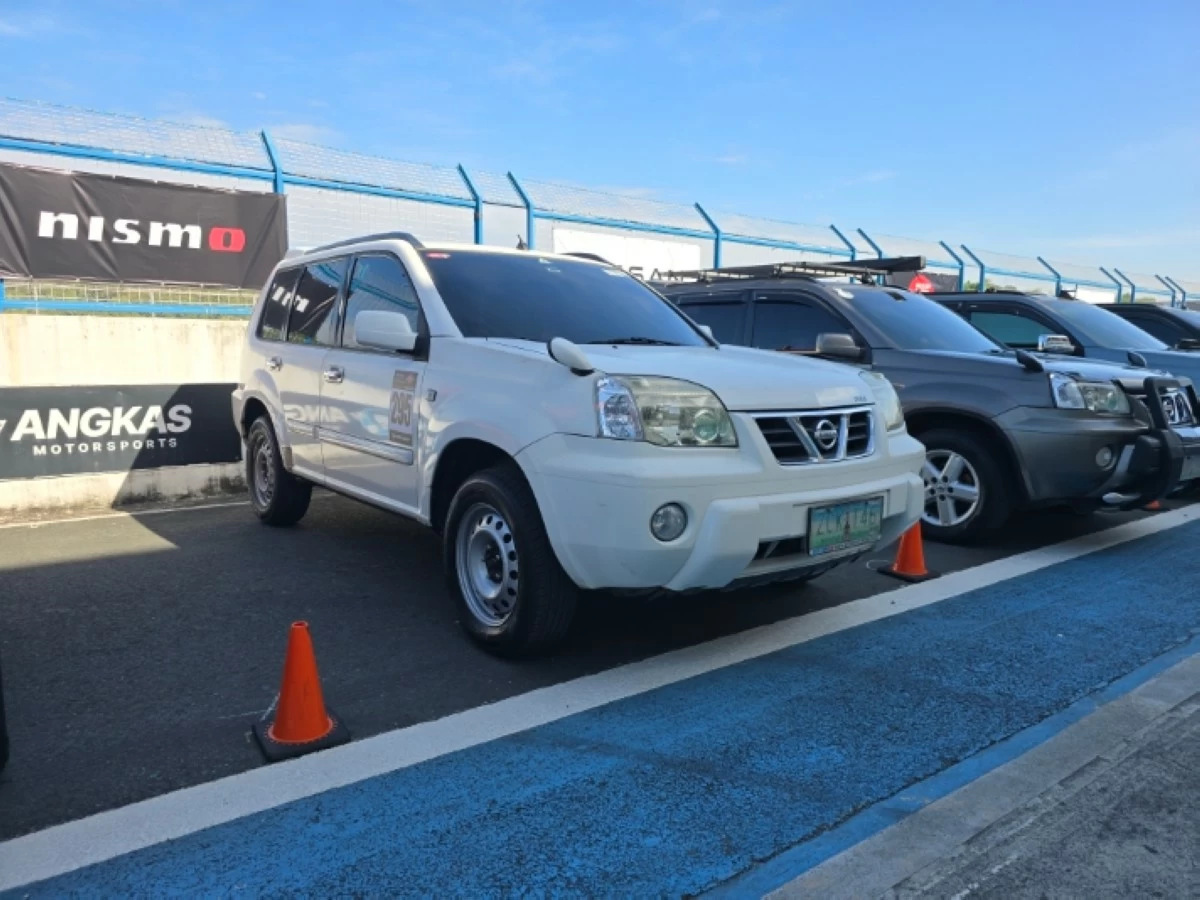
The turnout at Clark reflected the strength of Nissan’s enthusiast community in the Philippines, with multiple owner groups and clubs present. Tsutsumi said events like the Nissan Festival may become a regular part of Nissan’s engagement with customers, reinforcing the connection between the brand and its owners.
As Nissan prepares to introduce new models and technologies, the Nissan Festival served as a starting point for renewed engagement with its local community. With product introductions on the horizon and continued development of electrified powertrains, Nissan signaled its intention to strengthen its presence in the Philippines while carrying forward the engineering character that defines its vehicles.