







NAIA gains pace as more airlines join digital rollout
Published Feb 19, 2026 11:21 am


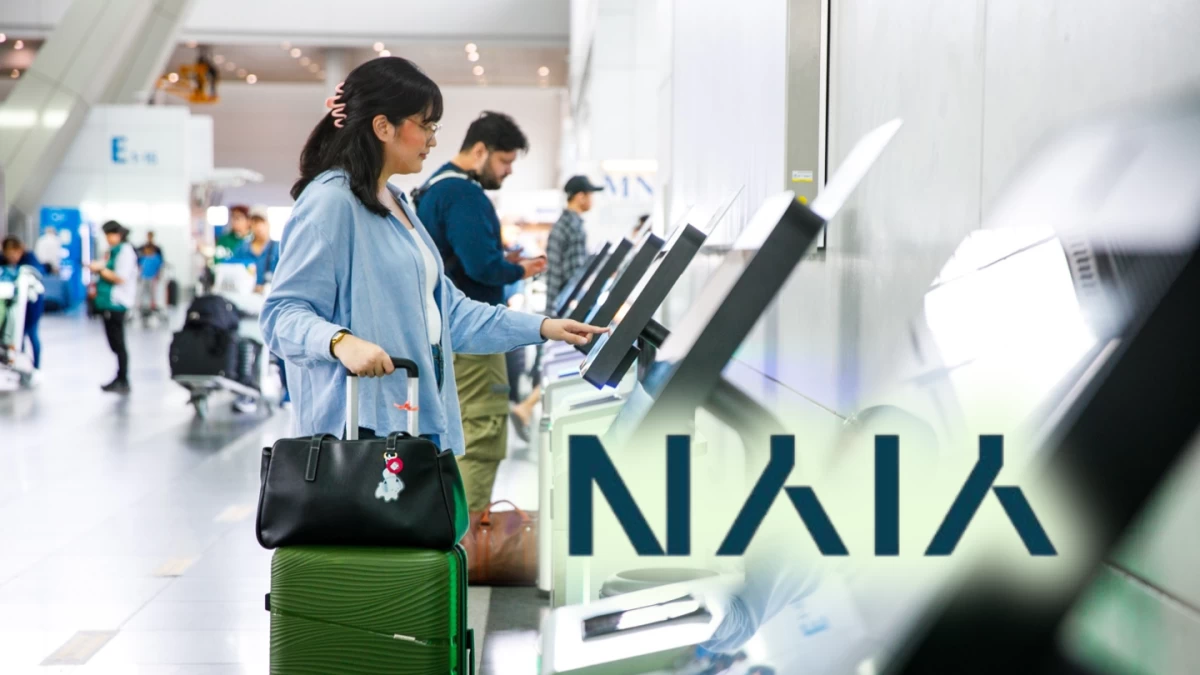
New NAIA Infra Corp. is accelerating the digital overhaul of Manila’s main international gateway, integrating more carriers into an automated passenger processing system designed to alleviate the chronic congestion long associated with the Ninoy Aquino International Airport (NAIA).
The airport’s private operator announced on Thursday, Feb. 19, that self-service kiosks, automated pre-security screening, and self-boarding gates are now functional across Terminals 1, 2, and 3. The initiative marked a shift in NNIC’s strategy to modernize the facility, which has faced historical criticism for infrastructure bottlenecks.
By allowing passengers to check in, print boarding passes, and tag luggage via automated lanes, the operator aims to redirect traffic away from traditional check-in counters.
At Terminal 1, the automated services are currently available to Philippine Airlines (PAL) passengers traveling to international destinations, with the exception of routes to Japan and the Middle East. Asiana Airlines has also integrated its systems for Korean nationals and travelers from visa-exempt countries.
Terminal 2, which primarily handles high-volume domestic traffic, has seen full adoption by the country’s three major carriers. Philippine Airlines, Cebu Pacific, and AirAsia have all enabled the kiosks for their entire domestic networks. This move is expected to significantly impact turnaround times during peak hours for local travel.
In Terminal 3, the integration is even more extensive. Cebu Pacific has opened the system for both its domestic and international flights, while AirAsia has enabled it for its international departures. Global carriers including United Airlines, Qatar Airways, and Air Canada have also joined the program. For United, the service is currently restricted to passengers who do not require a visa for their destination.
NNIC stated that the systems are fully operational and that the rollout is following a phased approach as more airlines complete the necessary technical integration. The operator noted that the automated bag-drop features are also undergoing activation in stages. The transition aligns Manila’s operations with biometric-enabled standards increasingly common in major aviation hubs throughout Asia and North America.
While the automation is now live, NNIC continues to encourage passengers on eligible flights to utilize the kiosks located near terminal check-in areas before proceeding to the pre-security gates. The operator expects to add more airlines and routes to the automated roster in the coming months as system integration continues.