







Fill your cup and stock your cupboard in one stop at Modo Cafe
A café break becomes a retail run at Modo Food and Living Japan Café, shaping shopping and daily living
Published Feb 19, 2026 08:45 pm


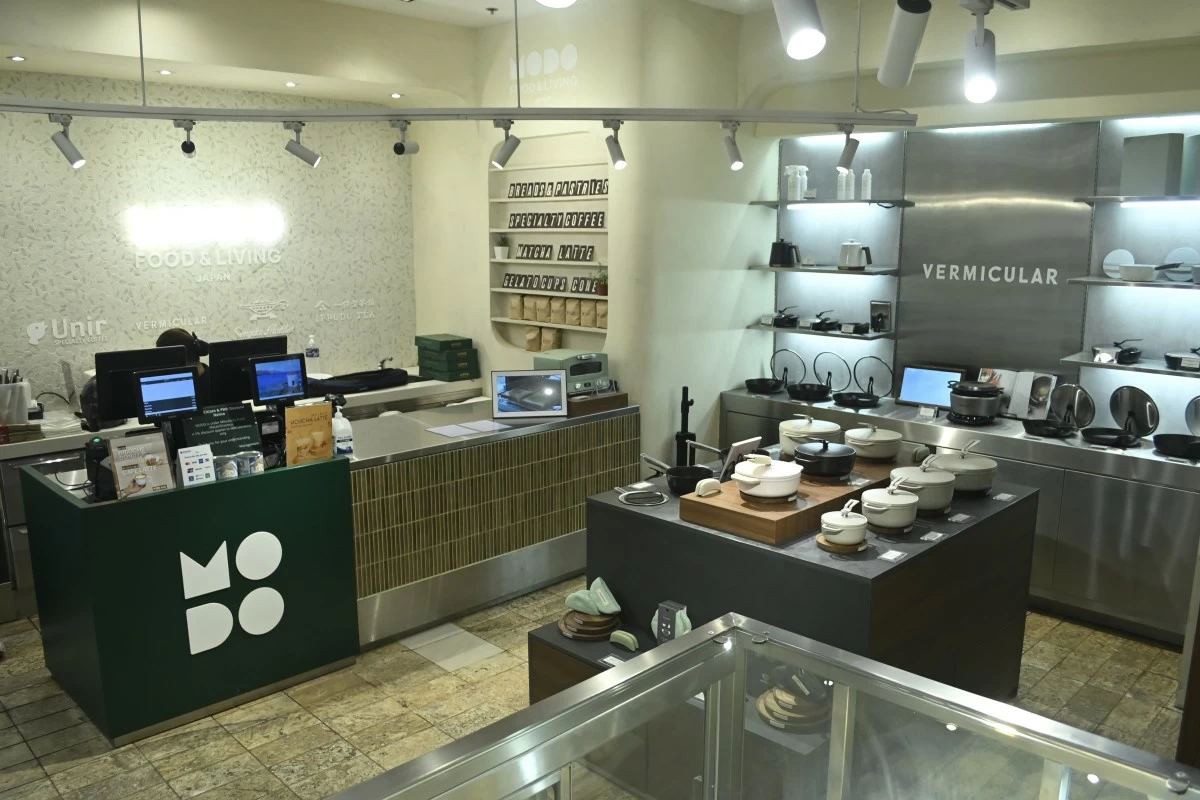
Modo showcases Japanese kitchen and lifestyle brands including Sengoku Aladdin ovens, Ippodo Tea, Unir Coffee, and Vermicular cookware
After a few laps around Mitsukoshi Mall, you start looking for a place to rest. There are several places to eat, but you may still want to browse kitchen and home items instead of rushing through stores. Modo Food and Living Japan Café offers both, combining drinks and kitchenware in one space.
Opened in late January 2026 at Mitsukoshi Mall in Bonifacio Global City, Taguig, the former Café Dolci now operates as Modo Café, serving its signature pastries, gelatos, and coffee alongside Modo’s kitchen and lifestyle brands.
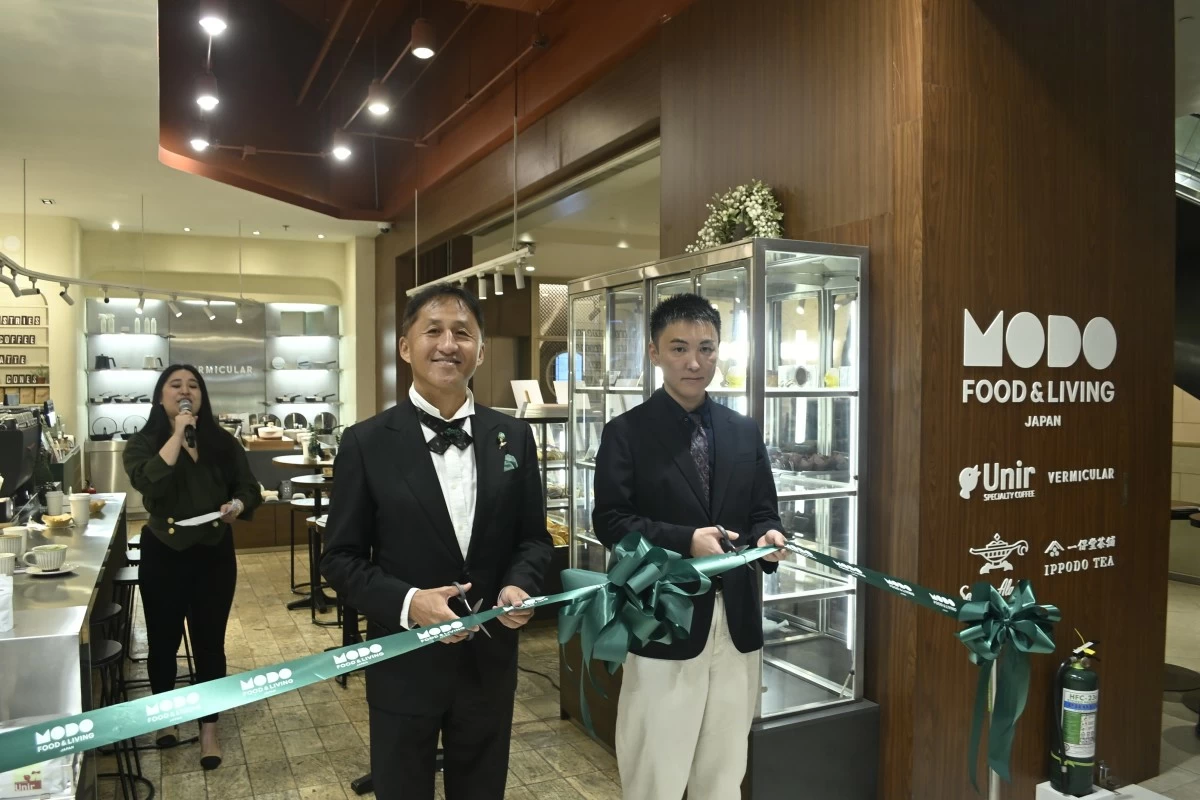
Takeki Furukubo, vice chairman of Modo, during the ribbon-cutting ceremony of Modo Café at Mitsukoshi Mall in Bonifacio Global City, Taguig.
The launch began with a ribbon-cutting led by Takeki Furukubo, vice chairman of Modo, followed by live demonstrations by project head Mary Cotoco. The program started with coffee from Kyoto roaster Unir Coffee, then roast beef cooked in Vermicular cast-iron cookware by Aichi Dobby. Guests also sampled Ippodo Tea before the finale of rice and yakitori prepared using the Sengoku Aladdin graphite oven, which uses far-infrared heating for quick, even cooking.
Furukubo described the brand as both a personal mission and a business, shaped by the professional values he gained in Japan and the opportunities he found in the Philippines, and as a way to create meaningful connections between the two countries.
“The name reflects this idea. The ‘M’ symbolizes the Philippines, the first ‘O’ symbolizes Japan, and together they represent doing something new together. We intentionally added ‘Japan’ not simply because some of our brands originate there—many of our bakery items, pastries, and gelato are actually made locally. Rather, ‘Japan’ represents a mindset: attention to detail, respect for others, cleanliness, discipline, and pride in craftsmanship. These qualities are widely admired by Filipinos who visit Japan, and we believe they can blend naturally with the warmth, creativity, and hospitality already strong in Filipino culture,” he said.
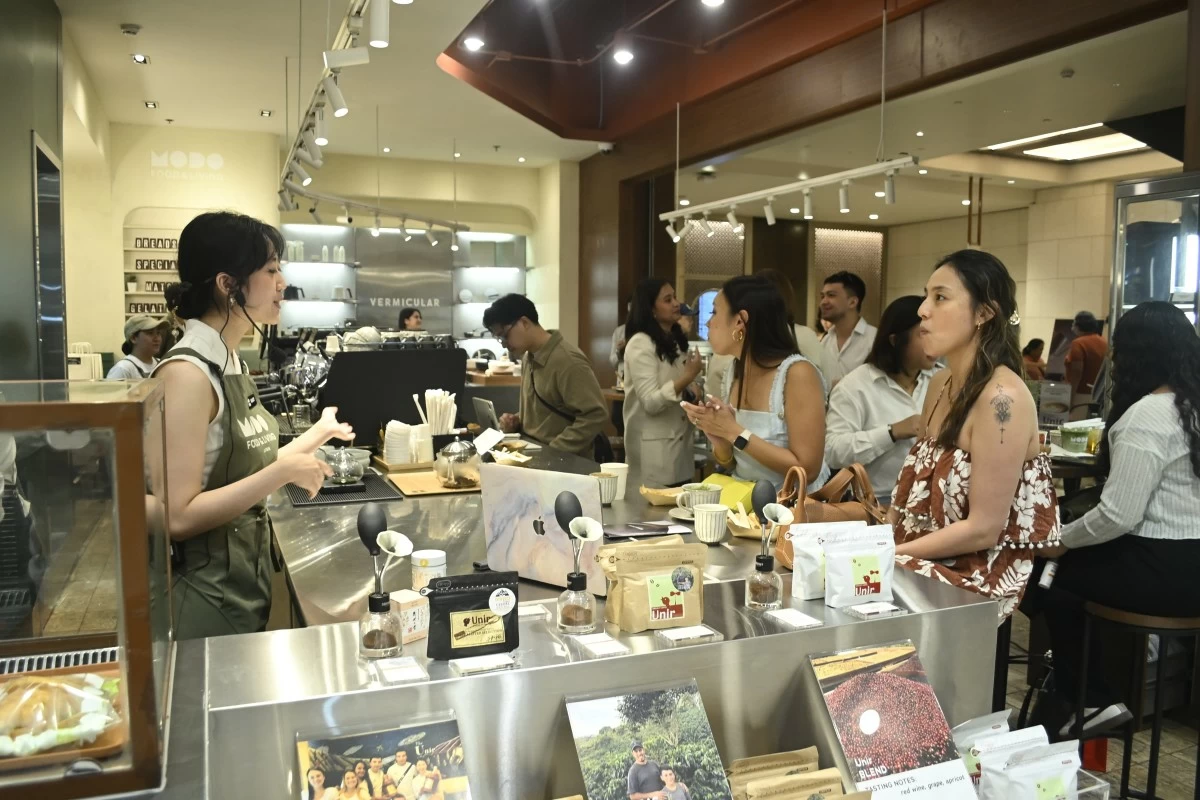
Guests watched Mary Cotoco, project head, provide live demonstrations of the products and share a brief history, explaining how each brand is used in everyday cooking and drink preparation.
He added that the goal also focuses on well-being by introducing Japanese-inspired food, lifestyle practices, and work standards that can support daily comfort, productivity, and job opportunities in the Philippines while benefiting local and Japanese partners. Early interest in the concept has been encouraging, but the long-term aim is for Modo to become part of everyday routines, from choosing better-quality items and enjoying coffee or tea more thoughtfully to keeping more organized spaces and more considerate daily interactions.
For Furukubo, success is defined by long-term impact, while daily progress is measured through expanding customer touchpoints across stores and online channels and regular engagement. He added that Modo is not about copying Japan but combining its values with Filipino lifestyle, and that if visitors leave more comfortable and willing to return, then the concept has done its job. (Rodmill G. Lopez)