







Repetition reigns in 'Painting Rules'
A look into Peter Zimmermann's first solo exhibit in the Philippines
By Poch Eulalia
Published Feb 18, 2026 10:51 am


At A Glance
- Working with such a unique medium is no simple task.
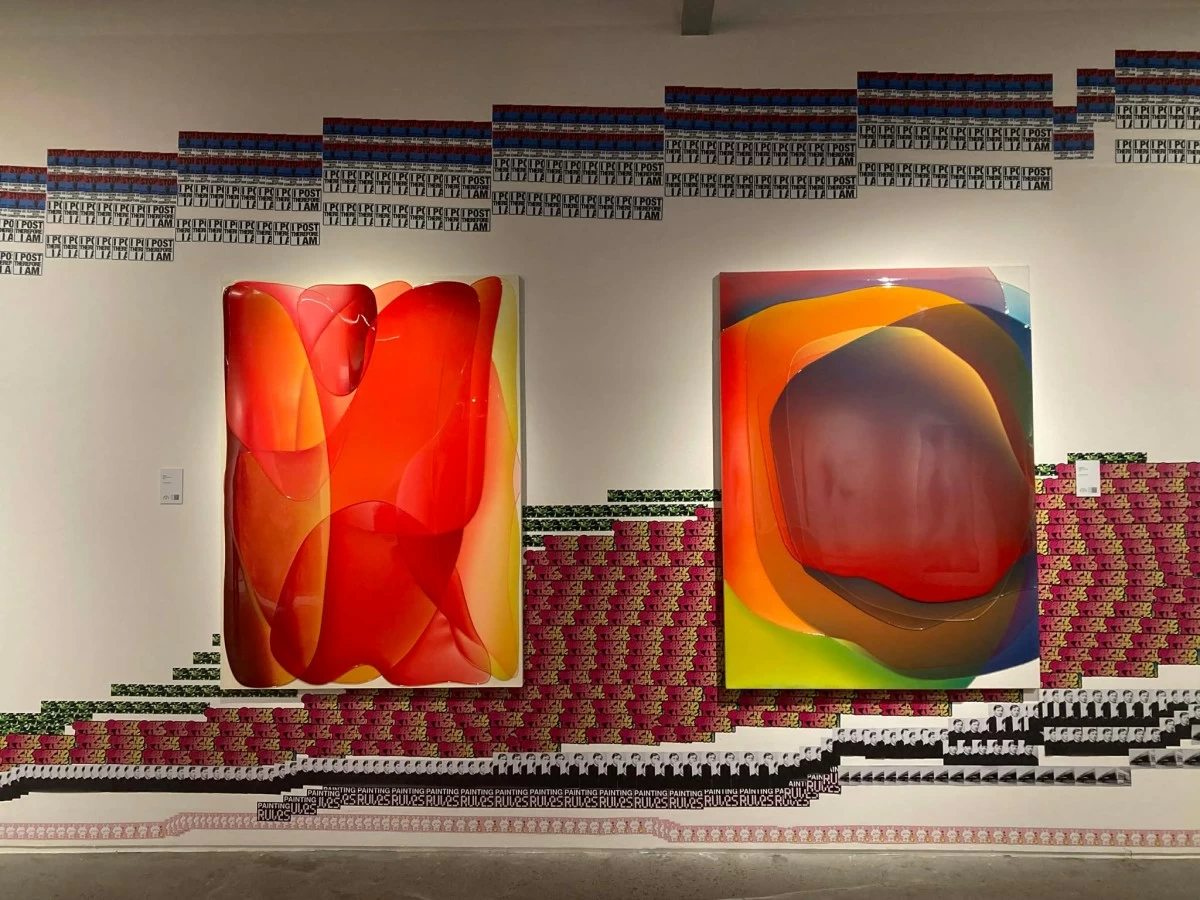
'PLASMA' epoxy on canvas, 2020; 'MAGNIFIER' epoxy on canvas, 2021
Contrary to the exhibit's title, “Painting Rules,” Peter Zimmermann's artworks show how he isn't afraid to go past artistic norms.
It was in the late ’80s when Peter first experimented with epoxy as a medium. He found the glossiness of the medium fascinating to look at, and it stuck with him. At the time, Germany was facing a wild arts movement. Different counter-culture styles and vivid imagery would rule the streets. Overall, a fine time that defined the extreme joy we associate with the latter years of the ’90s. It was during this exciting era of art that Peter wanted to find his own way into painting.
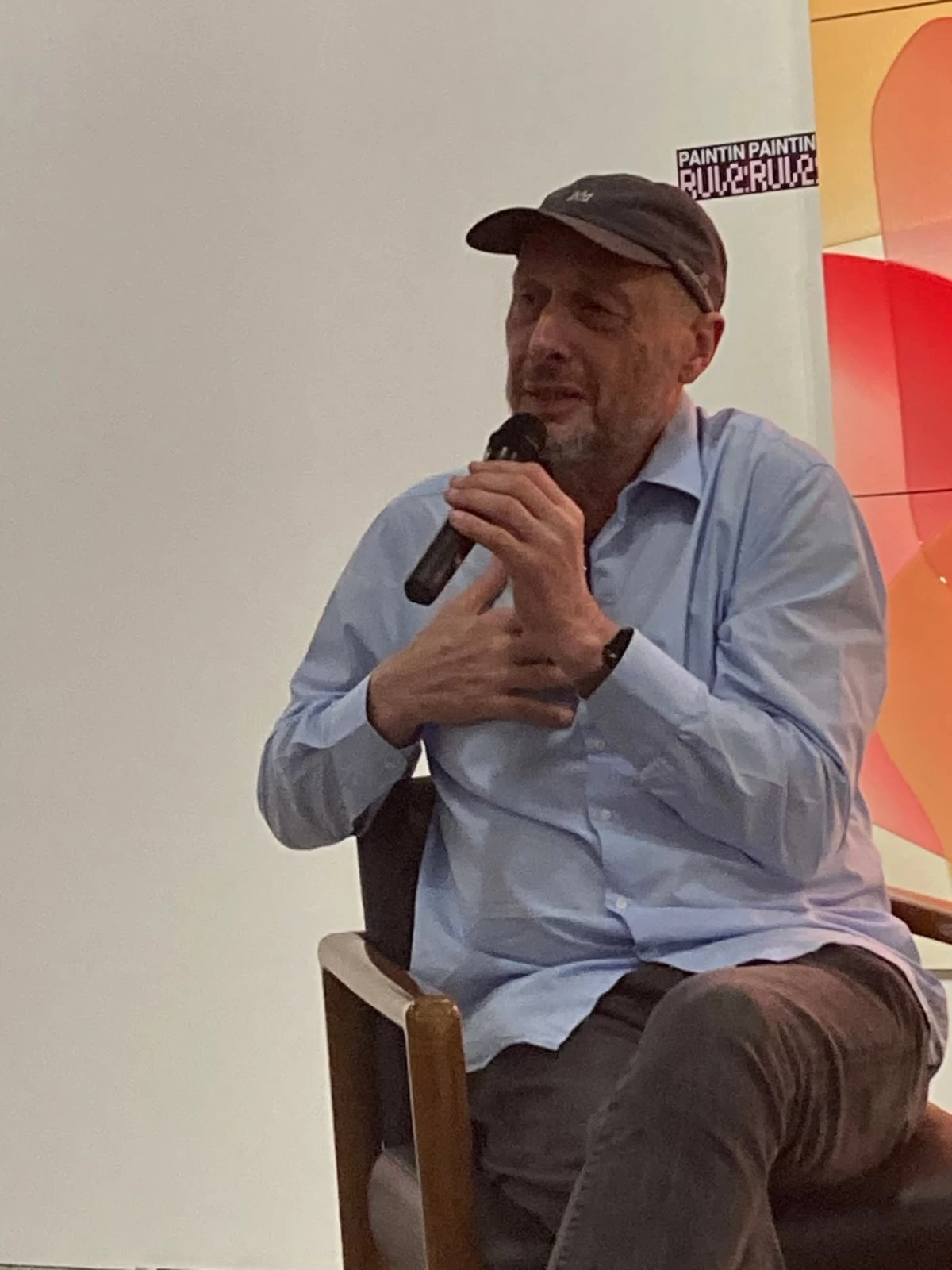
MEET THE ARTIST Peter Zimmermann
Working with such a unique medium is no simple task. Handling epoxy resin requires precision. To get the right color, you need to mix the right amount of resin and pigment powders. There's almost no room for rule-breaking, as adding one too many to the mixture can affect the final render. Yet, Peter shares how he isn't afraid to have fun when working with epoxy resin. He enjoys experimenting with layers and transparency, treating his art-making process like a game. “I like to break the rules. I'm not a machine,” shares Peter. “I think that's part of the game: To have rules but to break them.”
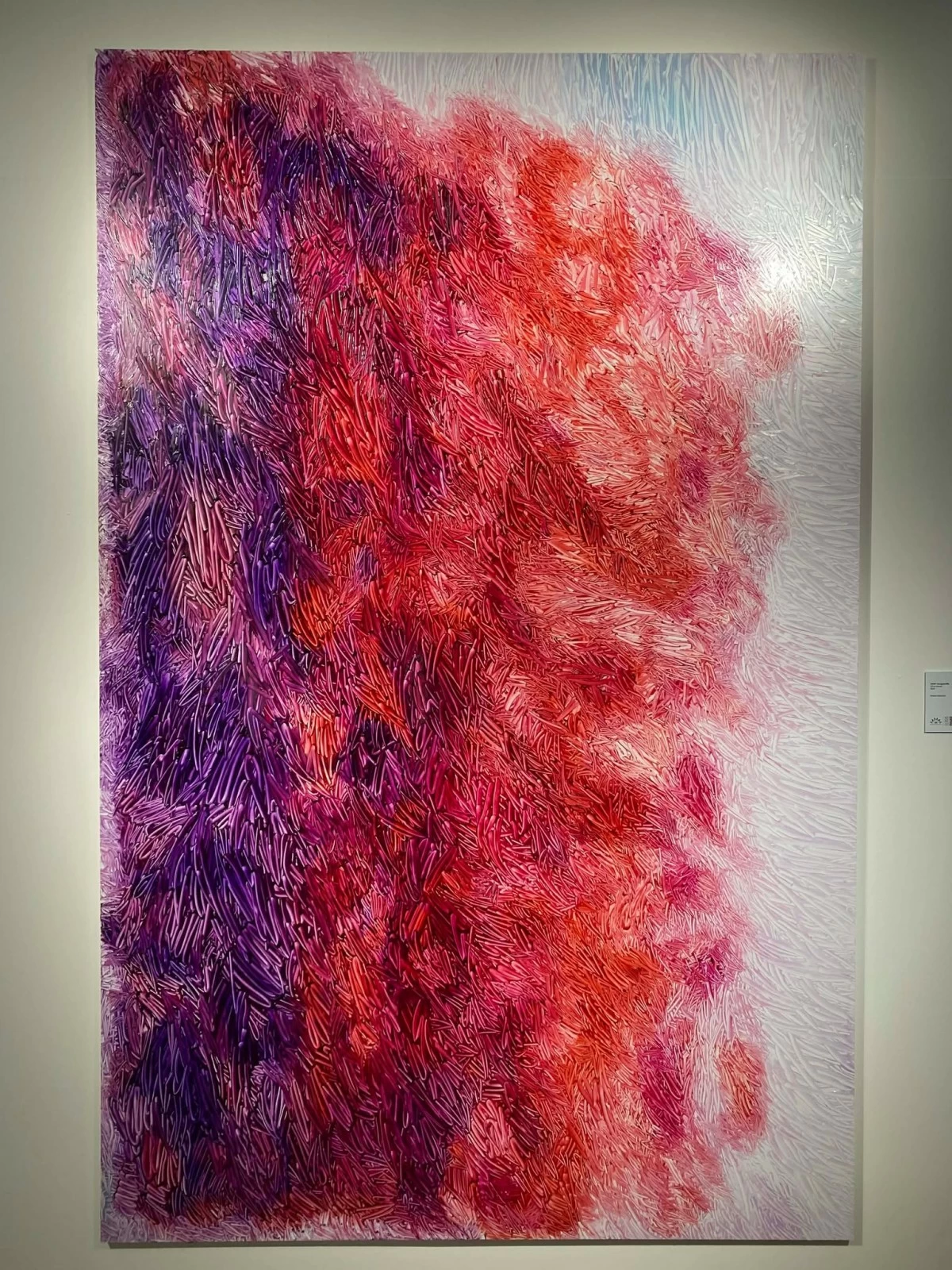
'#2441 BOUGAINVILLE' oil on canvas, 2019
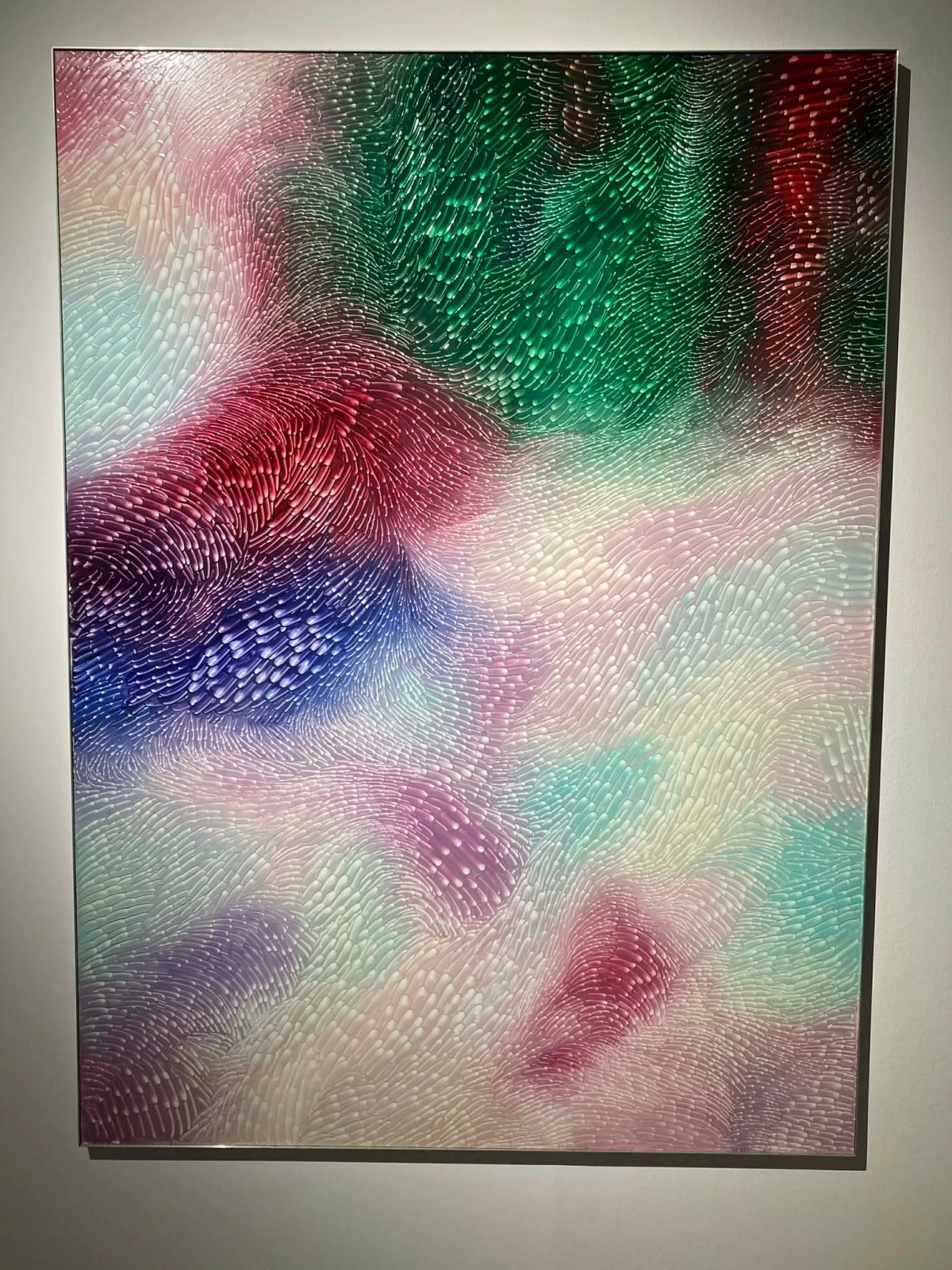
'SWEEPING' oil on dibond, 2021
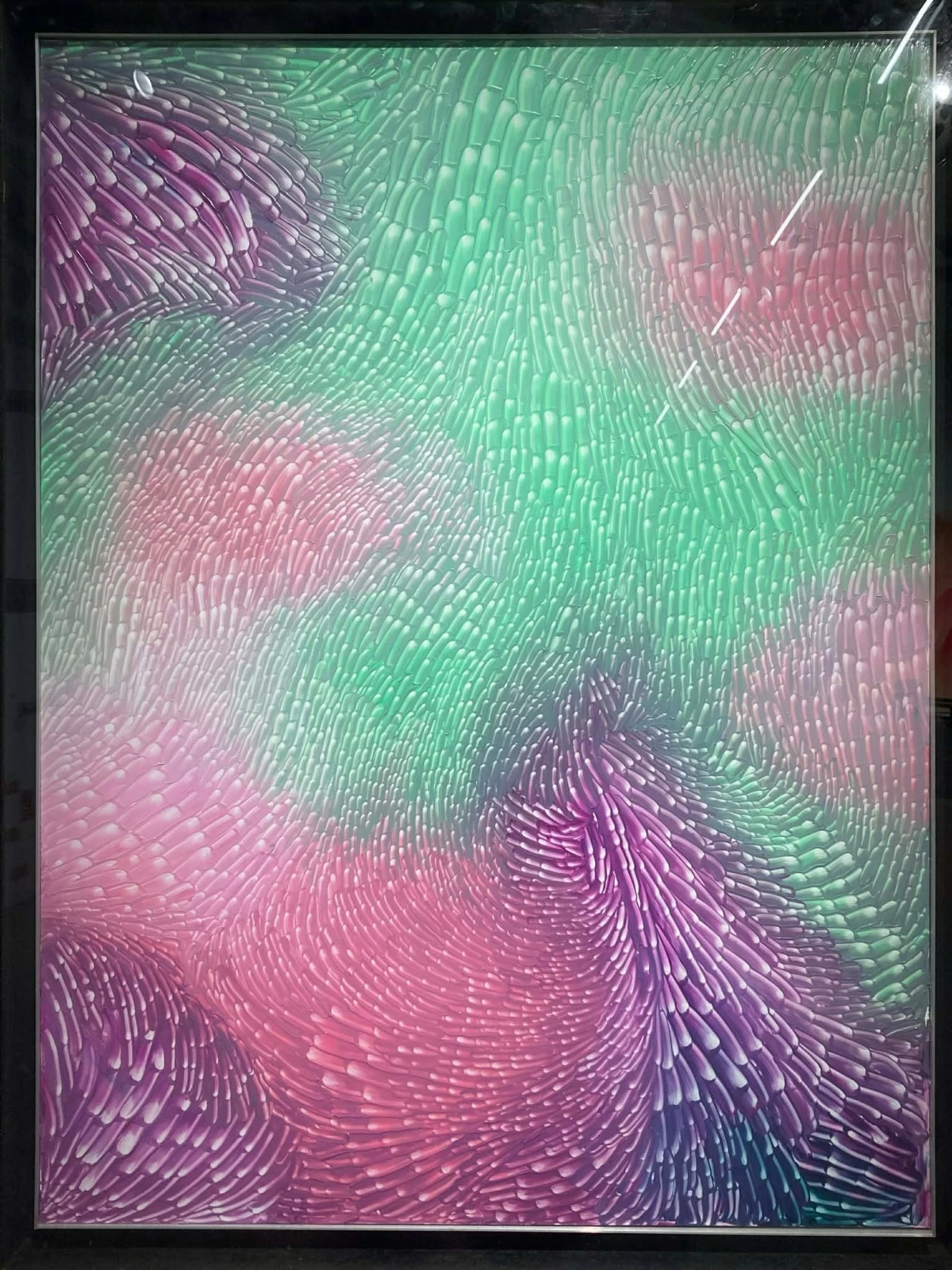
'EX SUPRA' oil on dibond, 2020
A standout feature in “Painting Rules” is how multiple stickers grace its walls. While a machine could copy and paste these layers, one over the other in record time, these stickers were put up by hand by student volunteers. It's a repetitive, almost hypnotic, pattern, showing Filipino images like the flag, a hashtag for the “Trillion Peso March” movement, the old Metropolitan Museum of Manila venue, and, perhaps, the most iconic, that of Dr. Jose Rizal. Peter shares how fascinated he was that Rizal's image would always pop up whenever he searched for stickers relating to our country. He was equally amused in learning the hero's connection with Germany as well, with Rizal having “Noli Me Tangere” first printed in Berlin.
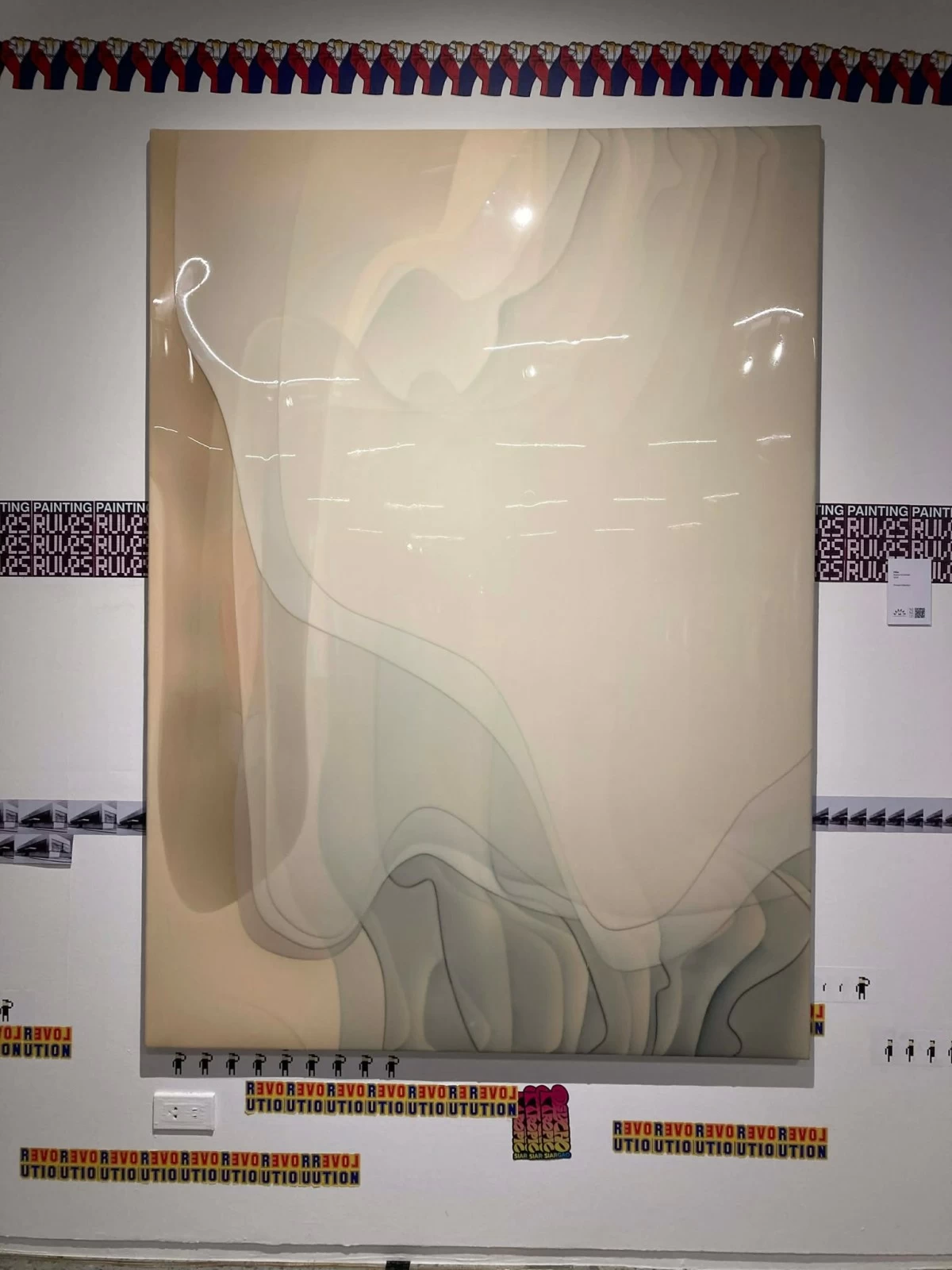
'PILLAR' epoxy on canvas, 2018
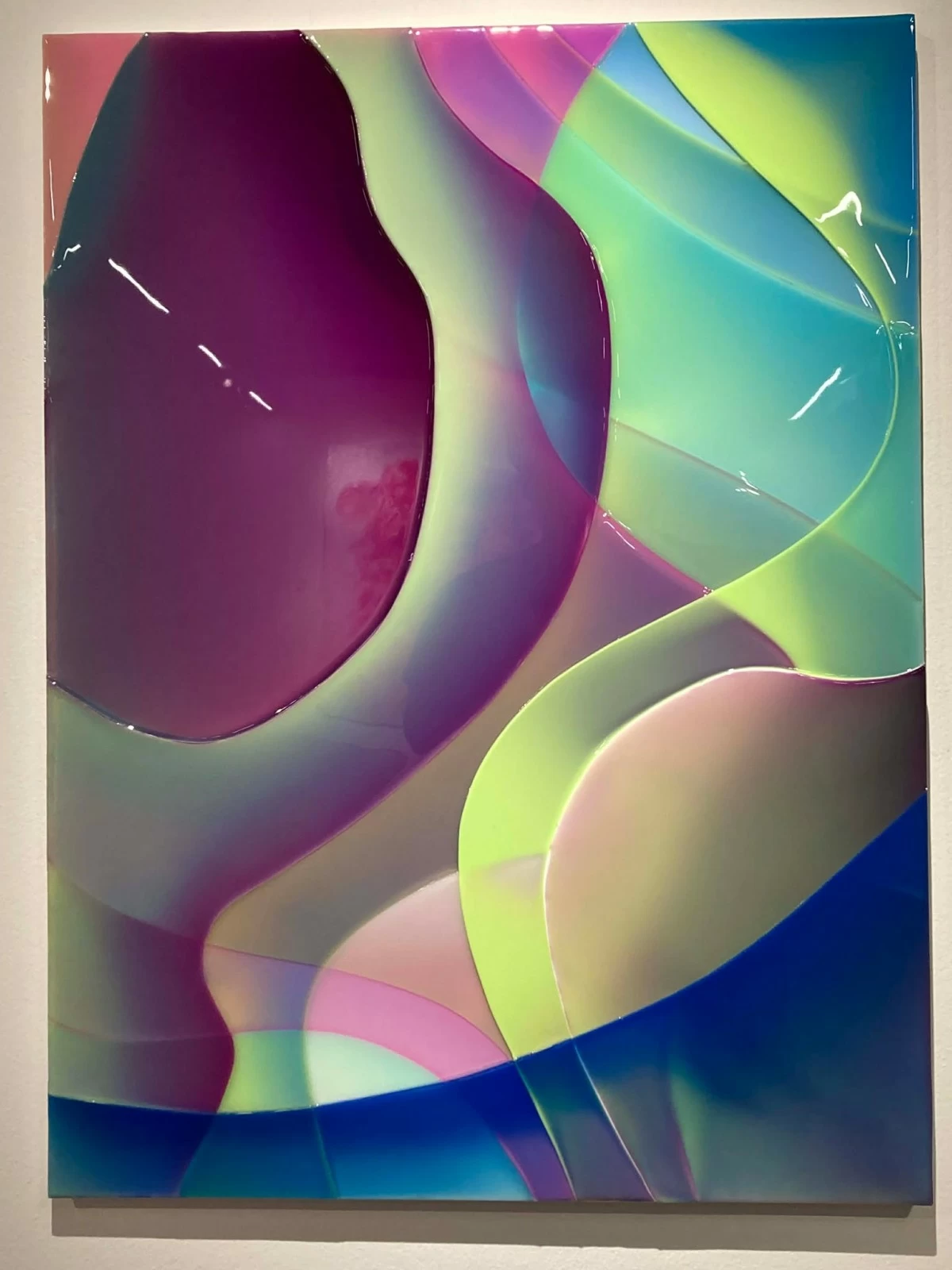
'#3116 SHAPE OF THINGS' epoxy on canvas, 2025
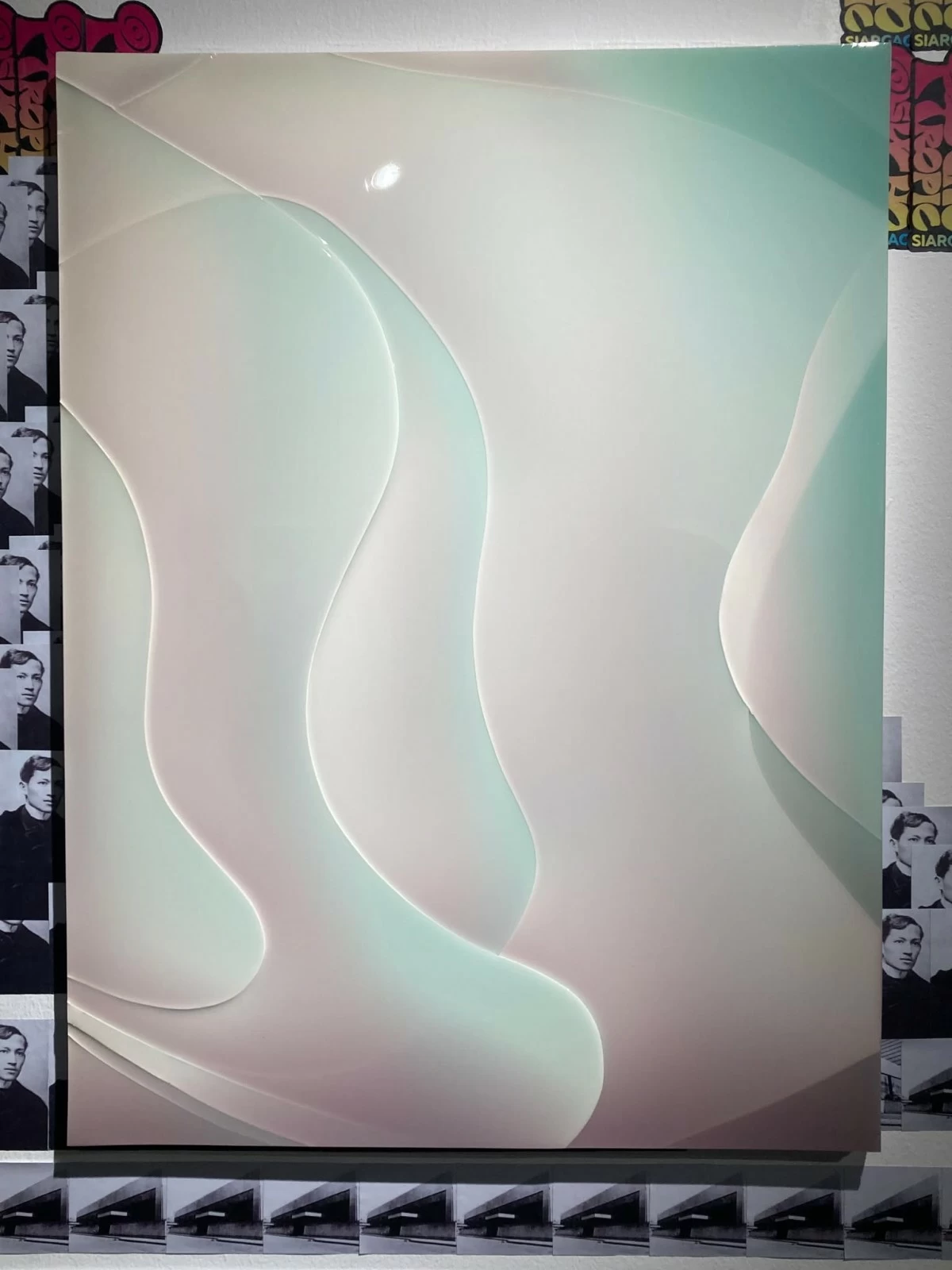
'#3001 CRYSTALIZED' epoxy on canvas, 2023
Peter's works blend nicely with the algorithmic waves of stickers acting as its background. “Sweeping,” “#2441 Bougainville,” “Oil Supra,” and “Mineral” have a lucid feeling to them. Linear patterns within the four feel like multiple thumbprints meshing together and swaying freely to form an image. Meanwhile, works like “#3116 Shape of Things,” “Plasma,” “Magnifier,” “#3001 Crystalized,” “Pillar,” “Plane,” “Palladium,” and “#3118 Solar Jade” show the mellow waves formed from Peter's playing around. They evoke a certain calmness, mostly stemming from the transparent nature of the medium, allowing the viewer to see through every layer he worked on.
Peter Zimmermann's “Painting Rules” is on display, in collaboration with Taiwan and New York-based Nunu Art Gallery, at the Metropolitan Museum of Manila, BGC.