ADVERTISEMENT

Ashes and the mercy of God

Published Feb 18, 2026 12:05 am  |  Updated Feb 17, 2026 04:04 pm
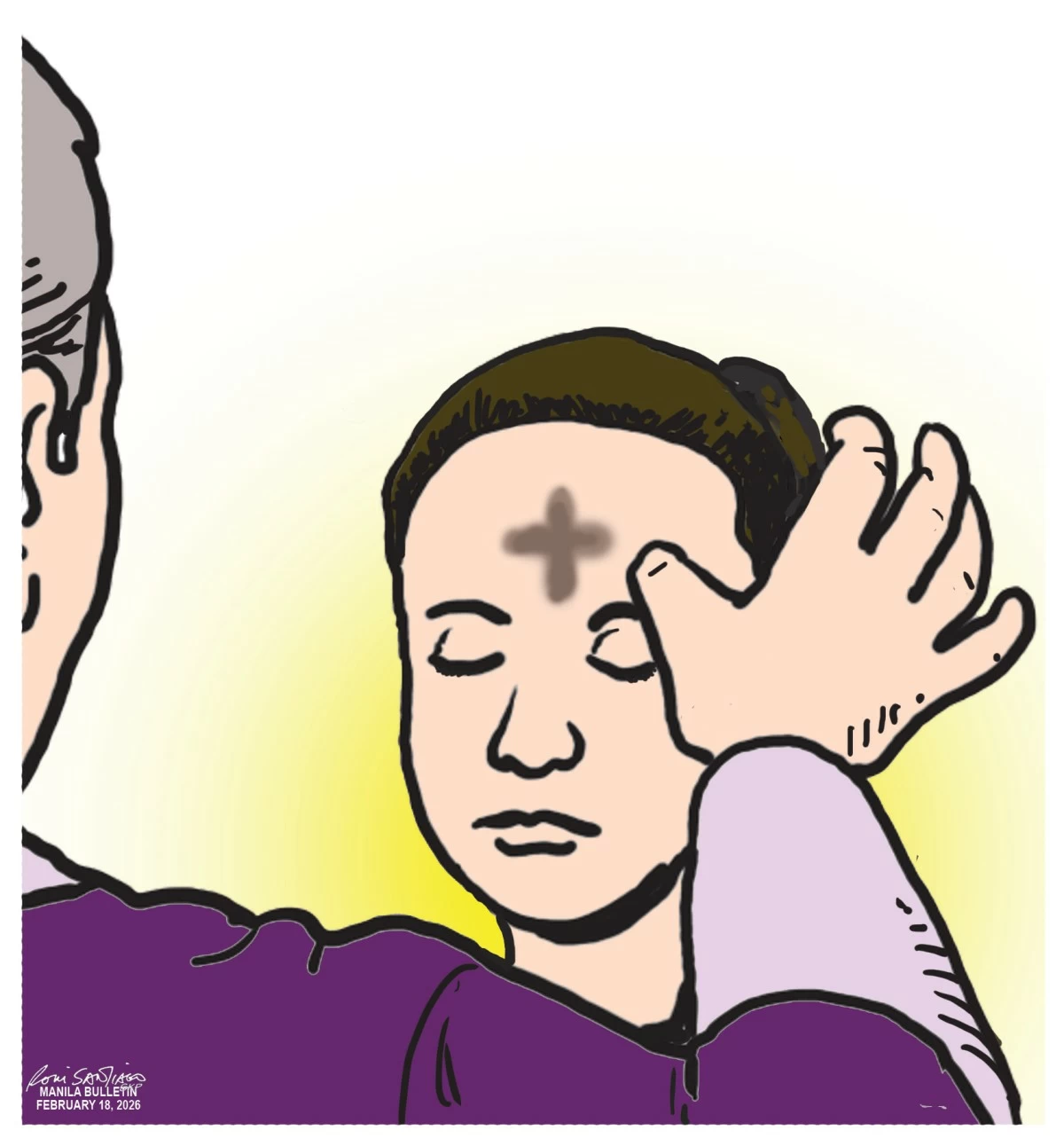
Ash Wednesday, to some Christian denominations, is the beginning of the Lenten Season. The imposition of ashes frames the Christian understanding of human frailty. And as it is written in Genesis 3:19, “Remember that you are dust, and to dust you shall return”. This underscores that humanity is finite, accountable, and wholly dependent upon the mercy of God.
Yet Ash Wednesday does not claim to save as salvation belongs to Jesus Christ alone. The Scripture affirms that redemption is accomplished not through ritual observance but through the atoning sacrifice of Jesus when He died on the cross. As the apostle Paul writes, “God demonstrates His own love for us in this: While we were still sinners, Christ died for us” (Romans 5:8). It is through His death on the cross that we are redeemed from sin and reconciled to the Father. The ashes, therefore, do not redeem; they remind. They direct the believer’s gaze toward the cross, where true and final salvation was secured.
The prophetic call resounds in Joel’s exhortation: “Return to Me with all your heart, with fasting, with weeping, and with mourning… Rend your heart and not your garments” (Joel 2:12–13). The emphasis falls not on outward display but inward transformation. Ash Wednesday opens a season in which Christians are urged to examine the condition of the heart. Repentance is a deliberate turning away from sin and a renewed submission to the lordship of Christ.
Fasting, long embedded in the Church’s spiritual discipline, acquires renewed significance during this season. Our Lord’s instruction is unequivocal: “When you fast, do not look somber as the hypocrites do… But when you fast, put oil on your head and wash your face” (Matthew 6:16–17). Fasting trains the appetites, reorders priorities, and exposes hidden dependencies. It is a tangible acknowledgment that “man shall not live by bread alone, but by every word that comes from the mouth of God” (Matthew 4:4). By voluntary self-denial, believers cultivate spiritual attentiveness and humility before God.
The 40-day observance of Lent finds its model in Christ Himself. Following His baptism, “Jesus was led by the Spirit into the wilderness to be tempted by the devil” (Matthew 4:1). For 40 days and 40 nights He fasted, entering fully into the vulnerability of human hunger and temptation. In that wilderness, He did not rely upon miraculous power for self-preservation but answered each temptation with the authority of the Scripture. His obedience in deprivation foreshadowed His ultimate obedience at Calvary. It reveals the steadfast righteousness of the Son who would bear the sins of the world.
Prayer likewise occupies a central place in the Lenten journey. Christ teaches, “When you pray… your Father who sees in secret will reward you” (Matthew 6:6). Prayer is a disciplined return to communion with God. It cultivates contrition, dependence, and trust. Through prayer, the believer aligns personal will with divine purpose, seeking not merely relief from guilt but transformation of character.
Repentance completes this triad of disciplines. The promise of Scripture is both clear and consoling: “If we confess our sins, He is faithful and just and will forgive us our sins and purify us from all unrighteousness” (1 John 1:9). Confession is an act of faith in the sufficiency of Christ’s sacrifice. Because He has borne the penalty of sin, the penitent may approach God with confidence in His forgiveness.
Thus, Ash Wednesday is not an end in itself but a solemn commencement. The ashes signify mortality; the disciplines cultivate humility; the cross secures redemption. In remembering that we are dust, we are directed to Jesus Christ—the one who, through His death and resurrection, grants eternal life to all who believe.
ADVERTISEMENT
.most-popular .layout-ratio{ padding-bottom: 79.13%; } @media (min-width: 768px) and (max-width: 1024px) { .widget-title { font-size: 15px !important; } }

{{ articles_filter_1561_widget.title }}

.most-popular .layout-ratio{ padding-bottom: 79.13%; } @media (min-width: 768px) and (max-width: 1024px) { .widget-title { font-size: 15px !important; } }

{{ articles_filter_1562_widget.title }}

.most-popular .layout-ratio{ padding-bottom: 79.13%; } @media (min-width: 768px) and (max-width: 1024px) { .widget-title { font-size: 15px !important; } }

{{ articles_filter_1563_widget.title }}

{{ articles_filter_1564_widget.title }}

.mb-article-details { position: relative; } .mb-article-details .article-body-preview, .mb-article-details .article-body-summary{ font-size: 17px; line-height: 30px; font-family: "Libre Caslon Text", serif; color: #000; } .mb-article-details .article-body-preview iframe , .mb-article-details .article-body-summary iframe{ width: 100%; margin: auto; } .read-more-background { background: linear-gradient(180deg, color(display-p3 1.000 1.000 1.000 / 0) 13.75%, color(display-p3 1.000 1.000 1.000 / 0.8) 30.79%, color(display-p3 1.000 1.000 1.000) 72.5%); position: absolute; height: 200px; width: 100%; bottom: 0; display: flex; justify-content: center; align-items: center; padding: 0; } .read-more-background a{ color: #000; } .read-more-btn { padding: 17px 45px; font-family: Inter; font-weight: 700; font-size: 18px; line-height: 16px; text-align: center; vertical-align: middle; border: 1px solid black; background-color: white; } .hidden { display: none; }
function initializeAllSwipers() { // Get all hidden inputs with cms_article_id document.querySelectorAll('[id^="cms_article_id_"]').forEach(function (input) { const cmsArticleId = input.value; const articleSelector = '#article-' + cmsArticleId + ' .body_images'; const swiperElement = document.querySelector(articleSelector); if (swiperElement && !swiperElement.classList.contains('swiper-initialized')) { new Swiper(articleSelector, { loop: true, pagination: false, navigation: { nextEl: '#article-' + cmsArticleId + ' .swiper-button-next', prevEl: '#article-' + cmsArticleId + ' .swiper-button-prev', }, }); } }); } setTimeout(initializeAllSwipers, 3000); const intersectionObserver = new IntersectionObserver( (entries) => { entries.forEach((entry) => { if (entry.isIntersecting) { const newUrl = entry.target.getAttribute("data-url"); if (newUrl) { history.pushState(null, null, newUrl); let article = entry.target; // Extract metadata const author = article.querySelector('.author-section').textContent.replace('By', '').trim(); const section = article.querySelector('.section-info ').textContent.replace(' ', ' '); const title = article.querySelector('.article-title h1').textContent; // Parse URL for Chartbeat path format const parsedUrl = new URL(newUrl, window.location.origin); const cleanUrl = parsedUrl.host + parsedUrl.pathname; // Update Chartbeat configuration if (typeof window._sf_async_config !== 'undefined') { window._sf_async_config.path = cleanUrl; window._sf_async_config.sections = section; window._sf_async_config.authors = author; } // Track virtual page view with Chartbeat if (typeof pSUPERFLY !== 'undefined' && typeof pSUPERFLY.virtualPage === 'function') { try { pSUPERFLY.virtualPage({ path: cleanUrl, title: title, sections: section, authors: author }); } catch (error) { console.error('ping error', error); } } // Optional: Update document title if (title && title !== document.title) { document.title = title; } } } }); }, { threshold: 0.1 } ); function showArticleBody(button) { const article = button.closest("article"); const summary = article.querySelector(".article-body-summary"); const body = article.querySelector(".article-body-preview"); const readMoreSection = article.querySelector(".read-more-background"); // Hide summary and read-more section summary.style.display = "none"; readMoreSection.style.display = "none"; // Show the full article body body.classList.remove("hidden"); } document.addEventListener("DOMContentLoaded", () => { let loadCount = 0; // Track how many times articles are loaded const offset = [1, 2, 3, 4, 5, 6, 7, 8, 9, 10]; // Offset values const currentUrl = window.location.pathname.substring(1); let isLoading = false; // Prevent multiple calls if (!currentUrl) { console.log("Current URL is invalid."); return; } const sentinel = document.getElementById("load-more-sentinel"); if (!sentinel) { console.log("Sentinel element not found."); return; } function isSentinelVisible() { const rect = sentinel.getBoundingClientRect(); return ( rect.top < window.innerHeight && rect.bottom >= 0 ); } function onScroll() { if (isLoading) return; if (isSentinelVisible()) { if (loadCount >= offset.length) { console.log("Maximum load attempts reached."); window.removeEventListener("scroll", onScroll); return; } isLoading = true; const currentOffset = offset[loadCount]; window.loadMoreItems().then(() => { let article = document.querySelector('#widget_1690 > div:nth-last-of-type(2) article'); intersectionObserver.observe(article) loadCount++; }).catch(error => { console.error("Error loading more items:", error); }).finally(() => { isLoading = false; }); } } window.addEventListener("scroll", onScroll); });

Sign up by email to receive news.