






Manila Bulletin
 Philippines
National
Senate to play catch up with House on estate tax amnesty extension
Philippines
National
Senate to play catch up with House on estate tax amnesty extension
Philippines
National
Senate to play catch up with House on estate tax amnesty extension
Senate to play catch up with House on estate tax amnesty extension
Published Feb 17, 2026 03:27 pm


At A Glance
- With the first regular session of the 20th Congress entering its final stretch, the onus is on the Senate to catch up with the House of Representatives in passing the Estate Tax Amnesty Program extension bill.
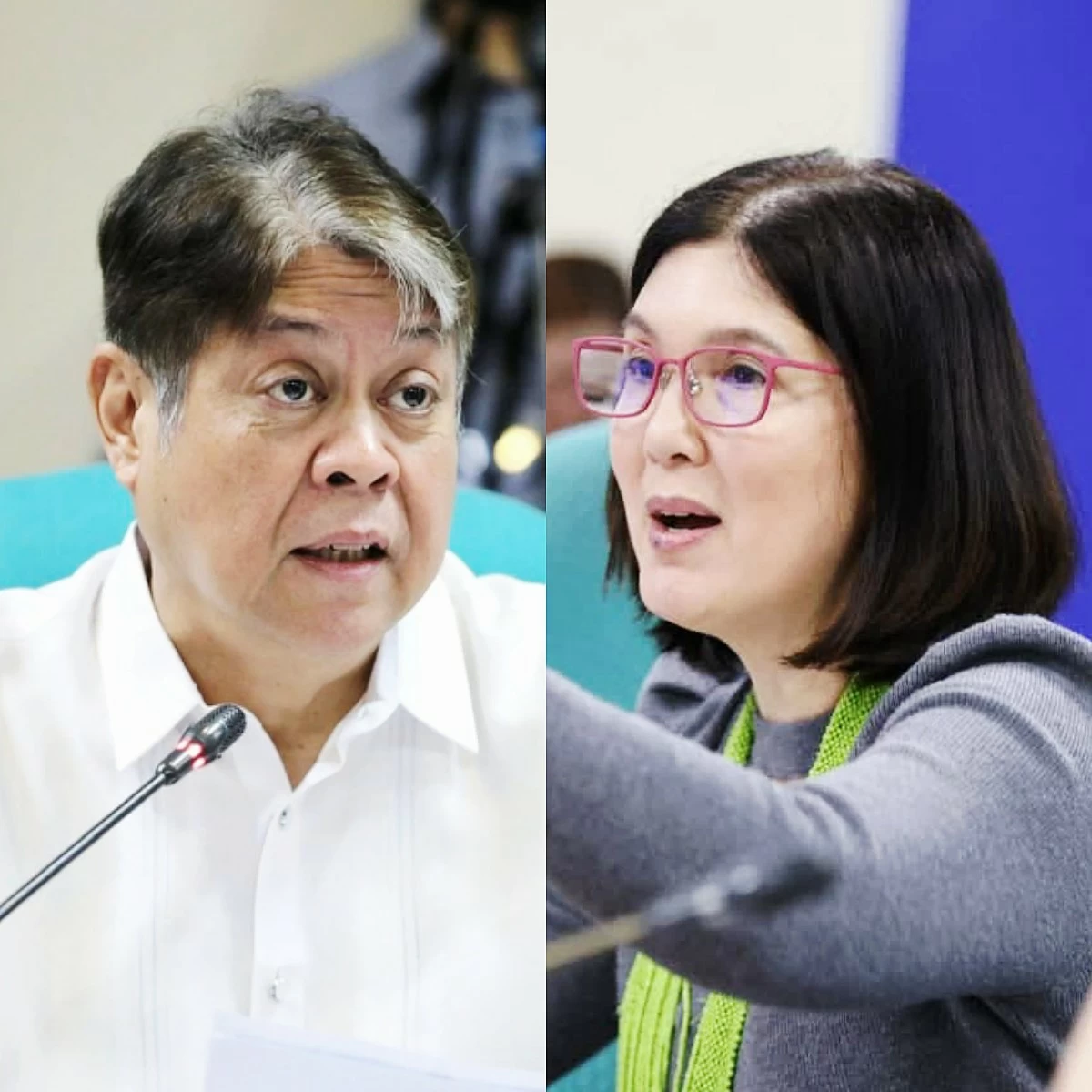
Senator Francis "Kiko” Pangilinan (left), Senator Pia Cayetano (Facebook)
With the first regular session of the 20th Congress entering its final stretch, the onus is on the Senate to catch up with the House of Representatives in passing the Estate Tax Amnesty Program extension bill.
This was recognized by Senator Francis "Kiko” Pangilinan ,who recently filed Senate Bill (SB) No. 1740, in the collective bid of Congress to extend the period of estate tax amnesty availment to Dec. 31, 2028.
Similar bills remain pending before the Senate Committee on Ways and Means chaired by Senator Pia Cayetano.
Over in the House, Cayetano's counterpart, Marikina City 2nd district Rep. Miro Quimbo successfully shepherded the passage on third and final reading of House Bill (HB) No. 6614 last Dec. 16, 2025.
The bill seeks to extend the coverage and period of availment of the Estate Tax Amnesty Program. It expands the coverage to the estates of decedents who died on or before Dec. 31, 2024 and extends the filing period by four years or until Dec. 31, 2028.
This will allow heirs, administrators, and beneficiaries to avail of the amnesty without penalties, surcharges, or interest, while paying significantly lower estate taxes.
It would be ideal for the Senate to pass on third and final reading its version of the Estate Tax Amnesty Program extension bill before March 21, or when Congress (House and Senate) starts a lenghty six-week recess.
The lawmakers from both chambers will reconvene on May 4, and hold plenary sessions until the sine die adjournment of the first regular session of the 20th Congress on June 5.
The House-approved measure is useless if the Senate fails to pass counterpart legislation.
Pangilinan recognized the ”persistent challenges” faced by many Filipino families in settling their estate tax obligations and formalizing ownership of inherited properties.
“[D]espite prior extensions, many Filipinos continue to struggle with compliance due to practical, economic, and external factors. These include financial hardships, documentation gaps in long-unsettled estates, and complex probate requirements that demand legal expertise and resources often beyond the reach for middle- and low-income families,” he said.
The proposed measure will free Filipino families from civil, criminal, and administrative liabilities, as well as allow installment payments of the estate taxes for up to two years without civil penalty and interest.
“This measure addresses longstanding barriers to timely settlement of estates. By providing a clear, fair, and flexible pathway to compliance, the bill supports the orderly transfer of ownership and promotes the regularization of property rights,” Pangilinan added.