ADVERTISEMENT

Biazon not satisfied with Maynilad's explanation on water service interruptions in Muntinlupa

Published Feb 17, 2026 12:56 pm  |  Updated Feb 17, 2026 03:18 pm
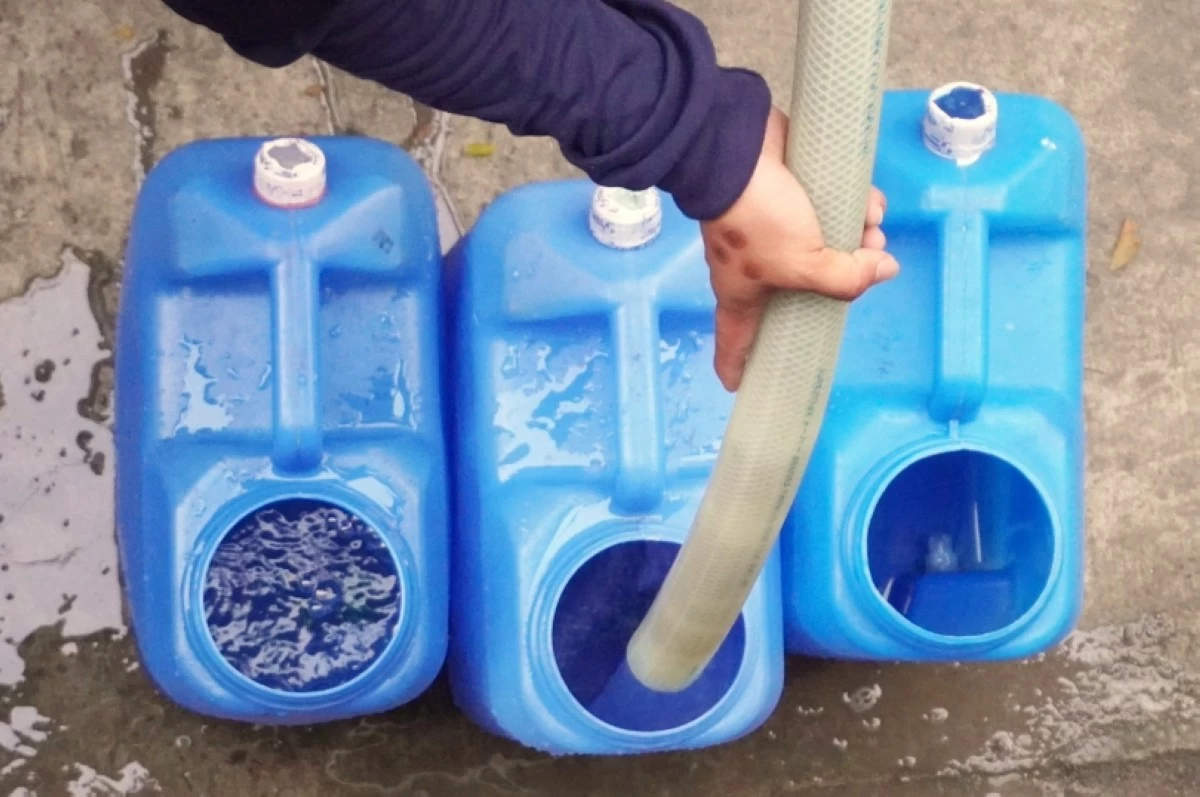
Distribution of water by the Muntinlupa City government (Photo from Muntinlupa PIO)

Mayor Ruffy Biazon said he was not satisfied by the answers given by representatives of Maynilad Water Services about the daily water service interruptions in Muntinlupa. 

The water service interruptions in Muntinlupa have occurred in barangays in the past few days, angering customers. 

Biazon held a live broadcast on Facebook together Public Information Office Head Mimi Gonzales and Maynilad representatives Greg Antonio, head of Maynilad Water Production South; Alfred Jhon Gallego, head of the Muntinlupa-Las Pinas Business Area; Alvin Cruz, head of outage management; and Marie Antonette De Ocampo, head of Corporate Affairs & Communication. 

“Sa totoo lang, hindi ako satisfied sa mga naging sagot. Ang hinihingi ng ating mga kababayan ay malinaw at reliable na scheduling tuwing may water interruption—'yung alam ng tao kung kailan mawawalan at kailan babalik ang tubig, para makapaghanda ang bawat pamilya (To be honest, I am not satisfied with the answers. What our countrymen are asking for is clear and reliable scheduling during water interruptions—people know when the water will be out and when it will be back, so that each family can prepare),” said Biazon. 

He added, “Humingi rin tayo ng kumpletong report kung ilang water tankers ang kanilang naipadala nitong nakaraang interruption para ma-validate natin ang kanilang deployment. Kasama rito ang hinihingi nating malinaw na deployment plan sa mga susunod na insidente. Sabi ko nga, ang kailangan natin ay konkretong solusyon, maayos na proseso, at mga hakbang na maaasahan (We also asked for a complete report on how many water tankers they sent during the previous interruption so that we can validate their deployment. This includes a clear deployment plan for future incidents. As I said, what we need is a concrete solution, a proper process, and reliable steps).” 
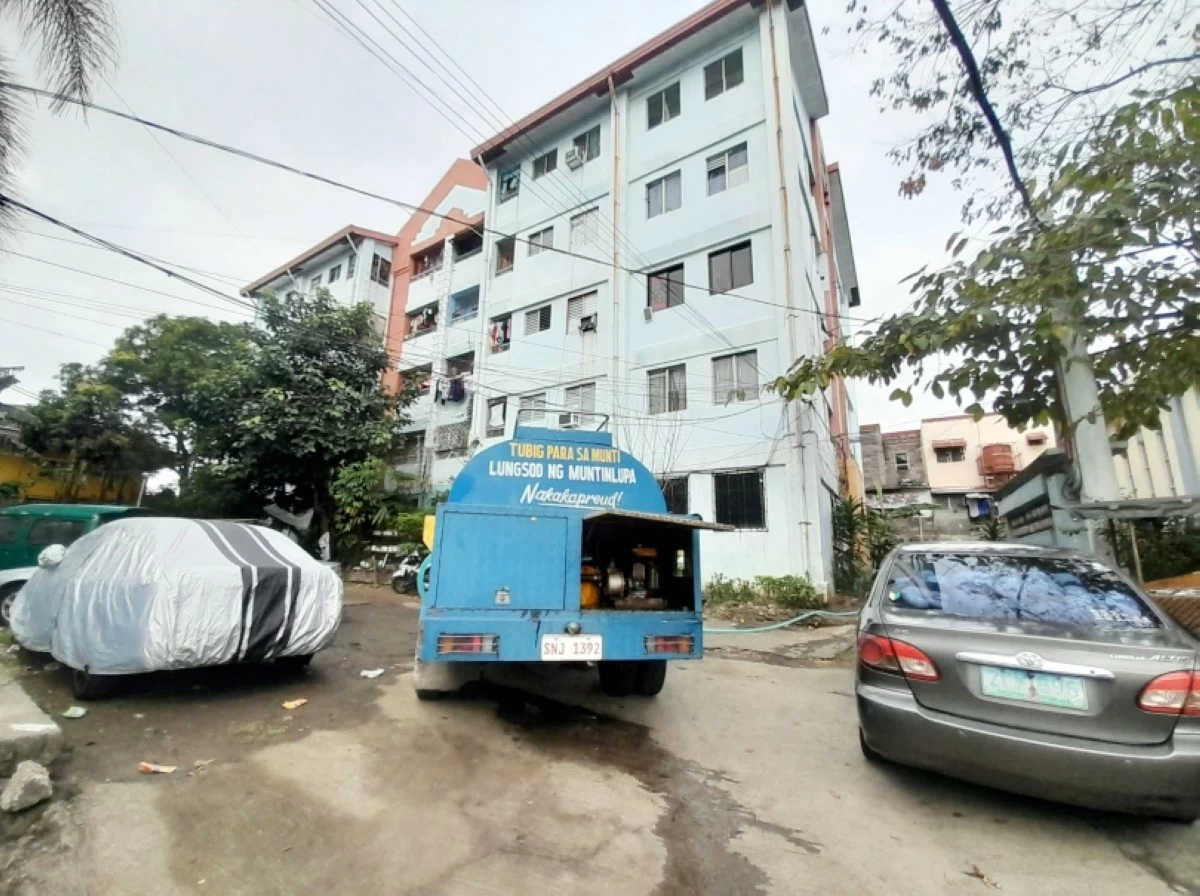
Distribution of water by the Muntinlupa City government (Photo from Muntinlupa PIO)
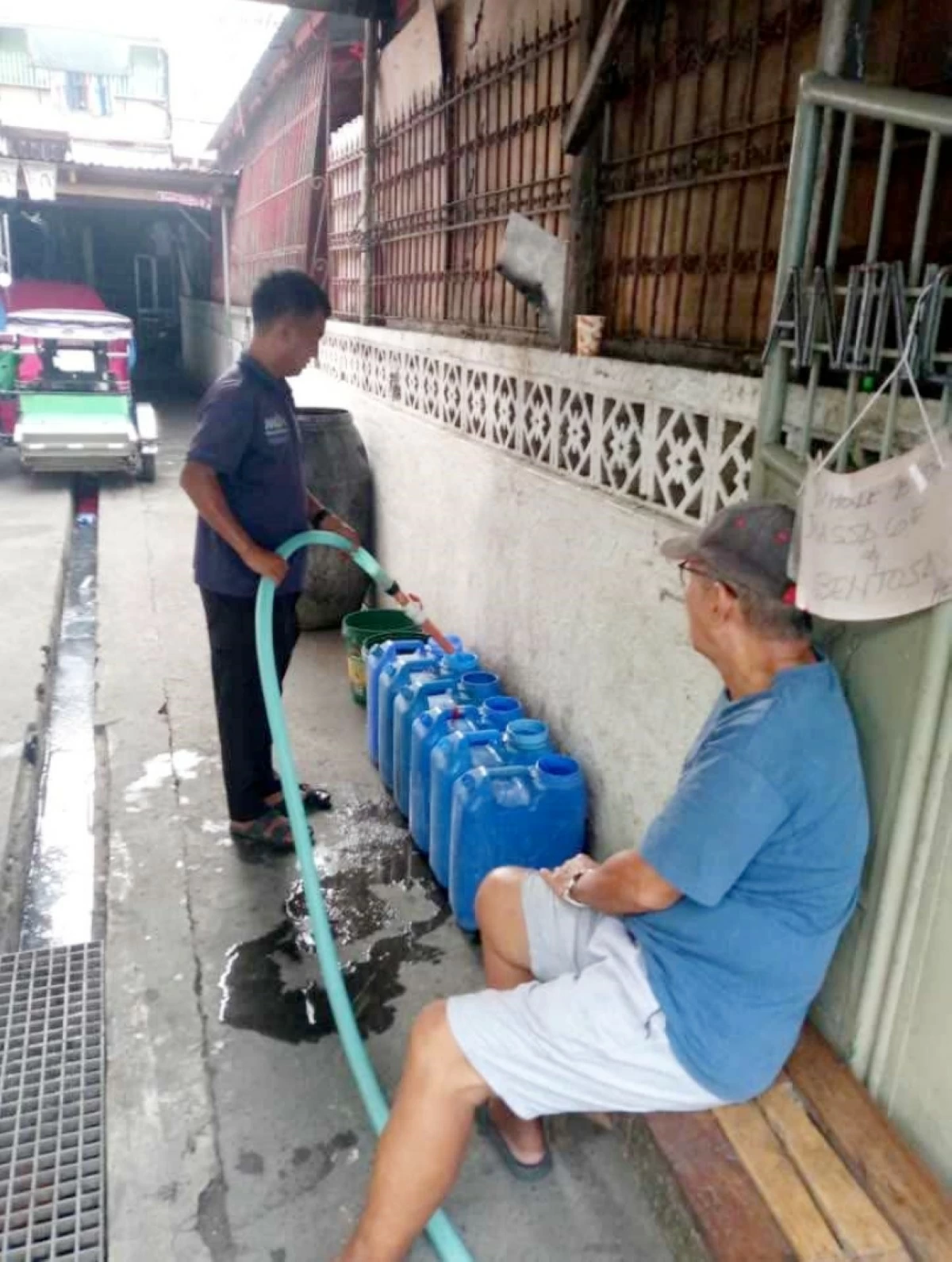
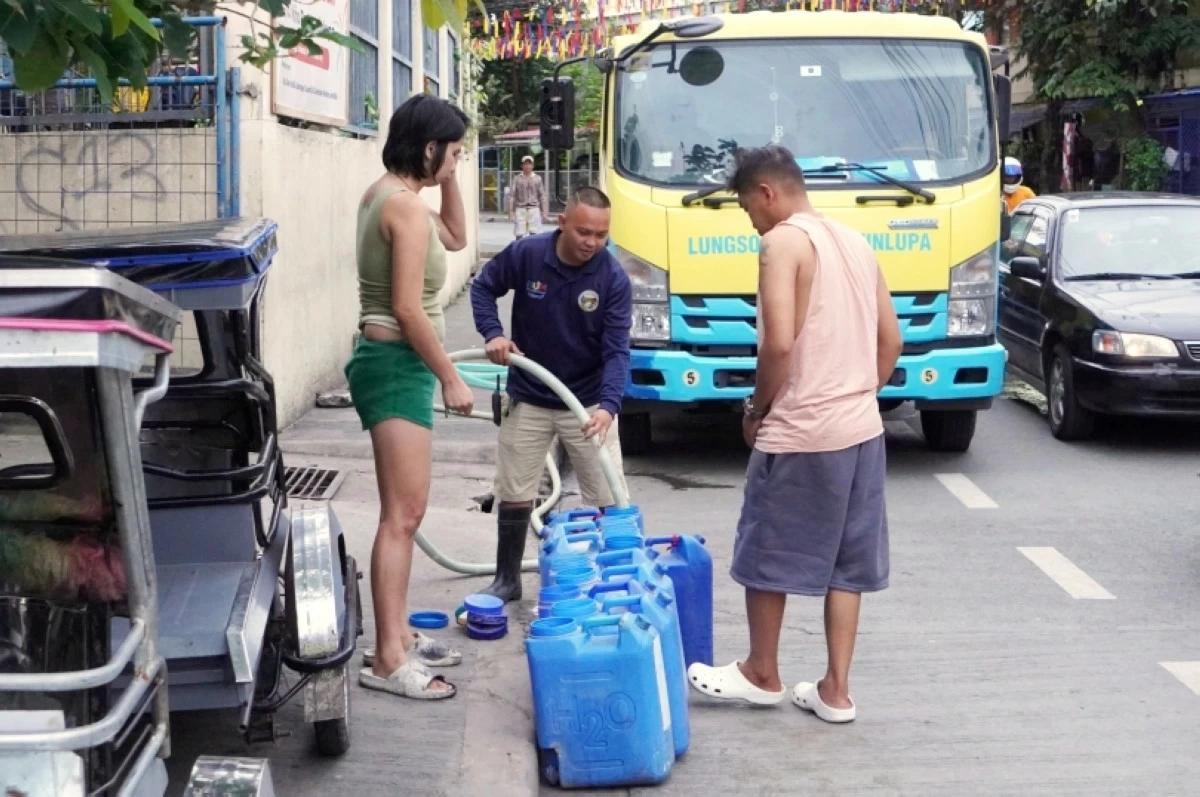
The Muntinlupa City government has deployed water tankers to distribute free water to barangays.

In his explanation, Antonio said the water service interruptions in Muntinlupa are occurring because of limited water supply. 

Maynilad has three water treatment plants in Muntinlupa: two in Barangay Putatan and another in Barangay Poblacion. The water treatment plans source raw water from the Laguna Lake. 

Antonio said the seasonal occurrence of “amihan” (northeast monsoon) affects the water quality in Laguna Lake. 

He said because of the current poor quality of water in Laguna Lake, Maynilad needs to protect its water treatment plants from water entering the facilities that is not in accordance with how these were designed. 

Antonio said they need to manage or reduce water production as they need to ensure that the treatment process from Laguna Lake to household taps complies with Philippine National Standards for Drinking Water. 

He said they need to manage water production as they don’t allow the quality of water to be compromised. 

Biazon asked if the poor quality of water from Laguna Lake is unsolvable. 

Antonio said Maynilad continues to upgrade its water treatment plants and is exploring new technologies to address how its facilities can manage the problem of raw water quality. 

Due to amihan, silt increases in Laguna Lake. 

He said only six to 10 percent of the entire year where water treatment plants face challenges. 

“Hanggat hindi po nagnonormalize, hindi sumasapat yung tubig na kaya nating iproduce para po sa pangangailangan ng customer na gagamit po ng sabay-sabay, magiging paulit-ulit po ang ang interruption. Ngunit ang Maynilad po ay hindi hahayaan na sa loob po ng 24 na oras ay indi po kayo mabibigyan (Until it does not normalize, the water we can produce is not enough for the needs of customers who will use it at the same time and the interruptions will be repeated. But Maynilad will not let a situation to happen wherein in 24 hours, you will not be provided [water],’ said Antonio. 

Related Tags

METRO NEWS Maynilad Water Services Inc. MUNTINLUPA CITY Muntinlupa City Mayor Ruffy Biazon
ADVERTISEMENT
.most-popular .layout-ratio{ padding-bottom: 79.13%; } @media (min-width: 768px) and (max-width: 1024px) { .widget-title { font-size: 15px !important; } }

{{ articles_filter_1561_widget.title }}

.most-popular .layout-ratio{ padding-bottom: 79.13%; } @media (min-width: 768px) and (max-width: 1024px) { .widget-title { font-size: 15px !important; } }

{{ articles_filter_1562_widget.title }}

.most-popular .layout-ratio{ padding-bottom: 79.13%; } @media (min-width: 768px) and (max-width: 1024px) { .widget-title { font-size: 15px !important; } }

{{ articles_filter_1563_widget.title }}

{{ articles_filter_1564_widget.title }}

.mb-article-details { position: relative; } .mb-article-details .article-body-preview, .mb-article-details .article-body-summary{ font-size: 17px; line-height: 30px; font-family: "Libre Caslon Text", serif; color: #000; } .mb-article-details .article-body-preview iframe , .mb-article-details .article-body-summary iframe{ width: 100%; margin: auto; } .read-more-background { background: linear-gradient(180deg, color(display-p3 1.000 1.000 1.000 / 0) 13.75%, color(display-p3 1.000 1.000 1.000 / 0.8) 30.79%, color(display-p3 1.000 1.000 1.000) 72.5%); position: absolute; height: 200px; width: 100%; bottom: 0; display: flex; justify-content: center; align-items: center; padding: 0; } .read-more-background a{ color: #000; } .read-more-btn { padding: 17px 45px; font-family: Inter; font-weight: 700; font-size: 18px; line-height: 16px; text-align: center; vertical-align: middle; border: 1px solid black; background-color: white; } .hidden { display: none; }
function initializeAllSwipers() { // Get all hidden inputs with cms_article_id document.querySelectorAll('[id^="cms_article_id_"]').forEach(function (input) { const cmsArticleId = input.value; const articleSelector = '#article-' + cmsArticleId + ' .body_images'; const swiperElement = document.querySelector(articleSelector); if (swiperElement && !swiperElement.classList.contains('swiper-initialized')) { new Swiper(articleSelector, { loop: true, pagination: false, navigation: { nextEl: '#article-' + cmsArticleId + ' .swiper-button-next', prevEl: '#article-' + cmsArticleId + ' .swiper-button-prev', }, }); } }); } setTimeout(initializeAllSwipers, 3000); const intersectionObserver = new IntersectionObserver( (entries) => { entries.forEach((entry) => { if (entry.isIntersecting) { const newUrl = entry.target.getAttribute("data-url"); if (newUrl) { history.pushState(null, null, newUrl); let article = entry.target; // Extract metadata const author = article.querySelector('.author-section').textContent.replace('By', '').trim(); const section = article.querySelector('.section-info ').textContent.replace(' ', ' '); const title = article.querySelector('.article-title h1').textContent; // Parse URL for Chartbeat path format const parsedUrl = new URL(newUrl, window.location.origin); const cleanUrl = parsedUrl.host + parsedUrl.pathname; // Update Chartbeat configuration if (typeof window._sf_async_config !== 'undefined') { window._sf_async_config.path = cleanUrl; window._sf_async_config.sections = section; window._sf_async_config.authors = author; } // Track virtual page view with Chartbeat if (typeof pSUPERFLY !== 'undefined' && typeof pSUPERFLY.virtualPage === 'function') { try { pSUPERFLY.virtualPage({ path: cleanUrl, title: title, sections: section, authors: author }); } catch (error) { console.error('ping error', error); } } // Optional: Update document title if (title && title !== document.title) { document.title = title; } } } }); }, { threshold: 0.1 } ); function showArticleBody(button) { const article = button.closest("article"); const summary = article.querySelector(".article-body-summary"); const body = article.querySelector(".article-body-preview"); const readMoreSection = article.querySelector(".read-more-background"); // Hide summary and read-more section summary.style.display = "none"; readMoreSection.style.display = "none"; // Show the full article body body.classList.remove("hidden"); } document.addEventListener("DOMContentLoaded", () => { let loadCount = 0; // Track how many times articles are loaded const offset = [1, 2, 3, 4, 5, 6, 7, 8, 9, 10]; // Offset values const currentUrl = window.location.pathname.substring(1); let isLoading = false; // Prevent multiple calls if (!currentUrl) { console.log("Current URL is invalid."); return; } const sentinel = document.getElementById("load-more-sentinel"); if (!sentinel) { console.log("Sentinel element not found."); return; } function isSentinelVisible() { const rect = sentinel.getBoundingClientRect(); return ( rect.top < window.innerHeight && rect.bottom >= 0 ); } function onScroll() { if (isLoading) return; if (isSentinelVisible()) { if (loadCount >= offset.length) { console.log("Maximum load attempts reached."); window.removeEventListener("scroll", onScroll); return; } isLoading = true; const currentOffset = offset[loadCount]; window.loadMoreItems().then(() => { let article = document.querySelector('#widget_1690 > div:nth-last-of-type(2) article'); intersectionObserver.observe(article) loadCount++; }).catch(error => { console.error("Error loading more items:", error); }).finally(() => { isLoading = false; }); } } window.addEventListener("scroll", onScroll); });

Sign up by email to receive news.