






 Business
The Economy
Purely private sector-led projects eyed for inclusion in Marcos flagship infra
Business
The Economy
Purely private sector-led projects eyed for inclusion in Marcos flagship infra
Purely private sector-led projects eyed for inclusion in Marcos flagship infra


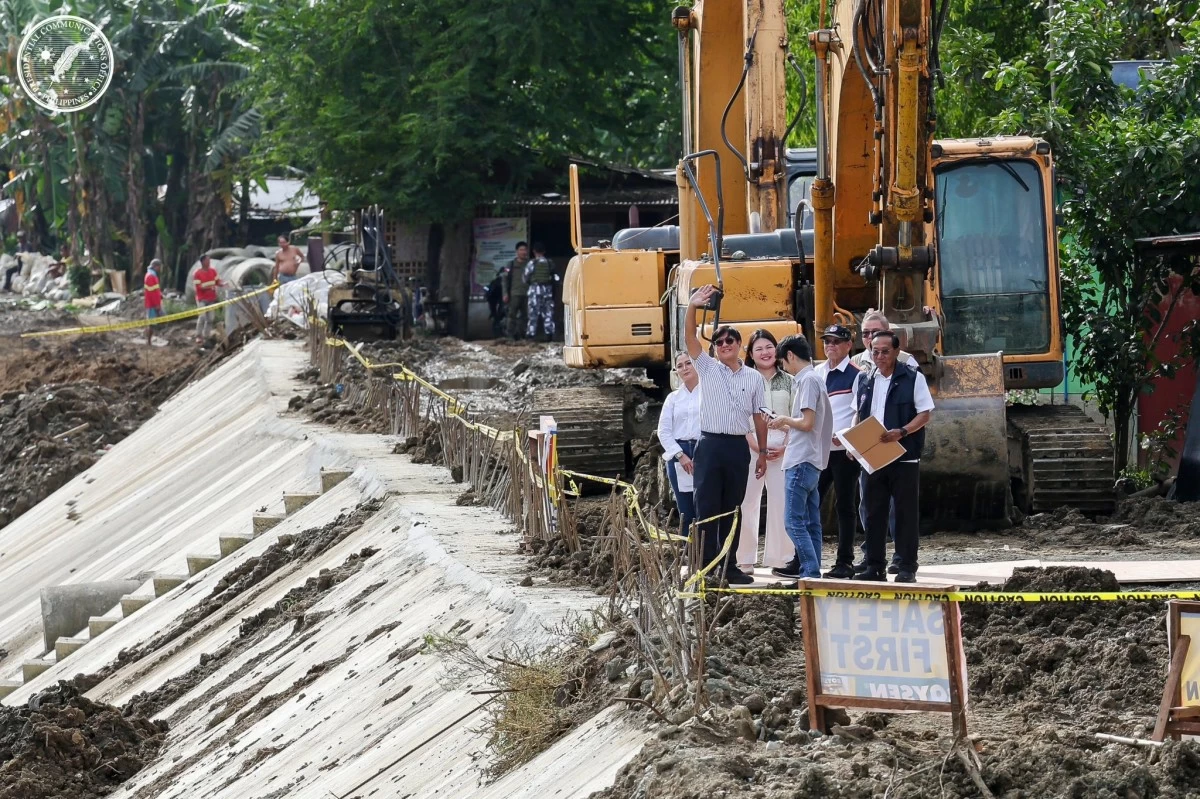
Agricultural sustainability and food security are also among the identified focus areas. DEPDev emphasized that projects under this category aim to strengthen sustainable and resilient agriculture and the agricultural value chain. These include facilities for specialized agricultural produce, livestock and food production, processing, transport and storage; agricultural warehouses; logistics and value chain support; AAA slaughterhouses; and irrigation and drainage management systems.
Disaster resilience and safety-related infrastructure likewise form part of the proposed additions. DEPDev added that this category covers both green and gray infrastructure, including floodplain ecosystems, flood protection systems, wetland systems, urban farming, and climate monitoring and early warning systems. It also includes facilities and equipment needed to deliver emergency services, such as fire trucks, police vehicles, aircraft, ships, and communications vehicles.
In addition, DEPDev said the proposed list includes projects aimed at enhancing research and development (R&D) capacity in virology, including the development of diagnostics and vaccines to prevent or mitigate disease outbreaks and pandemics. Post-disaster rehabilitation and reconstruction projects aligned with the “build back better” principle—particularly those rebuilt to improved disaster resiliency standards—are also being considered for inclusion.
The latest BBM data on DEPDev’s website included 209 IFPs worth a total of ₱10.6 trillion.
By sector, 140 IFPs are for physical connectivity, 32 for water resources, nine for agriculture, six for digital connectivity, five for health, three for power and energy, two each for education and housing, and 10 for other infrastructure.