






Manila Bulletin
 Philippines
National
No more reason for 'galunggong' to stay above P300/kilo after closed fishing season — fishers' group
Philippines
National
No more reason for 'galunggong' to stay above P300/kilo after closed fishing season — fishers' group
Philippines
National
No more reason for 'galunggong' to stay above P300/kilo after closed fishing season — fishers' group
No more reason for 'galunggong' to stay above P300/kilo after closed fishing season — fishers' group
By Jel Santos
Published Feb 16, 2026 05:06 pm


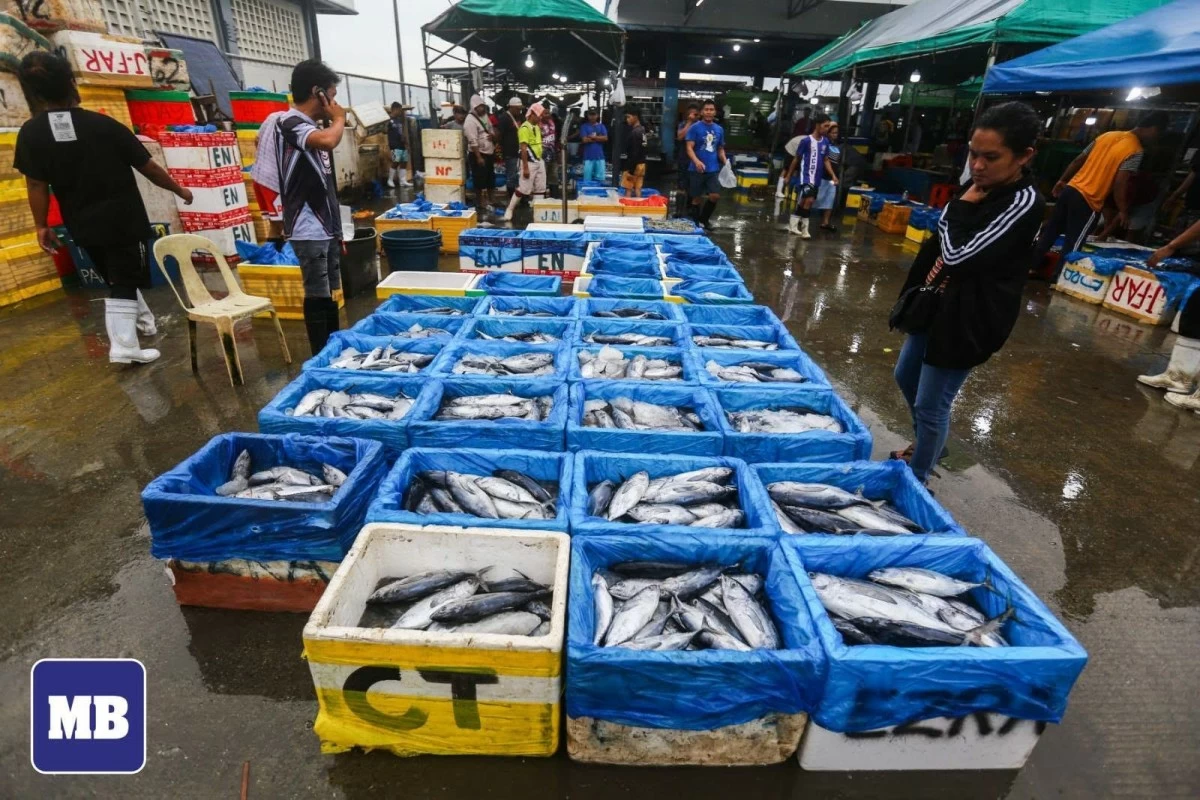
(MB FILE PHOTO)
There is no longer any reason for “galunggong (round scad)” to be sold at more than P300 per kilogram following the lifting of the closed fishing season in the Visayan Sea and other major fishing grounds on Feb. 16, progressive fishers’ group Pambansang Lakas ng Kilusang Mamamalakaya ng Pilipinas (Pamalakaya) said.
In a statement, the group urged the public to remain vigilant against possible price manipulation in markets, stressing that the end of the three-month fishing ban that began in November last year should translate into lower retail prices.
As of last week, Pamalakaya said “galunggong” prices ranged from P300 to P320 per kilogram during the implementation of the closed season.
“Ngayong tapos na ang fishing ban sa Visayan Sea at iba pang lalawigan, wala nang dahilan para pumalo ng P300 ang kilo ng galunggong. Dapat bantayan ang mga komersyante na patuloy na sinasamantala ang sitwasyon para baratin ang produkto ng mga mangingisda habang minamanipula ang presyo sa pamilihan (Now that the fishing ban in the Visayan Sea and other provinces has ended, there is no longer any reason for galunggong to hit P300 per kilo. Consumers must monitor traders who continue to exploit the situation by underpricing fisherfolk’s products while manipulating market prices),” Pamalakaya Chairperson Fernando Hicap said.
The fisherfolk group accused some private traders of allegedly “taking advantage” of the restriction to “manipulate and overprice” fishery products.
According to Pamalakaya, the burden of the closed season was felt not only by consumers but also by small-scale fishers from Panay Island, Batangas, and the Zamboanga Peninsula, many of whom were left without sufficient subsidies and alternative livelihood support during the three-month ban.
Hicap pointed out that the yearly enforcement of the fishing ban continues to burden both fisherfolk and consumers, lamenting the absence of a corresponding government plan to support those affected.
He maintained that the Marcos administration’s approach to the fisheries crisis remains a temporary fix- - -alternating between closed fishing seasons and importation- - -which he said further weakens local production.
The group stressed that with fishing activities resuming, supply should improve and market prices must reflect fair and reasonable rates for both producers and consumers.