






 Business
Banking & Finance
JICA grants ₱652 million for modern rice processing hub in Isabela
Business
Banking & Finance
JICA grants ₱652 million for modern rice processing hub in Isabela
JICA grants ₱652 million for modern rice processing hub in Isabela


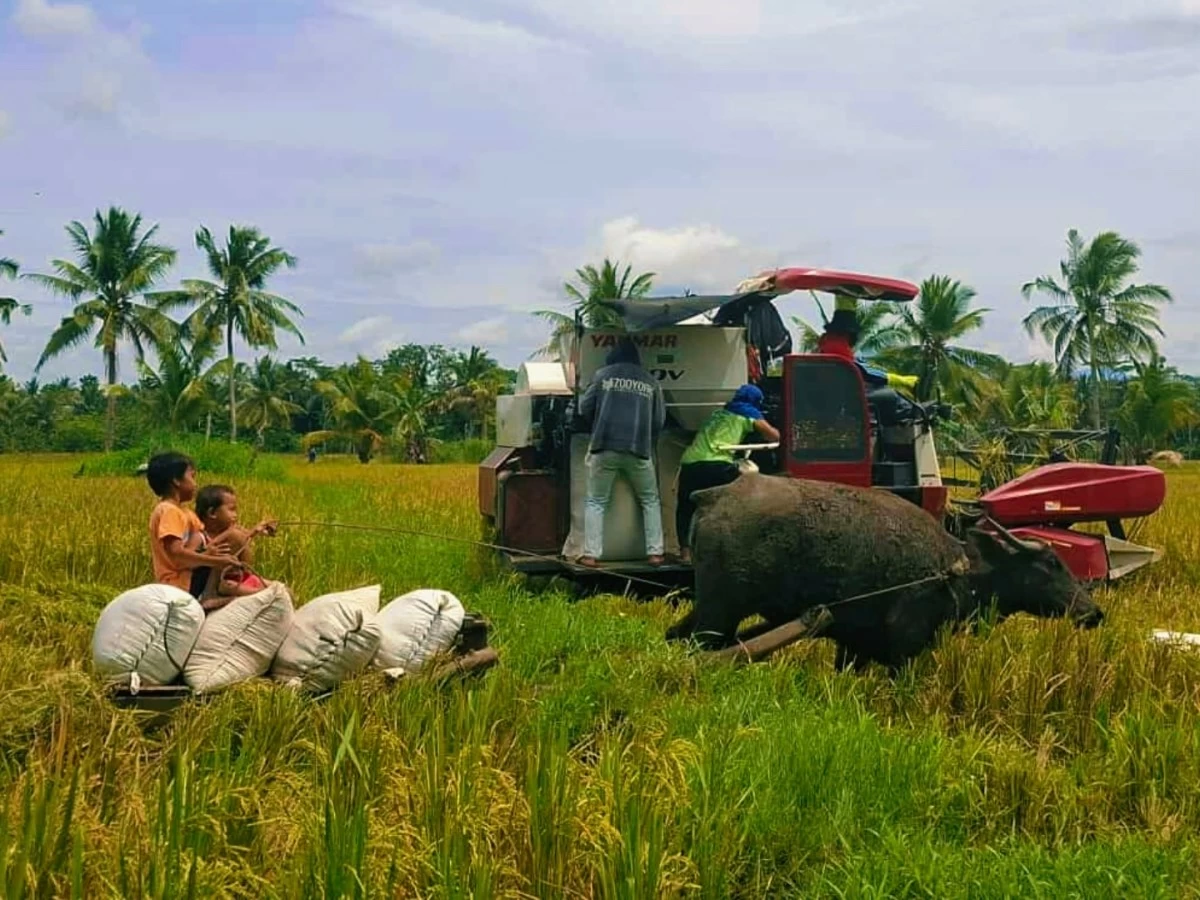
Japan International Cooperation Agency (JICA) is providing a 1.7-billion-yen (around ₱652-million) grant to establish a modern rice processing system (RPS) in Cauayan City, Isabela province—a project set to benefit thousands of farmers and strengthen the country’s rice buffer stock while reducing post-harvest losses.
In a statement on Monday, Feb. 16, JICA said the grant agreement was signed the same day by Agriculture Secretary Francisco Tiu Laurel Jr. and JICA Philippines chief representative Takashi Baba during a ceremony in Quezon City.
“The project is expected to directly benefit at least 5,000 individual rice farmers in Cauayan City and nearby municipalities through increased participation in the National Food Authority’s (NFA) procurement programs,” JICA said.
The grant, extended under Japan’s economic and social development program, will be implemented by the Department of Agriculture (DA) in partnership with NFA, which is mandated to procure “palay” (unhusked rice) exclusively from local farmers, maintain rice buffer stocks, and ensure food security, particularly during emergencies and supply disruptions.
JICA said the modern rice processing facility will enhance NFA’s capacity to maintain adequate rice buffer stocks while minimizing post-harvest losses and improving grain quality.
“This modern RPS will strengthen NFA’s mandate to maintain adequate rice buffer stocks, while reducing postharvest losses and improving grain quality. Ultimately, the grant aims to contribute to a food-secure and resilient Philippines, with empowered and prosperous farmers,” Baba said.
JICA noted that government studies estimate around 16 percent of rice is lost during post-harvest handling, with drying and milling accounting for the largest share. In Cauayan—one of the top rice-producing areas in Isabela—limited access to modern postharvest facilities has constrained farmers’ incomes and hampered NFA’s ability to procure palay during peak harvest periods.
JICA said the project aims to address these gaps through the installation of advanced post-harvest equipment at NFA Cauayan, including mechanical grain dryers, a multi-stage rice mill, and grain silos. The Philippine government, meanwhile, will provide counterpart funding for the construction of a warehouse to house the equipment, along with necessary infrastructure, utilities, and personnel.
For decades, JICA has supported the modernization of Philippine agriculture through projects such as the construction and rehabilitation of national irrigation systems and support for rice research. The establishment of the RPS marks another milestone in Japan’s long-standing partnership with the Philippines in promoting agricultural resilience and food security.
Meanwhile, Tiu Laurel said, “We are strengthening NFA’s capacity to handle larger volumes of palay, reduce postharvest losses, improve milling recovery and deliver higher-quality rice to our people.”
“Reaffirms our shared commitment to strengthen the Philippine agriculture sector and showcases the strong and enduring partnership between the Philippines and Japan,” he added.
The DA also said the project goes beyond infrastructure, offering economic benefits to local farmers. At least 5,000 rice farmers in Cauayan City and nearby towns are expected to gain from expanded NFA procurement programs, with increased drying and milling capacity ensuring fair palay prices and a reliable institutional buyer.
The hub is also expected to strengthen year-round buffer stocks, reduce reliance on private services, and help stabilize rice prices, especially during lean months.
“Ultimately, this translates to a more stable supply for consumers and better income for our farmers,” Tiu Laurel said.