ADVERTISEMENT

Is your child giving you a hard time?

Learning the importance of self-regulation

Published Feb 16, 2026 10:36 pm
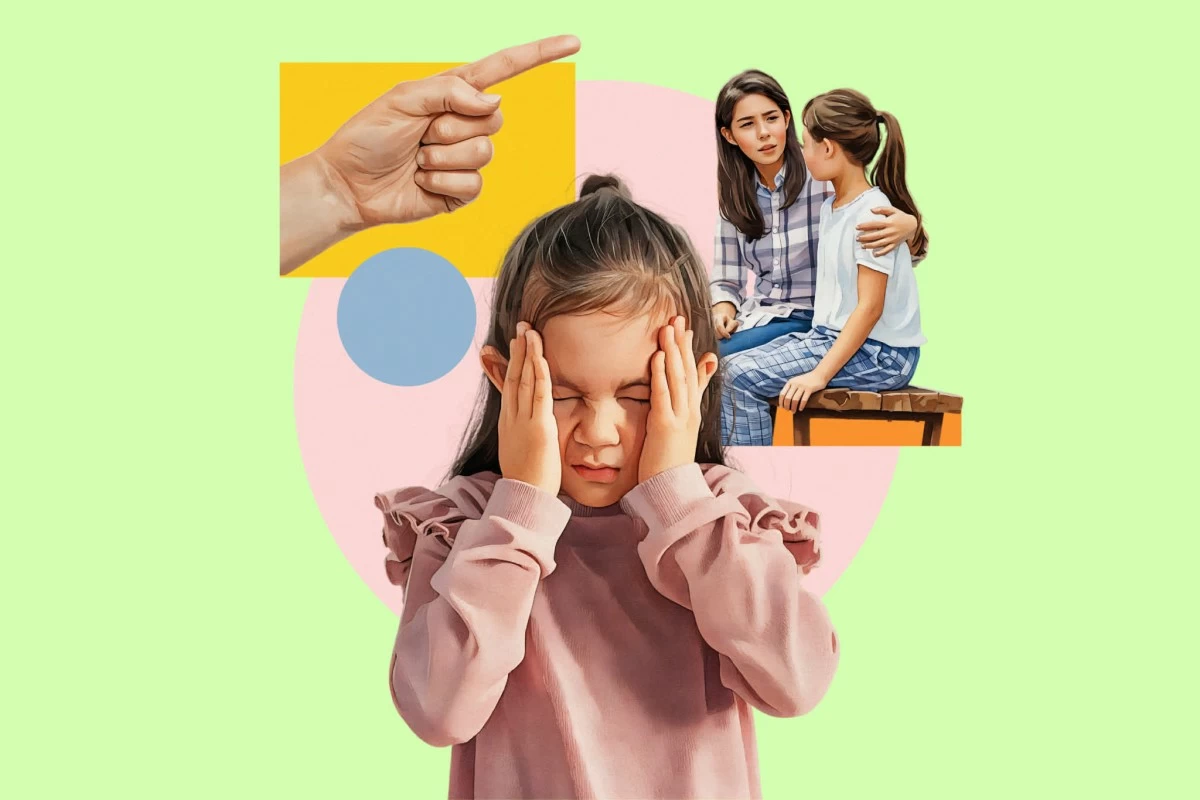
Let me paint you a scene most parents know by heart. Your child is on the floor, face red, fists clenched, crying over something that, to your adult brain, seems completely manageable. Maybe a sibling took their crayon. Maybe the sock feels “wrong.” Maybe they just can’t find the words for what’s happening inside their own body.
Your first instinct? Fix it. Stop it. Say “calm down” or “you’re fine.”
I’ve done it, too. But here’s what I’ve learned as a physician and as a mom: The child on that floor isn’t giving you a hard time. They’re having a hard time. And there is a world of difference between those two things.
This is where self-regulation comes in. And if that term sounds clinical, stay with me, because understanding it might be the single most useful thing you do for your family this year.
Self-regulation is the ability to manage what’s happening inside your body and brain when emotions run high. It’s how we move from that overwhelmed, reactive state back to a place where we can think clearly and make choices we won’t regret. Adults struggle with it. So imagine being five years old, with a brain still under construction, and having no language for why everything suddenly feels like too much.
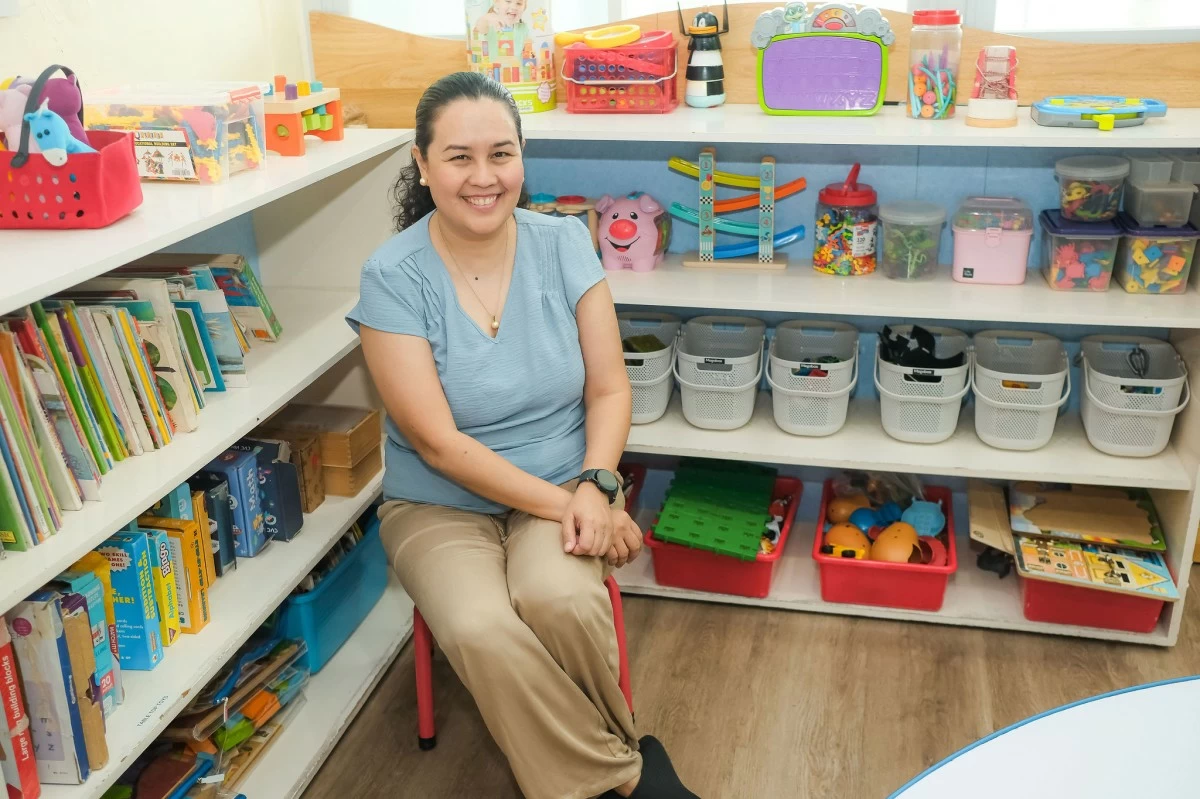
Ana Quijano
Ana Quijano
That’s what teacher Ana Quijano wants parents and teachers to understand. Ana is a licensed occupational therapist with a Master’s in Education and over 25 years of experience in school systems across the US. She founded Compass Education in Cebu, a non-profit built on inclusive, strength-based learning, and created a program called Super Amazing Me (SAM) that has changed how families and classrooms across the Philippines approach children’s emotions.
The core idea behind SAM is disarmingly simple: Children do well when they can. Not when they want to, not when we bribe or punish them into it, when they actually have the skills. And if they don’t have the skills yet, that’s not a character flaw. That’s a gap we can fill.
Ana fills it by teaching two things that sound similar but do very different work: self-regulation and co-regulation.
Self-regulation is internal. It’s the child learning to notice what’s happening in their own body, the tight chest, the clenched jaw, the urge to hit or run, and having tools to bring them back. Breathing exercises, movement, sensory play, drawing, and even a good, honest cry, which Ana reminds us is not weakness but emotional release. The goal isn’t to stop feeling. It’s to move through the feeling without getting stuck.
Co-regulation is relational. It’s what happens between the child and the adult in the room, and this is the part that changed my own parenting. Children, especially young ones, cannot yet regulate on their own. They literally borrow calm from the adults around them. Which means if I’m deregulated, stressed, reactive, running on fumes, my child has nothing to borrow? I can’t be the anchor if I’m also in the storm.
Ana uses a framework called SUPER (structure, use of visuals and supports, positive reinforcement, engagement, and repetition and review) to walk parents and teachers through this. Calm yourself first. Get curious about what the child is really feeling beneath the behavior. Offer your presence, not a lecture, not a fix, just the steady reassurance that you are there. Evaluate what helped. And later, when everything is calm, teach the skill they’ll need next time.
That sequence is everything. You don’t teach swimming during a typhoon.
What resonated with me most about Ana’s work is how she names the patterns we’ve all inherited. Suppression, pushing feelings down, pretending we’re fine. Repression, burying emotions so deep they come out sideways as anxiety or anger. Most of us learned these as children. We didn’t know better. But now we do, and SAM gives parents and teachers a practical, evidence-based path to break the cycle.
Her program runs workshops and certified trainings for parents, teachers, and therapists, equipping everyday adults with real occupational therapy tools for the home, the classroom, and daily life. It’s not abstract theory. It’s the kind of knowledge that turns a Tuesday morning meltdown from a battleground into a teaching moment.
As a physician in preventive and longevity medicine, I’ll say this plainly: Emotional regulation is not a soft skill. It is the architecture of lifelong resilience. And the adults who learn to co-regulate, who learn to be the calm before they try to teach the calm, are giving their children something no tutor, no app, and no extracurricular can replace.
If any of this resonates, look up Ana Quijano. Follow her page, attend a workshop, and read her book "Inclusive Education Made Easy." Give yourself the tools first—then watch what happens when your child finally has someone steady to borrow calm from.
You’re not spoiling them. You’re building them. And honestly? You might just be rebuilding yourself, too.

Related Tags

Health and Wellness Parenting Ana Quijano
ADVERTISEMENT
.most-popular .layout-ratio{ padding-bottom: 79.13%; } @media (min-width: 768px) and (max-width: 1024px) { .widget-title { font-size: 15px !important; } }

{{ articles_filter_1561_widget.title }}

.most-popular .layout-ratio{ padding-bottom: 79.13%; } @media (min-width: 768px) and (max-width: 1024px) { .widget-title { font-size: 15px !important; } }

{{ articles_filter_1562_widget.title }}

.most-popular .layout-ratio{ padding-bottom: 79.13%; } @media (min-width: 768px) and (max-width: 1024px) { .widget-title { font-size: 15px !important; } }

{{ articles_filter_1563_widget.title }}

{{ articles_filter_1564_widget.title }}

.mb-article-details { position: relative; } .mb-article-details .article-body-preview, .mb-article-details .article-body-summary{ font-size: 17px; line-height: 30px; font-family: "Libre Caslon Text", serif; color: #000; } .mb-article-details .article-body-preview iframe , .mb-article-details .article-body-summary iframe{ width: 100%; margin: auto; } .read-more-background { background: linear-gradient(180deg, color(display-p3 1.000 1.000 1.000 / 0) 13.75%, color(display-p3 1.000 1.000 1.000 / 0.8) 30.79%, color(display-p3 1.000 1.000 1.000) 72.5%); position: absolute; height: 200px; width: 100%; bottom: 0; display: flex; justify-content: center; align-items: center; padding: 0; } .read-more-background a{ color: #000; } .read-more-btn { padding: 17px 45px; font-family: Inter; font-weight: 700; font-size: 18px; line-height: 16px; text-align: center; vertical-align: middle; border: 1px solid black; background-color: white; } .hidden { display: none; }
function initializeAllSwipers() { // Get all hidden inputs with cms_article_id document.querySelectorAll('[id^="cms_article_id_"]').forEach(function (input) { const cmsArticleId = input.value; const articleSelector = '#article-' + cmsArticleId + ' .body_images'; const swiperElement = document.querySelector(articleSelector); if (swiperElement && !swiperElement.classList.contains('swiper-initialized')) { new Swiper(articleSelector, { loop: true, pagination: false, navigation: { nextEl: '#article-' + cmsArticleId + ' .swiper-button-next', prevEl: '#article-' + cmsArticleId + ' .swiper-button-prev', }, }); } }); } setTimeout(initializeAllSwipers, 3000); const intersectionObserver = new IntersectionObserver( (entries) => { entries.forEach((entry) => { if (entry.isIntersecting) { const newUrl = entry.target.getAttribute("data-url"); if (newUrl) { history.pushState(null, null, newUrl); let article = entry.target; // Extract metadata const author = article.querySelector('.author-section').textContent.replace('By', '').trim(); const section = article.querySelector('.section-info ').textContent.replace(' ', ' '); const title = article.querySelector('.article-title h1').textContent; // Parse URL for Chartbeat path format const parsedUrl = new URL(newUrl, window.location.origin); const cleanUrl = parsedUrl.host + parsedUrl.pathname; // Update Chartbeat configuration if (typeof window._sf_async_config !== 'undefined') { window._sf_async_config.path = cleanUrl; window._sf_async_config.sections = section; window._sf_async_config.authors = author; } // Track virtual page view with Chartbeat if (typeof pSUPERFLY !== 'undefined' && typeof pSUPERFLY.virtualPage === 'function') { try { pSUPERFLY.virtualPage({ path: cleanUrl, title: title, sections: section, authors: author }); } catch (error) { console.error('ping error', error); } } // Optional: Update document title if (title && title !== document.title) { document.title = title; } } } }); }, { threshold: 0.1 } ); function showArticleBody(button) { const article = button.closest("article"); const summary = article.querySelector(".article-body-summary"); const body = article.querySelector(".article-body-preview"); const readMoreSection = article.querySelector(".read-more-background"); // Hide summary and read-more section summary.style.display = "none"; readMoreSection.style.display = "none"; // Show the full article body body.classList.remove("hidden"); } document.addEventListener("DOMContentLoaded", () => { let loadCount = 0; // Track how many times articles are loaded const offset = [1, 2, 3, 4, 5, 6, 7, 8, 9, 10]; // Offset values const currentUrl = window.location.pathname.substring(1); let isLoading = false; // Prevent multiple calls if (!currentUrl) { console.log("Current URL is invalid."); return; } const sentinel = document.getElementById("load-more-sentinel"); if (!sentinel) { console.log("Sentinel element not found."); return; } function isSentinelVisible() { const rect = sentinel.getBoundingClientRect(); return ( rect.top < window.innerHeight && rect.bottom >= 0 ); } function onScroll() { if (isLoading) return; if (isSentinelVisible()) { if (loadCount >= offset.length) { console.log("Maximum load attempts reached."); window.removeEventListener("scroll", onScroll); return; } isLoading = true; const currentOffset = offset[loadCount]; window.loadMoreItems().then(() => { let article = document.querySelector('#widget_1690 > div:nth-last-of-type(2) article'); intersectionObserver.observe(article) loadCount++; }).catch(error => { console.error("Error loading more items:", error); }).finally(() => { isLoading = false; }); } } window.addEventListener("scroll", onScroll); });

Sign up by email to receive news.