







Fuel prices set for seventh hike of 2026
Published Feb 16, 2026 10:46 am
|
Updated Feb 16, 2026 01:47 pm


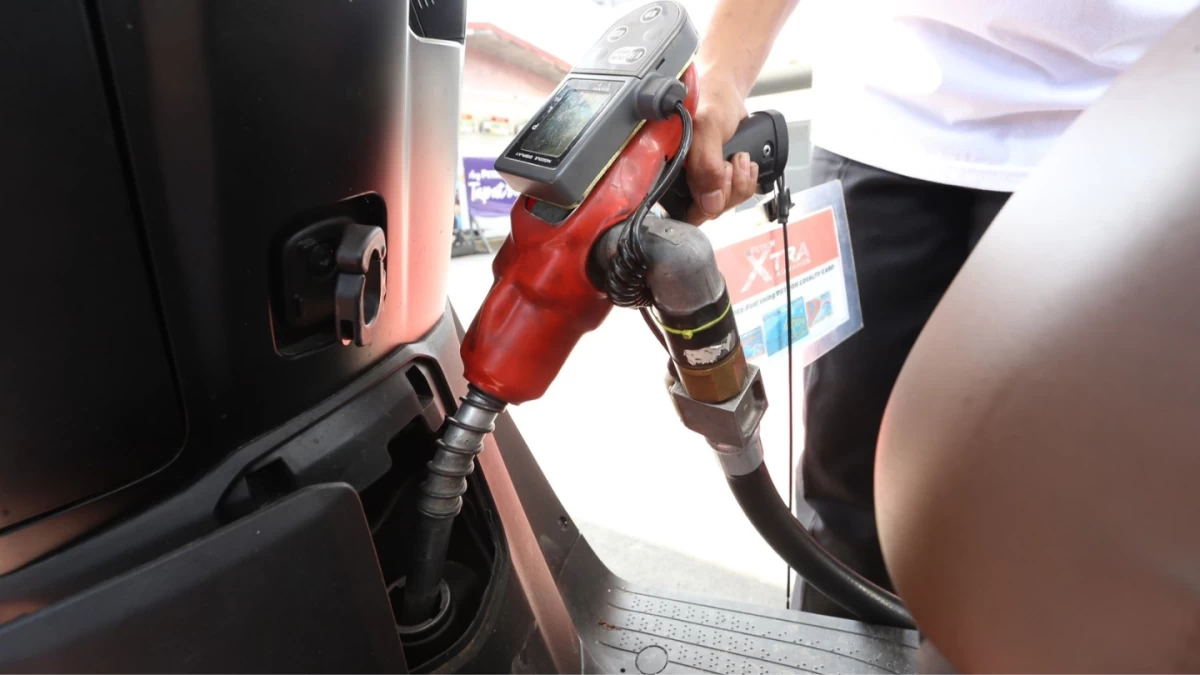
Fuel retailers are set to raise pump prices for the seventh time this year, tracking a volatile global crude market pressured by geopolitical tensions in the Middle East and shifting trade dynamics in Asia.
Shell Pilipinas Corp., Seaoil Philippines Inc., and Chevron Philippines Inc., which operates the Caltex brand, will increase gasoline prices by ₱1.20 per liter starting Tuesday, Feb. 17.
Diesel and kerosene prices will both rise by ₱0.60 per liter. Most companies are scheduled to implement the adjustments at 6 a.m. local time, while Cleanfuel will apply the new rates at 8:01 a.m.
The latest round of hikes extends a painful streak for consumers and transport operators. Since the beginning of 2026, the cumulative increase for diesel has reached ₱7 per liter, while gasoline has climbed by ₱4.30 per liter and kerosene by ₱5 per liter.
A primary driver for this week's movement is the heightened anxiety over supply disruptions in the Strait of Hormuz. Analysts have warned that any potential military escalation in the region could threaten the transit of crude through the narrow waterway, which accounts for roughly 20 percent of the world’s total oil supply.
Adding to the friction, signals from the United States (US) regarding the interception of Iranian oil shipments have stoked fears of tighter maritime security and increased shipping insurance costs.
Demand in Asia remains a critical factor as well. The Lunar New Year festivities have kept consumption levels elevated across the region. In response to the seasonal surge, China has moved to limit its diesel exports to prioritize domestic energy security, further tightening the available supply for neighboring importers like the Philippines.
While the immediate outlook remains tilted toward the upside, some relief may be on the horizon. The Organization of Petroleum Exporting Countries and its allies, known as OPEC+, have signaled they may consider a production increase as early as April. Such a move would provide a much-needed buffer to a market currently defined by thin margins and geopolitical risk. (Gabriell Christel Galang)