







BSP seen cutting rates again as 2025 growth disappoints
By Derco Rosal
Published Feb 16, 2026 12:00 am
|
Updated Feb 14, 2026 02:01 pm


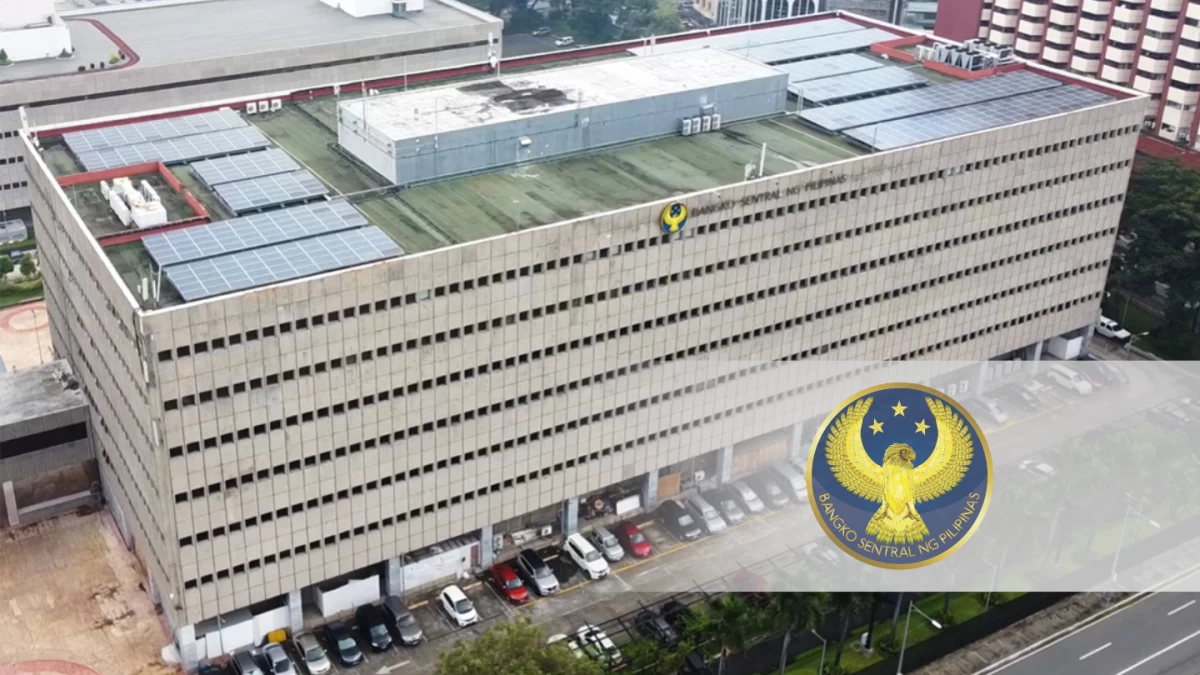
The Bangko Sentral ng Pilipinas (BSP) is expected to lower its benchmark interest rate by a quarter-point at its policy meeting on Thursday, Feb. 19, as economists bet on monetary relief to counter the sharp slowdown in economic momentum.
Analysts from domestic lenders and global investment banks have penciled in a 25-basis-point cut following the disappointing 4.4 percent expansion in gross domestic product (GDP) for 2025. The economy struggled through successive slumps in the third and fourth quarters, weighed down by fiscal tightening and deepening probe into flood-control spending that has stalled infrastructure projects.
Emilio S. Neri, Jr., senior vice president and lead economist at Bank of the Philippine Islands (BPI), noted the significant impact of fiscal tightening, particularly on infrastructure spending, on the momentum of economic growth.
As such, Neri has priced in another reduction in the benchmark rate by the end of 2026, as he expects output growth to remain soft and inflation to remain within the target band of two to four percent, a range he deems under control and conducive to economic growth.
His forecast, if realized, would bring the current 4.5 percent rate down to 4.25 percent. Such a reduction would amount to a cumulative 2.25 percentage-point (ppt) cut from the 6.5 percent peak reached prior to the easing cycle two years ago, in late 2024.
“Real growth has lost momentum and is significantly below the country’s potential,” Neri noted. Bangko Sentral ng Pilipinas Governor Eli M. Remolona Jr. earlier said the local economy has tremendous growth potential of six percent. He said, however, that the BSP is looking to tweak its growth assumptions after it failed to forecast the scale of the slowdown.
“While the economic slowdown is largely the result of massive spending cuts by the national government, the risk of a slow recovery in investor sentiment may compel the BSP to bring the policy settings below the estimated four- to five-percent neutral nominal rate,” Neri said.
It bears noting that confidence, which may include consumer and business sentiment, is expected by the BSP to recover by the second half of 2026. Its standing forecast is a 5.4 percent growth rate, faster than the downscaled minimum target of 5 percent.
Three other domestic lenders—Metropolitan Bank & Trust Company, China Banking Corporation, and Philippine National Bank (PNB)—have likewise projected monetary authorities to deliver another cut on Thursday, agreeing with Neri’s view.
Aside from the lackluster 2025 gross domestic product (GDP) outturn, Chinabank stressed the winning streak of the Philippine peso against the United States (US) dollar.
It bears noting that, after hitting its recent record lows, the peso climbed back to 58 per US dollar on Jan. 21 and fluctuated within its range until last week, when the local currency tested the 57 level.
The peso closed trading last Friday with a strong finish of ₱58.02:$1 from ₱58.115:$1 last Thursday. This appreciation streak could be seen as reinforcing monetary policy easing, which has been considered a drag on the local currency.
Similarly, Gareth Leather, an economist at Capital Economics for Asia, cited the ongoing peso rebound and the fourth-quarter economic slump. He said these data points, especially the GDP outturn, could push the BSP to cut, arguing that the economy “clearly needs some further support.”
Tilted on the dovish side, Leather has also pencilled in another quarter-point reduction after the February easing, bringing the terminal rate to four percent.
Meanwhile, Neri opposed the idea of slashing key interest rates by a “jumbo” 50 bps in one go, asserting that such a scale is not necessary as “rate cuts can only do so much in the current situation.”
Metrobank, which is looking forward to another measured cut this week, said the easing “could provide the necessary support to reinvigorate growth momentum,” noting that household spending continues to grapple with headwinds.
PNB economist Alvin Arogo believes that the policy-setting Monetary Board (MB) will decide to reduce the rate further on the back of crestfallen growth and “low” January inflation, even as it accelerated back within the target band at two percent.
Foreign banks DBS Bank Ltd. and Goldman Sachs have also projected continued easing. DBS, like the domestic lenders, cited weaker-than-expected output growth due to “graft-led uncertainty” and still-subdued price pressures.