







Road safety is not seasonal: Mobility must not cost lives
Published Feb 15, 2026 12:05 am
|
Updated Feb 14, 2026 03:49 pm


As summer approaches and families prepare to travel, road safety must once again take center stage. Beginning in March, heavier traffic on Luzon’s expressways is inevitable. Toll plazas will slow to a crawl, and urban roads will grow even more congested. But let us be clear: road danger is not seasonal. It confronts us every single day.
Across Metro Manila and other major cities, the sheer density of vehicles—cars, buses, trucks, motorcycles, tricycles, and electric units—has overwhelmed our road space. Discipline has eroded. Courtesy has thinned. Unsafe maneuvers have become routine.
Motorcycle riders cut across lanes to make left turns from the extreme right. Tricycles load and unload passengers in the middle of highways. Motorists change lanes without signaling. Vehicles block pedestrian crossings. Pedestrians themselves cross wherever convenient, eyes glued to mobile phones. These are not isolated lapses. They are daily habits.
Add to this the persistent violations: speeding, overtaking along double yellow lines, beating the red light, and driving under the influence of alcohol. Poorly maintained vehicles with defective brakes remain on the road. These are systemic failures, not holiday excesses. And they cost lives.
The scale of the crisis is staggering. According to the World Health Organization, road crashes kill about 1.19 million people globally each year and injure up to 50 million more. More than half of those who die are vulnerable road users—pedestrians, cyclists, and motorcyclists. Road traffic injuries are the leading cause of death for young people aged 5 to 29. Two-thirds of fatalities occur among working-age adults. Nine in 10 deaths happen in low- and middle-income countries.
Speed magnifies danger. For every one percent increase in average speed, the risk of a fatal crash rises by four percent. A pedestrian struck at 65 kilometers per hour is 4.5 times more likely to die than one hit at 50 kph. Distraction is equally deadly. Despite the Anti-Distracted Driving Act, drivers continue to text, scroll, and watch videos behind the wheel. Enforcement records thousands of violations, yet countless more go undetected.
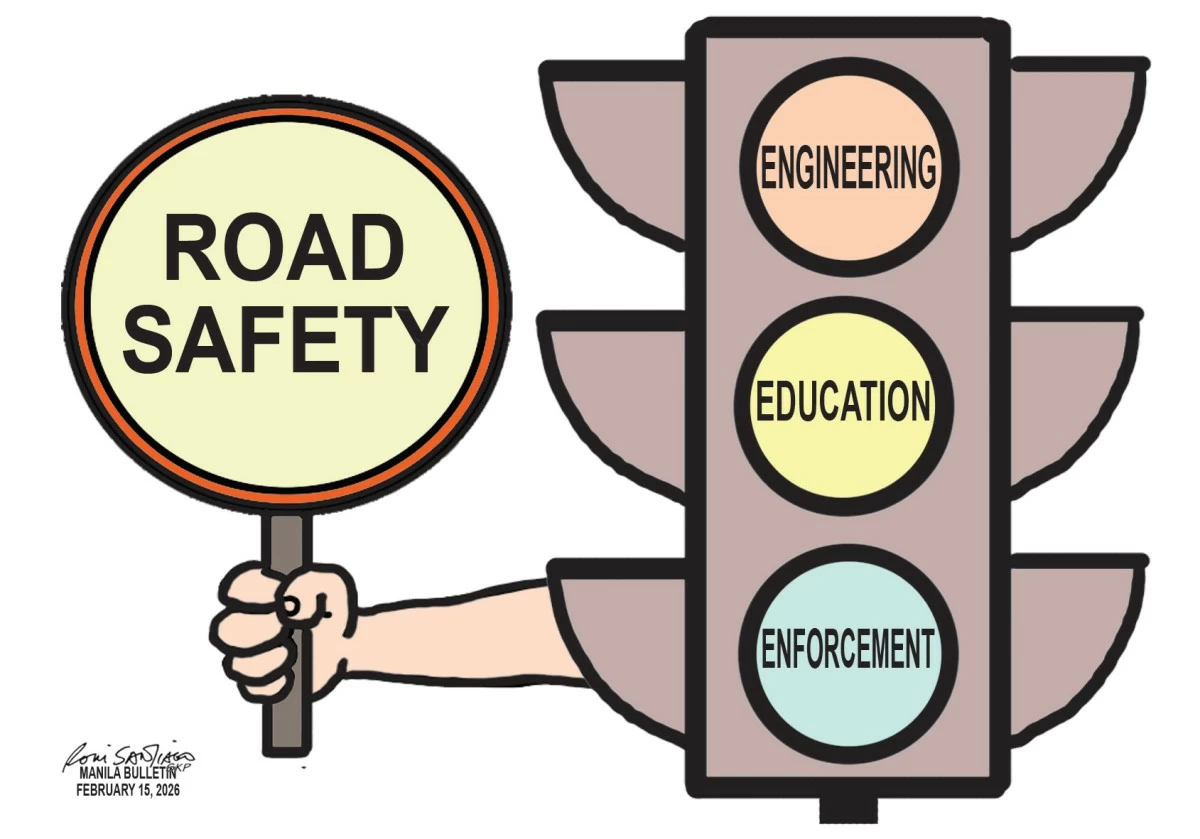
We know what must be done. The three E’s—engineering, education, and enforcement—remain the foundation of road safety. But they must move from rhetoric to reality.
Engineering demands safer infrastructure and safer vehicles. Global experts warn that fewer than 20 percent of countries fully comply with core vehicle safety standards. With more than a billion vehicles now on the world’s roads—and that number expected to double by 2030—governments must adopt and enforce modern safety regulations, strengthen inspection systems, and properly regulate emerging technologies.
Education must go beyond token campaigns. Drivers must understand that rules are not suggestions. Licensing systems should emphasize defensive driving and respect for vulnerable road users. Pedestrian discipline must also be reinforced. A culture of safety cannot grow in a climate of indifference.
Enforcement, finally, must be consistent and fair. The recent review of traffic procedures following the LRT-1 incident in Quezon City highlights another gap: while negligence must be punished, motorists who exercise due diligence should not be automatically presumed guilty. Accountability and justice must work together. Swift investigation, clear evidence, and balanced procedures protect both victims and innocent drivers.
Road safety is not achieved through reminders alone. It requires discipline from motorists, vigilance from pedestrians, commitment from lawmakers, and integrity from enforcers. As traffic volumes rise in the coming months, we cannot afford complacency.
The right to mobility can never outweigh the right to life. If we fail to act decisively—through better roads, better education, and better enforcement—we will continue counting preventable deaths.
Road safety is not a seasonal campaign. It is a daily obligation. And the time to treat it with urgency is now.