






Manila Bulletin
 Philippines
National
Pangilinan pushes for expanded subsidies for low-income learners in private schools
Philippines
National
Pangilinan pushes for expanded subsidies for low-income learners in private schools
Philippines
National
Pangilinan pushes for expanded subsidies for low-income learners in private schools
Pangilinan pushes for expanded subsidies for low-income learners in private schools
Published Feb 15, 2026 12:39 pm


At A Glance
- Senator Francis "Kiko" Pangilinan is now pushing for the passage of a measure that seeks to establish a Private Basic Education Voucher Program that will extend financial assistance to private school learners from low- and middle-income households.
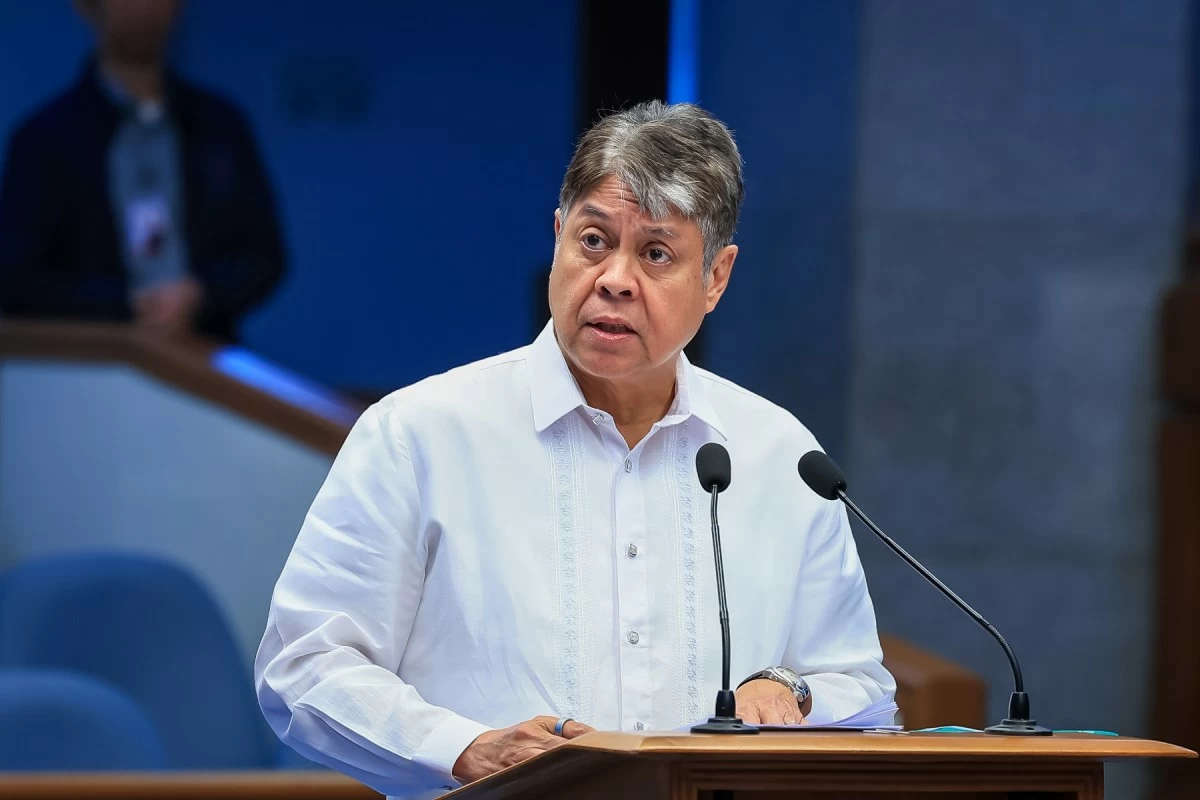
In filing Senate Bill No. 1841, or the Private Education Voucher Expansion (PEVE) Act, Pangilinan sought to expand the coverage to underprivileged kindergarten to senior high school learners who need to attend private academic institutions because of overcrowded public schools in their areas.
Under the bill, the voucher assistance shall be provided to students from middle income families, as determined by the Philippine Statistics Authority (PSA), who attended public schools identified by the Department of Education (DepEd) as congested, or those living in areas with congested public schools or without a nearby public school, and who wish to enroll in private basic education schools.
Also under the measure, students who are most vulnerable and underprivileged shall receive a higher voucher amount, as determined by the Basic Education Assistance Council (BEAC).
Pangilinan explained that the measure seeks to institutionalize a Private Basic Education Voucher Program and consolidate “existing assistance mechanisms into a unified voucher based framework.”
According to the senator, the bill will also provide institutional support—including teacher development and targeted assistance—to participating private schools.
Likewise, it aims to establish a Bureau of Private Education under the DepEd that will oversee the implementation of the program and ensure regulatory compliance.
The measure also seeks to repeal certain sections of Republic Act No. 8545, or the Expanded Government Assistance to Students and Teachers in Private Education Act, which amended RA No. 6728, or the Government Assistance to Students and Teachers in Private Education Act.
To ensure the eligibility of the student-beneficiaries and the schools, a set of criteria will be crafted to pick the most underprivileged learners, while participating schools will be assessed by the BEAC.
“By strengthening public private partnership in basic education, this bill promotes equitable access, more efficient use of public resources, and improved education outcomes,” Pangilinan said in the bill’s explanatory note.