ADVERTISEMENT

Aligning beauty, balance, and prosperity this 2026

By MBrand
Published Feb 15, 2026 08:00 am
At the forefront of a modern interpretation is Skincell founder Dr. Clarissa V. Cellona, a Board-certified dermatologist widely respected by peers as a leading Facial Symmetry Expert.
As Chinese New Year 2026 ushers in a fresh cycle of renewal, many turn to Feng Shui to realign their homes, habits, and intentions.
Increasingly, this philosophy of balance is extending to the face where harmony, proportion, and energy flow are believed to influence not only appearance, but confidence, fortune, and personal magnetism. This is the essence of the so-called Face Feng Shui or physiognomy.
At the forefront of a modern interpretation is Skincell Founder Dr. Clarissa V. Cellona, a Board-certified dermatologist widely respected by peers as a leading facial symmetry expert.
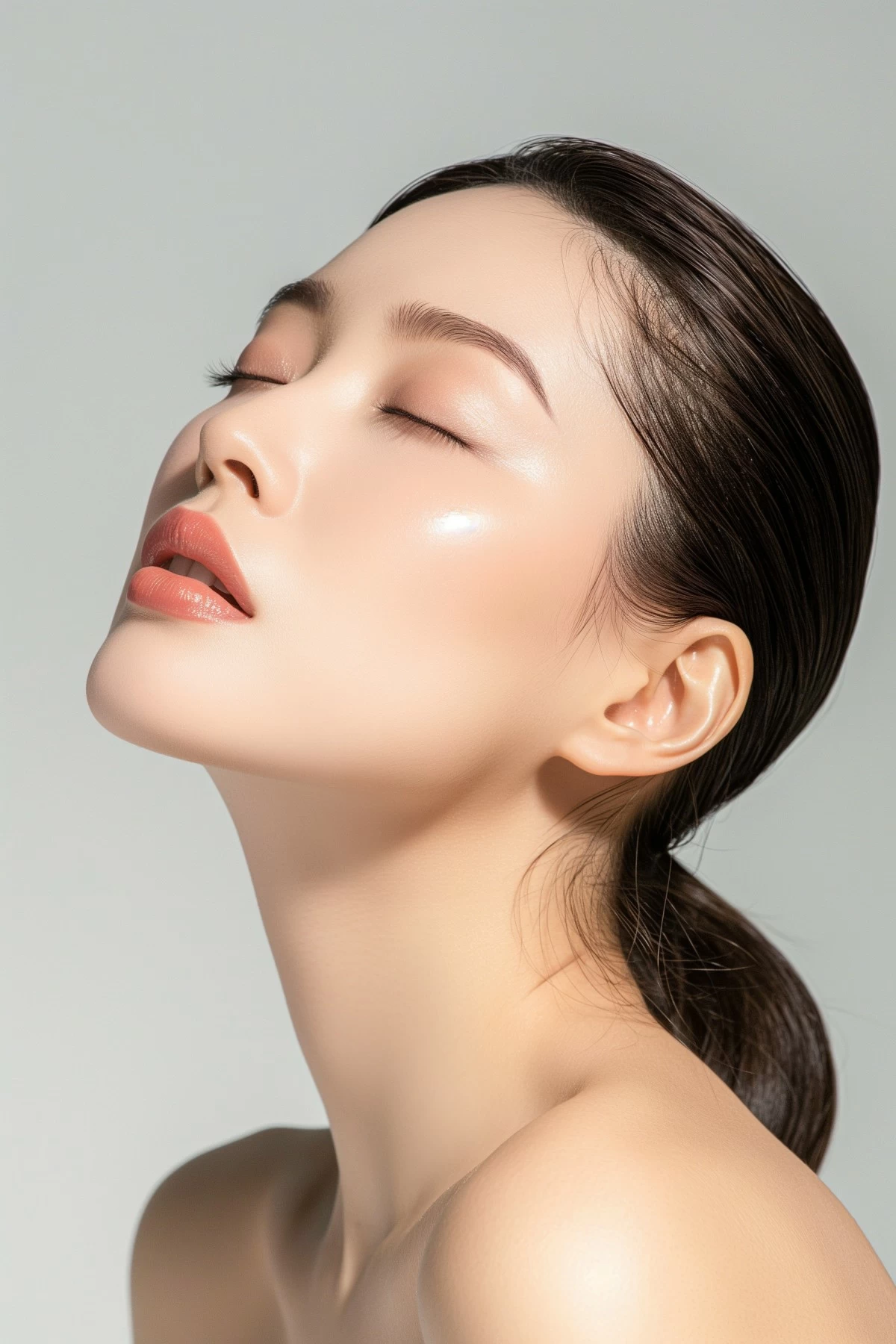
Traditional Feng Shui associates specific zones on the face with aspects of life such as prosperity, health, relationships, and career.
Known for her precision-driven, medical approach to beauty and aesthetics, Dr. Issa views the face not as isolated features, but as an interconnected structure where alignment and balance determine the overall look.
The science behind Face Feng Shui
Traditional Feng Shui associates specific zones on the face with aspects of life such as prosperity, health, relationships, and career.
Dr. Issa bridges this ancient philosophy with contemporary dermatologic science, focusing on symmetry, proportion, and structural support. “When the face is balanced, it naturally appears more youthful, approachable, and more confident,” she explains. “This balance affects how others perceive you and how you carry yourself.”
Rather than chasing trends or exaggerated results, Dr. Issa emphasizes the restoration of harmony technique: aligning the forehead, eyes, nose, lips, cheeks, and jaw in a way that respects the patient’s natural anatomy.
A comprehensive, customized approach
What distinguishes Dr. Issa is her mastery of a wide array of aesthetic solutions, allowing her to tailor treatments with surgical-level strategy using non-surgical precision. Her methodology may include:
  • Injectables such as neuromodulators and dermal fillers to correct asymmetry, restore volume, and rebalance facial thirds.
  • Energy-based machines and lasers to refine skin texture, tighten laxity, and improve overall skin vitality.
  • Collagen-stimulating technologies to strengthen the skin’s foundation over time.
  • Skin architectural planning, ensuring that every treatment supports long-term structural integrity rather than short-term fixes.
“Injectables alone are not enough. Machines alone are not enough,” Dr. Issa notes. “True harmony comes from knowing when to sculpt, when to support, and when to stimulate the skin to help align itself.”
Less excess, more alignment
In line with the Chinese New Year’s theme of clearing what no longer serves you, Dr. Issa advocates a philosophy of refinement over excess.
Known for her discipline and restraint, Dr. Issa is admired and widely sought after for knowing when not to add or overdo. She prioritizes harmony and proportion over trends that lead to overfilled and frozen looks.
“Face Feng Shui is not about changing faces rather, it is about improving the features, softening tension, and balance so the face appears calm, confident, and energetically open,” she explains.
This approach resonates strongly as patients seek results that are visible yet discreet. Her work encompasses a face that looks rested, fortunate, and naturally well-composed.
Welcoming 2026 with balance and intention
As we enter the Year of the Fire Horse, the belief in Face Feng Shui offers a meaningful way to reset not just how we look, but how we are perceived and how we feel.
Under the expert guidance of Dr. Clarissa V. Cellona, facial aesthetics becomes a thoughtful alignment of science, structure, and symbolism where every treatment is intentional, every adjustment precise, and every result rooted in balance.
“In the year ahead, beauty is not about more but about proportion.”
To schedule a consult, patients may request an appointment through Skincell Advanced Aesthetic Clinic by contacting 09177991412 (Makati) or 09178322445 (Manila).
Follow Skincell on Facebook and Instagram via @skincell.care to know more about their treatments and services.

Related Tags

fashion and beauty Skincell Advanced Aesthetic Clinics Clarissa V. Cellona Dermatology Philippines Face Feng Shui Face Symmetry Expert
ADVERTISEMENT
.most-popular .layout-ratio{ padding-bottom: 79.13%; } @media (min-width: 768px) and (max-width: 1024px) { .widget-title { font-size: 15px !important; } }

{{ articles_filter_1561_widget.title }}

.most-popular .layout-ratio{ padding-bottom: 79.13%; } @media (min-width: 768px) and (max-width: 1024px) { .widget-title { font-size: 15px !important; } }

{{ articles_filter_1562_widget.title }}

.most-popular .layout-ratio{ padding-bottom: 79.13%; } @media (min-width: 768px) and (max-width: 1024px) { .widget-title { font-size: 15px !important; } }

{{ articles_filter_1563_widget.title }}

{{ articles_filter_1564_widget.title }}

.mb-article-details { position: relative; } .mb-article-details .article-body-preview, .mb-article-details .article-body-summary{ font-size: 17px; line-height: 30px; font-family: "Libre Caslon Text", serif; color: #000; } .mb-article-details .article-body-preview iframe , .mb-article-details .article-body-summary iframe{ width: 100%; margin: auto; } .read-more-background { background: linear-gradient(180deg, color(display-p3 1.000 1.000 1.000 / 0) 13.75%, color(display-p3 1.000 1.000 1.000 / 0.8) 30.79%, color(display-p3 1.000 1.000 1.000) 72.5%); position: absolute; height: 200px; width: 100%; bottom: 0; display: flex; justify-content: center; align-items: center; padding: 0; } .read-more-background a{ color: #000; } .read-more-btn { padding: 17px 45px; font-family: Inter; font-weight: 700; font-size: 18px; line-height: 16px; text-align: center; vertical-align: middle; border: 1px solid black; background-color: white; } .hidden { display: none; }
function initializeAllSwipers() { // Get all hidden inputs with cms_article_id document.querySelectorAll('[id^="cms_article_id_"]').forEach(function (input) { const cmsArticleId = input.value; const articleSelector = '#article-' + cmsArticleId + ' .body_images'; const swiperElement = document.querySelector(articleSelector); if (swiperElement && !swiperElement.classList.contains('swiper-initialized')) { new Swiper(articleSelector, { loop: true, pagination: false, navigation: { nextEl: '#article-' + cmsArticleId + ' .swiper-button-next', prevEl: '#article-' + cmsArticleId + ' .swiper-button-prev', }, }); } }); } setTimeout(initializeAllSwipers, 3000); const intersectionObserver = new IntersectionObserver( (entries) => { entries.forEach((entry) => { if (entry.isIntersecting) { const newUrl = entry.target.getAttribute("data-url"); if (newUrl) { history.pushState(null, null, newUrl); let article = entry.target; // Extract metadata const author = article.querySelector('.author-section').textContent.replace('By', '').trim(); const section = article.querySelector('.section-info ').textContent.replace(' ', ' '); const title = article.querySelector('.article-title h1').textContent; // Parse URL for Chartbeat path format const parsedUrl = new URL(newUrl, window.location.origin); const cleanUrl = parsedUrl.host + parsedUrl.pathname; // Update Chartbeat configuration if (typeof window._sf_async_config !== 'undefined') { window._sf_async_config.path = cleanUrl; window._sf_async_config.sections = section; window._sf_async_config.authors = author; } // Track virtual page view with Chartbeat if (typeof pSUPERFLY !== 'undefined' && typeof pSUPERFLY.virtualPage === 'function') { try { pSUPERFLY.virtualPage({ path: cleanUrl, title: title, sections: section, authors: author }); } catch (error) { console.error('ping error', error); } } // Optional: Update document title if (title && title !== document.title) { document.title = title; } } } }); }, { threshold: 0.1 } ); function showArticleBody(button) { const article = button.closest("article"); const summary = article.querySelector(".article-body-summary"); const body = article.querySelector(".article-body-preview"); const readMoreSection = article.querySelector(".read-more-background"); // Hide summary and read-more section summary.style.display = "none"; readMoreSection.style.display = "none"; // Show the full article body body.classList.remove("hidden"); } document.addEventListener("DOMContentLoaded", () => { let loadCount = 0; // Track how many times articles are loaded const offset = [1, 2, 3, 4, 5, 6, 7, 8, 9, 10]; // Offset values const currentUrl = window.location.pathname.substring(1); let isLoading = false; // Prevent multiple calls if (!currentUrl) { console.log("Current URL is invalid."); return; } const sentinel = document.getElementById("load-more-sentinel"); if (!sentinel) { console.log("Sentinel element not found."); return; } function isSentinelVisible() { const rect = sentinel.getBoundingClientRect(); return ( rect.top < window.innerHeight && rect.bottom >= 0 ); } function onScroll() { if (isLoading) return; if (isSentinelVisible()) { if (loadCount >= offset.length) { console.log("Maximum load attempts reached."); window.removeEventListener("scroll", onScroll); return; } isLoading = true; const currentOffset = offset[loadCount]; window.loadMoreItems().then(() => { let article = document.querySelector('#widget_1690 > div:nth-last-of-type(2) article'); intersectionObserver.observe(article) loadCount++; }).catch(error => { console.error("Error loading more items:", error); }).finally(() => { isLoading = false; }); } } window.addEventListener("scroll", onScroll); });

Sign up by email to receive news.