






Manila Bulletin
 Lifestyle
Health and Wellness
Manila Doctors Hospital's Cardiovascular Center: Trusted care for every heart
Lifestyle
Health and Wellness
Manila Doctors Hospital's Cardiovascular Center: Trusted care for every heart
Lifestyle
Health and Wellness
Manila Doctors Hospital's Cardiovascular Center: Trusted care for every heart
Manila Doctors Hospital's Cardiovascular Center: Trusted care for every heart
Published Feb 14, 2026 09:53 am


Health begins with awareness, and at the center of life's everyday rhythm is a heart that never takes a break, quietly carrying people forward until it asks to be heard. Cardiovascular disease is still considered the world’s most deadly health threat. According to the World Health Organization (WHO), heart disease is responsible for one in every three deaths globally. In the Philippines, it is likewise recorded as the top cause of mortality, with an estimated 50,000 deaths annually.
Emphasizing the importance of preventive care, Dr. Wilbert Allan Gumatay, an esteemed interventional cardiologist with expertise in high-risk angioplasty, pacemakers, and structural heart disease at Manila Doctors Hospital, noted that early detection plays a vital role in safeguarding heart health and longevity. “The absence of symptoms does not eliminate the possibility of heart disease. Proper evaluation and assessment are required for a 'clean bill of health declaration.’”
Maintaining a healthy heart is indeed a daily commitment—it can be shaped through people’s daily habits. “‘Daily habit’ is the exact word to describe what needs to be done. Healthy eating habits, regular exercise, and proper weight are the keys to longevity,” Dr. Gumatay added.
It is never too late to notice what your heart truly needs. Manila Doctors Hospital is home to a premier roster of the country’s most experienced and distinguished cardiologists and heart care experts. The institution strengthens its excellence and commitment to lifesaving, patient‑centered cardiac care through its comprehensive services under the Cardiovascular Center, a unit dedicated to the prevention, diagnosis, treatment, and recovery of any heart-related conditions. This consists of Cardiovascular Catheterization Laboratory (CathLab), Cardiac Rehabilitation, Coronary Care Unit, and Heart Care Services.
Healing hearts with precision
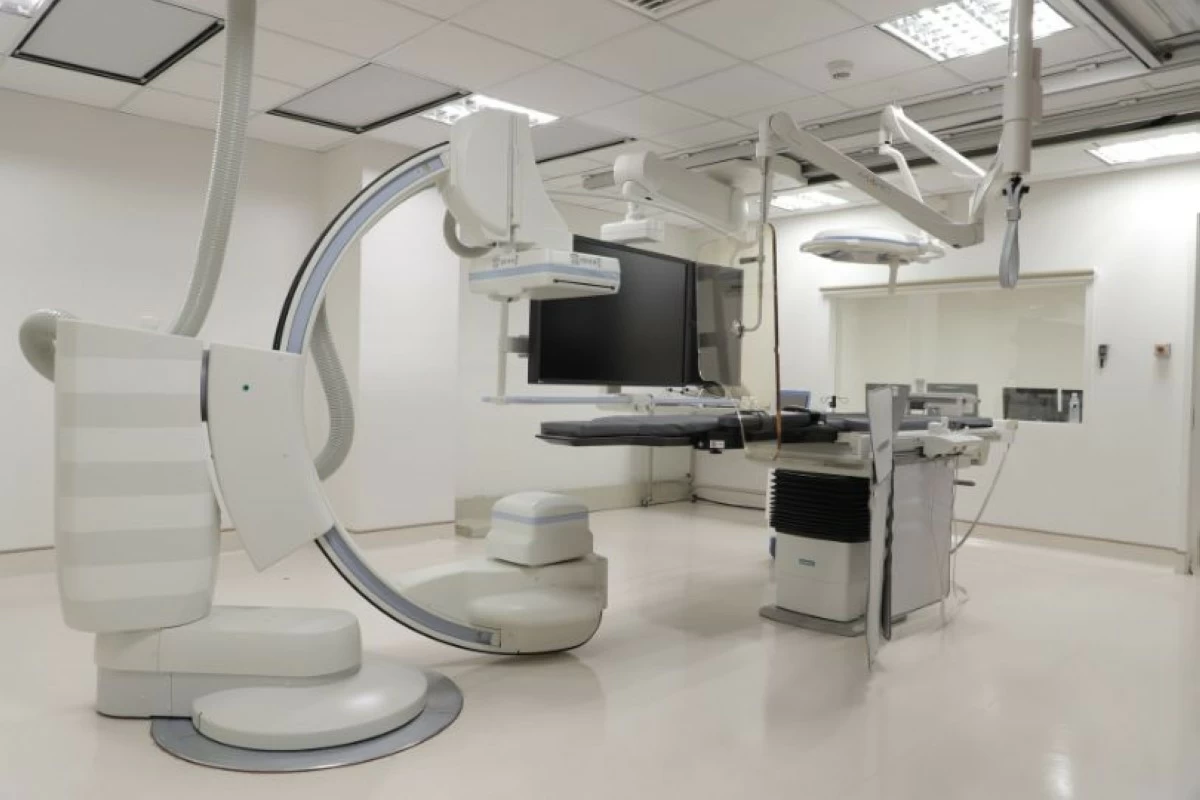
The Cardiovascular Catheterization Laboratory (Cathlab) of Manila Doctors Hospital is a state-of-the-art, highly specialized facility, designed and fully equipped with advanced diagnostic and imaging technology used for precise diagnosis and treatment of cardiovascular diseases and related conditions. This essentially enables the hospital’s heart care experts and multidisciplinary medical team to perform precise, timely, and minimally invasive cardiac procedures with a high level of safety and efficiency.
A trusted place for heart recovery
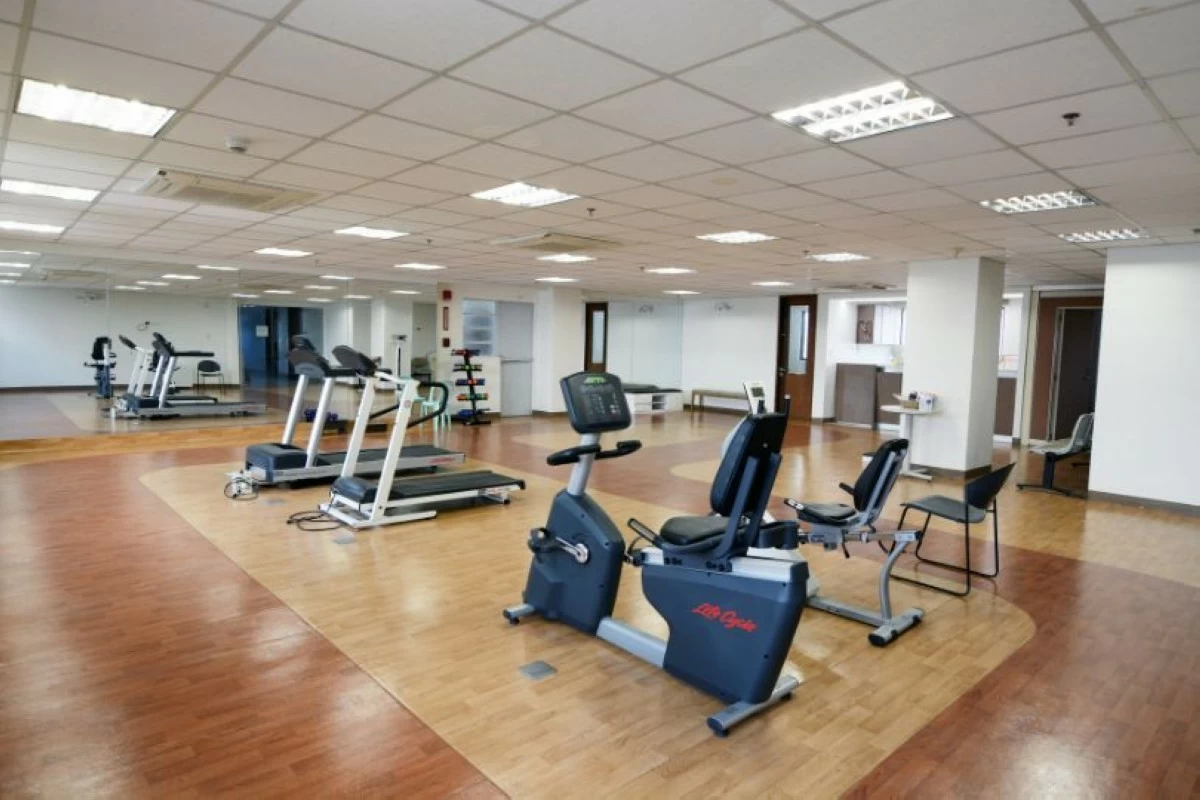
Cardiovascular Rehabilitation (also known as Cardiac Rehabilitation) is a medically-supervised, individually tailored program that supports cardiac recovery through structured exercise, counseling, and patient education—these patients are those who have recently suffered a heart attack, who went under heart surgeries, or people with peripheral artery disease, chronic heart failure, stable angina (also known as angina pectoris), or chest pain. According to the American Heart Association, studies have essentially demonstrated that cardiac rehabilitation can improve the health and recovery of those who suffer from cardiovascular disease. Evidence has shown that participation in cardiac rehabilitation is associated with a significant reduction in mortality rates, including a 15 percent decrease in all‑cause mortality within one year and up to a 45 percent reduction over a 15‑year follow‑up period. Additionally, it also shows that Cardiovascular Rehabilitation lowers cardiovascular‑related mortality by approximately 30 percent.
Lifesaving care for hearts at risk
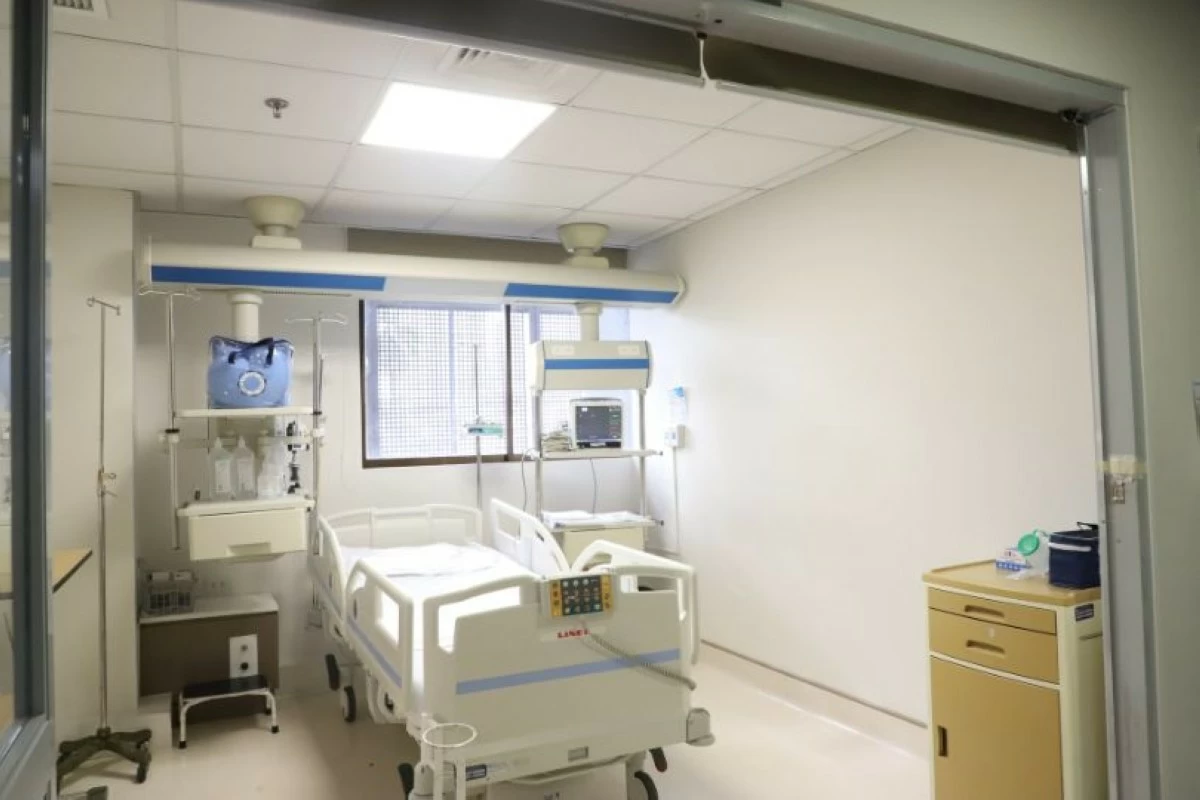
For the life-threatening cardiac conditions, the Coronary Care Unit (CCU) provides round-the-clock immediate and specialized care for patients who suffer heart attacks, unstable angina, complex arrhythmias, and acute heart failure. Equipped with state-of-the-art and avant-garde cardiac monitoring and life-support systems and technologies, under the care of the top medical specialists, including Manila Doctors Hospital’s cardiologist with extensive clinical expertise and critical care nurses.
Leading heart health every step of the way
Other Heart Care Services can also be found at Manila Doctors Hospital. Each embodies a holistic and comprehensive approach to cardiovascular health, walking with patients, hand in hand, from prevention and early detection to long-term heart disease management, including all services under Echocardiography, Electrocardiography, peripheral vascular studies, and Exercise Tests.
Manila Doctors Hospital strengthens its commitment to offering advanced services as a center of excellence, trusted, and comprehensive cardiovascular care in the heart of the nation’s capital. This reflects the institution’s recognition as a private, premier hospital with a patient-centric approach, in-depth clinical experience, and the expertise of its specialists.
About Manila Doctors Hospital
Manila Doctors Hospital is a premier tertiary hospital founded in 1956 by a group of physicians. As one of the leading healthcare institutions in the country today, Manila Doctors Hospital offers holistic care and wellbeing to its local and international patients by providing them with one of the most advanced facilities and healthcare technology in the Philippines.
Strategically located at the heart of Manila, MDH continues to revolutionize the healthcare industry by accelerating the quality of the medical profession and embracing the challenges of providing accessible, comprehensive, and quality healthcare in the country. For more information about the cardiovascular center of Manila Doctors Hospital, visit us at www.maniladoctors.com.ph, follow us at www.facebook.com/maniladoctorshospital, email us at [email protected], or call directly at (+632) 8558-0888 local 0684 and 0685.