

ADVERTISEMENT

The ups and downs of urban beekeeping

Published Feb 13, 2026 12:01 am  |  Updated Feb 12, 2026 04:17 pm


AVANT GARDENER
(Part II)
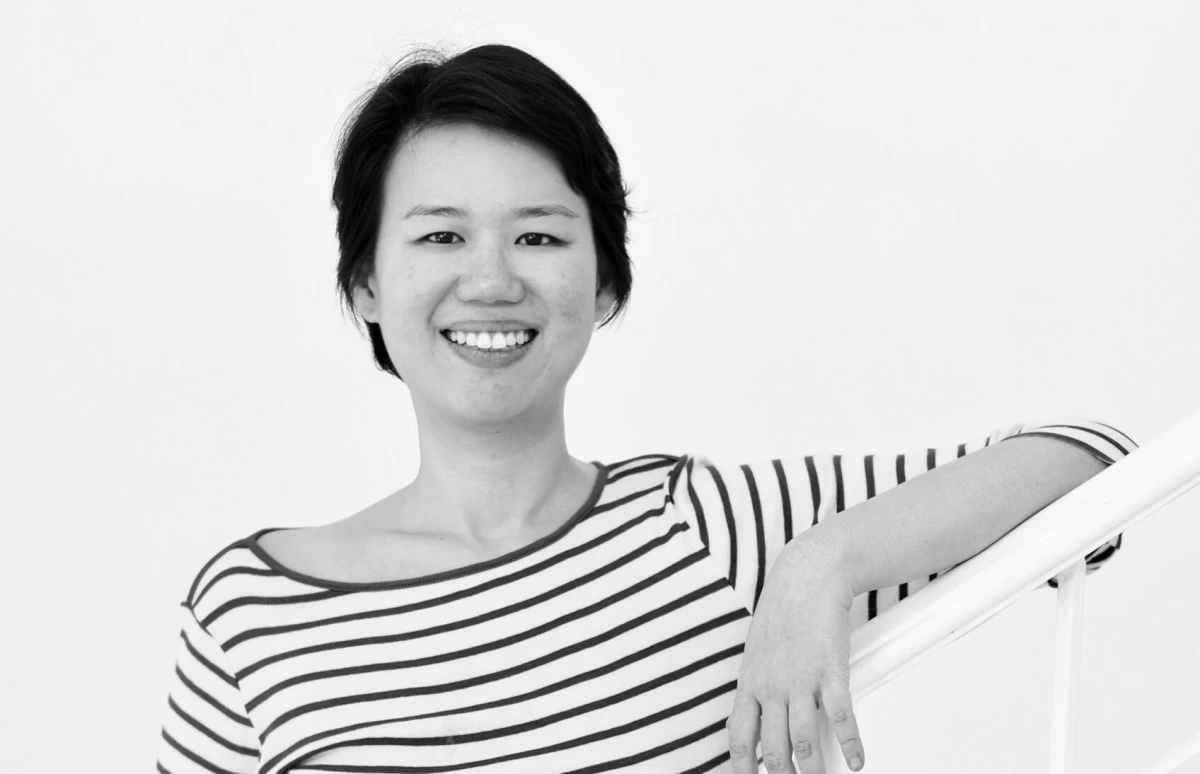
Last week I introduced you to “Amy,” an urban beekeeper who, because of stories of uninformed people unfairly complaining about urban beekeepers, has chosen to keep her identity a secret. Here is part two:
Amy characterizes her first season of beekeeping as filled with trial and error. “There's a saying in beekeeping: ‘The bees don't read the books.’ Because you can read all you want, but the bees will do what they want.”
She currently keeps four colonies of apis mellifera, or European honeybees. “I think that’s manageable. That’s small.”
The reason she doesn’t want to increase the number of her hives despite her sizable garden is resource management. “I think the most important thing is not space, but resources.”
After all, the bees won’t be able to survive if they don’t have enough plants to harvest from. Aside from many private gardens, the area is shaded with narra, acacia, and mango trees. Amy’s garden itself has mango trees, sunflowers, cosmos, calliandras, and cadena de amor. “Can you imagine all of those resources being split among 13 to 14 colonies? That's not a lot because we also have to think of the native bees.”
She lists the wild bees she’s been able to identify in her garden: “We have the local honeybee, apis cerana… There’s also the Philippine giant honeybee, apis breviligula, it’s huge and it’s black and white-striped, I see them in my yard as well… You see the blue-banded bees, the carpenter bees; there’s so many kinds of bees, so all of them are also fighting for those resources.”
Amy adds that there is a counterargument to limiting hives to match one’s resources, and that’s to increase the resources available. She added that some beekeepers keep more hives than their surrounding resources can handle. “It's not really helping the environment. You don't even get that much honey because they won't be able to get that much nectar.”
More nectar means more honey, and the amount of honey produced (from a human consumption standpoint) is seasonal. “November to January is what we call the minor honey flow. We call it minor because the flowers aren’t in full bloom and it’s still raining,” Amy explained. “Around February to May is the major honey flow… and the bees love that.”
The time in between honeyflows is called the dearth period. Like many beekeepers, Amy supplements her bees with sugar water at this time, from August to October. She mentioned that some beekeepers dye their sugar water to visually separate them from actual honey when in the comb.
“The last harvest is around June, July. July is really cutting it, because that's when it starts to rain, and it gets really humid. And since honey's hygroscopic, whatever honey is left in the hive, because the humidity is so high, the moisture doesn't go down. Sometimes it even ferments in the hive,” she explained. “Around July or August, when it's raining, there is no food for them, so I always make it a point to have at least cosmos in bloom, so they have pollen. But the nectar is the problem. The nectar is their carbohydrate, the pollen is their protein.”
She stops feeding them sugar water around mid-October, just before the dearth period ends, so the bees begin to gather nectar again. She adds a honey super—an extra box for additional honey storage—into the hives around December, which will be filled with honey for harvesting by March.
She usually harvests two or three times a season, with the honey from each harvest having its own unique flavor.
“The earlier harvest is dark. I think it's the mango. The later harvest, around May to June, is very light. That, for sure, is narra,” she said. “The darker one is kind of citrusy. The lighter is also citrusy, but lighter. I like the lighter one more than the darker one. It's a preference.”
She sells the honey for ₱450 for 300 grams, based on an unspoken agreement between Philippine beekeepers to price local honey at ₱2,100 per kilo, plus labor and materials.
“I've had to sell because I have to make back some of the money [I spent],” she joked.
Not all harvests are created equal. Amy has had her share of setbacks. “Last year, I was only able to harvest [around 40 kg] from one colony out of the four because one queen died and the other colonies had chalkbrood,” she said. Chalkbrood is a fungal disease that results in chalk-like, “mummified” larvae.
Still, it is this uncertainty that keeps her interested. She even cites it as her favorite aspect of beekeeping.
“It's like problem solving on the fly. You open the colony, and are like, ‘Oh, my God, something's happening. I have to figure out what to do.’”
Watch out for part three next week!

Related Tags

YVETTE TAN AVANT GARDENER
ADVERTISEMENT
.most-popular .layout-ratio{ padding-bottom: 79.13%; } @media (min-width: 768px) and (max-width: 1024px) { .widget-title { font-size: 15px !important; } }

{{ articles_filter_1561_widget.title }}

.most-popular .layout-ratio{ padding-bottom: 79.13%; } @media (min-width: 768px) and (max-width: 1024px) { .widget-title { font-size: 15px !important; } }

{{ articles_filter_1562_widget.title }}

.most-popular .layout-ratio{ padding-bottom: 79.13%; } @media (min-width: 768px) and (max-width: 1024px) { .widget-title { font-size: 15px !important; } }

{{ articles_filter_1563_widget.title }}

{{ articles_filter_1564_widget.title }}

.mb-article-details { position: relative; } .mb-article-details .article-body-preview, .mb-article-details .article-body-summary{ font-size: 17px; line-height: 30px; font-family: "Libre Caslon Text", serif; color: #000; } .mb-article-details .article-body-preview iframe , .mb-article-details .article-body-summary iframe{ width: 100%; margin: auto; } .read-more-background { background: linear-gradient(180deg, color(display-p3 1.000 1.000 1.000 / 0) 13.75%, color(display-p3 1.000 1.000 1.000 / 0.8) 30.79%, color(display-p3 1.000 1.000 1.000) 72.5%); position: absolute; height: 200px; width: 100%; bottom: 0; display: flex; justify-content: center; align-items: center; padding: 0; } .read-more-background a{ color: #000; } .read-more-btn { padding: 17px 45px; font-family: Inter; font-weight: 700; font-size: 18px; line-height: 16px; text-align: center; vertical-align: middle; border: 1px solid black; background-color: white; } .hidden { display: none; }
function initializeAllSwipers() { // Get all hidden inputs with cms_article_id document.querySelectorAll('[id^="cms_article_id_"]').forEach(function (input) { const cmsArticleId = input.value; const articleSelector = '#article-' + cmsArticleId + ' .body_images'; const swiperElement = document.querySelector(articleSelector); if (swiperElement && !swiperElement.classList.contains('swiper-initialized')) { new Swiper(articleSelector, { loop: true, pagination: false, navigation: { nextEl: '#article-' + cmsArticleId + ' .swiper-button-next', prevEl: '#article-' + cmsArticleId + ' .swiper-button-prev', }, }); } }); } setTimeout(initializeAllSwipers, 3000); const intersectionObserver = new IntersectionObserver( (entries) => { entries.forEach((entry) => { if (entry.isIntersecting) { const newUrl = entry.target.getAttribute("data-url"); if (newUrl) { history.pushState(null, null, newUrl); let article = entry.target; // Extract metadata const author = article.querySelector('.author-section').textContent.replace('By', '').trim(); const section = article.querySelector('.section-info ').textContent.replace(' ', ' '); const title = article.querySelector('.article-title h1').textContent; // Parse URL for Chartbeat path format const parsedUrl = new URL(newUrl, window.location.origin); const cleanUrl = parsedUrl.host + parsedUrl.pathname; // Update Chartbeat configuration if (typeof window._sf_async_config !== 'undefined') { window._sf_async_config.path = cleanUrl; window._sf_async_config.sections = section; window._sf_async_config.authors = author; } // Track virtual page view with Chartbeat if (typeof pSUPERFLY !== 'undefined' && typeof pSUPERFLY.virtualPage === 'function') { try { pSUPERFLY.virtualPage({ path: cleanUrl, title: title, sections: section, authors: author }); } catch (error) { console.error('ping error', error); } } // Optional: Update document title if (title && title !== document.title) { document.title = title; } } } }); }, { threshold: 0.1 } ); function showArticleBody(button) { const article = button.closest("article"); const summary = article.querySelector(".article-body-summary"); const body = article.querySelector(".article-body-preview"); const readMoreSection = article.querySelector(".read-more-background"); // Hide summary and read-more section summary.style.display = "none"; readMoreSection.style.display = "none"; // Show the full article body body.classList.remove("hidden"); } document.addEventListener("DOMContentLoaded", () => { let loadCount = 0; // Track how many times articles are loaded const offset = [1, 2, 3, 4, 5, 6, 7, 8, 9, 10]; // Offset values const currentUrl = window.location.pathname.substring(1); let isLoading = false; // Prevent multiple calls if (!currentUrl) { console.log("Current URL is invalid."); return; } const sentinel = document.getElementById("load-more-sentinel"); if (!sentinel) { console.log("Sentinel element not found."); return; } function isSentinelVisible() { const rect = sentinel.getBoundingClientRect(); return ( rect.top < window.innerHeight && rect.bottom >= 0 ); } function onScroll() { if (isLoading) return; if (isSentinelVisible()) { if (loadCount >= offset.length) { console.log("Maximum load attempts reached."); window.removeEventListener("scroll", onScroll); return; } isLoading = true; const currentOffset = offset[loadCount]; window.loadMoreItems().then(() => { let article = document.querySelector('#widget_1690 > div:nth-last-of-type(2) article'); intersectionObserver.observe(article) loadCount++; }).catch(error => { console.error("Error loading more items:", error); }).finally(() => { isLoading = false; }); } } window.addEventListener("scroll", onScroll); });

Sign up by email to receive news.