

ADVERTISEMENT

The mind is your canvas: Raul Rodriguez and the '15 Trajectories'

Published Feb 13, 2026 11:36 am

At A Glance

  • As a curator, Raul wants the gallery to be a place of discovery, especially for younger generations who may be unfamiliar with the pillars of modern art.
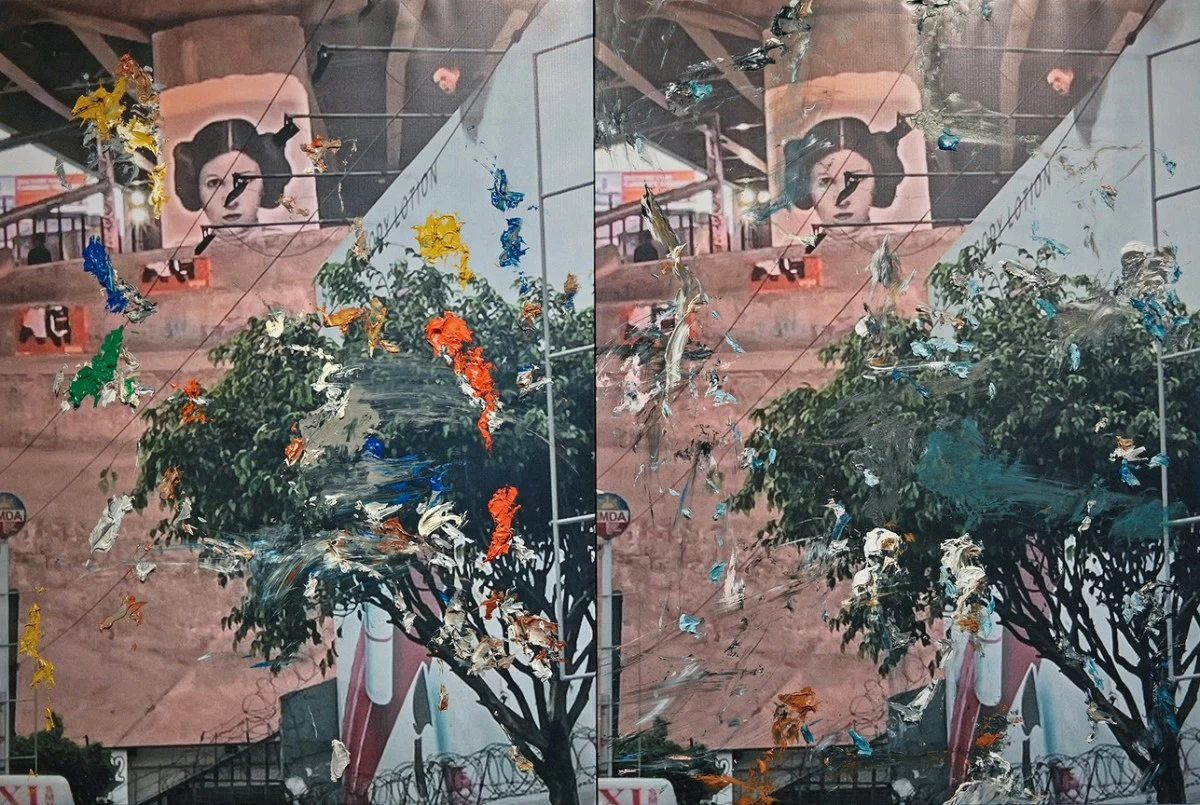
'DOUBLE EDSA MATRIX REVOLUTION' Jonathan Olazo
In the 1960s, a young Raul Rodriguez stood inside a studio in San Juan City, watching his uncle, the late conceptual pioneer Roberto Chabet, assemble metal scraps and pipings for the Cultural Center of the Philippines (CCP). On some afternoons, the boy was even tasked with applying pink acrylic to monay breads for Chabet’s iconic installations. Decades later, Raul is no longer just the observer but the artist. As the curator and a participating artist in “I5 Trajectories” at Improv Art Gallery, he is passing on the most vital lesson he learned in that studio: that manual skill is never enough, true art happens first and foremost in the mind of the artist.
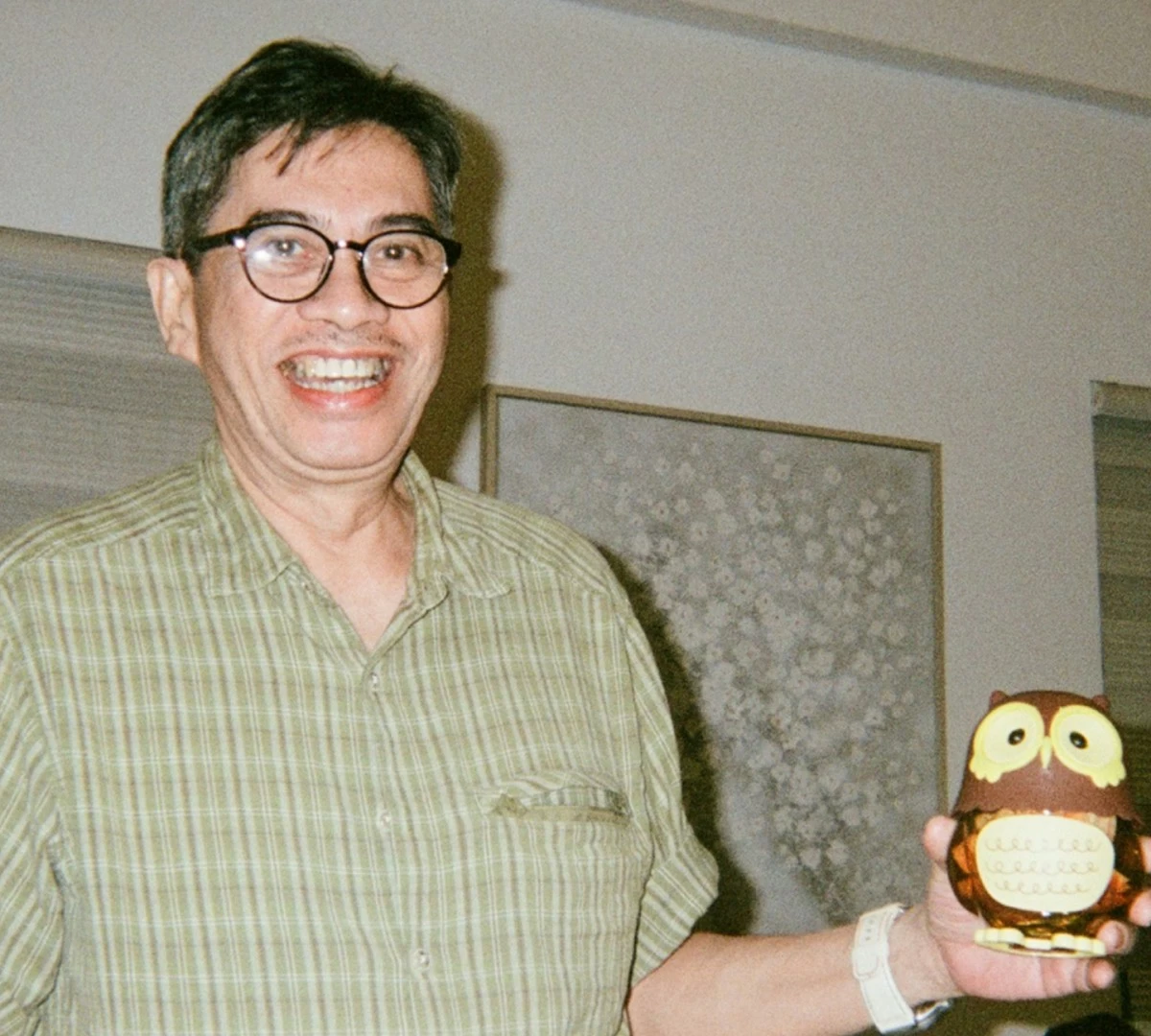
MEET THE CURATOR Raul Rodriguez
A legacy of critical thinking
Born in the 1960s into a household inclined toward the arts, Raul’s journey was almost predestined. Beyond his early days assisting uncle Roberto, he received formal training at the UP College of Fine Arts under masters like Jose Joya and Benjie Cabangis. It was, however, the mentoring of his Tito Bobby (Chabet) that left the deepest mark, teaching him that analytical and critical thinking are the artist’s sharpest tools.
“Art enthusiasts nowadays should immerse themselves in experiencing and dialoguing with art that has aesthetic substance rather than get sidetracked by the hype churned in the art market,” Raul asserts. This vow to prioritize substance over “the cool” led him to curate “15 Trajectories,” a show that brings together 15 artists who operate in a landscape no longer governed by a single dominant “-ism.”
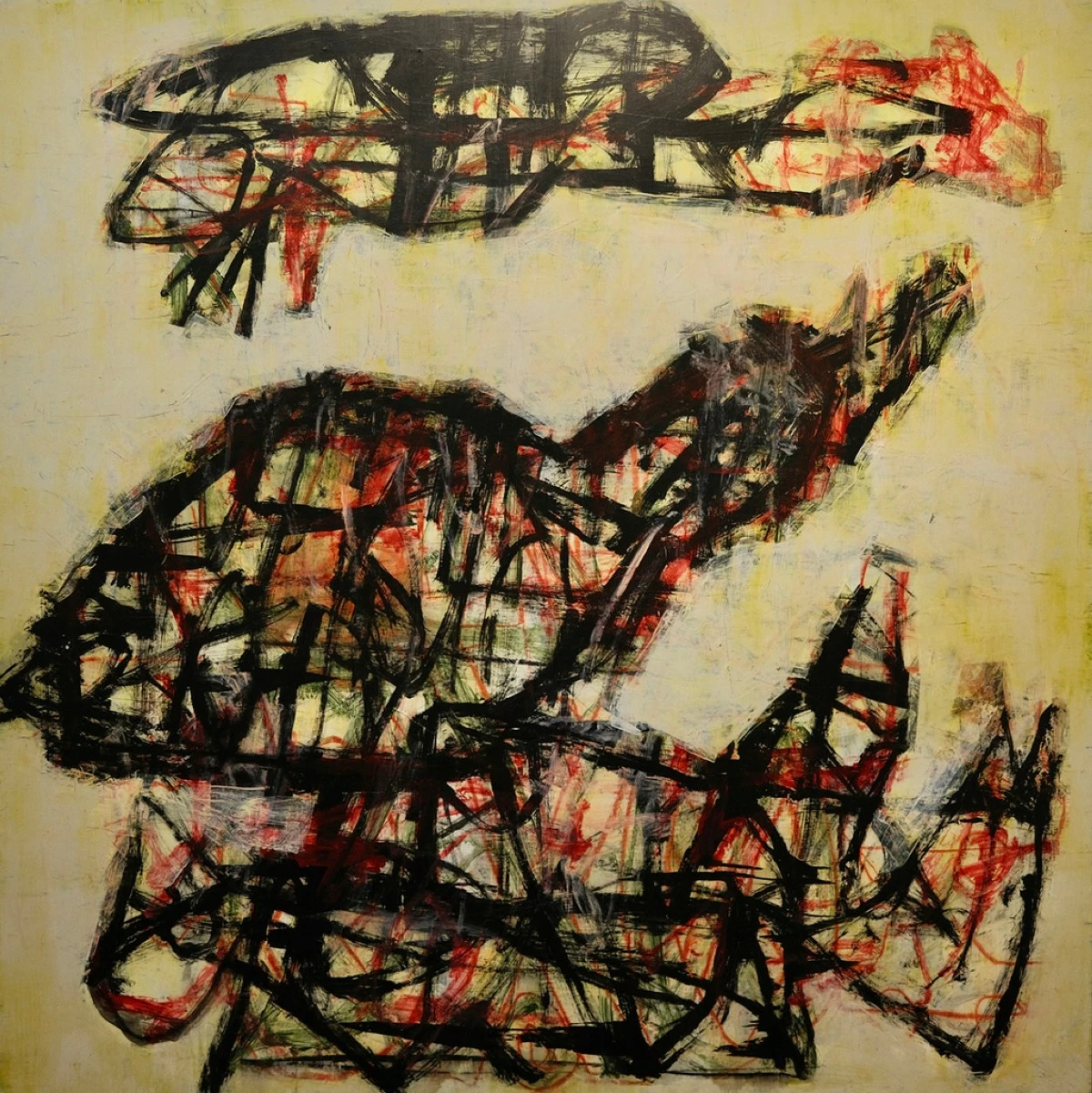
'CONTINUITY AND MUTATION' Jose Guillermo Naval
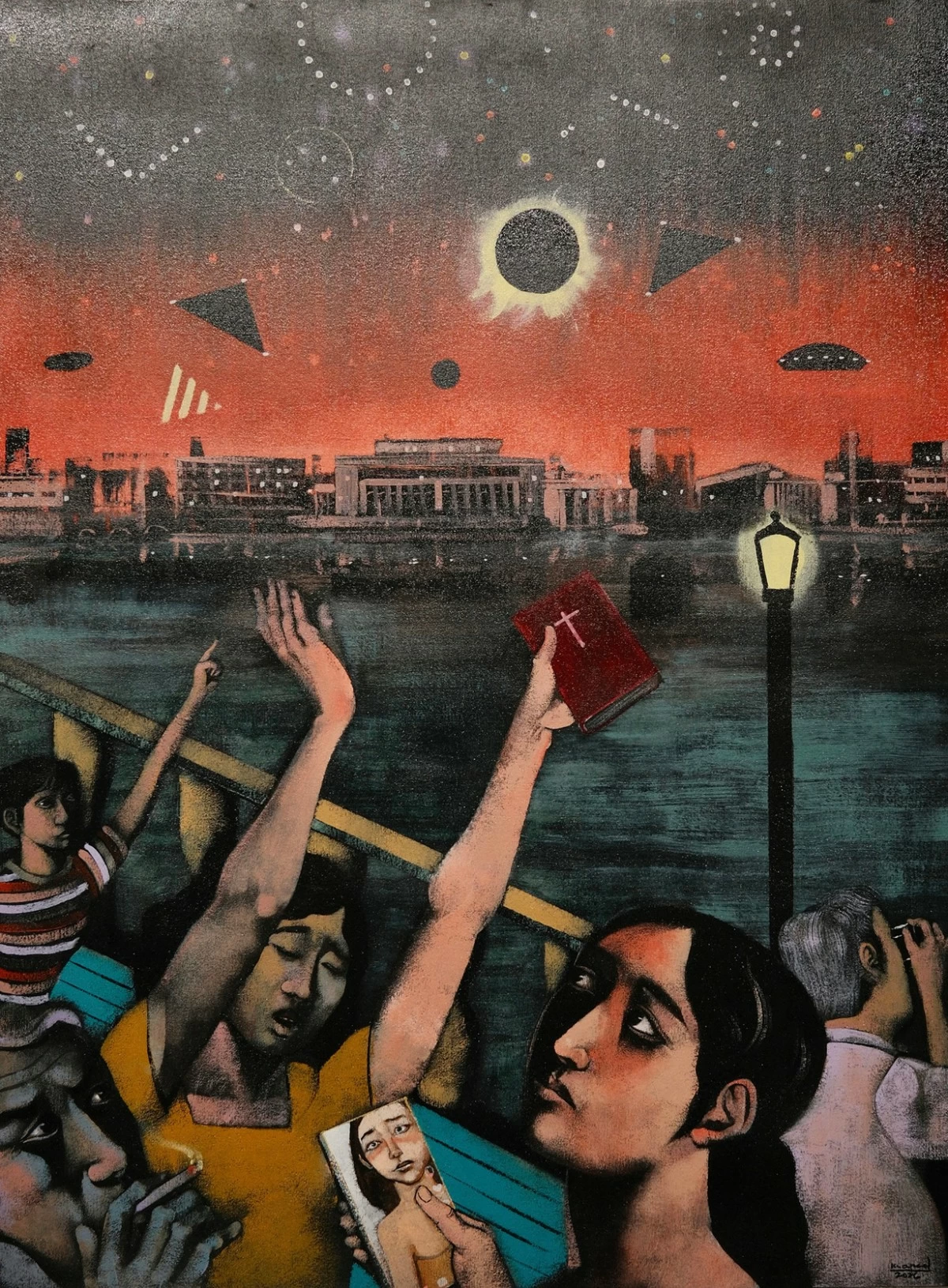
'A SKY FULL OF SIGNS' Marcel Antonio
15 paths, one constellation
The exhibit’s title, “15 Trajectories,” reflects Raul’s observation that contemporary artists today insert present-day issues into their work to break away from traditional formulas. “I selected these artists mainly because I like what they’re doing and, in a modest way, they don’t give a damn on what’s cool or not for the viewing public,” he explains.
The results are as varied as the artists themselves.
Jonathan Olazo surprises viewers by applying slapdash paint on printed tarapaulin with a baseball bat hanging on it, defying the neat categories of style.
Dan Raralio’s “Epicenter” offers a blend of minimalism and expressionism, using thick resin pigments to create a visceral, physical presence.
Marcel Antonio’s “A Sky Full of Signs” captures a sense of wonder and displacement, drawing the viewer into a surreal, figurative mystery.
Raul’s own contribution, a two-part work titled “Mojo Static,” embodies his fascination with deconstruction. For this exhibit, he opted for acrylic for its quick-drying properties and annexed a printed pillowcase fabric over a wood plank to the larger canvas.
“It’s always a fascination for me to break the rectangular format of a canvas,” he says. For Raul, a painting is not about defining a subject, but concealing it in mystery. By overlapping images and paint, he creates a fuzzy effect, like a memory being canceled or erased. “I like painting a puzzle and letting the viewer guess what they’re looking at.."
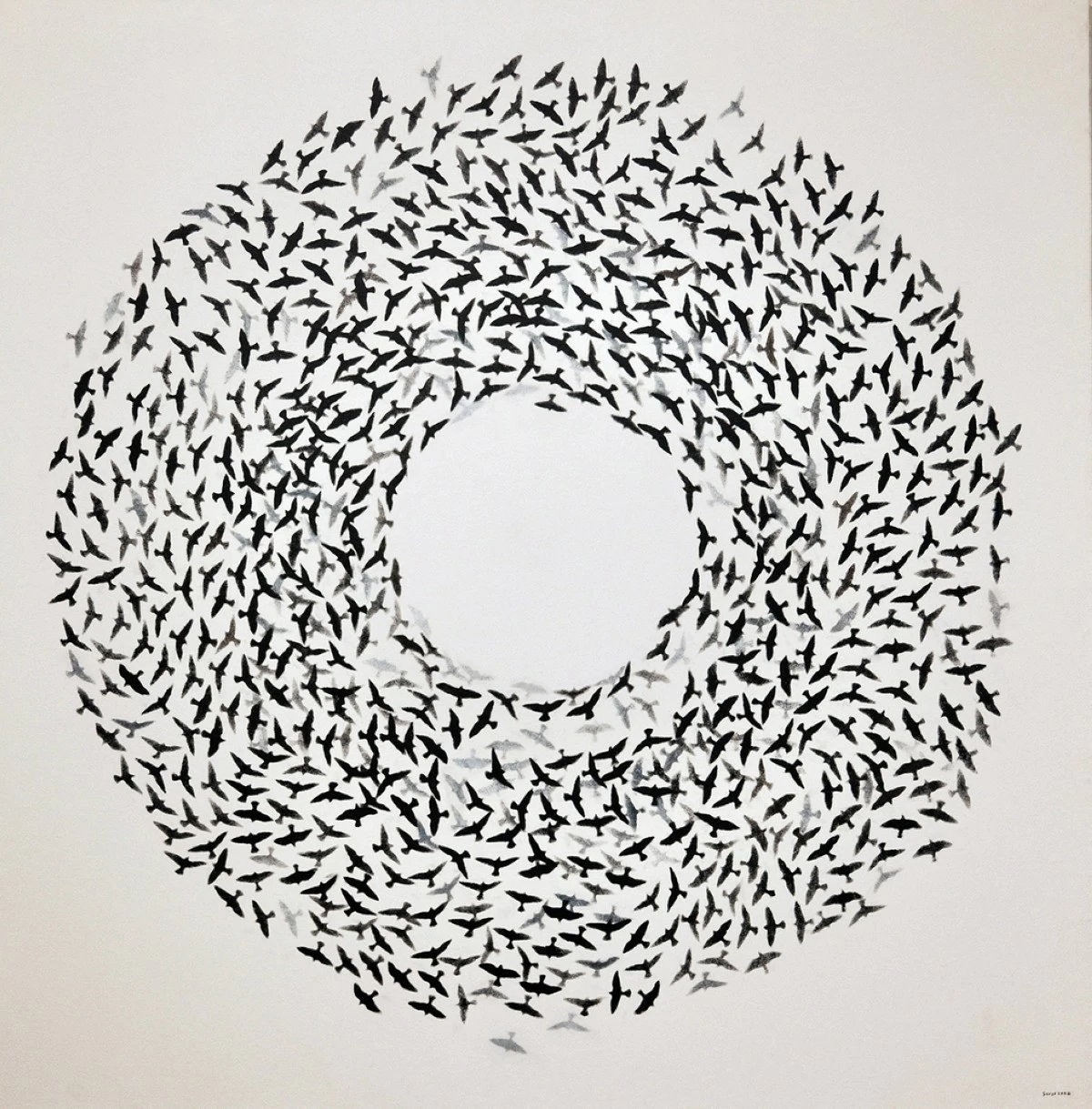
'THE CRADLE (INVENTORY OF SCIENCE' Erik Sausa
A 'halo-halo' from another planet
As a curator, Raul wants the gallery to be a place of discovery, especially for younger generations who may be unfamiliar with the pillars of modern art. He recalls a sobering moment when an art student asked him, “Who’s Picasso?” From that point on, he committed to using his exhibit as a vehicle for art literacy,
In “I5 Trajectories,” every piece is an invitation to forget what is saleable and instead look intently. Raul describes the experience of the show as “tasting halo-halo from another planet.” It is a diverse, colorful, and sometimes jarring mix that, when taken together, offers a delicious blend of what it means to create in the Philippines today.
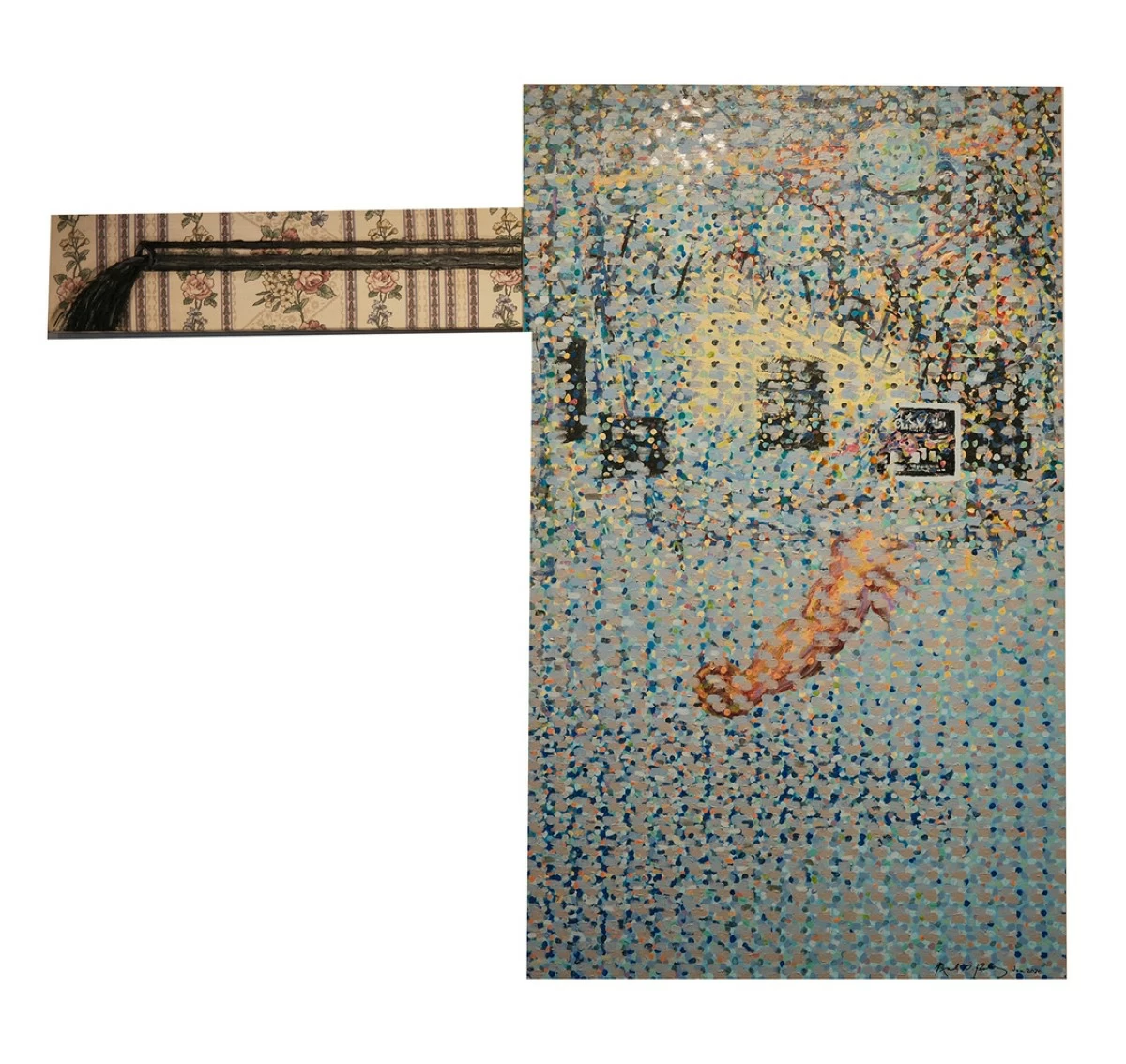
'MOJO STATIC 1 AND 2' Raul Rodriguez
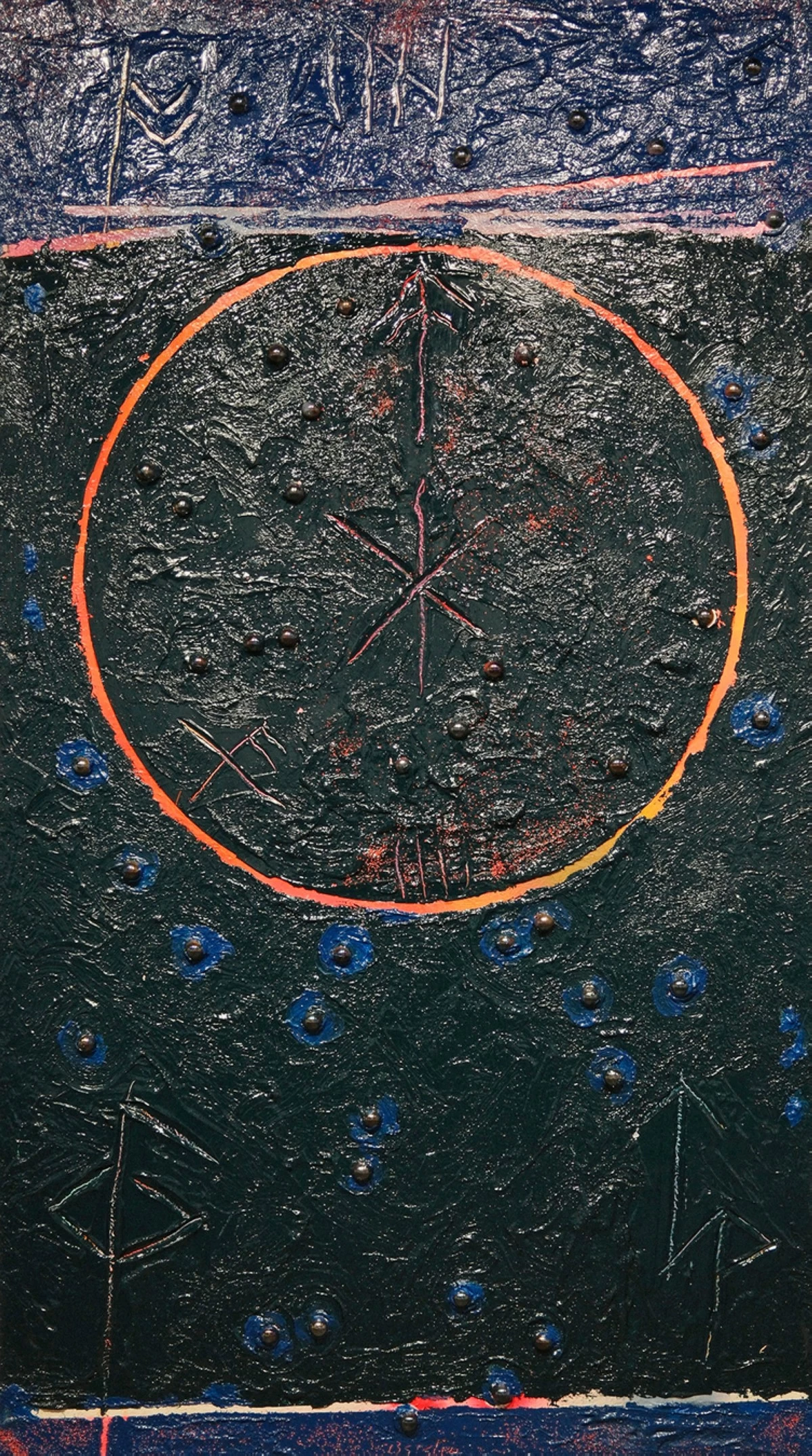
'EPICENTER' Dan Raralio
“I want each art piece to play the role of a teacher,” Raul says, “imparting fresh visual knowledge to a curious onlooker."
“15 Trajectories” runs until March 21 at the Improv Gallery, 5th Floor Katinko Building, New York Ave., corner EDSA, Quezon City. Admission is free.

Related Tags

Arts and Culture Artist At Work Raul Rodriguez
ADVERTISEMENT
.most-popular .layout-ratio{ padding-bottom: 79.13%; } @media (min-width: 768px) and (max-width: 1024px) { .widget-title { font-size: 15px !important; } }

{{ articles_filter_1561_widget.title }}

.most-popular .layout-ratio{ padding-bottom: 79.13%; } @media (min-width: 768px) and (max-width: 1024px) { .widget-title { font-size: 15px !important; } }

{{ articles_filter_1562_widget.title }}

.most-popular .layout-ratio{ padding-bottom: 79.13%; } @media (min-width: 768px) and (max-width: 1024px) { .widget-title { font-size: 15px !important; } }

{{ articles_filter_1563_widget.title }}

{{ articles_filter_1564_widget.title }}

.mb-article-details { position: relative; } .mb-article-details .article-body-preview, .mb-article-details .article-body-summary{ font-size: 17px; line-height: 30px; font-family: "Libre Caslon Text", serif; color: #000; } .mb-article-details .article-body-preview iframe , .mb-article-details .article-body-summary iframe{ width: 100%; margin: auto; } .read-more-background { background: linear-gradient(180deg, color(display-p3 1.000 1.000 1.000 / 0) 13.75%, color(display-p3 1.000 1.000 1.000 / 0.8) 30.79%, color(display-p3 1.000 1.000 1.000) 72.5%); position: absolute; height: 200px; width: 100%; bottom: 0; display: flex; justify-content: center; align-items: center; padding: 0; } .read-more-background a{ color: #000; } .read-more-btn { padding: 17px 45px; font-family: Inter; font-weight: 700; font-size: 18px; line-height: 16px; text-align: center; vertical-align: middle; border: 1px solid black; background-color: white; } .hidden { display: none; }
function initializeAllSwipers() { // Get all hidden inputs with cms_article_id document.querySelectorAll('[id^="cms_article_id_"]').forEach(function (input) { const cmsArticleId = input.value; const articleSelector = '#article-' + cmsArticleId + ' .body_images'; const swiperElement = document.querySelector(articleSelector); if (swiperElement && !swiperElement.classList.contains('swiper-initialized')) { new Swiper(articleSelector, { loop: true, pagination: false, navigation: { nextEl: '#article-' + cmsArticleId + ' .swiper-button-next', prevEl: '#article-' + cmsArticleId + ' .swiper-button-prev', }, }); } }); } setTimeout(initializeAllSwipers, 3000); const intersectionObserver = new IntersectionObserver( (entries) => { entries.forEach((entry) => { if (entry.isIntersecting) { const newUrl = entry.target.getAttribute("data-url"); if (newUrl) { history.pushState(null, null, newUrl); let article = entry.target; // Extract metadata const author = article.querySelector('.author-section').textContent.replace('By', '').trim(); const section = article.querySelector('.section-info ').textContent.replace(' ', ' '); const title = article.querySelector('.article-title h1').textContent; // Parse URL for Chartbeat path format const parsedUrl = new URL(newUrl, window.location.origin); const cleanUrl = parsedUrl.host + parsedUrl.pathname; // Update Chartbeat configuration if (typeof window._sf_async_config !== 'undefined') { window._sf_async_config.path = cleanUrl; window._sf_async_config.sections = section; window._sf_async_config.authors = author; } // Track virtual page view with Chartbeat if (typeof pSUPERFLY !== 'undefined' && typeof pSUPERFLY.virtualPage === 'function') { try { pSUPERFLY.virtualPage({ path: cleanUrl, title: title, sections: section, authors: author }); } catch (error) { console.error('ping error', error); } } // Optional: Update document title if (title && title !== document.title) { document.title = title; } } } }); }, { threshold: 0.1 } ); function showArticleBody(button) { const article = button.closest("article"); const summary = article.querySelector(".article-body-summary"); const body = article.querySelector(".article-body-preview"); const readMoreSection = article.querySelector(".read-more-background"); // Hide summary and read-more section summary.style.display = "none"; readMoreSection.style.display = "none"; // Show the full article body body.classList.remove("hidden"); } document.addEventListener("DOMContentLoaded", () => { let loadCount = 0; // Track how many times articles are loaded const offset = [1, 2, 3, 4, 5, 6, 7, 8, 9, 10]; // Offset values const currentUrl = window.location.pathname.substring(1); let isLoading = false; // Prevent multiple calls if (!currentUrl) { console.log("Current URL is invalid."); return; } const sentinel = document.getElementById("load-more-sentinel"); if (!sentinel) { console.log("Sentinel element not found."); return; } function isSentinelVisible() { const rect = sentinel.getBoundingClientRect(); return ( rect.top < window.innerHeight && rect.bottom >= 0 ); } function onScroll() { if (isLoading) return; if (isSentinelVisible()) { if (loadCount >= offset.length) { console.log("Maximum load attempts reached."); window.removeEventListener("scroll", onScroll); return; } isLoading = true; const currentOffset = offset[loadCount]; window.loadMoreItems().then(() => { let article = document.querySelector('#widget_1690 > div:nth-last-of-type(2) article'); intersectionObserver.observe(article) loadCount++; }).catch(error => { console.error("Error loading more items:", error); }).finally(() => { isLoading = false; }); } } window.addEventListener("scroll", onScroll); });

Sign up by email to receive news.