






Manila Bulletin
 Philippines
National
Senate bill seeks better voting access for seniors, PWDs, pregnant women, and IPs
Philippines
National
Senate bill seeks better voting access for seniors, PWDs, pregnant women, and IPs
Philippines
National
Senate bill seeks better voting access for seniors, PWDs, pregnant women, and IPs
Senate bill seeks better voting access for seniors, PWDs, pregnant women, and IPs
By Dhel Nazario
Published Feb 13, 2026 10:52 am


At A Glance
- A Senate bill is seeking to provide mechanisms to make polling places readily available to PWDs, pregnant women, and indigenous people.
A Senate bill is seeking to provide mechanisms to make polling places readily available to PWDs, pregnant women, and indigenous people.
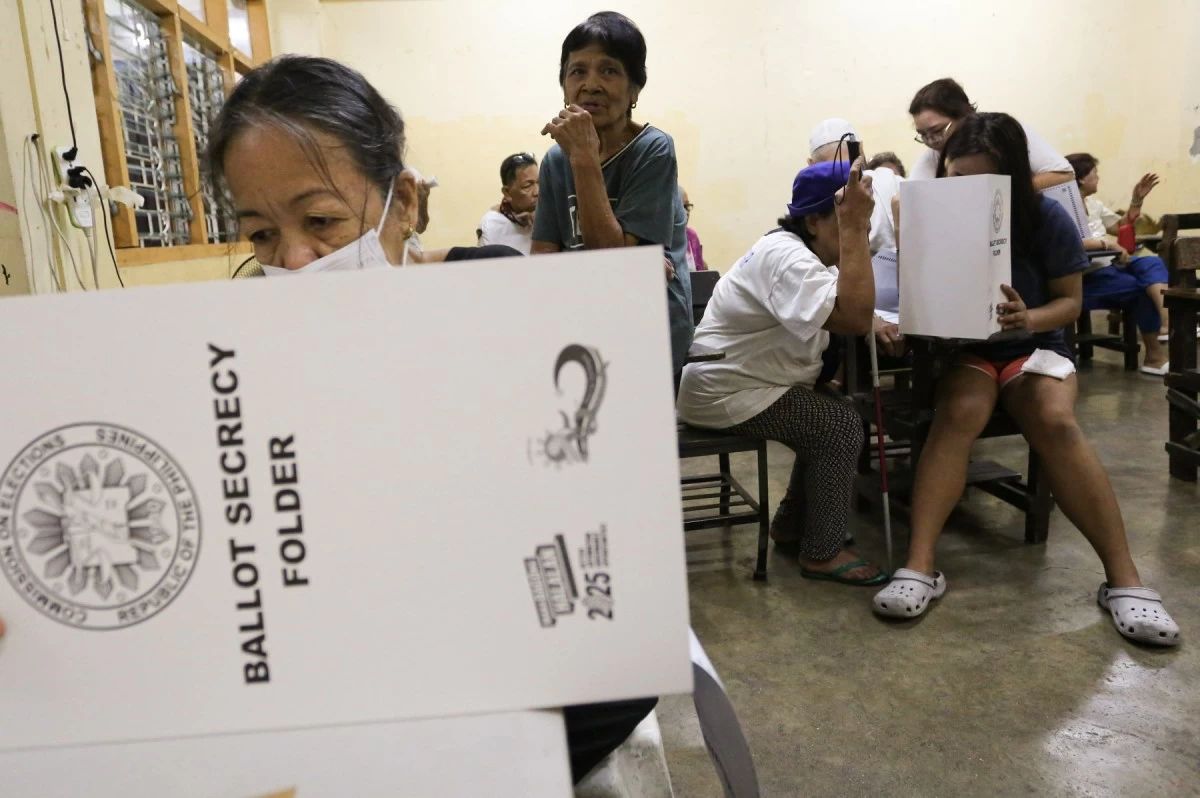
Senator Mark Villar filed Senate Bill No. 1698, titled “An Act Enhancing Accessibility in the Voting of Senior Citizens, Persons with Disabilities, Pregnant Women, and Indigenous Peoples, Amending for the Purpose Republic Act No. 10366.”
Republic Act No. 10366, enacted in 2013, authorizes the Commission on Elections (COMELEC) to establish precincts assigned to accessible polling places exclusively for persons with disabilities (PWDs) and senior citizens. While this law marked an important step toward inclusive elections, significant gaps remain, particularly for additional vulnerable groups such as pregnant women and indigenous peoples (IPs).
Senator Villar emphasized that many PWDs, pregnant women, senior citizens, and IPs continue to face disproportionate challenges in casting their ballots. These include physical barriers at polling sites, logistical difficulties in transportation, and geographic obstacles, especially in remote or rural areas where indigenous communities often reside. As a result, these sectors are disproportionately disenfranchised, undermining the democratic principle that every eligible Filipino should have an equal and meaningful opportunity to participate in elections.
“Democracy thrives when every voice is heard, yet far too many of our senior citizens, persons with disabilities, expectant mothers, and indigenous brothers and sisters encounter unnecessary hurdles just to exercise their right to vote,” Villar said.
“These barriers are not insurmountable. By building on the foundation of RA 10366, we can create a more inclusive electoral system that truly reflects the diversity of our nation,” he added.
If enacted into law, Senate Bill No. 1698 would strengthen and expand the requirements for accessible polling places. Key provisions include mandating that polling venues be situated in locations with accessible public transportation and shall be free from physical barriers and provided with necessary infrastructure and services, including transport wheelchairs, ramps, railings, sidewalks, adequate lighting and ventilation, and other features for persons with disabilities, senior citizens, pregnant women, and indigenous peoples.
The bill aims to empower the Comelec to designate and prepare polling places that prioritize inclusivity, reducing physical and logistical burdens for vulnerable voters. It seeks to ensure that no Filipino is left behind due to accessibility issues on election day.
Villar called on fellow legislators and stakeholders to support the measure, underscoring that enhancing voting accessibility is not only a matter of compliance with equality principles but also a step toward strengthening Philippine democracy.
The bill has been referred to the Senate Committee on Electoral Reforms and People Participation for further study and hearings.