






Manila Bulletin
 Business
Trade & Industry
Nickel giants Philippines, Indonesia form alliance to strengthen regional supply chain
Business
Trade & Industry
Nickel giants Philippines, Indonesia form alliance to strengthen regional supply chain
Business
Trade & Industry
Nickel giants Philippines, Indonesia form alliance to strengthen regional supply chain
Nickel giants Philippines, Indonesia form alliance to strengthen regional supply chain
Published Feb 13, 2026 05:20 pm


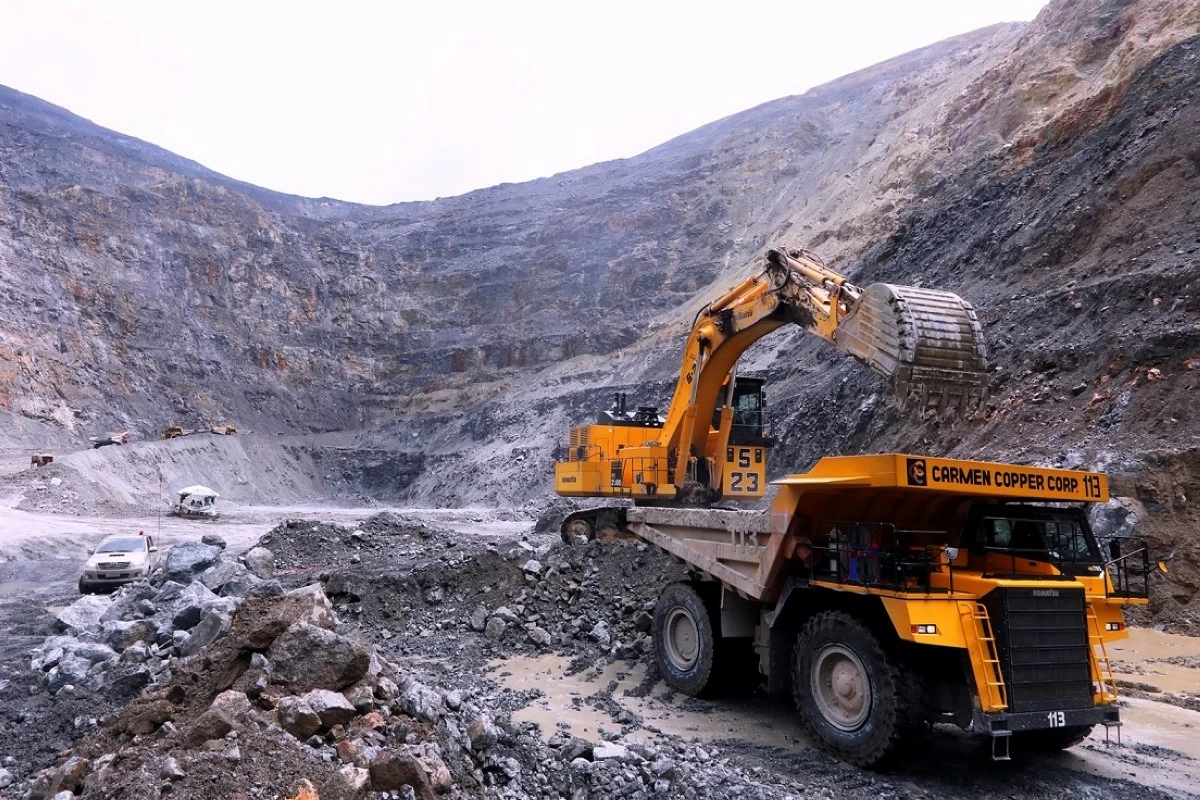
Premier nickel industry bodies of the Philippines and Indonesia have entered into a partnership to formalize a regional supply chain corridor, aiming to cement Southeast Asia’s dominance in the global energy transition.
The Philippine Nickel Industry Association (PNIA) signed a partnership agreement with the Asosiasi Penambang Nikel Indonesia (APNI), otherwise known as the Indonesia Nickel Miners Association, to outline the shared direction of both countries’ nickel mining industries.
Under the agreement, the PNIA and APNI sought to promote the IndoPhil Nickel Corridor, a unified platform designed to elevate the global significance of Indonesian and Philippine nickel.
The corridor is envisioned to build investment confidence, encourage policy dialogue, and promote responsible mining, especially as mineral resources are becoming the central component to the global energy transition.
“The corridor signals that Philippine and Indonesian nickel is developed with clearer standards and accountability,” PNIA Executive Director Charmaine Olea-Capili.
By bringing together industry leadership from PNIA and APNI, Olea-Capili said the initiative demonstrates that both the Philippines and Indonesia are committed to building a supply chain that other countries can rely on.
The Philippines is the second-largest producer of nickel in the world, trailing Indonesia. Combined, the two countries are estimated to account for around 75 percent of the global supply of the mineral.
Nickel plays a critical role in supporting strategic sectors such as energy, mobility, and infrastructure, as well as the green and digital transitions.
Amid reports pointing to environmental risks associated with nickel mining, Olea-Capili noted that the agreement is consistent with the Association of Southeast Asian Nations’ (ASEAN) Principles for Sustainable Minerals Development.
These principles advocate coordinated regional efforts to uphold high standards of environmental stewardship, social responsibility, and good governance to build public trust and investor confidence.
“While this partnership was initiated by industry, we were deliberate in making sure our cooperation is anchored in and responsive to ASEAN’s direction,” said Olea-Capili.
To ensure alignment, she said the agreement supports regional objectives such as sharing data and policy perspectives and creating platforms for industry dialogue.
Olea-Capili added that it also underpins efforts to facilitate industry learning and exposure, ensure adaptive cooperation, and support capability-building, human capital development, and environmental, social, and governance (ESG) advancement.
“These priorities send a clear signal to investors, governments, and other stakeholders about where our industries are headed,” she said.
With these initiatives in place, PNIA and APNI will now move to the implementation stage through meetings, stakeholder engagements, mine visits, and joint learning sessions.
Olea-Capili said they will invite government partners, investors, communities, and other stakeholders to ensure that these efforts translate into tangible gains.
“Responsible nickel development has to support not just the global energy transition, but also deliver real benefits for communities on the ground, and APNI and PNIA are committed to listening and keeping this cooperation moving forward to build trust,” she added.