






Manila Bulletin
 Technews
IPOPHL urges ASEAN IP offices to push for commercialization thru strengthened TISC network
Technews
IPOPHL urges ASEAN IP offices to push for commercialization thru strengthened TISC network
Technews
IPOPHL urges ASEAN IP offices to push for commercialization thru strengthened TISC network
IPOPHL urges ASEAN IP offices to push for commercialization thru strengthened TISC network
By MB Technews
Published Feb 13, 2026 03:48 pm


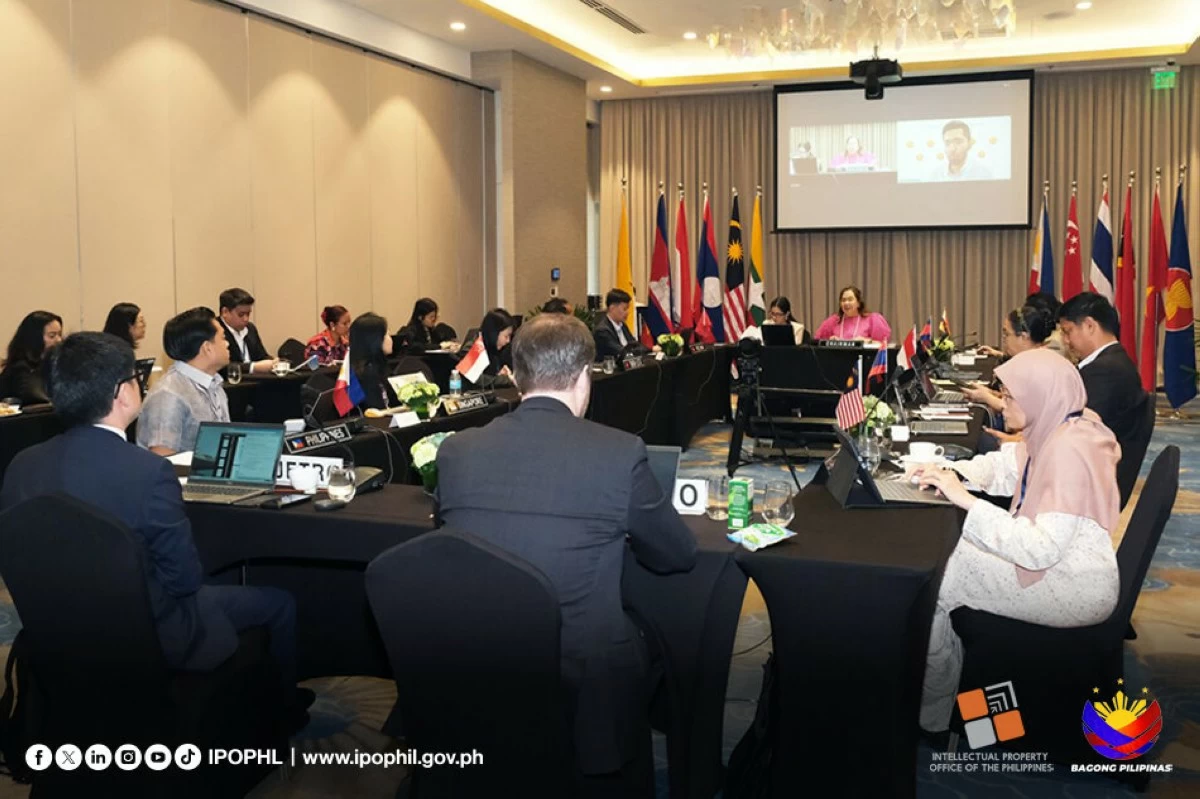
The Intellectual Property Office of the Philippines (IPOPHL) urged ASEAN intellectual property (IP) offices to place commercialization at the heart of innovation support, calling for stronger regional collaboration to ensure that research and technologies translate into real-world impact.
The call was made during the 2nd ASEAN Technology and Innovation Support Center (TISC) Network Task Force Meeting, hosted by IPOPHL in Manila, in collaboration with the World Intellectual Property Organization and with the support of the Japan Patent Office. The meeting aimed to define the future direction of the ASEAN TISC Network, finding ways to move toward concrete next steps that align with the ASEAN Intellectual Property Rights Action Plan (AIPRAP) 2026–2030.
“This ASEAN TISC Network will be more than just a formal structure. This network will be an active, priority-driven and collaborative model, the first of its kind worldwide,” said IPOPHL Deputy Director General Ann Claire C. Cabochan, Chair of the ASEAN TISC Network Task Force.
“We have to make sure that new technologies don’t end up in the graveyard of innovations,” she added.
Housed in patent offices, universities, research centers and science and technology parks, TISCs were established by WIPO to extend innovation support services in patent analytics, technology transfer, IP management and commercialization, and to adapt to the needs of innovators and researchers.
With 103 Innovation and Technology Support Offices (ITSOs)—local version of TISCs—nationwide, representing over 40% of the nearly 250 TISCs across ASEAN, the Philippines highlighted how a mature and inclusive network can turn knowledge into economic and social value. This scale and experience position the country to lead the ASEAN TISC Network toward a more outcomes-oriented, commercialization-driven model.
The meeting also featured roundtable discussions that identified priority areas, including capacity-building, patent analytics, technology gap analysis, harmonization of services and tailored support for startups and MSMEs. Delegates also explored emerging technology areas such as Industry 4.0, biotechnology and pharmaceuticals, renewable energy, agri-technology and fintech.
To translate policy discussions into action, the meeting held a workshop pairing ASEAN TISCs with Philippine ITSOs, facilitated by IPOPHL and WIPO. Representatives from Philippine ITSOS participated in the discussions to providing on-the-ground realities, challenges and opportunities they face. The workshop yielded several practical, collaborative proposals to support incubation, valuation and commercialization across the region.
The engagement concluded with a full-day tour organized by IPOPHL, where ASEAN delegates visited the ITSO offices of the Adamson University, the De La Salle University and the University of the Philippines Manila, institutions recognized for leading the charge in IP commercialization and technology transfer.
As Chair of the ASEAN TISC Network, IPOPHL reaffirmed its commitment to steering the network toward a more structured and sustainable framework beyond 2026, one anchored on strong governance, benchmarking, regional capacity-building and close collaboration with WIPO.
“Through collective effort and shared purpose, we can ensure that the ASEAN TISC Network becomes a platform not just for IP creation, but for commercialization, technology transfer, and inclusive growth across the region,” Cabochan said.