







How Bohol bounced back from the pandemic
Tourism rebounds in Bohol as operators innovate and diversify markets
Published Feb 13, 2026 08:13 am


At A Glance
- During the pandemic, operators used the downtime to explore and develop new destinations across the island.
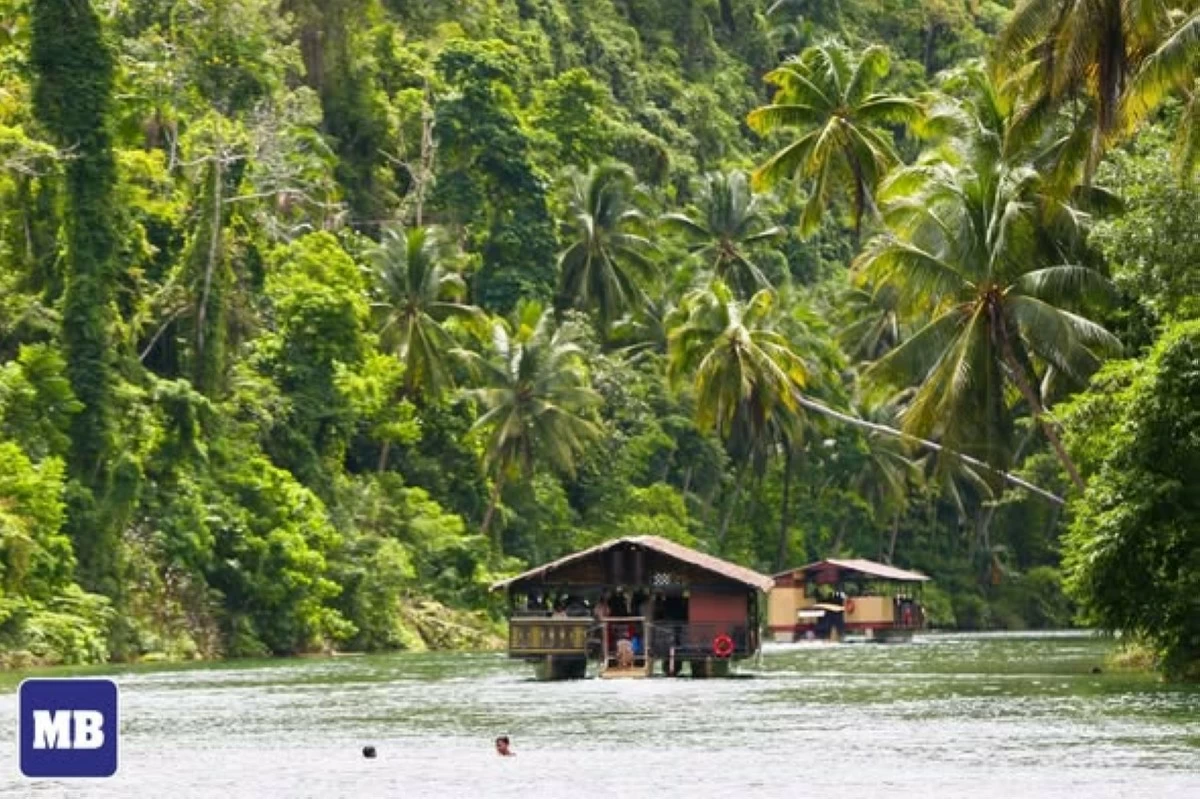
ALL NATURAL Bohol's natural beauty can be enjoyed via the Loboc River Cruise
By Pete Dacuycuy
Tourism in Bohol is steadily climbing back to pre-pandemic levels, driven by diversified source markets, new tourism products, and closer collaboration between the private sector and local government, according to longtime tour operator Lourdes Sultan.
Lourdes, owner of Travel Village Tours and one of the operators of the Loboc River floating restaurants, said the province has seen a strong recovery over the past two years, with arrivals now “almost back to pre-pandemic numbers,” particularly from Europe, Japan, and North America.
“We are seeing a significant increase in the markets we had before the pandemic,” Lourdes said in an interview. “Europeans have always been our core market, and now they are coming back, along with Japanese and North American travelers, especially during the winter season.”
Her company has been operating local tours in Bohol for more than 30 years and has managed floating restaurants in Loboc for about 12 years.
While Typhoon Odette destroyed most of their river cruise vessels—reducing their fleet from eight to just two—the company has since rebuilt and now operates five boats again.
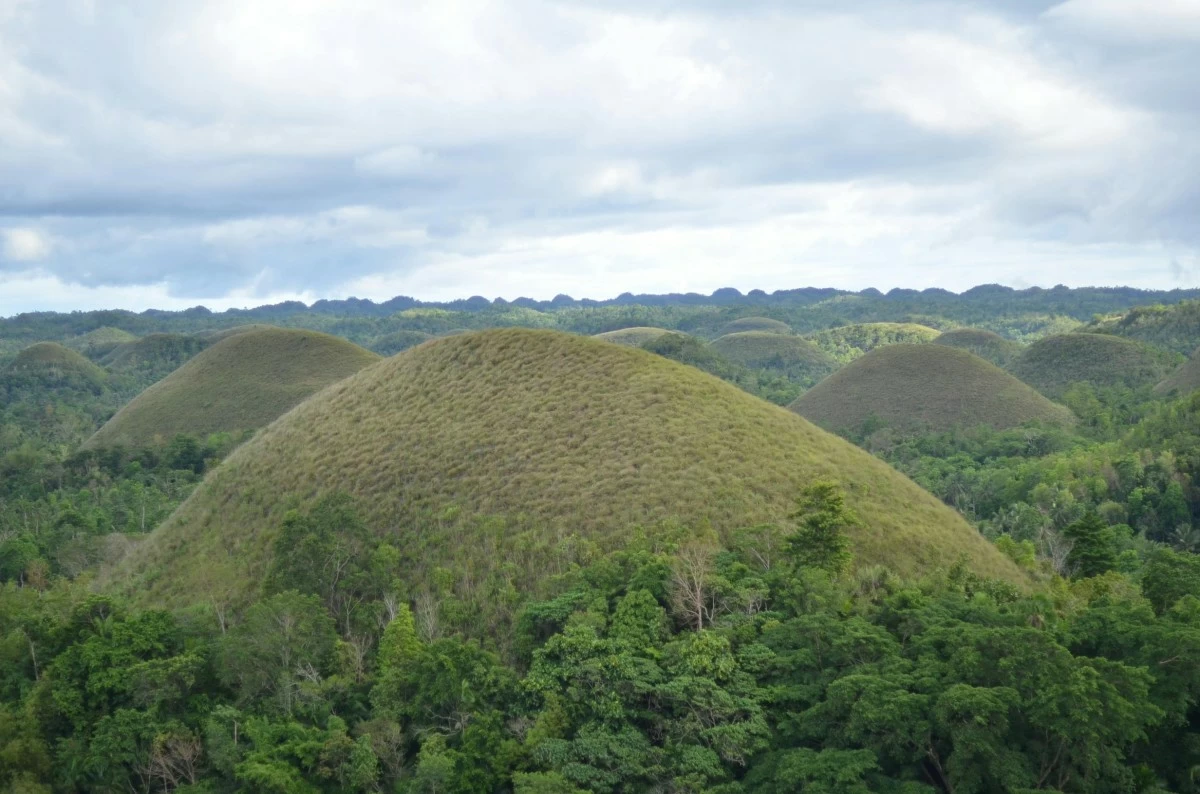
WHAT A SIGHT Bohol's stunning view of the Chocolate Hills
Diversifying beyond traditional destinations
Lourdes said Bohol’s tourism growth is increasingly fueled by product development beyond its well-known beaches and the Chocolate Hills. During the pandemic, operators used the downtime to explore and develop new destinations across the island.
These include waterfalls and rice terraces in Candijay on the eastern side of Bohol, which have become popular among European groups, as well as emerging attractions in Alicia and Mabini towns.
On the western side, cacao farms now offer immersive experiences where visitors can plant cacao, harvest beans, and learn traditional tablea-making.
“Tourists today want experiences,” Lourdes said. “They want to understand how communities live, how food is made, and how nature is protected.”
The province’s recent recognition as a UNESCO Global Geopark has further strengthened this shift toward experiential and sustainable tourism.
The designation covers the entire island and has prompted the development of geotrails and circuits linking geological, cultural, and natural sites.
Market shifts and access challenges
While foreign arrivals are rebounding, domestic tourism has softened after the post-pandemic “revenge travel” surge, as more Filipinos opt for overseas trips.
Still, stakeholders are planning a Bohol travel fair in Manila to reintroduce the destination to the domestic market, Lourdes said.
Air connectivity remains a key factor. The Panglao International Airport, now operated by Aboitiz InfraCapital, has improved access, with direct flights to Clark, Iloilo, Davao, and seasonal international routes.
Charter flights from Taiwan have already operated, and stakeholders are working to launch direct flights from Japan, she noted.
“We are optimistic that better airport management and route development will help us grow further,” Lourdes said.
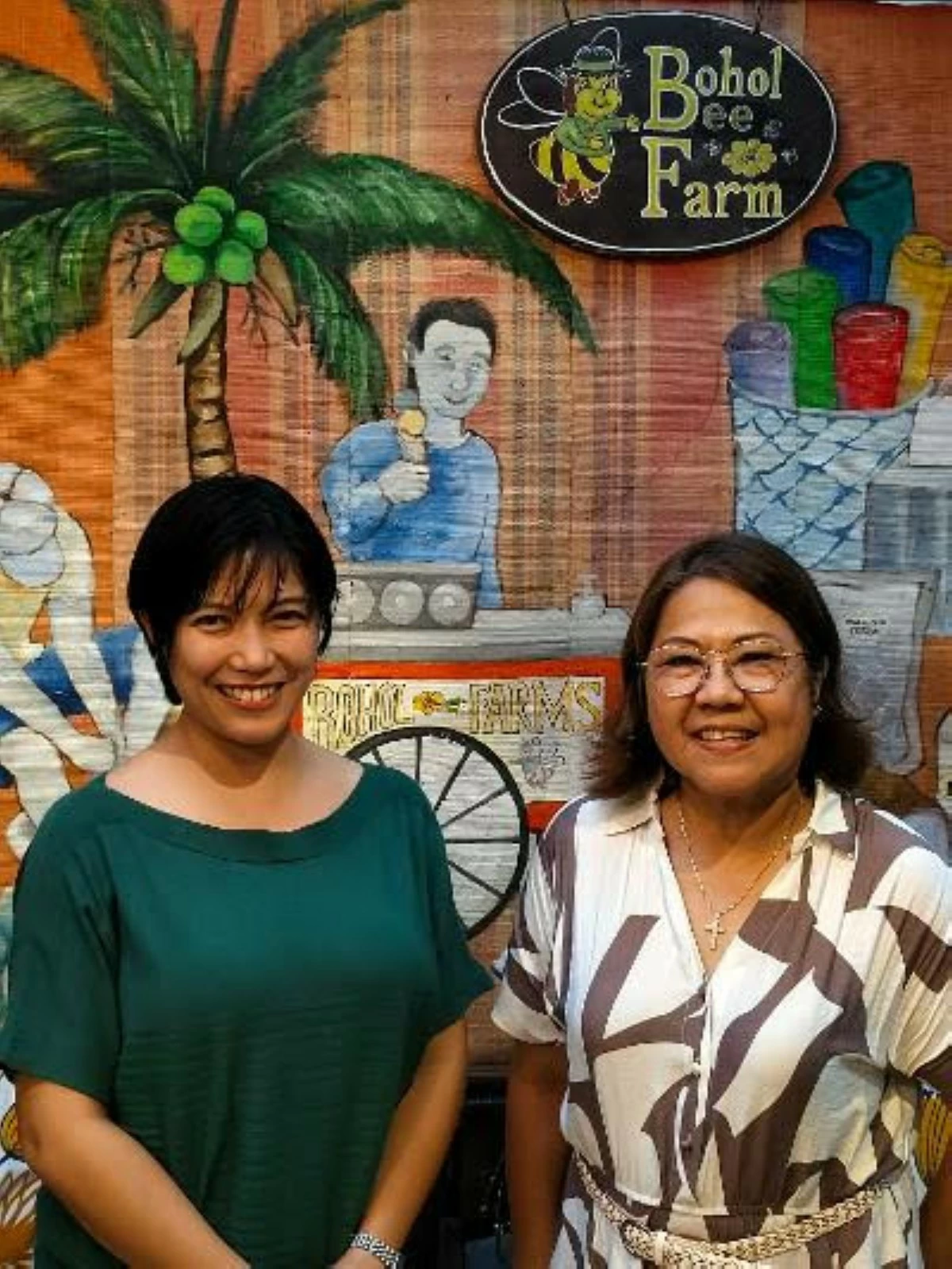
Bohol Provincial Tourism officer-in-charge Joanne Pinat and Travel Village Tours founder Lourdes Sultan
Bohol: Value, not just price
Addressing perceptions that Bohol has become expensive, provincial tourism officials emphasized “value for money” rather than price alone.
They noted that tourism pricing reflects the overall experience—service, environment, and community interaction—while acknowledging the need to balance tourism growth with affordability for locals.
In 2024, Bohol welcomed nearly 1.4 million tourists—roughly equivalent to its population—highlighting both the economic impact of tourism and the importance of managing carrying capacity.
Strong public-private collaboration
Provincial Tourism officer-in-charge and Geopark program manager Joanne Pinat said Bohol’s recovery is rooted in close coordination between government and industry players.
According to her, the Provincial Tourism Council, composed largely of private-sector representatives, meets regularly to align policies, promotions, and product development.
“Our goal is to strike a balance between development and conservation,” Pinat said. “We want tourism that benefits communities, protects our environment, and remains globally competitive.”
A destination for all seasons
During peak months from December to May, Lourde’s company runs eight to 10 tours daily, rising to as many as 15 during holidays. Even in the lean season, steady demand keeps operations viable.
For first-time visitors, Lourdes summed up Bohol’s appeal simply: “It’s total immersion—nature, culture, and people, all in one island. You can bring your family, your grandparents, or your sense of adventure. Whatever kind of traveler you are, you’ll find it here.”
With improving infrastructure, expanding air routes, and a growing portfolio of sustainable experiences, industry players believe Bohol is well-positioned not just for recovery but for long-term growth as one of the country’s leading tourism destinations.