







Discaya Rolls-Royce Cullinan finally sold; no takers for the others
Other BOC confiscated vehicles still without buyers
By Inigo Roces
Published Feb 13, 2026 08:33 pm


At A Glance
- The Rolls-Royce Cullinan ultra-luxury SUV once belonging to Sarah and Curlee Discaya has finally been sold.
- The winning bid was ₱29,026,000, just ₱1,000 above the floor price, going to Igorot Stone Kingdom Inc. (ISKI), the company behind the six-hectare cultural theme park of the same name in Baguio City.
- Despite this successful sale, several other vehicles in the lot remain unsold.
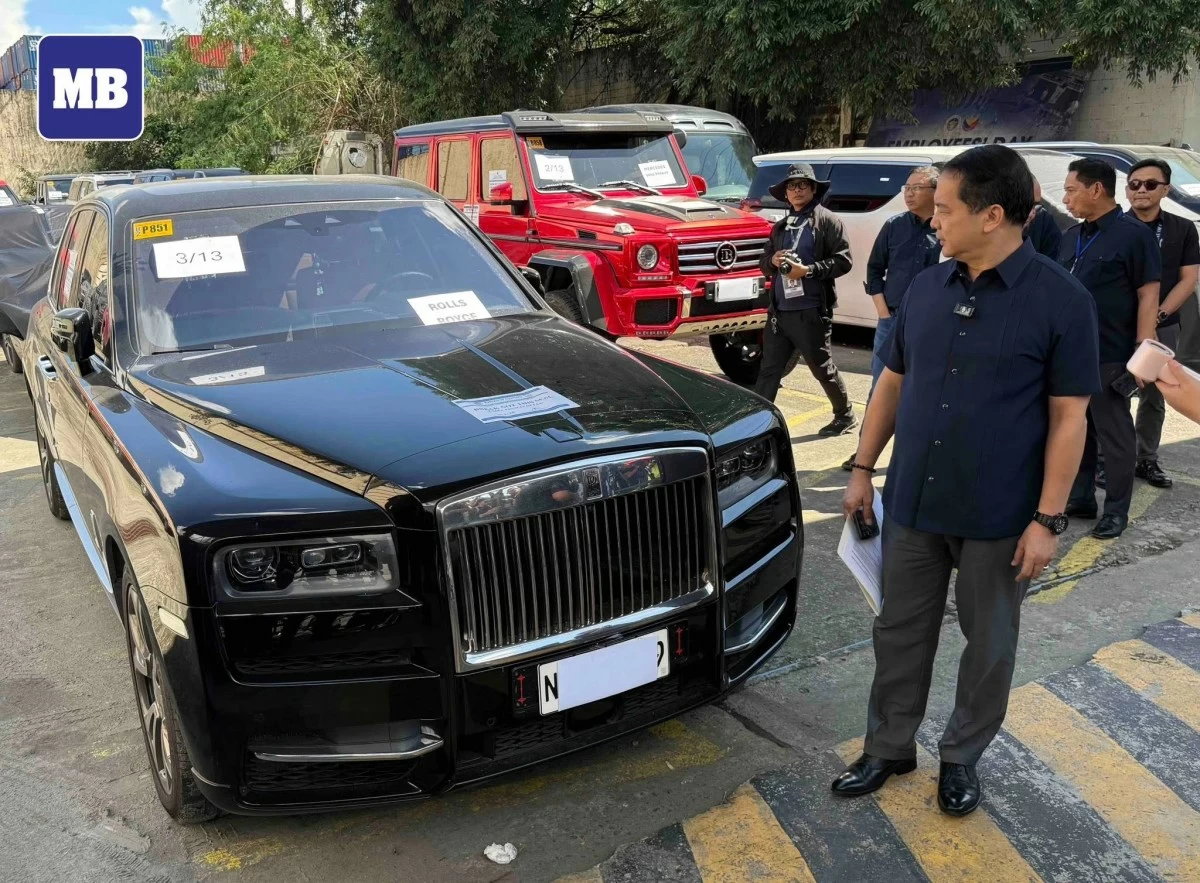
Bureau of Customs Commissioner Ariel F. Nepomuceno presents to the media the 13 luxury vehicles linked to the Discaya family at the BOC Port of Manila on Wednesday, Oct. 1, as part of the agency’s intensified crackdown on smuggling.
The vehicles, which include Rolls-Royce, Bentley, Cadillac, and Mercedes-Benz units, were discovered during a search operation at the premises of St. Gerrard Construction General Contractor & Development Corp. in Pasig City.
The Rolls-Royce Cullinan ultra-luxury SUV once belonging to Sarah and Curlee Discaya has finally been sold. The vehicle was put up for auction by the Bureau of Customs last Wednesday, Feb. 11, 2026.
Along with the Rolls-Royce were several other luxury vehicles owned by the Discaya couple that were surrendered to the agency, as well as two Bugatti Chiron hypercars that also made the news for managing to evade customs while still being registered and even acquiring gated community village stickers. They were eventually seized two years ago and discovered to be owned by foreign nationals involved in POGO operations. The vehicles comprised a lot of 10 vehicles put up for auction as part of the agency’s attempt to generate government revenue.
Third time’s the charm
This is already the third time the Rolls-Royce has been put on auction. It was first put under the hammer in November 2025 with a floor price of ₱45.3-million, then in December 2025 with a floor price of ₱36.2-million. This time, it was put up for auction with a lower floor price of ₱29,025,132.58.
The winning bid was ₱29,026,000, just ₱1,000 above the floor price. It went to Igorot Stone Kingdom Inc. (ISKI), the company behind the six-hectare cultural theme park of the same name in Baguio City.
The winning bidder said the company decided to acquire the vehicle to preserve it as a piece of history. They cited the car as “opening the floodgates” of the flood control project corruption scandal, serving as the symbol of the rampant corruption and embezzlement behind the multi-million peso public infrastructure deals that failed to materialize.
It was one of more than 40 cars reportedly owned by the couple, acquired while they were regular contractors for the Department of Public Works and Highways. Some 15 cars from their collection, including the Rolls-Royce, were confiscated by the BOC from the Discayas because of a lack of proper importation documents and proof of duties paid.
A viral car
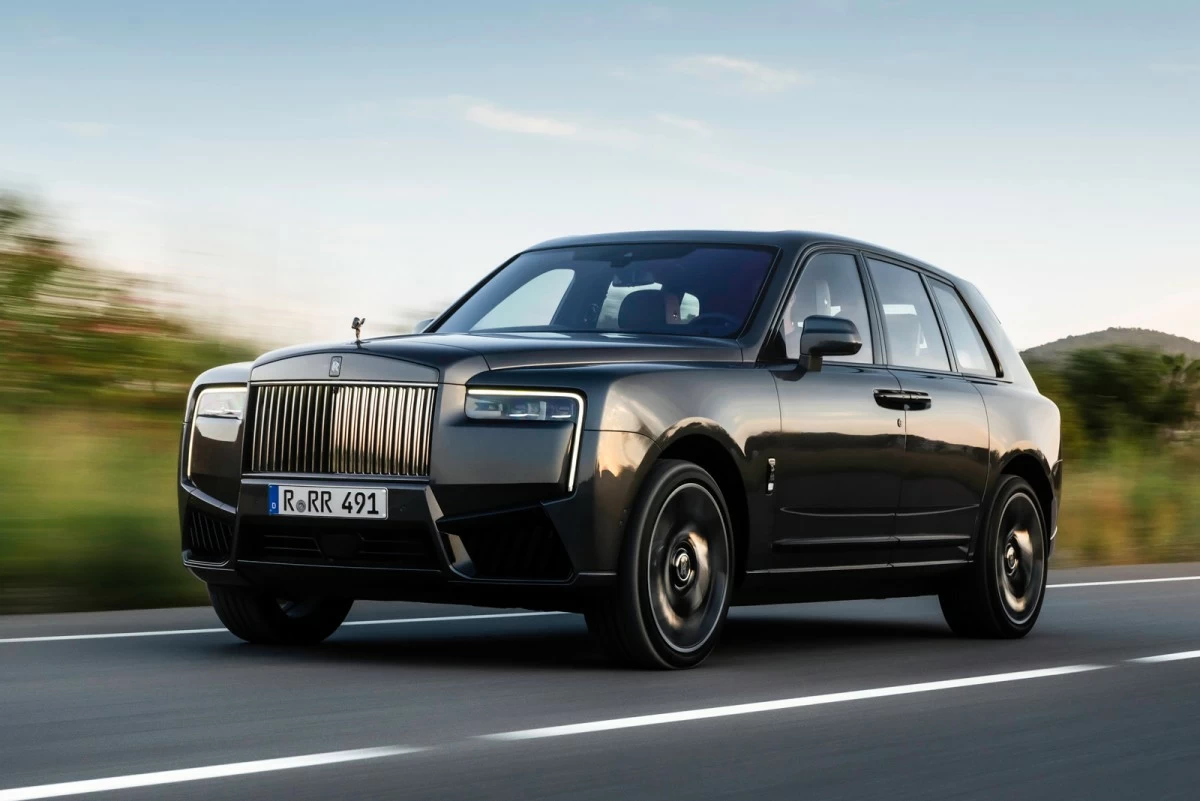
The Rolls Royce Cullinan, in particular, caught the public’s interest because of its astronomical price (₱50-₱60M when new, not including optional extras), its vibrant Hermes-inspired orange leather upholstery, and because Sarah Discaya claimed she bought it simply because of the umbrella included with the vehicle.
Rolls-Royce vehicles boast of an exclusive umbrella concealed within the rear suicide-style door that can be popped out by the chauffer during inclement weather; one on each side.
Naturally, the umbrellas were included in the vehicle when the BOC seized them, and will also be turned over to the buyer.
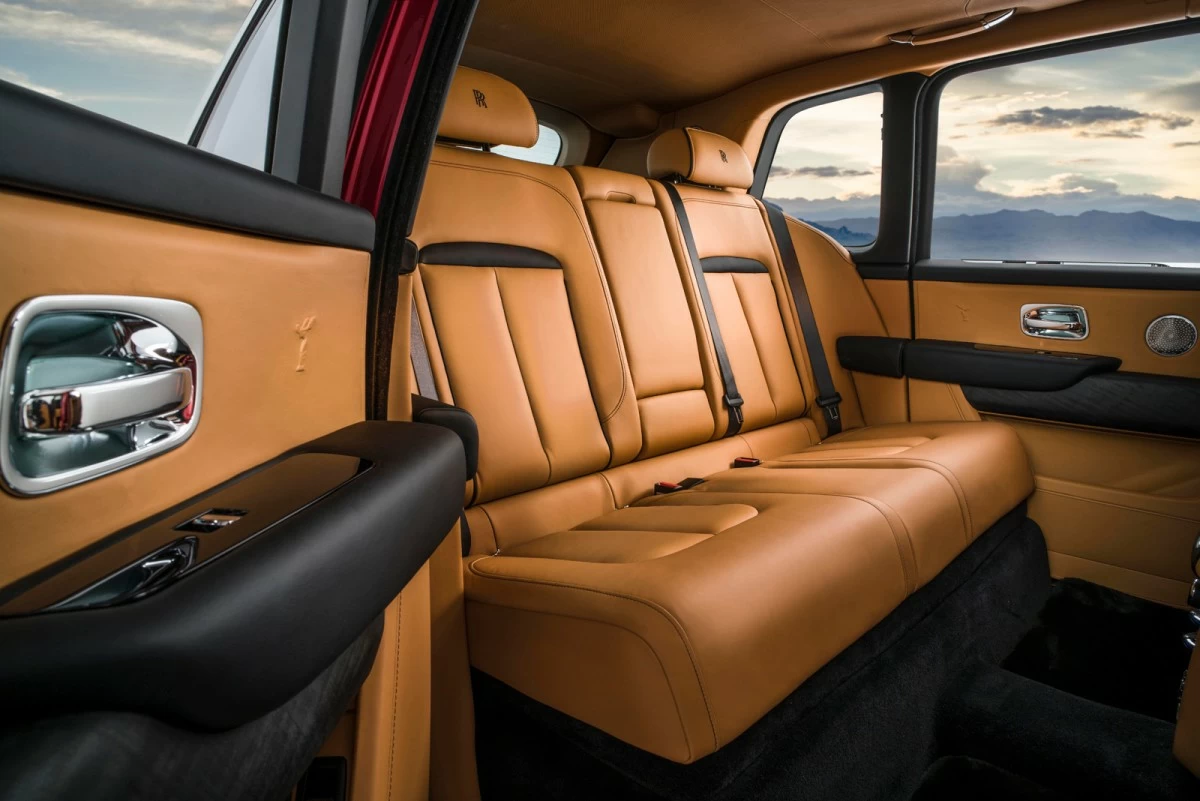
The buyer said the vehicle may be put on display at the theme park, to give visitors a chance to see and appreciate the luxuries such a vehicle offers, as well as to draw attention to the abuses of those involved in the flood control project corruption scandal.
Despite this successful sale, several other vehicles in the lot remain unsold. These include seven that still belong to the Discayas.
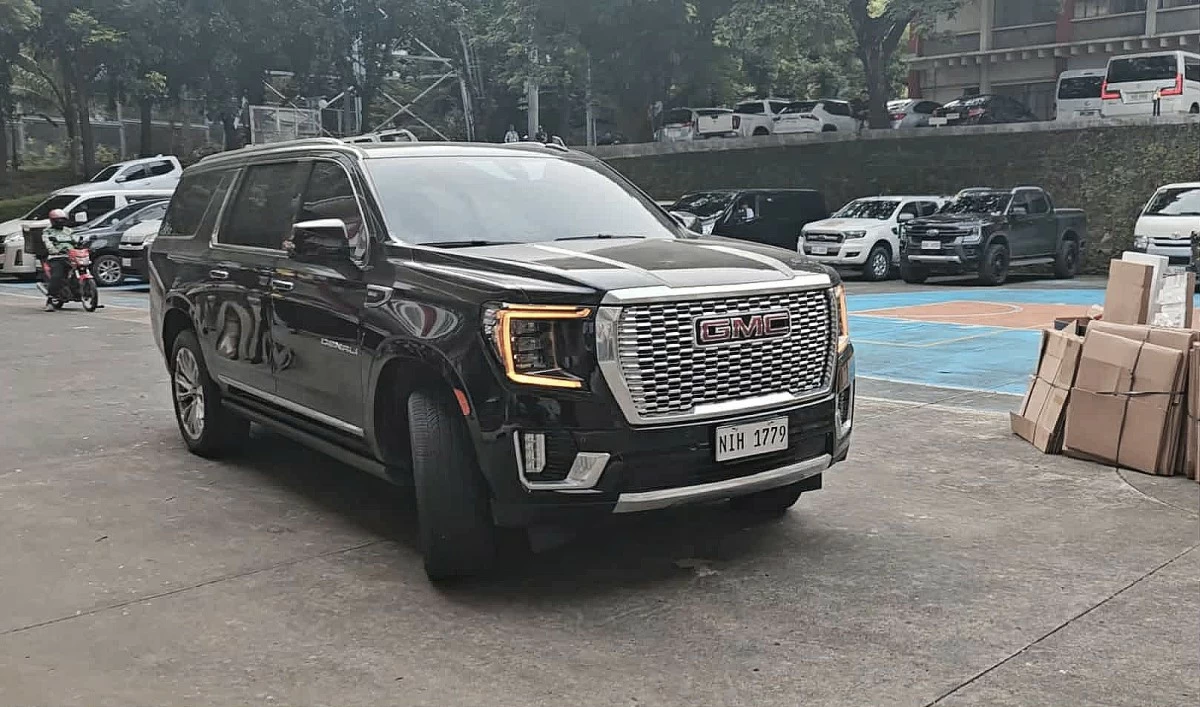
The GMC Yukon Denali that Brice Ericson Hernandez turned over to the ICI (Ellson Quismorio/ MANILA BULLETIN)
These cars are a Lincoln Navigator (2024) with a floor price of ₱8,642,319.86; a GMC Yukon Denali (2022) with a floor price of ₱6,759,673.35; a Cadillac Escalade (2021) with a floor price of ₱7,747,289.21; a Maserati Levante Modena (2022) with a floor price of ₱4,091,916.72; a GMC Yukon XL Denali (2022) with a floor price of ₱6,759,673.35; a Cadillac Escalade ESV (2022) with a floor price of ₱8,278,445.48; and a Bentley Bentayga (2022) with a floor price of ₱11,103,040.30.
Of course, the two Bugattis are also still for sale. One is a red 2017 model with a floor price of ₱149,947,621.44; the other is a blue 2019 model offered at ₱160,434,633.60.
Why can’t these cars be sold?
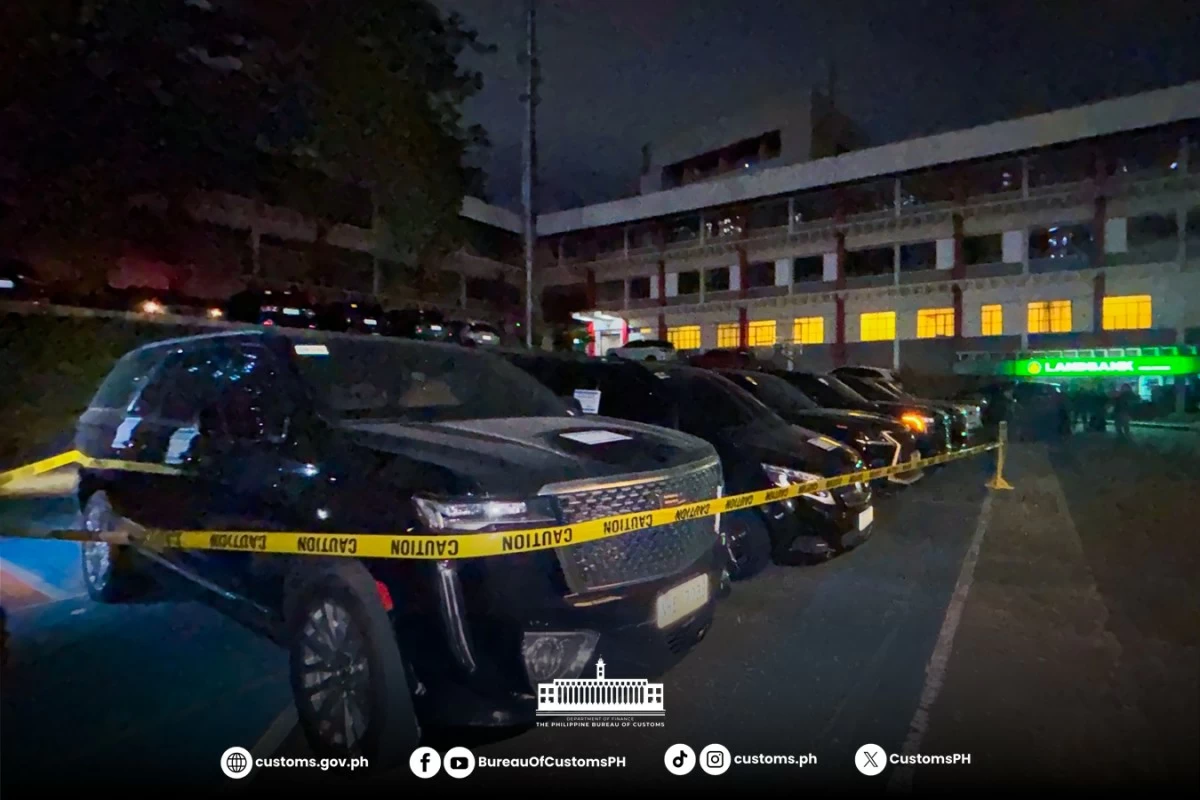
Like the Rolls-Royce, this is not the first time these vehicles have come under the hammer. These others were also put up for auction in the past without much success.
First of all, there’s the matter of the auction being very public. After all, with the government being the auctioneer, the winning bidder will likely need to present proof of financial capability. It’s unlikely that anyone that can afford will even bite. After all, that means exposing your employment, finances, and lifestyle to government and public scrutiny. Even those that pay their taxes dues would not want that kind of attention.
In the case of the Rolls-Royce, with the buyer being a resort this time, which regularly spends tens of millions on attractions, this is just another legitimate business expense.
Secondly, these vehicles are all smuggled. Because they were brought in by illegal means, they are not covered by warranties and cannot be serviced by the authorized distributors of these brands. Brands like Rolls-Royce, Bentley, and Maserati are in fact present and operating in the Philippines. However, because these vehicles did not pass through their channels, a portion of the price which should cover the warranty was not paid to them. In addition, the specifications may be different from what they typically offer Philippine customers. These vehicles are not in their records, and as such, the service centers may not be willing to risk maintaining vehicles that passed through illegal means.
As for the other vehicles, the brands and service centers simply do not exist in the country. As such, any buyer of these cars will have to find specialized shops that can service this vehicle. They may not necessarily be as well stocked with parts or proficient as subsidiaries of the brand itself.
These are niche vehicles. There’s a reason brands like Cadillac, GMC, and Lincoln still do not sell cars in the Philippines. It’s because few people actually want one, and much less will want one when they realize how much it costs when legally imported. Take note that these prices have already drastically been reduced, taking into account the vehicles’ age and depreciation. Still, there are no takers. It’s simply because, for this amount, many buyers will simply opt for a brand new Toyota Land Cruiser or Nissan Patrol and some change. There are several more practical or more appealing alternatives. Large, gas-guzzling American SUVs have already lost favor among many Filipino buyers.
Another problem is the vehicles’ notoriety. These vehicles have already been in the news. The public is well aware of their existence and especially their previous owners. As such, it leaves a stigma on the vehicle, making it ‘tainted goods’ to the few that can afford. It’s a moral matter, and perhaps the few that can afford them find stomaching the fact that it was the fruit of corruption difficult to swallow.
What will happen to them?
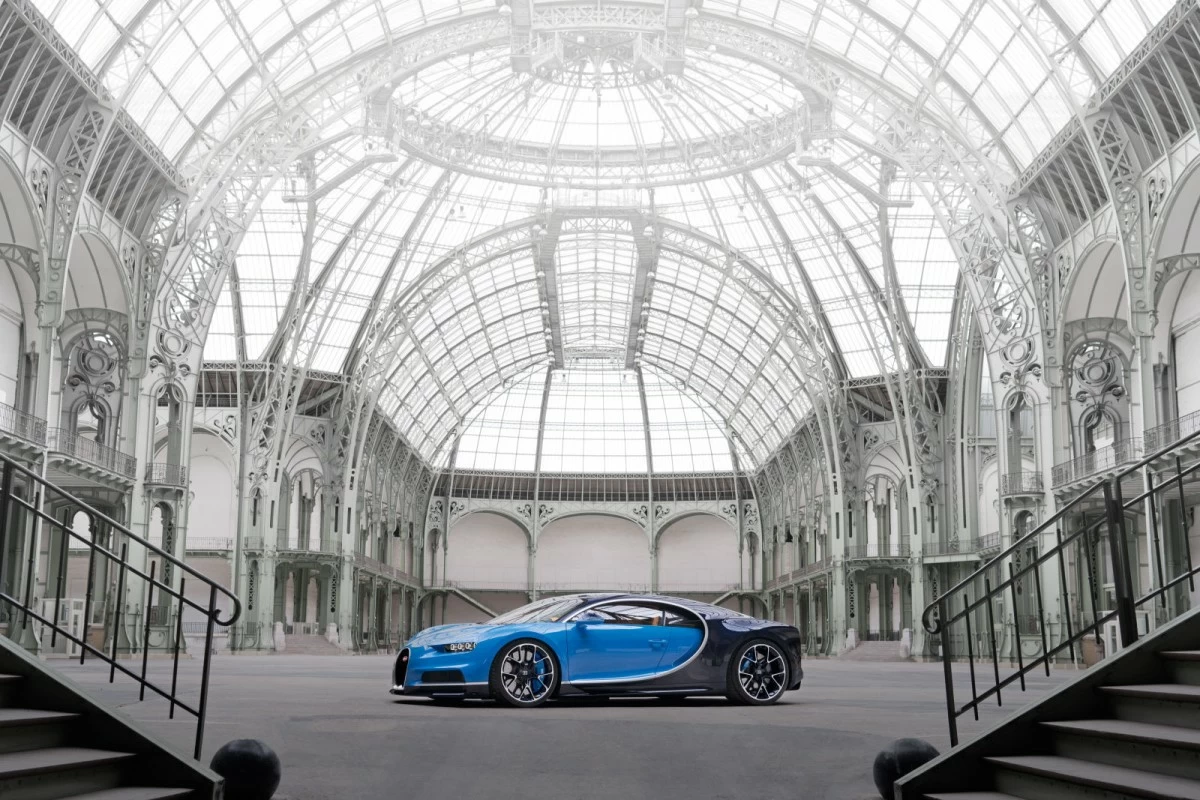
The other cars will still be auctioned at the next opportunity on February 25, 2026. Other cars like the Bentley Bentayga and two Bugatti Chirons may be considered for a direct offer option. Thankfully, the agency has decided against crushing the vehicles due to their high potential value. The agency will await the decision of Commissioner Ariel Nepomuceno on whether or not to sell the vehicles through a direct offer. Direct offers may not be as high as the floor price the agency has set, but it's still a means to liquidate these vehicles and generate funds.
Eventually, the floor price of these vehicles will be reduced enough to make them enticing to buyers. However, this cannot continue forever as their value will continue to depreciate over time as they are exposed to the elements.
If these vehicles cannot be sold, perhaps they can be repurposed. They can still serve as transport for department secretaries, or other offices in the government, or perhaps even as transport for visiting foreign dignitaries. Why should the government buy brand new BMW’s and Mercedes-Benz’s for the APEC Summit when we have luxury vehicles ready and waiting at the BOC compound? Granted, they may not be the most practical mode of transport, nor uniform, but they are more than capable of meeting the coming Summit’s needs.
Another option is to give them the same fate as the Rolls-Royce and offer them as museum pieces. Like the buyer said, these vehicles have historical significance. And while the government may not recover any stolen funds from them, putting them on display as reminders of the abuses from this scandal can certainly educate the public on why corruption is bad.
They can put up information panels that break down just how many schools, ambulances, or relief goods the vehicle’s price and properly paid customs could have bought. Illustrate why it’s wrong to use government funds to buy these cars: it ensconces only one family in excessive luxury, as opposed to a flood control project that could benefit an entire province and prevent loss of life during natural disasters.
By putting the vehicle on display, we can educate our countrymen on why corruption is wrong. This one car could have paid for a river dike, proper flood drainage, or even a few classrooms. Instead, it was used to isolate the buyer from the suffering they caused.