






 Philippines
National
Senate review of existing sugar laws sought as local industry's competitiveness decline
Philippines
National
Senate review of existing sugar laws sought as local industry's competitiveness decline
Senate review of existing sugar laws sought as local industry's competitiveness decline


At A Glance
- As the competitiveness of the Philippines' sugar industry slowly deteriorate, Senator Risa Hontiveros has called on the Senate to review the country's existing laws, particularly the Sugar Regulatory Administration (SRA) charter and the Sugar Industry Development Act (SIDA) of 2015.
As the competitiveness of the Philippines’ sugar industry slowly deteriorate, Senator Risa Hontiveros has called on the Senate to review the country’s existing laws, particularly the Sugar Regulatory Administration (SRA) charter and the Sugar Industry Development Act (SIDA) of 2015.
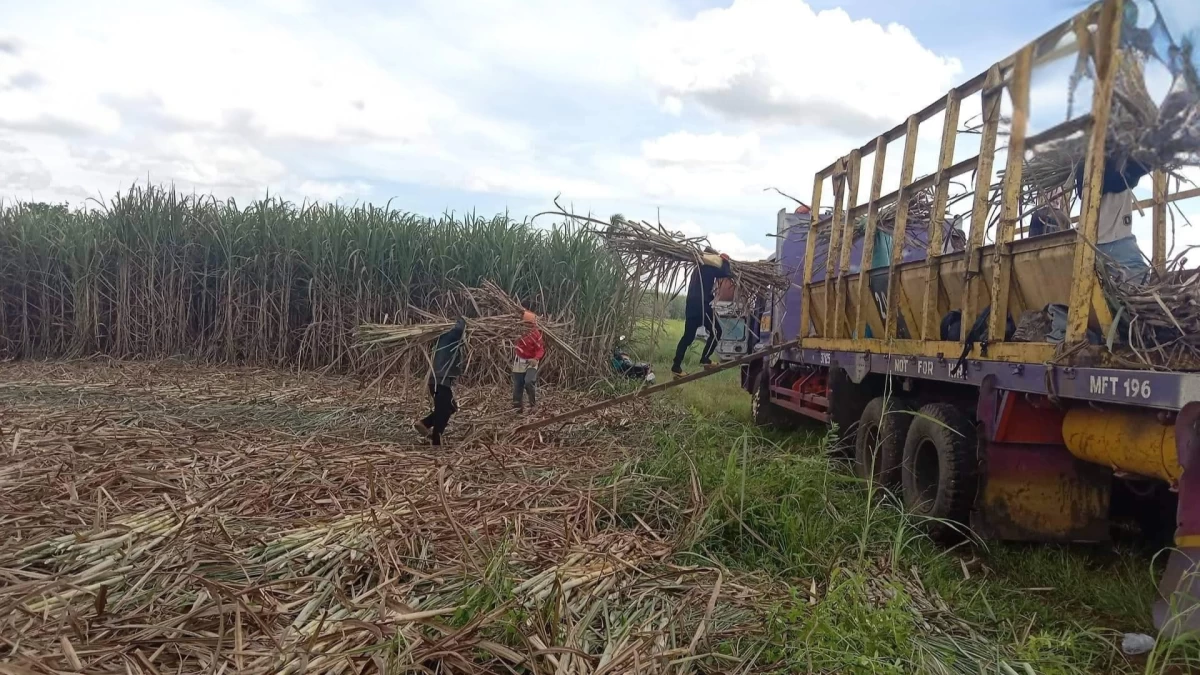
Hontiveros noted that despite the passage of SIDA and the existence of the SRA, the competitiveness of the local sugar industry has steadily declined over the years mainly due to low farm productivity, high production costs, and inefficient milling operations.
“The laws were meant to strengthen the sugar industry and improve the incomes of farmers and workers. But today, our sugar remains expensive, our mills lag behind, and our farmers are struggling to compete,” Hontiveros said.
In filing Senate Resolution No. 298, the senator said it is imperative for the Senate to review the current SRA regulations that link sugar import privileges to mandatory purchases and warehousing of local buffer stocks, as well as compliance with U.S. export quotas.
According to the lawmaker, these rules appear to favor large, highly capitalized trader-millers and may be consolidating control of the sugar market in the hands of a limited players.
She pointed out local producers continue to fall behind major sugar-producing countries such as Brazil, Thailand, and Colombia. Domestic supply, she noted, met only 87 percent of local demand despite local production reaching a four-year high in 2025.
Moreover, she said, local sugar prices remain high despite imports and lower global prices. The resolution also noted how cheaper sugar substitutes and misdeclared imports hurt local producers and cause revenue losses for the government.
“Our farmers are struggling with rising costs but low productivity. Meanwhile, consumers continue to suffer from high sugar prices. The system is failing both farmers and consumers,” Hontiveros said.
The lawmaker further noted that the sugar industry supports around 700,000 workers and the livelihoods of five to six million Filipinos.
SIDA, Hontiveros pointed out, was meant to boost the sugar industry’s competitiveness and raise farmers’ incomes, but more than a decade later, such goals remain unfulfilled.
She said it is imperative for the Senate to check and review how SIDA is using its P2-billion annual budget.
“We need to fix the broken parts and isolate the rotten parts from the system. We need policies that truly raise productivity, lower costs, protect small farmers and agrarian reform beneficiaries, and make sugar affordable for Filipino consumers,” she stressed.