






Manila Bulletin
 Business
Trade & Industry
Metro Manila office rents set for 2026 rebound as prime CBDs stabilize
Business
Trade & Industry
Metro Manila office rents set for 2026 rebound as prime CBDs stabilize
Business
Trade & Industry
Metro Manila office rents set for 2026 rebound as prime CBDs stabilize
Metro Manila office rents set for 2026 rebound as prime CBDs stabilize
Published Feb 12, 2026 01:04 pm


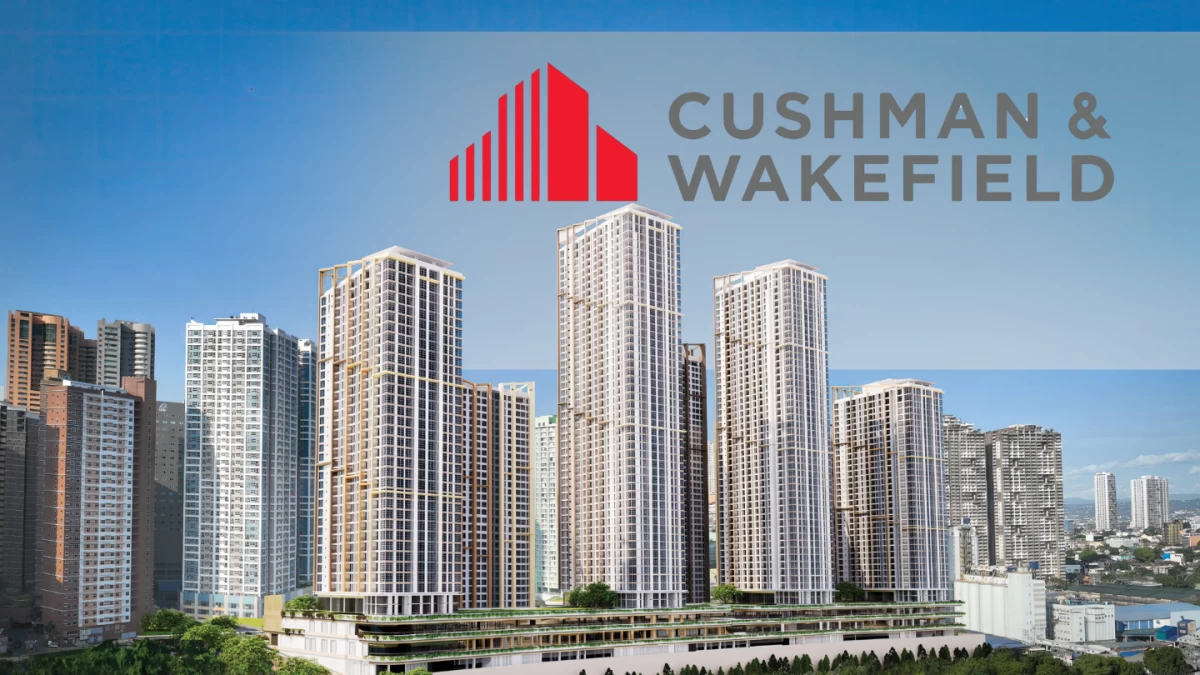
Metro Manila’s premier office markets are on track to stabilize before the projected acceleration in rental growth by the second half of the year, as the commercial real estate sector navigates diverging recovery, according to a report from Cushman & Wakefield.
The global real estate services firm said in its January outlook that while prime central business districts are nearing a turning point, non-central business district (CBD) locations will likely face a more protracted slump.
Cushman & Wakefield said overall demand is being driven by the continued expansion of information technology and business process management (IT-BPM) firms, alongside renewed leasing activity from traditional occupiers.
These trends, the firm added, are expected to support the office market’s recovery trajectory in the coming quarters, particularly in established CBDs where tenant interest remains concentrated.
In the retail segment, Cushman & Wakefield said the landscape is evolving as large-format and lifestyle-oriented brands expand in key retail hubs.
“The current retail landscape is shifting,” the firm noted, citing increased interest from brands seeking strategic locations in major shopping districts.
Despite this momentum, the recovery across the retail sector remains uneven. Large malls in established commercial areas—particularly those with strong transport connectivity and a dense office-worker population—are seeing higher foot traffic and stronger retail sales.
In the industrial sector, manufacturing activity improved in the fourth quarter of 2025, supported primarily by solid domestic demand. However, the firm noted that lingering external headwinds are expected to continue weighing on the segment and may temper demand in 2026.
The logistics and industrial property markets maintained healthy occupancy levels, driven by sustained demand in major logistics corridors, including Metro Manila. Industrial lot take-up posted modest growth, reflecting additional supply from recent expansion initiatives by industrial developers.
In the residential market, the firm stressed that activity has shifted toward selling existing inventory, prompting developers to enhance their marketing strategies amid heightened competition. Careful planning of upcoming projects is also critical to aligning with evolving buyer preferences.
It added that developers are reviewing their project pipelines to ensure future launches reflect changing priorities, including preferred unit sizes, modern amenities, sustainability features, and affordability considerations.
Meanwhile, the firm said that the hospitality sector faces headwinds as the slow recovery of high-spending foreign travelers may weigh on hotel occupancy rates and influence near-term investment decisions.
In response, the firm noted that operators are adopting longer-term strategies, including gradual diversification into major urban centers and emerging secondary destinations that benefit from reliable and expanding air connectivity.
Looking ahead, the firm noted that if the Bangko Sentral ng Pilipinas (BSP) continues to ease monetary policy and structural reforms remain on track, the real estate sector could attract substantial investment from both domestic and foreign sources.
“With stable yields and lower borrowing costs widening spreads, investment assets are poised to deliver more attractive risk-adjusted returns,” the firm said.