






 Business
The Stock Market
MacroAsia ventures into vegetable farming to cut costs, boost airline catering margins
Business
The Stock Market
MacroAsia ventures into vegetable farming to cut costs, boost airline catering margins
MacroAsia ventures into vegetable farming to cut costs, boost airline catering margins


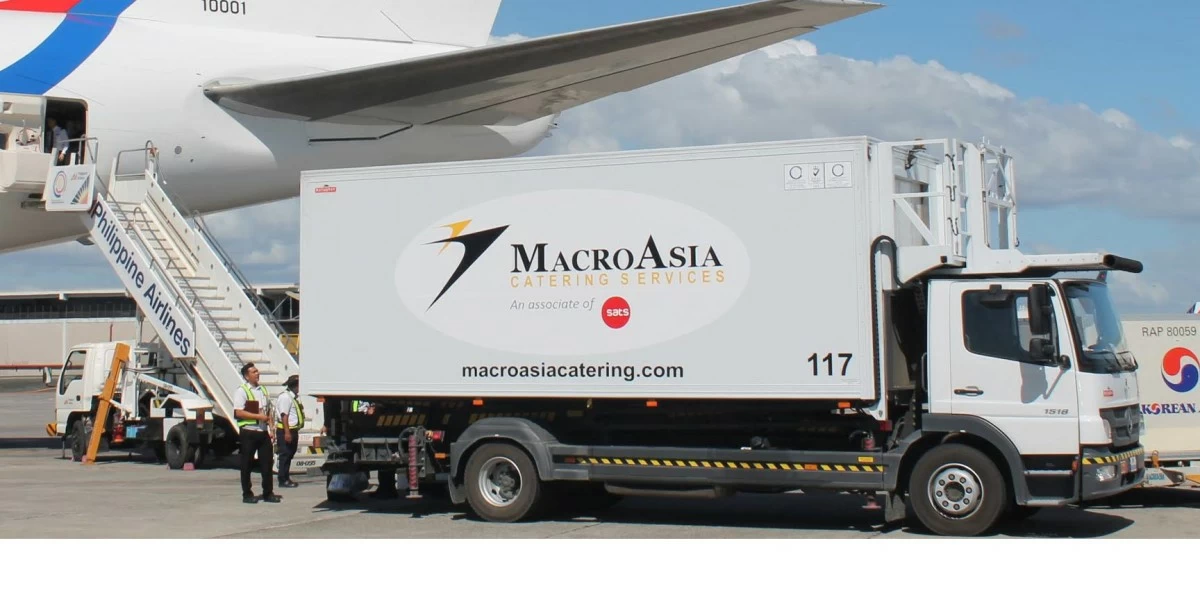
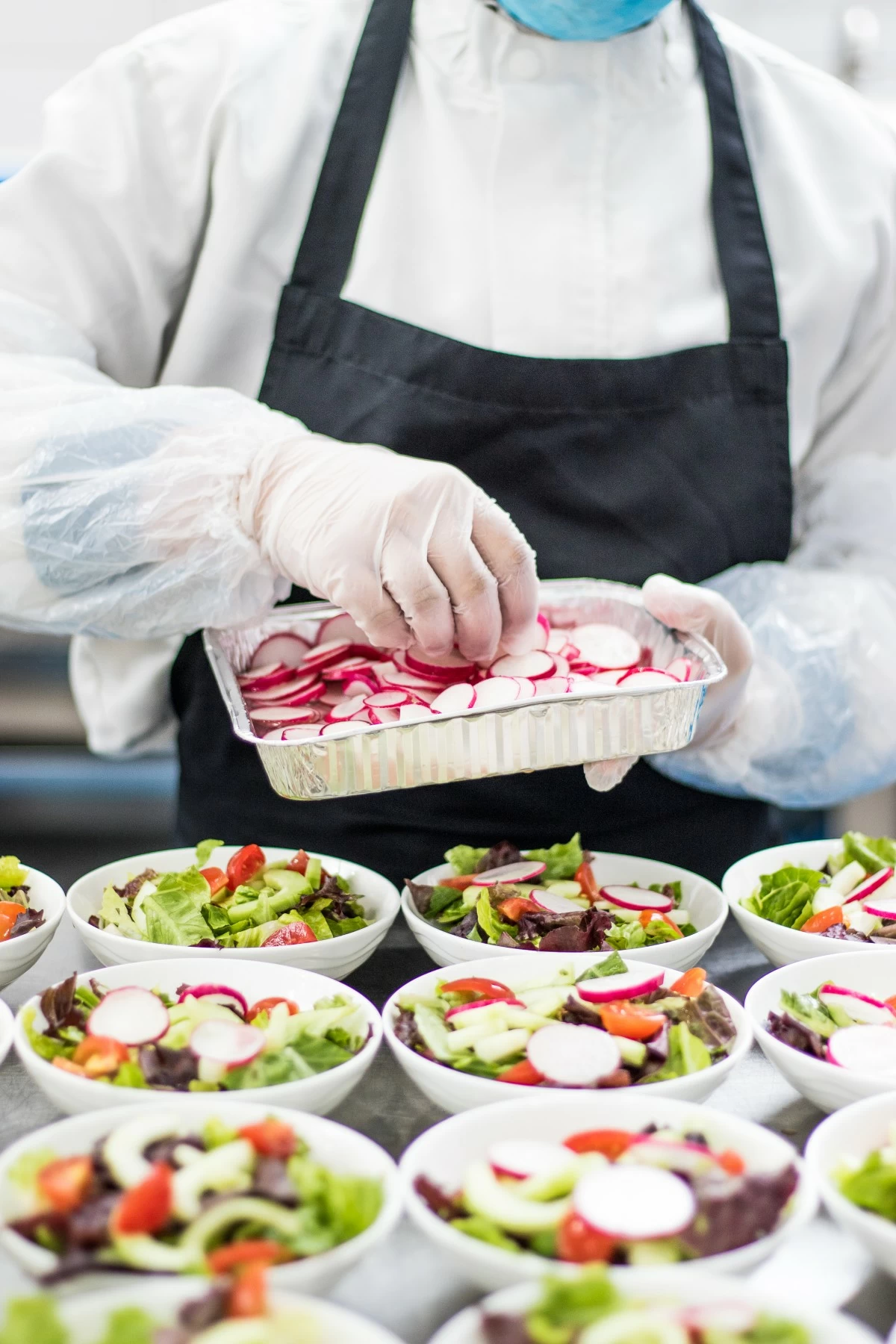
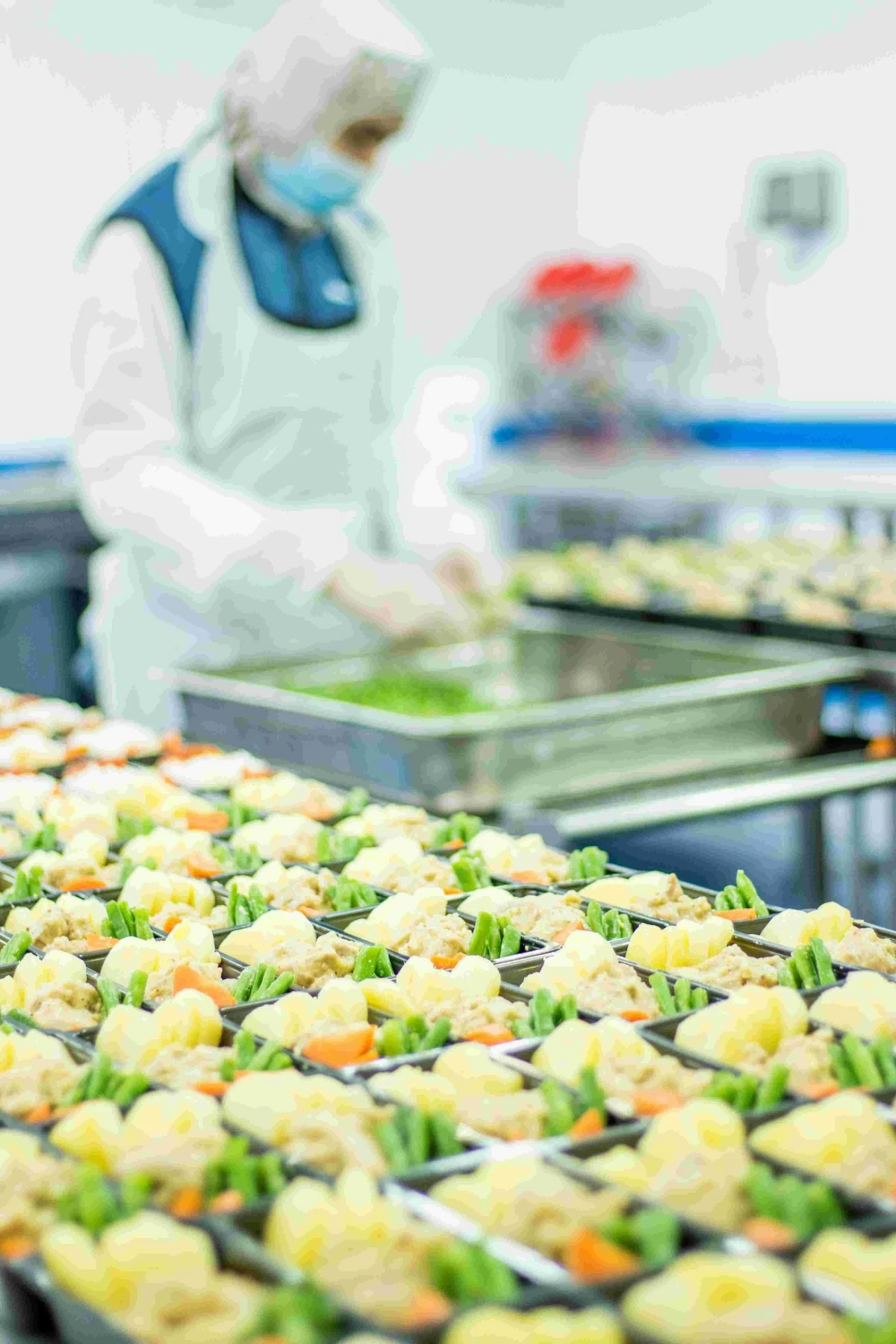
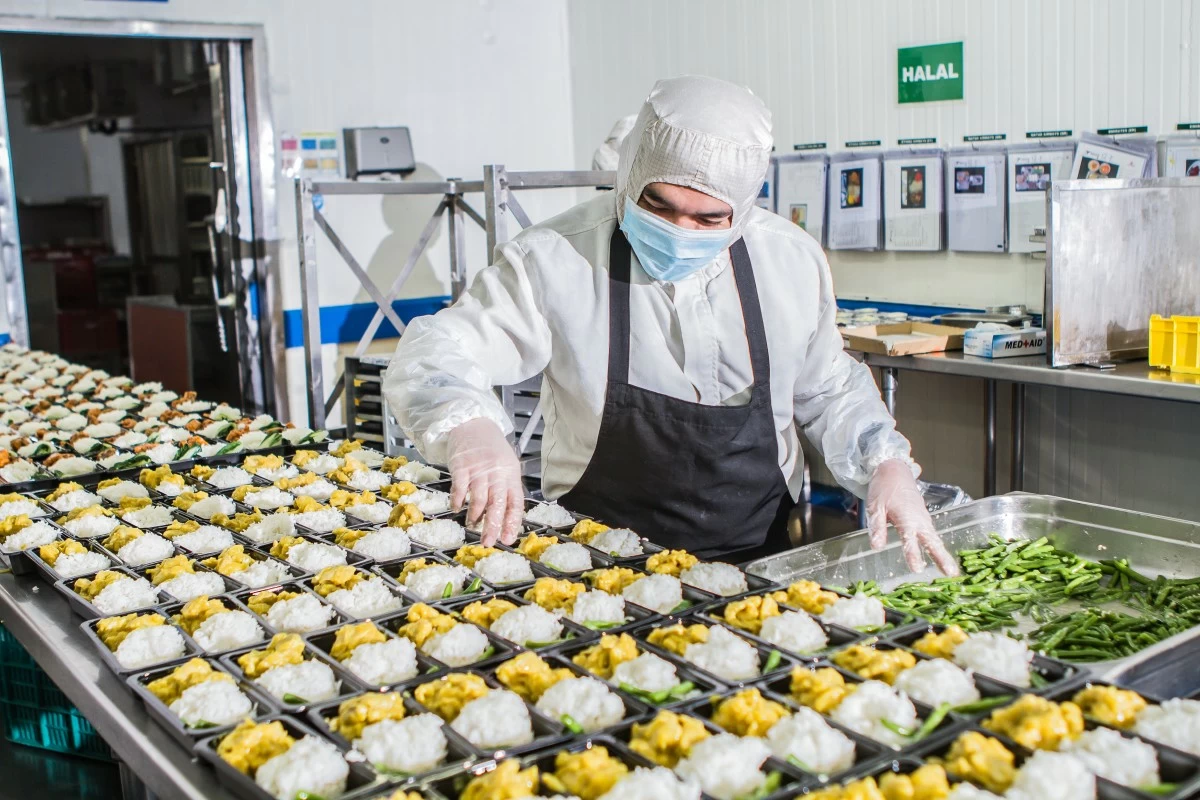
Lucio Tan Group’s (LTG) MacroAsia Corp. (MAC), through its wholly owned subsidiary MacroAsia New Ventures Inc. (MNVI), is venturing into agriculture to initially supply its own catering business with fresh vegetables and boost profit margins.
In a disclosure to the Philippine Stock Exchange (PSE) on Thursday, Feb. 12, the firm said it has started an agricultural production project as part of its strategy to improve cost efficiency and protect margins across its inflight kitchens and food commissary operations through supply chain vertical integration.
The project will be implemented on MAC’s property in Maragondon, Cavite, where its water treatment plant is also located. The project was formalized through the signing of a service agreement with CoGrow Agricultural Services (CoGrow PH).
The initiative is designed to directly supply a portion of the leafy vegetable requirements of MAC’s three kitchens, supporting the group’s airline catering and commissary operations.
The project will use a designated portion of MAC’s property in Maragondon town that is suitable for agricultural use, allowing the productive use of land assets while strengthening the sustainability of the group’s food supply chain.
The farm is projected to produce up to 100,000 kilograms of leafy vegetables annually, with output prioritized for internal consumption. Farmers from the locality will be engaged for the project, supported by the technical expertise of CoGrow PH.
Land preparation is scheduled to start this month, followed by planting in April, with the initial harvest expected by the end of May.
“This project will pave the way for expansion of further agricultural production, looking at a target base of produce beyond MAC’s own requirements,” the firm said.
By internalizing selected agricultural inputs, MAC aims to reduce procurement costs, mitigate exposure to price volatility, and lower logistics-related expenses, while enhancing reliability, quality control, and predictability of supply.
“These efficiencies are expected to contribute to improved operational resilience and margin stability within the MAC food group,” the company said.
Beyond its operational and financial objectives, the project forms part of MAC’s broader environmental, social, and governance (ESG) framework. Environmentally, localized agricultural production is expected to reduce supply chain-related emissions and promote responsible land use and sustainable farming practices.
Socially, the project is expected to generate stable employment and sustainable livelihood opportunities for local farmers in Cavite province through direct engagement, skills development, and knowledge transfer.
From a governance perspective, the initiative reflects disciplined capital deployment and responsible asset utilization aligned with long-term stakeholder value creation.
“Through this agricultural production project, MAC continues to strengthen its operational efficiency and supply chain resilience while advancing its commitment to sustainable development and inclusive growth,” the company said.