






Manila Bulletin
 Philippines
National
China urges PH 'constructive voice,' blames officials for heated word war
Philippines
National
China urges PH 'constructive voice,' blames officials for heated word war
Philippines
National
China urges PH 'constructive voice,' blames officials for heated word war
China urges PH 'constructive voice,' blames officials for heated word war
Published Feb 12, 2026 02:27 pm


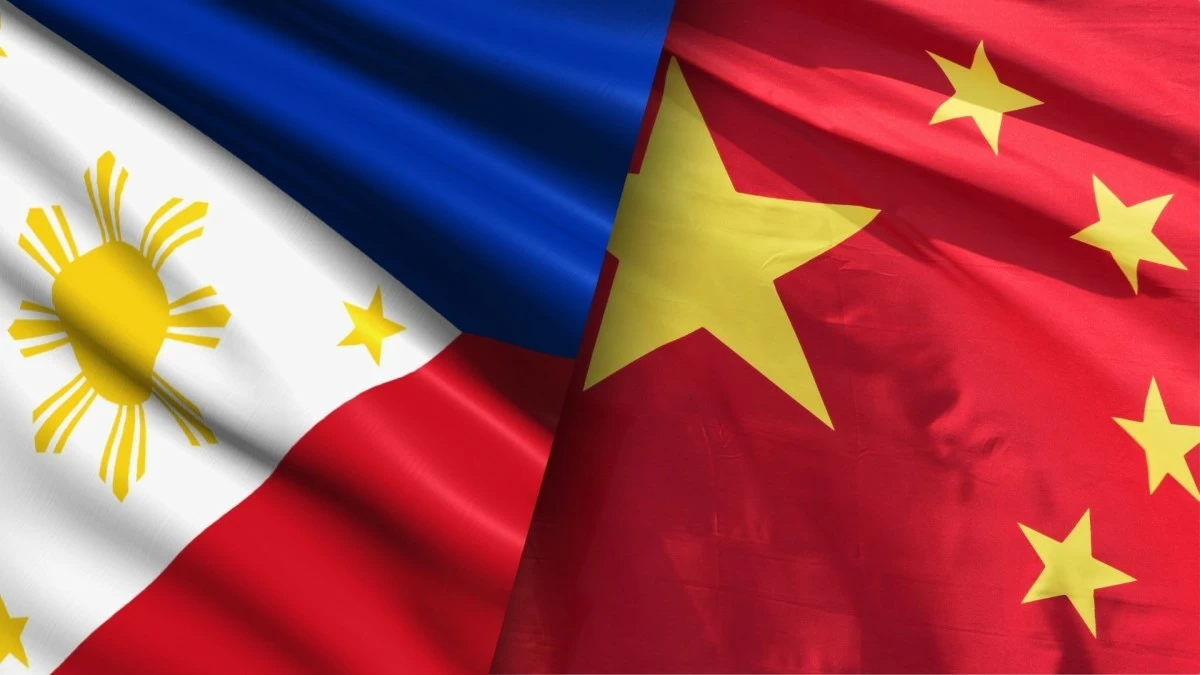
Canva photos
China’s embassy in Manila urged the Philippines to speak with a “unified and constructive voice” as it blamed Filipino officials for triggering recent exchanges amid Manila’s maritime spokesman’s call for calm and professional diplomatic engagement despite tensions.
Chinese Embassy spokesperson Ji Lingpeng said this after the Department of Foreign Affairs’ (DFA) Maritime Affairs spokesman Rogelio Villanueva urged Beijing’s mission to “be constructive in its statements” to advance the overall bilateral relationship.
In a Facebook post, Ji said the recent public exchanges between the Chinese Embassy and some Philippine officials and institutions started when Philippine Coast Guard spokesman Commodore Jay Tarriela “kept attacking and smearing China.”
“It was always them who attacked China first,” Ji said, reiterating that China did not start the word war.
He said the embassy “responded in a calm, professional and constructive manner to defend the national interests and dignity of China.”
The embassy also urged Manila to ensure messaging remains constructive.
“A healthy dialogue between China and the Philippines requires constructive statements from both sides,” Ji said.
“We urge the Philippine side to speak with a unified and constructive voice and hope the DFA to play a constructive role in leading the efforts to manage differences and advance the overall bilateral relationship,” he added.
DFA calls for constructive, calm engagement
This week, Villanueva called on the Chinese embassy to adopt a constructive tone amid the escalating word war between diplomats and officials, adding that Manila values candid exchanges with foreign counterparts.
“While indeed the embassies have the duty to respond, the DFA urges that such responses be made in a calm and professional manner, conscious of the mutual respect that must prevail in all diplomatic interactions,” he said.
Villanueva was appointed on Monday, Feb. 9, following President Marcos’ directive to reinforce the agency’s central role in state-to-state engagement and prioritize diplomacy in advancing national interests.
Palace maintains ‘firm but diplomatic’ stance
Malacañang has repeatedly stressed that Manila will remain firm on sovereignty while relying on diplomacy to manage disputes.
“Ang posisyon ng Pangulo patungkol sa relasyon sa China – firm but diplomatic po (The President’s position regarding relations with China is firm but diplomatic),” Presidential Communications Office (PCO) Undersecretary Claire Castro said on Wednesday, Feb. 11.
Castro added that while the government stands by its rights and interests, diplomatic channels remain central in resolving issues with other states.
Public exchanges between Chinese diplomats and Philippine officials have intensified in recent weeks amid tensions linked to maritime issues and sovereignty assertions.
Both sides have framed their statements as protective of national interests, while maintaining that diplomatic engagement remains necessary to manage disputes and sustain bilateral ties.