







₱129 M in one week: A sobering measure of the drug problem
Published Feb 12, 2026 12:03 am
|
Updated Feb 11, 2026 04:34 pm


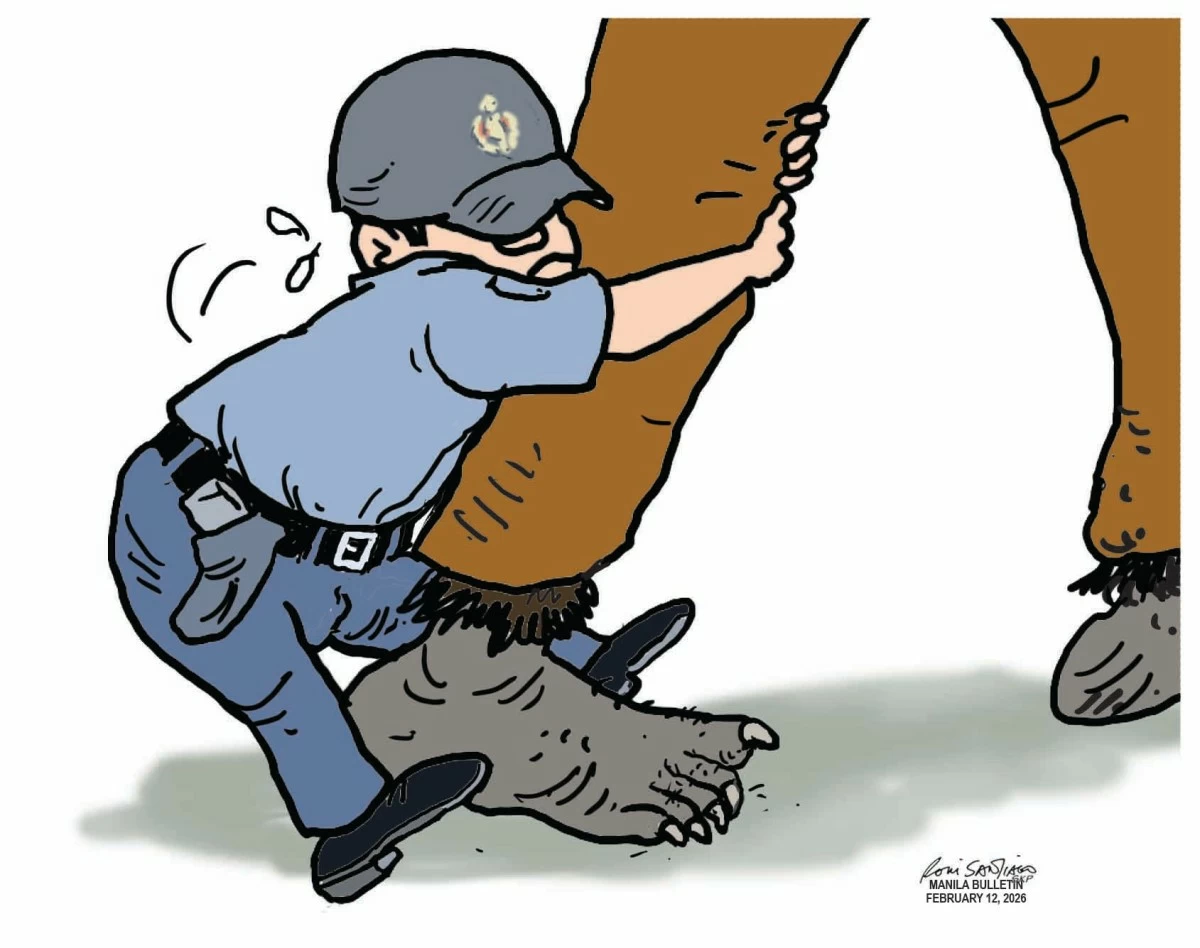
The seizure of ₱129.13 million worth of illegal drugs in just one week by the Philippine Drug Enforcement Agency (PDEA) is both commendable and deeply alarming. Commendable because it reflects the persistence, coordination, and operational capability of law enforcement. Alarming because it offers a stark reminder of how vast, entrenched, and resilient the illegal drug trade remains in the Philippines.
From Jan. 30 to Feb. 6 alone, authorities conducted 93 anti-drug operations nationwide, arrested 113 suspects, and dismantled multiple layers of the drug trade—from alleged pushers and drug den operators to importers. These figures represent only a snapshot of a much larger, year-round effort. If one week yields nearly a hundred operations, it is reasonable to estimate that hundreds of drug busts occur each month, and thousands over the course of a year. Yet despite this sustained enforcement, illegal drugs continue to circulate widely in communities.
This is the uncomfortable truth: Seizures, no matter how large, are evidence not only of enforcement success but also of the sheer scale of the problem. ₱129 million worth of drugs confiscated in a single week suggests that even more—possibly several times that amount—remains undetected, undisrupted, and in active circulation.
Recent months have seen repeated reports of large-scale drug interdictions: high-value shabu seizures at ports, marijuana plantations uprooted in upland provinces, and buy-bust operations conducted almost daily in urban centers. The pattern is consistent. Authorities intercept drugs in bulk, arrest street-level operators, and publicize the results—only for similar stories to reappear days later. This cycle raises a crucial question: Are we truly shrinking the drug economy, or merely skimming its surface?
Law enforcement agencies deserve credit for their efforts, especially in improving inter-agency coordination and interdiction capabilities. The PDEA’s use of K-9 units, intelligence-driven operations, and cooperation with local police units has clearly enhanced operational effectiveness. But enforcement alone cannot win a battle that is as much social and economic as it is criminal.
The profile of those arrested in the week-long operation is telling. Alongside pushers and importers were alleged drug users, den workers, and low-level possessors. This reflects a system where poverty, addiction, and lack of access to treatment intersect with criminal networks. Arresting users without adequate rehabilitation only perpetuates a revolving door—individuals exit detention only to return to the same conditions that led them there.
If authorities are averaging dozens of operations per week, the country must ask whether equal energy is being invested in drug demand reduction, community-based rehabilitation, and long-term prevention. Treatment centers remain limited. Local anti-drug councils vary widely in capacity. Public health approaches often take a back seat to headline-grabbing seizures.
The continued flow of illegal drugs into Philippine communities is not merely a law enforcement issue; it is a governance challenge. Ports, borders, online platforms, and financial channels must be secured with the same intensity as street-level operations. Congress must ensure sustained funding not just for arrests, but for prevention and rehabilitation. Local governments must be held accountable for anti-drug programs that exist on paper but fail in practice.
The ₱129 million seized in one week should not simply be a statistic to applaud and forget. It should serve as a wake-up call. As long as illegal drugs can generate that much value in seven days, the problem remains far from under control. Victory will not be measured by the size of the next seizure, but by the day when such headlines become rare rather than routine.