ADVERTISEMENT

Love in the time of read receipts

Published Feb 11, 2026 07:14 am
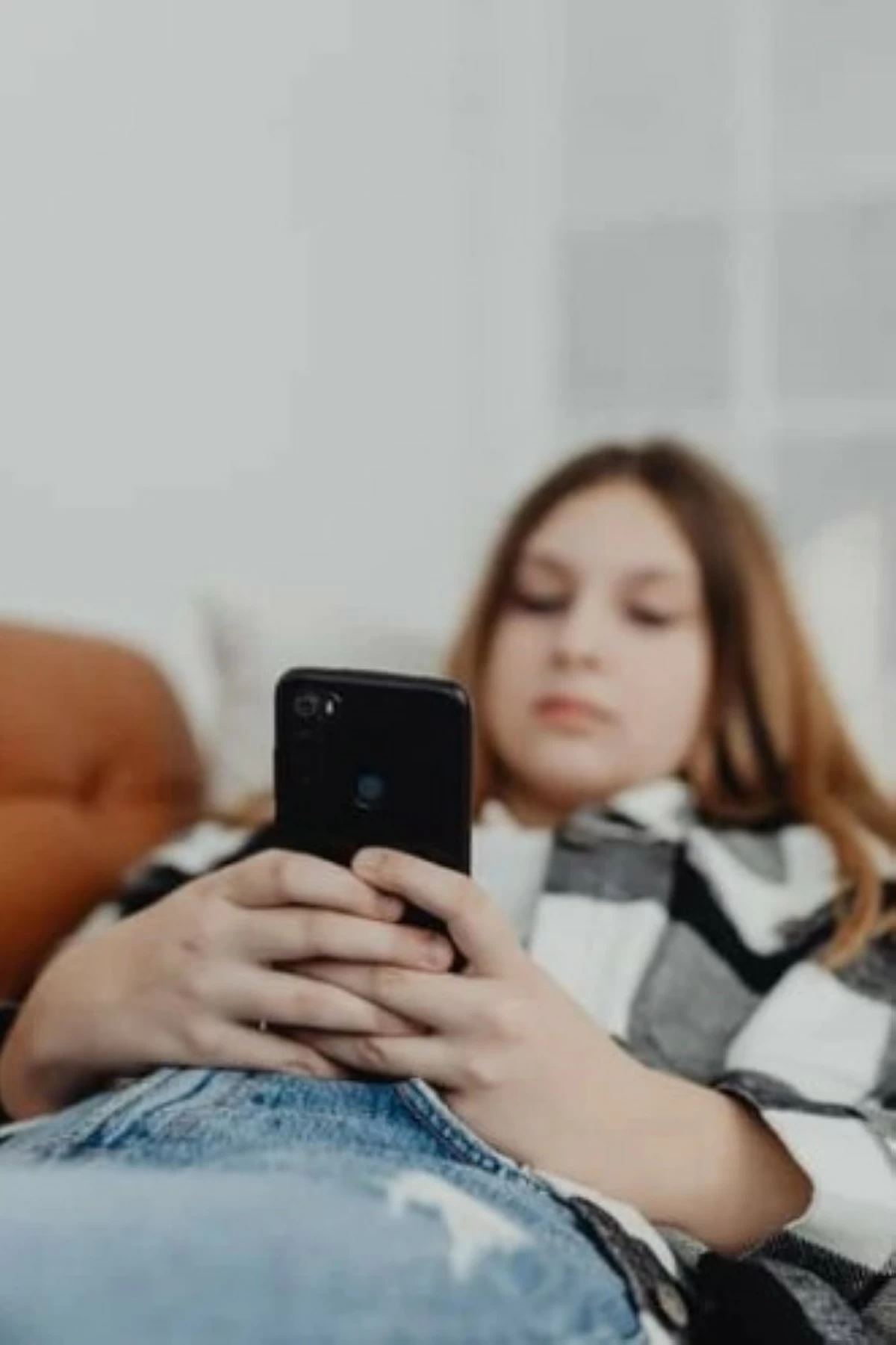
Valentine’s Day, these days, often begins, unfolds, and sometimes ends on a screen.
A friend once told me that the most stressful part of her relationship was not an argument, but a message marked “seen” without a reply. She would stare at the screen, wondering if she had said something wrong or if her partner was just busy. The blue ticks carried more weight than they should, but that is the strange power of small digital signals. They turn ordinary delays into emotional events.
Where courtship once involved letters, phone calls, or awkward visits to someone’s house, many relationships now begin with a follow request or a late-night reply to a story. The stages are familiar, but the gestures have changed. Instead of waiting for a letter, we watch the typing indicator. Instead of rereading old notes, we now scroll through chat histories.
Many of our intimate practices are now shaped by the quiet design of apps. Reply speeds carry meaning. Emojis soften difficult conversations. Pinned chats signal importance. Location sharing becomes a sign of care, or sometimes, anxiety. These features were designed for convenience, but they end up structuring how affection, jealousy, reassurance, and even silence are interpreted.
Anthropologists often describe love not just as a feeling, but as a practice; something that people do. It takes form through routines, gestures, and small, repeated acts. Today, many of those acts are digital: the morning “Ingat” text. The food delivery sent during overtime. The reel shared after a stressful work day. These mediated gestures mimic older forms of lambing.
Filipino intimacy has long been expressed through everyday acts of care. The sundo after class, the pasalubong from a trip, the quiet “Kumain ka na ba?” at the end of a long day. These practices remain familiar, even as they take on new forms: a ride-hailing pin, a surprise order from a delivery app, a voice note sent before bedtime.
And yet, love online involves more than just feeling. It also requires a certain kind of labor.
Valentine’s Day, especially, now unfolds across screens. Couples plan not just dinners, but posts. They sort through photos, test filters, and think about what to share and what to keep private. Gifts are sometimes chosen with the camera in mind. Even the timing of a post can carry meaning: too early might seem eager, too late might seem careless.
Behind many of these uploads are small decisions. Which photo captures the right mood? Which caption feels sincere without being excessive? Should the relationship be introduced softly, or announced more directly? These choices are rarely dramatic, but they take thought. Caring for a relationship online often includes thinking about how it appears to others.
This does not make digital love less sincere. It simply means intimacy now travels through different channels. What once required long jeepney rides, handwritten letters, or expensive phone calls may now take the form of daily messages, shared playlists, or video calls across time zones. For many Filipinos in long-distance relationships, especially those shaped by overseas work, these technologies are not distractions from love; they are what sustain it.
But apps do more than enable these practices. They also shape them. When a messaging platform shows when someone was last seen, it quietly redefines what counts as attentiveness. When social media platforms surface anniversaries or memories, they set expectations for how relationships should be marked. When dating apps turn attraction into a series of swipes, they introduce ideas of speed, choice, and comparison into intimacy.
At the same time, these platforms produce new tensions. The unanswered message. The seen-without-reply. The ambiguous emoji. Emotions become entangled not only with personal feelings, but with interface design, algorithms, and the expectations quietly built into each platform.
What we see is not the disappearance of romance, but its adjustment to new conditions. Filipino practices of care, such as lambing, sundo, pasalubong, and kamusta, continue to shape relationships, even when they pass through screens.
As with earlier forms of courtship, these practices will continue to evolve. New apps will appear, old ones will disappear, and the gestures will change with them. But somewhere between the notifications and the typing indicators, people will still be looking for the same things: attention, reassurance, and a sense of being chosen.
ADVERTISEMENT
.most-popular .layout-ratio{ padding-bottom: 79.13%; } @media (min-width: 768px) and (max-width: 1024px) { .widget-title { font-size: 15px !important; } }

{{ articles_filter_1561_widget.title }}

.most-popular .layout-ratio{ padding-bottom: 79.13%; } @media (min-width: 768px) and (max-width: 1024px) { .widget-title { font-size: 15px !important; } }

{{ articles_filter_1562_widget.title }}

.most-popular .layout-ratio{ padding-bottom: 79.13%; } @media (min-width: 768px) and (max-width: 1024px) { .widget-title { font-size: 15px !important; } }

{{ articles_filter_1563_widget.title }}

{{ articles_filter_1564_widget.title }}

.mb-article-details { position: relative; } .mb-article-details .article-body-preview, .mb-article-details .article-body-summary{ font-size: 17px; line-height: 30px; font-family: "Libre Caslon Text", serif; color: #000; } .mb-article-details .article-body-preview iframe , .mb-article-details .article-body-summary iframe{ width: 100%; margin: auto; } .read-more-background { background: linear-gradient(180deg, color(display-p3 1.000 1.000 1.000 / 0) 13.75%, color(display-p3 1.000 1.000 1.000 / 0.8) 30.79%, color(display-p3 1.000 1.000 1.000) 72.5%); position: absolute; height: 200px; width: 100%; bottom: 0; display: flex; justify-content: center; align-items: center; padding: 0; } .read-more-background a{ color: #000; } .read-more-btn { padding: 17px 45px; font-family: Inter; font-weight: 700; font-size: 18px; line-height: 16px; text-align: center; vertical-align: middle; border: 1px solid black; background-color: white; } .hidden { display: none; }
function initializeAllSwipers() { // Get all hidden inputs with cms_article_id document.querySelectorAll('[id^="cms_article_id_"]').forEach(function (input) { const cmsArticleId = input.value; const articleSelector = '#article-' + cmsArticleId + ' .body_images'; const swiperElement = document.querySelector(articleSelector); if (swiperElement && !swiperElement.classList.contains('swiper-initialized')) { new Swiper(articleSelector, { loop: true, pagination: false, navigation: { nextEl: '#article-' + cmsArticleId + ' .swiper-button-next', prevEl: '#article-' + cmsArticleId + ' .swiper-button-prev', }, }); } }); } setTimeout(initializeAllSwipers, 3000); const intersectionObserver = new IntersectionObserver( (entries) => { entries.forEach((entry) => { if (entry.isIntersecting) { const newUrl = entry.target.getAttribute("data-url"); if (newUrl) { history.pushState(null, null, newUrl); let article = entry.target; // Extract metadata const author = article.querySelector('.author-section').textContent.replace('By', '').trim(); const section = article.querySelector('.section-info ').textContent.replace(' ', ' '); const title = article.querySelector('.article-title h1').textContent; // Parse URL for Chartbeat path format const parsedUrl = new URL(newUrl, window.location.origin); const cleanUrl = parsedUrl.host + parsedUrl.pathname; // Update Chartbeat configuration if (typeof window._sf_async_config !== 'undefined') { window._sf_async_config.path = cleanUrl; window._sf_async_config.sections = section; window._sf_async_config.authors = author; } // Track virtual page view with Chartbeat if (typeof pSUPERFLY !== 'undefined' && typeof pSUPERFLY.virtualPage === 'function') { try { pSUPERFLY.virtualPage({ path: cleanUrl, title: title, sections: section, authors: author }); } catch (error) { console.error('ping error', error); } } // Optional: Update document title if (title && title !== document.title) { document.title = title; } } } }); }, { threshold: 0.1 } ); function showArticleBody(button) { const article = button.closest("article"); const summary = article.querySelector(".article-body-summary"); const body = article.querySelector(".article-body-preview"); const readMoreSection = article.querySelector(".read-more-background"); // Hide summary and read-more section summary.style.display = "none"; readMoreSection.style.display = "none"; // Show the full article body body.classList.remove("hidden"); } document.addEventListener("DOMContentLoaded", () => { let loadCount = 0; // Track how many times articles are loaded const offset = [1, 2, 3, 4, 5, 6, 7, 8, 9, 10]; // Offset values const currentUrl = window.location.pathname.substring(1); let isLoading = false; // Prevent multiple calls if (!currentUrl) { console.log("Current URL is invalid."); return; } const sentinel = document.getElementById("load-more-sentinel"); if (!sentinel) { console.log("Sentinel element not found."); return; } function isSentinelVisible() { const rect = sentinel.getBoundingClientRect(); return ( rect.top < window.innerHeight && rect.bottom >= 0 ); } function onScroll() { if (isLoading) return; if (isSentinelVisible()) { if (loadCount >= offset.length) { console.log("Maximum load attempts reached."); window.removeEventListener("scroll", onScroll); return; } isLoading = true; const currentOffset = offset[loadCount]; window.loadMoreItems().then(() => { let article = document.querySelector('#widget_1690 > div:nth-last-of-type(2) article'); intersectionObserver.observe(article) loadCount++; }).catch(error => { console.error("Error loading more items:", error); }).finally(() => { isLoading = false; }); } } window.addEventListener("scroll", onScroll); });

Sign up by email to receive news.