ADVERTISEMENT

How lab-grown diamonds redefine luxury and mindful elegance for the modern wearer

Published Feb 11, 2026 02:19 pm
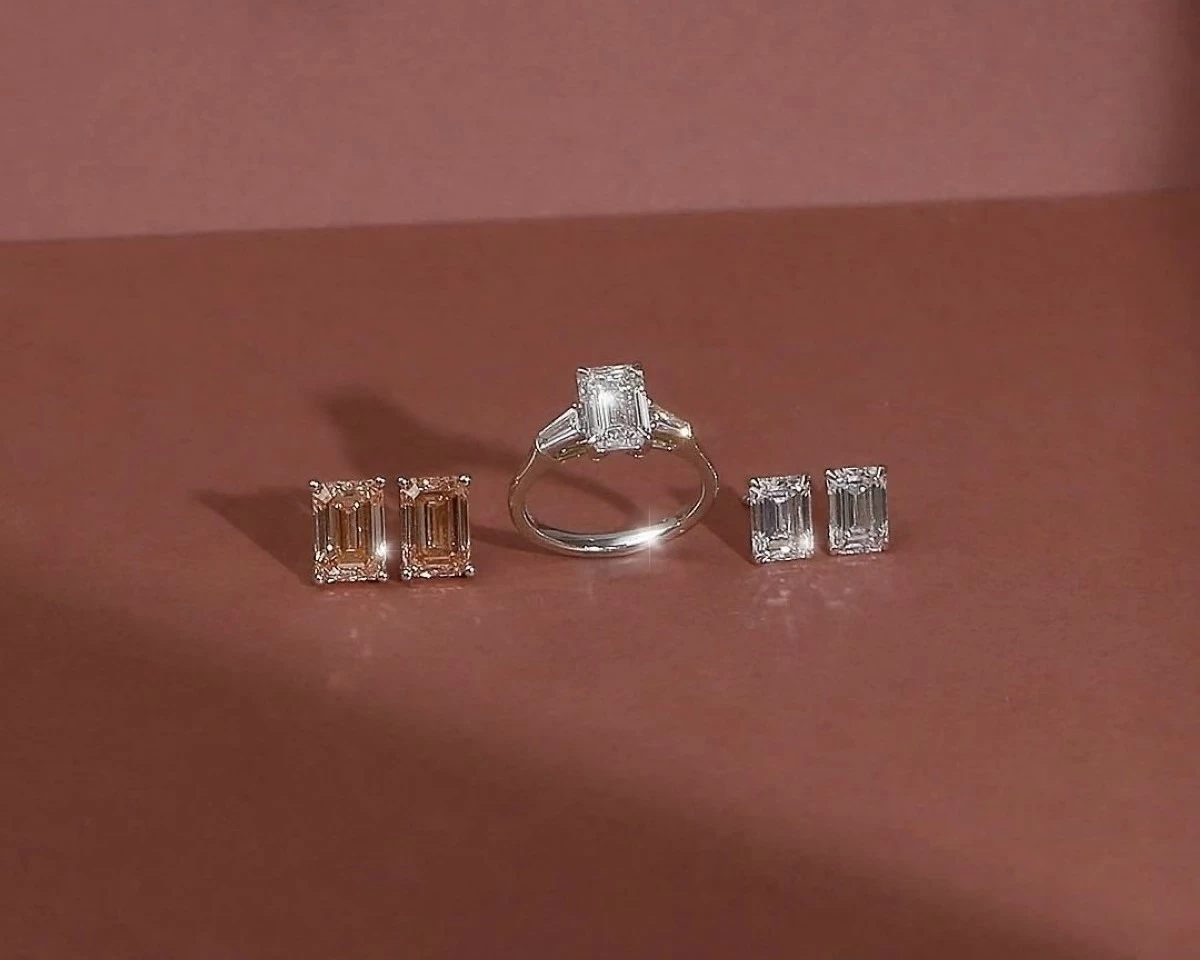
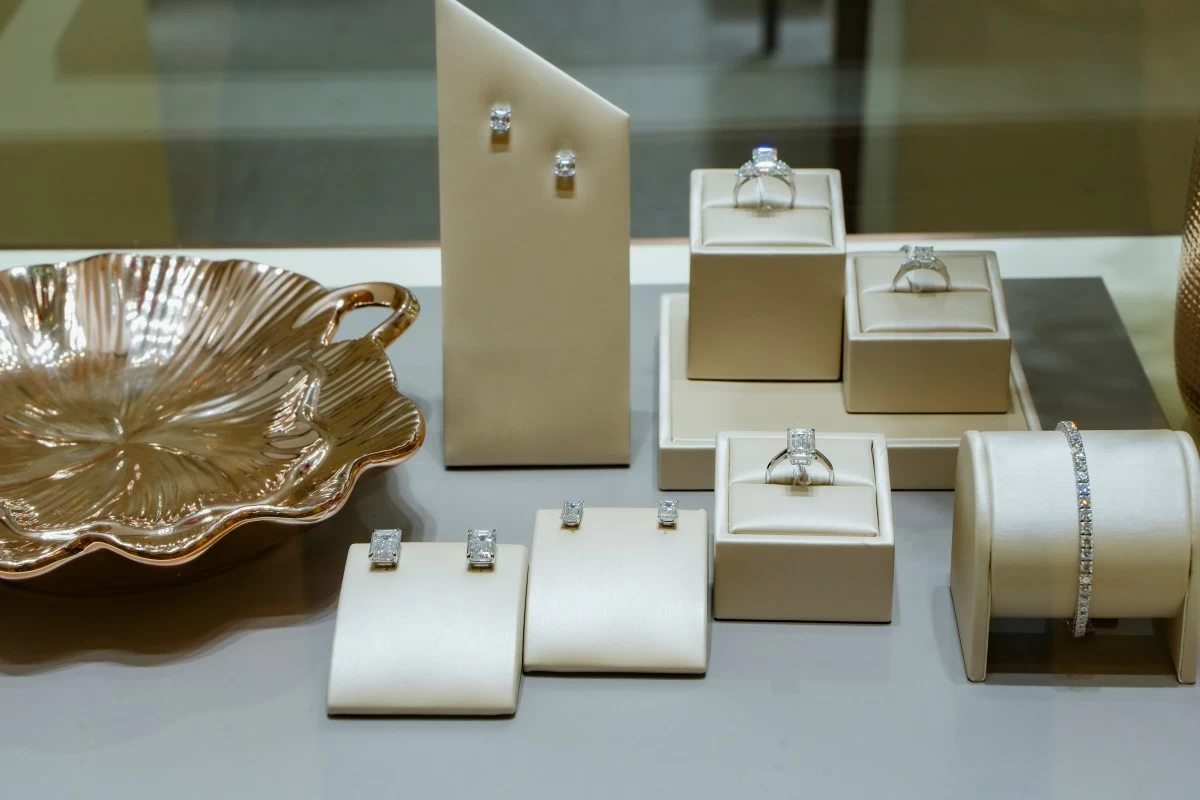
When My Diamond sent out invites for the launch of its latest collection, dubbed “White Halo,” the first thing that came to mind was a series of fine jewelry pieces showcasing the timeless charm of the halo design. It is a style that enhances a piece of jewelry’s overall look, with a central stone surrounded by smaller ones, making it appear larger and more brilliant. But in this case, no small stones were in sight—only diamonds of substantial carat weight, with exceptional clarity and fire, crafted using modern processes.
In recent years, lab-grown diamonds have been making their mark as designers and brands recognized their allure. Soon, major fashion houses and jewelers began producing designs that spotlight these lab-made stones. And as the definition of luxury continues to evolve, it seems that lab-grown diamonds are here to stay—a fact underscored by the introduction of the “White Halo” collection.
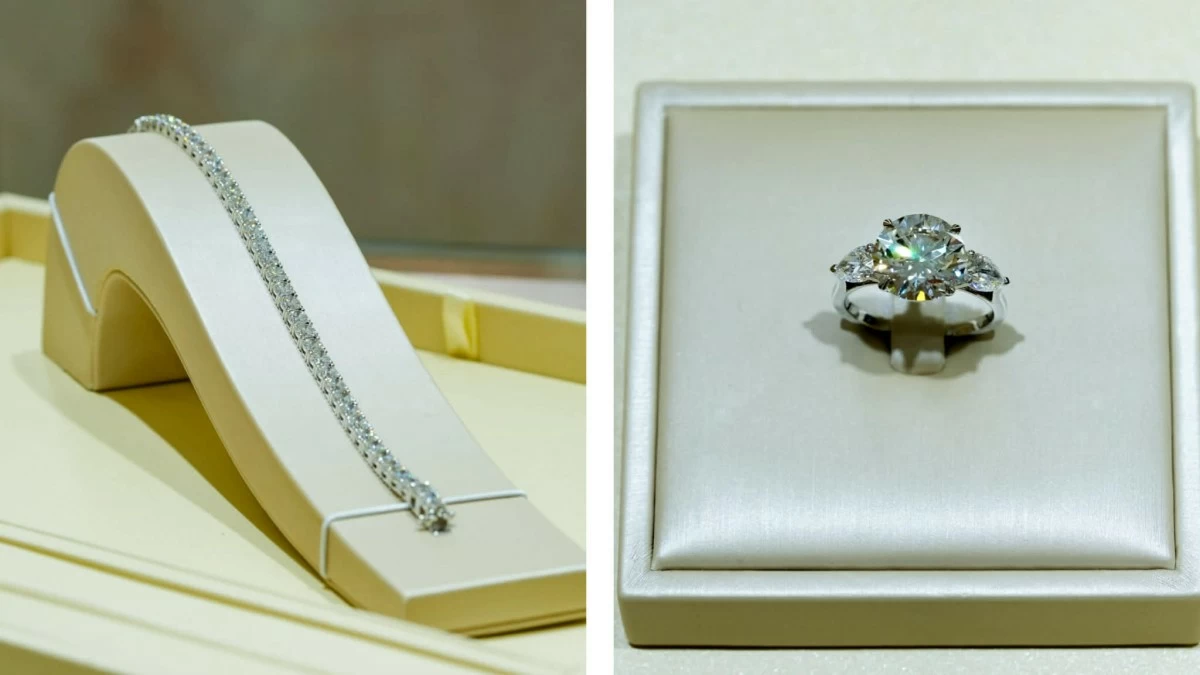
Since 1988, My Diamond has been one of the Philippines’ trusted sources of fine jewelry. For years, its shelves featured only mined gemstones, including natural diamonds. But with the “White Halo” collection, it now adds pieces that are thoughtfully created and represent conscious visions of elegance.
Beyond ethical sourcing and environmental considerations, lab-grown diamonds have become a top choice for younger consumers, a trend that influenced My Diamond’s decision to include them in its product line. According to Kat Florencio, director of Cullinan Group, jewelry adorned with lab-grown diamonds offers wearers both comfort and a worry-free experience.
“It is a growing market worldwide,” Kat told Manila Bulletin Lifestyle. “We were hesitant at first because of how the market would receive it, especially since we’ve been selling natural diamonds for a long time. That’s why we only sell certified ones.”

One advantage of working with lab-grown diamonds is the variety of carat sizes available. Finding a natural diamond with substantial carat weight and no inclusions can be challenging. Lab-grown diamonds allow designers to explore unique cuts and even unusual colors with freedom.
Affordability is another factor that draws many to lab-grown diamonds. Depending on carat and quality, lab-grown diamonds are more accessible than naturally mined ones. But affordability does not mean compromise—lab-grown diamonds are real diamonds. Created through advanced technology that replicates the natural diamond-growing process, each stone is authentic, matching mined diamonds in brilliance, durability, and chemical composition.
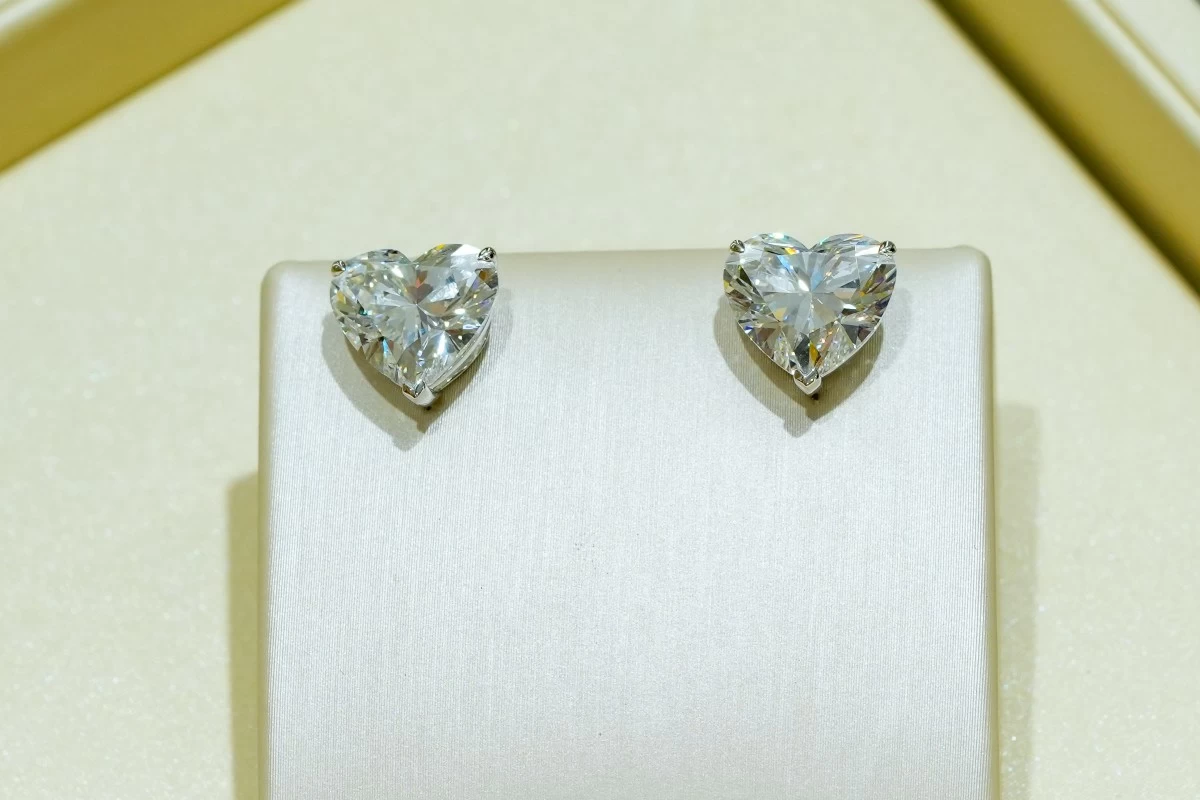
As diamond jewelry extends beyond engagements and anniversaries, pieces with lab-grown diamonds have become meaningful markers of personal achievement and modern celebration. From dainty earrings or pendants to promise rings and bracelets, many consumers choose lab-grown diamond jewelry to commemorate milestone birthdays, celebrate professional triumphs, or embrace self-love. In My Diamond’s case, it marks the opening of its new store in SM Aura, Taguig, further strengthening its mission to offer jewelry that is “measured not only in sparkle, but in purpose, meaning, and mindful choice.”
“They are not going anywhere. They are a good equalizer. There will come a time when anyone can own a diamond,” Kat said. “Lab-grown diamond jewelry is something you can buy for yourself, to reward yourself. In that sense, you carry the meaning of the piece.”

Related Tags

fashion and beauty Lab-grown diamonds My Diamond
ADVERTISEMENT
.most-popular .layout-ratio{ padding-bottom: 79.13%; } @media (min-width: 768px) and (max-width: 1024px) { .widget-title { font-size: 15px !important; } }

{{ articles_filter_1561_widget.title }}

.most-popular .layout-ratio{ padding-bottom: 79.13%; } @media (min-width: 768px) and (max-width: 1024px) { .widget-title { font-size: 15px !important; } }

{{ articles_filter_1562_widget.title }}

.most-popular .layout-ratio{ padding-bottom: 79.13%; } @media (min-width: 768px) and (max-width: 1024px) { .widget-title { font-size: 15px !important; } }

{{ articles_filter_1563_widget.title }}

{{ articles_filter_1564_widget.title }}

.mb-article-details { position: relative; } .mb-article-details .article-body-preview, .mb-article-details .article-body-summary{ font-size: 17px; line-height: 30px; font-family: "Libre Caslon Text", serif; color: #000; } .mb-article-details .article-body-preview iframe , .mb-article-details .article-body-summary iframe{ width: 100%; margin: auto; } .read-more-background { background: linear-gradient(180deg, color(display-p3 1.000 1.000 1.000 / 0) 13.75%, color(display-p3 1.000 1.000 1.000 / 0.8) 30.79%, color(display-p3 1.000 1.000 1.000) 72.5%); position: absolute; height: 200px; width: 100%; bottom: 0; display: flex; justify-content: center; align-items: center; padding: 0; } .read-more-background a{ color: #000; } .read-more-btn { padding: 17px 45px; font-family: Inter; font-weight: 700; font-size: 18px; line-height: 16px; text-align: center; vertical-align: middle; border: 1px solid black; background-color: white; } .hidden { display: none; }
function initializeAllSwipers() { // Get all hidden inputs with cms_article_id document.querySelectorAll('[id^="cms_article_id_"]').forEach(function (input) { const cmsArticleId = input.value; const articleSelector = '#article-' + cmsArticleId + ' .body_images'; const swiperElement = document.querySelector(articleSelector); if (swiperElement && !swiperElement.classList.contains('swiper-initialized')) { new Swiper(articleSelector, { loop: true, pagination: false, navigation: { nextEl: '#article-' + cmsArticleId + ' .swiper-button-next', prevEl: '#article-' + cmsArticleId + ' .swiper-button-prev', }, }); } }); } setTimeout(initializeAllSwipers, 3000); const intersectionObserver = new IntersectionObserver( (entries) => { entries.forEach((entry) => { if (entry.isIntersecting) { const newUrl = entry.target.getAttribute("data-url"); if (newUrl) { history.pushState(null, null, newUrl); let article = entry.target; // Extract metadata const author = article.querySelector('.author-section').textContent.replace('By', '').trim(); const section = article.querySelector('.section-info ').textContent.replace(' ', ' '); const title = article.querySelector('.article-title h1').textContent; // Parse URL for Chartbeat path format const parsedUrl = new URL(newUrl, window.location.origin); const cleanUrl = parsedUrl.host + parsedUrl.pathname; // Update Chartbeat configuration if (typeof window._sf_async_config !== 'undefined') { window._sf_async_config.path = cleanUrl; window._sf_async_config.sections = section; window._sf_async_config.authors = author; } // Track virtual page view with Chartbeat if (typeof pSUPERFLY !== 'undefined' && typeof pSUPERFLY.virtualPage === 'function') { try { pSUPERFLY.virtualPage({ path: cleanUrl, title: title, sections: section, authors: author }); } catch (error) { console.error('ping error', error); } } // Optional: Update document title if (title && title !== document.title) { document.title = title; } } } }); }, { threshold: 0.1 } ); function showArticleBody(button) { const article = button.closest("article"); const summary = article.querySelector(".article-body-summary"); const body = article.querySelector(".article-body-preview"); const readMoreSection = article.querySelector(".read-more-background"); // Hide summary and read-more section summary.style.display = "none"; readMoreSection.style.display = "none"; // Show the full article body body.classList.remove("hidden"); } document.addEventListener("DOMContentLoaded", () => { let loadCount = 0; // Track how many times articles are loaded const offset = [1, 2, 3, 4, 5, 6, 7, 8, 9, 10]; // Offset values const currentUrl = window.location.pathname.substring(1); let isLoading = false; // Prevent multiple calls if (!currentUrl) { console.log("Current URL is invalid."); return; } const sentinel = document.getElementById("load-more-sentinel"); if (!sentinel) { console.log("Sentinel element not found."); return; } function isSentinelVisible() { const rect = sentinel.getBoundingClientRect(); return ( rect.top < window.innerHeight && rect.bottom >= 0 ); } function onScroll() { if (isLoading) return; if (isSentinelVisible()) { if (loadCount >= offset.length) { console.log("Maximum load attempts reached."); window.removeEventListener("scroll", onScroll); return; } isLoading = true; const currentOffset = offset[loadCount]; window.loadMoreItems().then(() => { let article = document.querySelector('#widget_1690 > div:nth-last-of-type(2) article'); intersectionObserver.observe(article) loadCount++; }).catch(error => { console.error("Error loading more items:", error); }).finally(() => { isLoading = false; }); } } window.addEventListener("scroll", onScroll); });

Sign up by email to receive news.