






Manila Bulletin
 Technews
Google AI targets biodiversity crisis in the Philippines and Southeast Asia with advanced genomic tools
Technews
Google AI targets biodiversity crisis in the Philippines and Southeast Asia with advanced genomic tools
Technews
Google AI targets biodiversity crisis in the Philippines and Southeast Asia with advanced genomic tools
Google AI targets biodiversity crisis in the Philippines and Southeast Asia with advanced genomic tools
Published Feb 11, 2026 07:38 am
|
Updated Feb 11, 2026 04:10 pm


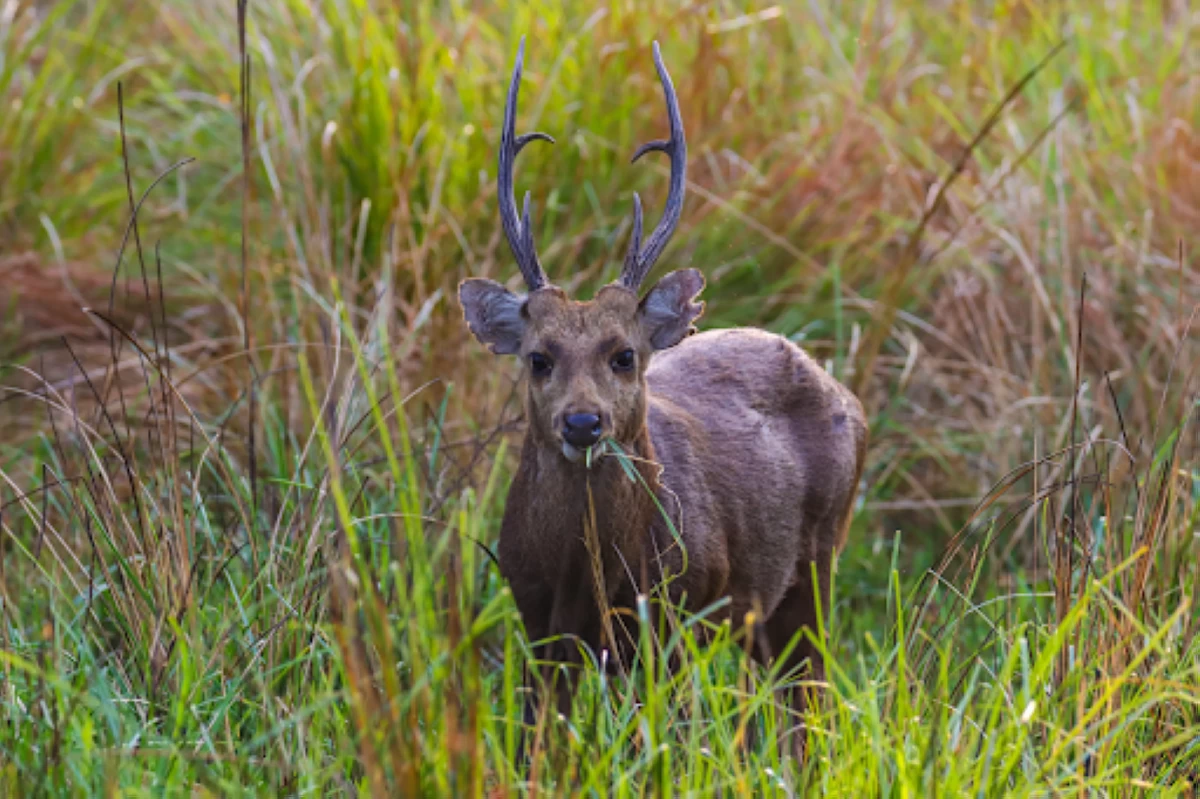
As the Philippines faces an accelerating biodiversity crisis, Google has announced a strategic expansion of its AI-driven conservation efforts. Partnering with the Vertebrate Genomes Project (VGP), Google is providing advanced AI tools and funding to sequence the genetic codes of threatened species, offering a high-tech "safety net" for the region's most vulnerable wildlife.
What is Genome Sequencing?
Genome sequencing is the process of reading an organism’s "biological instruction manual." Every living thing has a unique DNA code made of four chemical bases (A, C, G, and T). Sequencing determines the exact order of these billions of letters, creating a digital map of the animal’s entire genetic makeup.
Why It Matters for Conservation
While recent headlines have focused on using these "maps" for de-extinction—such as the recent re-creation of the Dire Wolf—the primary goal for Philippine conservationists is protecting the species we still have. High-quality genomic data serves four critical purposes:
Preventing Inbreeding: In small populations like the Hog Deer, sequencing helps scientists identify which individuals are most genetically diverse to ensure healthy breeding.
Disease Resistance: Researchers can identify "super-genes" that make certain animals immune to local viruses or pests.
Climate Adaptation: The genetic code reveals how a species might handle rising temperatures or habitat changes.
Precision Management: It allows for "DNA-driven" decisions, ensuring that conservation dollars are spent on the populations most likely to survive.
Decoding Survival: The AI Advantage
Google is deploying specialized AI technologies—DeepPolisher, DeepVariant, and DeepConsensus—to transform how we understand wildlife. These tools make genomic sequencing faster, more accurate, and more affordable than ever before.
Regional Impact: Saving Southeast Asia’s Icons
The project has already successfully mapped 13 species, many of which are native to Southeast Asia’s struggling ecosystems:
The Elongated Tortoise: A critically endangered reptile and a major focus for local reintroduction.
The Hog Deer: Once a common sight, this species is now battling a steep decline in genetic health across the region.
Eld’s Deer: An endangered regional native that requires precise breeding plans to survive.
"Understanding a species' genome could be the key to their conservation," wrote Lizzie Dorfman, group product Manager; and Andrew Carroll, product lead for genomics at Google. "By sequencing these animals’ genomes — their complete set of genetic instructions (DNA) — scientists are able to support efforts to preserve the genetic diversity of these animals and prevent further loss of their species.”
A Safety Net for Philippine Wildlife
Supported by the Google.org AI for Science fund, The Rockefeller University is expanding this work to 150 additional species. This open-access data is a game-changer for the Philippines, which is home to the unique but threatened Visayan Spotted Deer (Pilandok).
The endangered hog deer was once plentiful throughout South and in Southeast Asia, including India, Pakistan, Burma and Thailand. The species now faces serious decline and a loss in genetic diversity. By providing the tools to map these animals today, Google is ensuring their "biological recipe" is never lost to history.
Curious about the future of AI-driven conservation in Southeast Asia? Get the full story on Google’s latest initiatives at The Keyword.