






Manila Bulletin
 Lifestyle
Health and Wellness
This Cebu educator teaches Filipino kids that every feeling deserves its place at the table
Lifestyle
Health and Wellness
This Cebu educator teaches Filipino kids that every feeling deserves its place at the table
Lifestyle
Health and Wellness
This Cebu educator teaches Filipino kids that every feeling deserves its place at the table
This Cebu educator teaches Filipino kids that every feeling deserves its place at the table
Published Feb 10, 2026 03:03 pm


There’s a phrase I keep coming back to as a mother and a physician: Children do well when they can. Not when they want to. Not when we threaten or bribe them into compliance. When they actually have the skills to manage what’s happening inside their own bodies. And if they don’t have those skills yet? That’s not a character flaw. That’s a developmental reality.
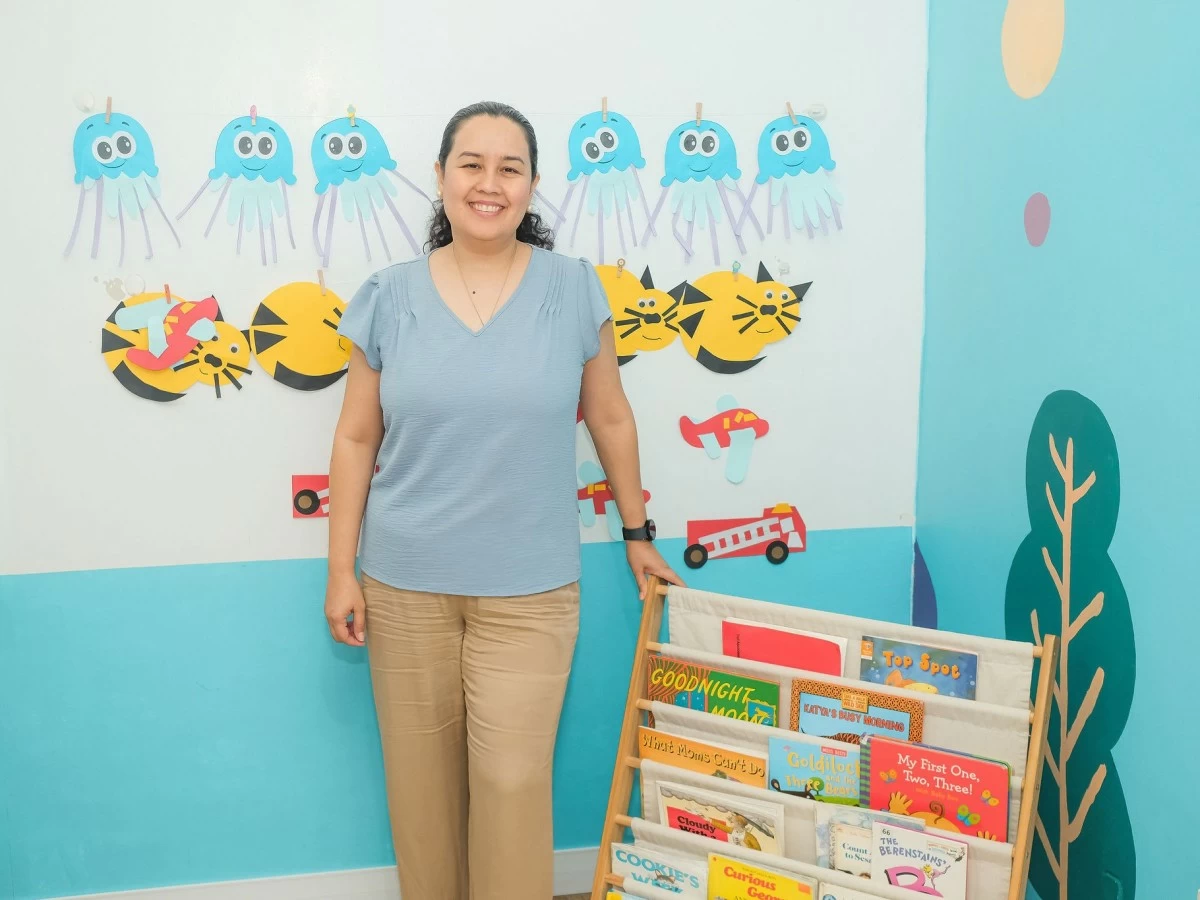
Ana Quijano
I first heard it put this way by teacher Ana Quijano, and it stopped me mid-thought. Because it reframes everything—every tantrum in the grocery store, every meltdown before bedtime, every classroom outburst that gets a child labeled as “difficult.” What if the child isn’t being difficult? What if the child is simply having a difficult time?
Ana is the kind of educator you wish existed in every Filipino child’s life. A licensed occupational therapist trained in the US, with a Master’s in Education and over 25 years of experience in school districts from Texas to California, she returned to the Philippines with a mission that went beyond textbooks. In 2015, she founded Compass Education in Cebu—a non-profit that started with summer STEAM programs and has since grown into a full learning center offering robotics, coding, and hands-on tinkering for children as young as three.
But it’s her signature program, Super Amazing Me (SAM) that I want every parent, teacher, and caregiver in this country to know about.
SAM is a brain-based, child-centered self-regulation program rooted in neuroscience and occupational therapy principles. Designed primarily for children ages five to eight—that critical window when emotional regulation foundations are built—its principles extend well beyond that age range. SAM teaches children to recognize their own body signals: the tight chest, the racing heartbeat, the overwhelming urge to scream or shut down. Then it gives them practical tools to move through those moments, not by suppressing what they feel, but by learning to ride the wave.
The program runs through eight to 12 sessions, each about 45 minutes, built around engaging activities. Breathing exercises disguised as games. Movement breaks woven into storytelling. Sensory play that doubles as emotional vocabulary building. Visual cues, affirmations, role-playing, and progress trackers—all designed so a child walks away not just calmer in the moment, but genuinely more capable the next time big feelings arrive.
What makes SAM different is the philosophy underneath it. Ana doesn’t teach children to stop feeling. She teaches them that every feeling is information—that anger, sadness, and fear are signals from the brain that something matters. The goal is never to shut those signals down. The goal is to move through them safely and wisely.
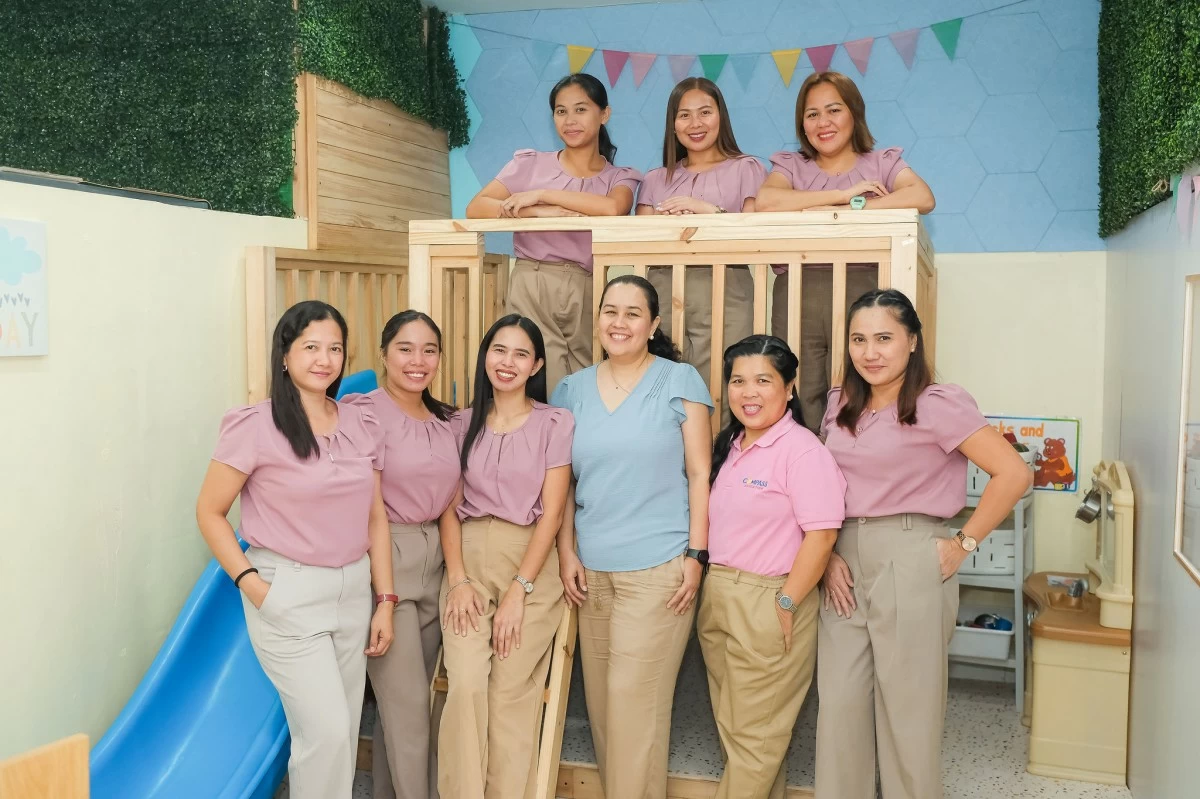
Ana Quijano and her team help Filipino children and their parents honor every feeling through the Super Amazing Me program.
She uses a framework called SUPER—a nervous-system-informed approach for both children and the adults around them. It begins with self-regulation: Calm yourself first, because children borrow calm from adults. Then uncover what the child is truly feeling beneath the surface behavior. Provide co-regulation through comfort and presence. Evaluate what worked. And finally, remediate: Teach the skill the child needs, but only when they’re calm enough to receive it. You don’t teach swimming in the middle of a storm.
Ana is also refreshingly honest about what most of us get wrong—not out of cruelty, but inherited habit. She names the patterns we grew up with: Suppression, where we push feelings down and pretend everything is fine, and repression, where emotions get buried so deep they resurface as anxiety or aggression. These aren’t strategies, she reminds us. They’re survival mechanisms. Unless we interrupt the cycle, we hand them to the next generation.
One detail I find particularly moving: She makes space for crying. A good cry, she teaches, releases tension and helps the body reset. It’s not weakness—it’s emotional release. In a culture that often tells children to toughen up, that permission feels quietly revolutionary.
Beyond SAM, Ana advocates fiercely for inclusive education. She delivers workshops across the Philippines on individualized education plans, classroom accommodations for neurodivergent learners, and practical support for children with ADHD, autism, and sensory sensitivities. She offers a coach certification training—a two-to-three-day intensive that equips educators to facilitate the program themselves.
As a physician in preventive and longevity medicine, I’ve long believed the most powerful health intervention isn’t a procedure or a prescription. It’s what we teach children about themselves when they’re young. Emotional regulation isn’t a soft skill. It’s the architecture of resilience—the thing that determines whether a person can navigate stress, relationships, and setbacks without falling apart.
Ana understands this in her bones. And through SAM, she’s giving Filipino children something many of us never received: The belief that all their feelings are valid, that regulation can be learned, and that they are—exactly as they are—super amazing.
If that’s not the foundation of a healthier Philippines, I don’t know what is.