







LEDAC approves 21 priority bills to restore public trust
Published Feb 10, 2026 03:57 pm


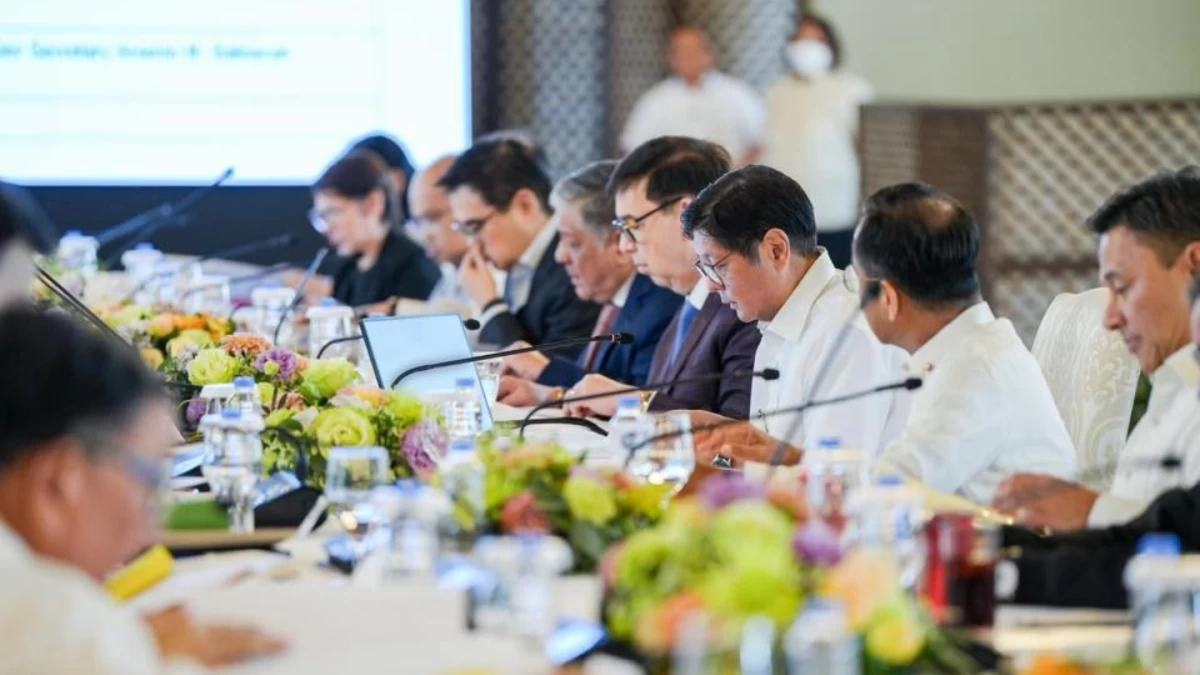
President Ferdinand R. Marcos Jr. leads the 3rd LEDAC Full Meeting of the 20th Congress on Tuesday, Feb. 10, where 21 priority measures were approved for passage by June 2026. The legislative agenda includes the abolition of travel tax, stricter child protection laws against online exploitation, and landmark reforms such as the Anti-Political Dynasty Act and the Anti-Fake News Act to strengthen government transparency and public trust.
The government has approved the prioritization of 21 key legislative measures targeted for passage by June 2026, as part of efforts to strengthen governance and restore public trust, the Department of Economy, Planning, and Development (DEPDev) said.
In a statement on Tuesday, Feb. 10, DEPDev said the Legislative-Executive Development Advisory Council (LEDAC) endorsed the priority bills during its third meeting for the 20th Congress held on the same day.
While 21 measures were prioritized, DEPDev noted that 31 other bills under the Common Legislative Agenda (CLA) remain pending. This includes the National Land Use Act, Excise Tax on Single-Use Plastics, and Blue Economy Act, among others.
Among the newly approved priorities are four additional bills addressing pressing national concerns. These include proposed amendments to the Anti-Online Sexual Abuse or Exploitation of Children (OSAEC) and the Anti-Child Sexual Abuse or Exploitation Materials (CSAEM) Act, aimed at strengthening law enforcement capabilities and addressing emerging digital technologies.
Also included is the proposed Anti-Fake News and Digital Disinformation Act, which seeks to penalize the malicious and deliberate spread of false information that threatens public order or national security.
LEDAC likewise approved the inclusion of the Travel Tax Abolition bill to lower travel costs and stimulate tourism, as well as a measure resetting the first regular elections in the Bangsamoro Autonomous Region in Muslim Mindanao (BARMM).
DEPDev said the Marcos administration remains committed to advancing reforms designed to enhance democratic accountability and public confidence. Measures such as the proposed Anti-Political Dynasty Act and reforms to the Party-list System aim to promote fairer and more inclusive political representation while preventing the abuse of public office.
Other priority bills include the proposed Independent People’s Commission Act and amendments to the Bank Deposits Secrecy Law, which seek to strengthen anti-corruption efforts by enabling independent investigations and reducing barriers to uncovering financial and government irregularities.
Transparency-focused measures, such as the CADENA Act and the Right to Information Act, were also prioritized to expand public access to government financial data and official information.
“By establishing stronger oversight mechanisms over infrastructure spending and advancing real-time transparency in the budget process, the administration continues to drive reforms to make sure every peso spent works for the benefit of the Filipino people,” DEPDev Secretary Arsenio M. Balisacan said.
“Looking ahead, we see 2026 as our rally point. To regain our stride, we must act decisively to restore public trust through better governance and stronger public service delivery—improvements that Filipinos can see and feel in their daily lives,” Balisacan added. (Ricardo M. Austria)