







Gov't plans higher tariffs on artificial sweeteners
Published Feb 10, 2026 07:55 pm


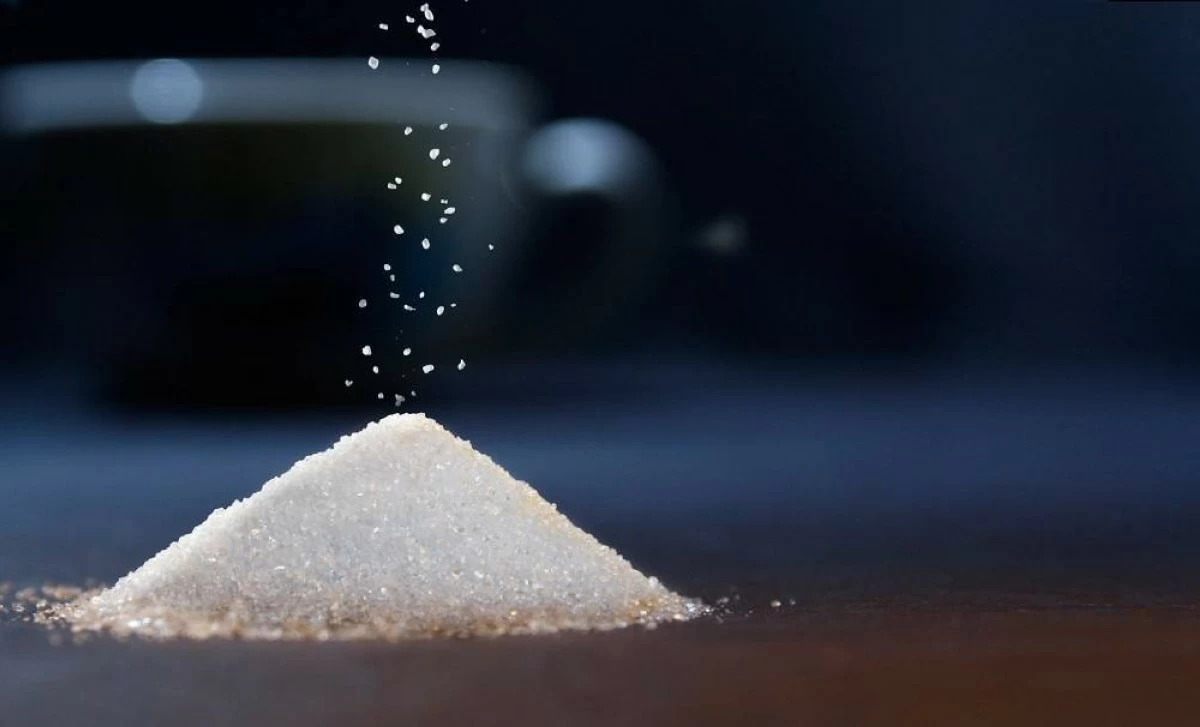
The government is evaluating the prospect of regulating the entry of artificial sweeteners in the country by imposing a higher tariff rate to curb the continued decline in farmgate prices.
Department of Agriculture (DA) Secretary Francisco Tiu Laurel said they are currently studying the prospect of raising the current five percent tariff imposed on imported sugar substitutes to protect farmers.
This comes after he received the go-ahead from Finance Secretary Frederick Go to adjust the tariff rate to a level that would boost demand for locally produced sugar.
“I discussed with him the plan of increasing tariffs on artificial sweeteners. He said that it looks okay to them. So, we're going to formulate and calculate how much tariff rate we can increase,” Tiu Laurel said in the sidelines of an Economic Journalists Association of the Philippines (EJAP) event.
He said the planned tariff hike “should not be too high” so as not to completely halt the importation of artificial sweeteners, but just enough to encourage traders to switch to local sugar.
The DA earlier attributed the surge in imports of artificial sweeteners and other sugar substitutes to the dilution of demand for locally produced sugar, leading to a sharp drop in farmgate prices.
Tiu Laurel said shipments of artificial sweeteners from abroad increased by 200,000 metric tons (MT), in raw sugar equivalent, last year.
To help ease the pressure on locally produced sugar, the DA earlier approved the exportation of 100,000 MT of raw sugar to the United States (US) to reduce domestic stocks and lift farmgate prices of the commodity.
The move is also in compliance with the US’ allocation of raw sugar exports under its tariff-rate quota (TRQ) system.
“We already issued the export order of 100,000 MT. And the prices of raw sugar from ₱2,075 pesos, now we have [between] ₱2,200 and ₱2,400,” said Tiu Laurel.
However, based on market monitoring as of Jan. 25, the average millsite prices is nearly 19 percent lower to ₱2,370 per 50-kilogram (LKg) bag from ₱2,476 per LKg in the previous year.
Meanwhile, Tiu Laurel said the DA is also planning to regulate the entry of molasses into the country, not through tariffs but via tighter auditing.
With the temporary ban on molasses importation set to be lifted next month, he said a more comprehensive audit would be conducted to prevent discrepancies in its usage, particularly in alcohol production.
The Sugar Regulatory Administration (SRA) earlier imposed a ban on molasses imports to prevent millsite prices from falling.
Latest price data show that prices have yet to recover, with the millsite price of domestic molasses down 37 percent to ₱8,788 per MT from ₱13,970 per MT.