






Manila Bulletin
 Philippines
National
Financial literacy key to pulling Pinoys out of 'utang' cycle, says Cong Zubiri
Philippines
National
Financial literacy key to pulling Pinoys out of 'utang' cycle, says Cong Zubiri
Philippines
National
Financial literacy key to pulling Pinoys out of 'utang' cycle, says Cong Zubiri
Financial literacy key to pulling Pinoys out of 'utang' cycle, says Cong Zubiri
Published Feb 10, 2026 10:52 am


At A Glance
- Bothered by some Filipinos' tendency to fall into debt, Bukidnon 3rd district Rep. Audrey Kay Zubiri has filed a bill that would institutionalize financial literacy as a core subject in both junior high school (JHS) and senior high school (SHS).
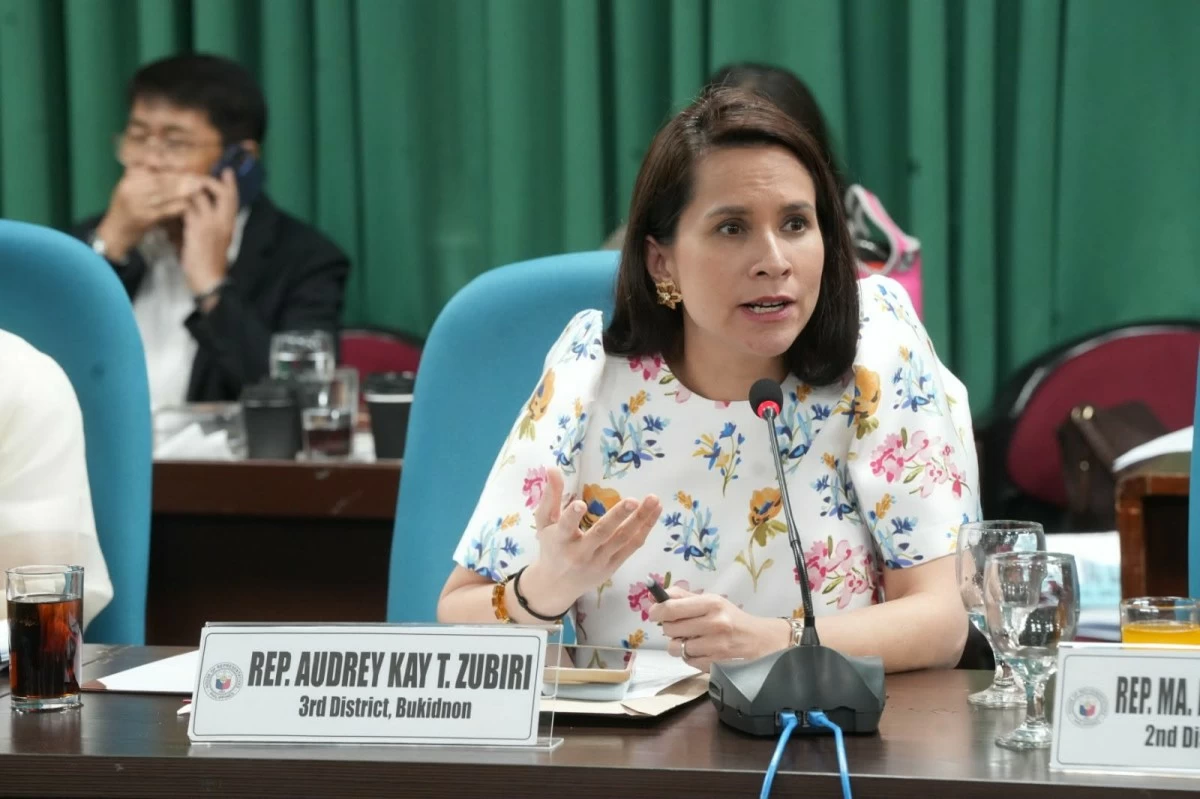
Bukidnon 3rd district Rep. Audrey Kay Zubiri (Rep. Zubiri's office)
Bothered by some Filipinos' tendency to fall into debt, Bukidnon 3rd district Rep. Audrey Kay Zubiri has filed a bill that would institutionalize financial literacy as a core subject in both junior high school (JHS) and senior high school (SHS).
Zubiri's proposal was laid out in House Bill (HB) No. 6091, also known as the Financial Education and Literacy Act.
The neophyte congresswoman says the measure directly responds to the persistent and growing problem of Filipinos falling into debt due to limited financial education, weak saving habits, and the increasing reliance on informal and often exploitative lending institutions.
“Many Filipinos are drowning in debt not because of a lack of hard work, but because of a lack of proper financial knowledge. If we fail to address this now, we are allowing the next generation to remain trapped in the same cycle of poverty and indebtedness,” Zubiri said.
According to World Bank (WB), roughly 47.1 percent of Filipino adults borrow money, with only 19 percent reporting no outstanding debt.
“These numbers should alarm us. They clearly show that many Filipino families are one emergency away from financial collapse. Education remains our strongest and most sustainable defense against this reality,” she said.
The lady solon also mentioned data indicating that younger adults aged 18 to 39 tend to score higher in financial literacy compared to middle-aged and older Filipinos. This reinforces the importance of early exposure to financial education, she noted.
“The problem is clear, and so is the solution: we are behind in financial literacy, so it’s time to empower our youth with the skills to manage money wisely from an early age,” underscored Zubiri.
The Mindanaoan further emphasized that investing in financial education was a proactive and cost-effective solution that can reduce future dependence on government assistance, strengthen household resilience, and foster a culture of financial responsibility among Filipinos.
HB No. 6091 aims to integrate relevant life competencies, align national financial education strategy with international standards, and advance the objectives of the National Strategy for Financial Inclusion.