






 Business
Trade & Industry
Data-driven: DA eyes province-specific rice importation for tighter oversight
Business
Trade & Industry
Data-driven: DA eyes province-specific rice importation for tighter oversight
Data-driven: DA eyes province-specific rice importation for tighter oversight


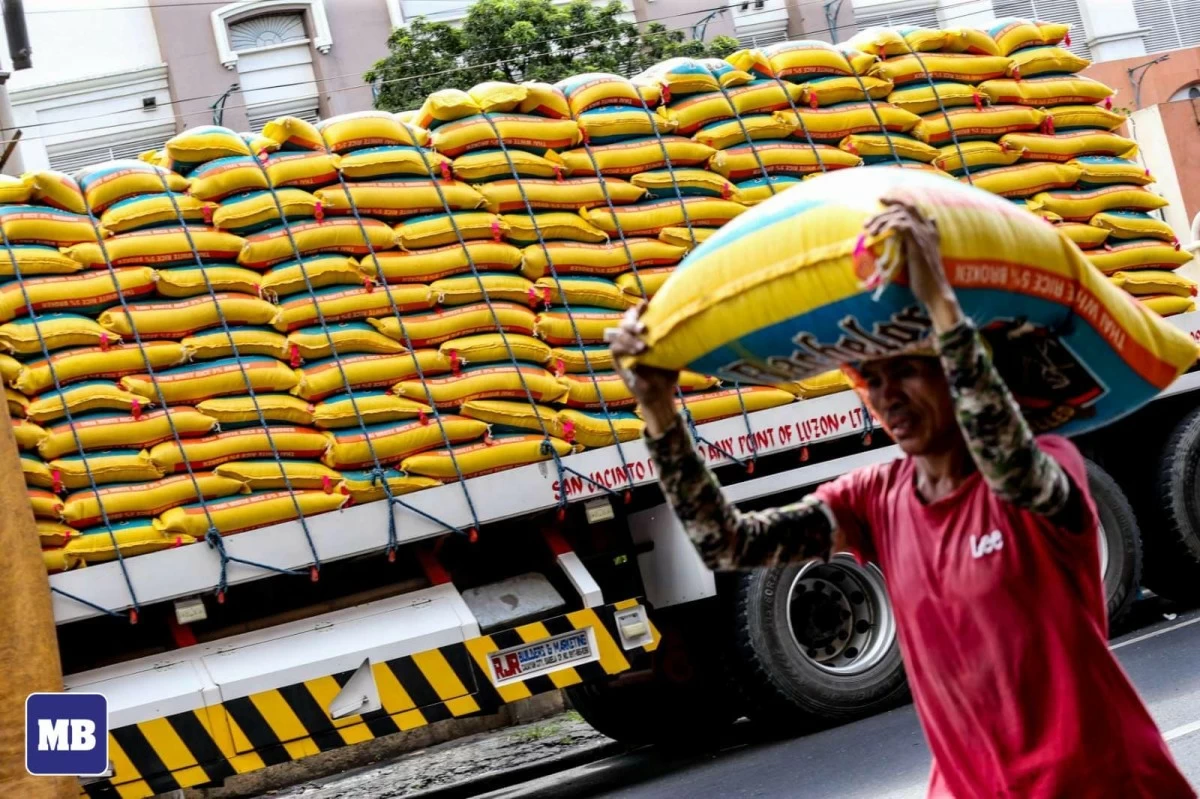
The Department of Agriculture (DA) has ordered the formation of a technical working group (TWG) to strengthen government oversight of rice importation through a data-driven approach, including the possible implementation of a province-specific import scheme.
In a statement, Agriculture Secretary Francisco Tiu Laurel said he directed the agency to immediately assemble a TWG to help guide the country’s import policy for the household staple.
Tiu Laurel said it is clear that foreign rice shipments should be strategically managed in line with domestic supply, retail prices, and farmer protection.
The TWG is envisioned to enhance oversight of the country’s rice imports through what the DA described as transparent and evidence-based decision-making.
The group aims to establish a predictable system in which approvals are based on measurable performance indicators and up-to-date supply data on regional deficits, buffers, and real-time stock levels.
“The immediate goal is ensuring enough imported rice enters the market to temper prices without overwhelming local harvests,” the DA said.
The TWG will be composed of representatives from the DA’s Office of the Undersecretary for Rice Industry Development, Food Terminal Inc. (FTI), Philippine Rice Industry Stakeholders Movement (PRISM), and Philippine Rice Importers Association (PRIA).
The group’s target is to establish a two-layer system that determines not only the quantity of rice to be imported but also when and where shipments should be delivered.
Under this setup, importers will no longer be allowed to bring in milled rice from abroad solely on the basis of sanitary and phytosanitary import clearances (SPSICs), as the intended delivery location will also be taken into account.
According to the DA, import volumes and the timing of rice shipments will initially be allocated across Luzon, Visayas, and Mindanao. Eventually, the system will be refined to the provincial level.
Tiu Laurel said the framework may also consider how much rice importers have purchased from local farmers in determining their participation in importation.
This mirrors a similar scheme in the sugar industry, which allows traders to import based on their participation in voluntary purchases of locally produced raw sugar.
The DA is also looking to include mandatory rice stock reporting as another condition for import participation.
These policies are expected to take effect in the second half of the year, potentially after the wet harvest season, to protect farmers.
The government is bent on gaining tighter control over rice importation to prevent palay (unmilled rice) prices from falling due to an influx of cheaper imported rice.
Last year, rice importation was suspended for four months to keep palay prices stable, with the country only returning to the foreign rice market on Jan. 1.
While more complex policies remain in the pipeline, Tiu Laurel said the country’s rice import policy will remain “simple,” indicating that the current system will still be retained.
Recently, Tiu Laurel said during a meeting with industry stakeholders that the government is considering allowing only 300,000 metric tons (MT) of rice as the maximum import volume by the end of the month.
Based on data from the Bureau of Plant Industry (BPI), 247,272 MT of rice had arrived in the Philippines as of Jan. 22.