







Beyond the gateway: Discovering Kalibo through USWAG's community of change
Published Feb 9, 2026 12:05 am
|
Updated Feb 8, 2026 04:27 pm


FROM THE MARGINS
Most tourists bound for Boracay pass through Caticlan. Few choose to fly via Kalibo Airport, and I can hardly blame them; Caticlan offers the shortest and most convenient route to the island. Yet by bypassing Kalibo, many travelers miss a place rich in culture, community life, and inspiring development stories waiting to be discovered.
I realized this only recently, when I joined a group of microfinance clients and partners from San Pablo City who decided to spend one night in Kalibo before heading to Boracay. During this brief but meaningful stay, we were hosted by the USWAG Development Foundation — an organization whose work seamlessly integrates poverty alleviation, environmental stewardship, and cultural preservation.
We arrived around 8:00 p.m. and were warmly welcomed at La Esperanza Hotel, where dinner awaited us. Early the next morning, we proceeded to the USWAG Training Center for a hearty breakfast. What immediately caught my attention were the displays of handmade handicrafts created by USWAG’s clients. Those beautifully crafted handbags and other items were not ordinary souvenirs; they were expressions of skill, patience, and dignity — each piece telling a story of livelihood earned and pride restored.
After breakfast, we watched a video presentation by Ms. Didi Quimpo, the founder of USWAG Development Foundation. Her story — and that of USWAG -- was deeply inspiring. She shared how they pioneered mangrove planting along a 50-hectare shoreline in Kalibo, later expanding it to 100 hectares. What began as an environmental initiative evolved into a thriving Mangrove Eco-Tourism Park, eventually turned over to and managed by the city government.
Four species of mangroves now flourish in the area. As we walked along bamboo pathways winding through the forest, we encountered fisherfolk carrying freshly caught crabs. We learned that local residents are allowed to freely gather crabs and shells from the mangroves. This is conservation with a human face: protecting nature while sustaining livelihoods.
An unexpected highlight was the chance to taste tamilok — woodworms found in decaying mangrove trunks. Some colleagues bravely tried them, dipped in vinegar. With a taste resembling shellfish, this rare local delicacy was a small but unforgettable reminder of how deeply communities are connected to their environment.
From the mangroves, we visited HAMPCO Cooperative, organized by USWAG in 1989 to provide sustainable livelihoods while preserving Aklan’s centuries-old hand-loom weaving tradition. Piña weaving, especially, is a hallmark of Aklanon culture. Watching piña fibers transformed into barong, handmade bags and other finely woven products felt like stepping back in time. Today, HAMPCO also produces abaca cloth, proving that tradition and innovation can coexist.
Our next stop was the Cathedral-Parish of Saint John the Baptist, at the heart of Kalibo. Established as a mission in 1581 and rebuilt several times due to fire, war, and earthquakes, the cathedral stands as a testament to faith and resilience. While St. John the Baptist is its official patron, the church is most renowned for its devotion to the Santo Niño, to whom many devotees attribute miracles — especially couples praying for children.
This devotion reaches its peak during the Ati-Atihan Festival, celebrated every third Sunday of January. With a history spanning more than 800 years, it is among the oldest festivals in the Philippines. Devotees chant “Viva kay Señor Santo Niño!” as they join the sadsad, a rhythmic street dance honoring both faith and the indigenous Ati people — a powerful fusion of spirituality, culture, and communal identity.
After the cathedral visit, we headed to USWAG Sands and Villa Resort for lunch. Beyond the generous spread of seafood, vegetables, and halo-halo, the resort itself impressed us. Designed for trainings, retreats, and sports activities, it offers a peaceful space for reflection — especially fitting for organizations grounded in community work.
What left the strongest impression, however, was Ms. Didi Quimpo herself. Beyond environmental and cultural initiatives, she has built a robust microfinance program serving poor communities. She established the USWAG Mutual Benefit Association, providing life insurance and social protection to members and their families. This holistic approach — linking livelihood, finance, insurance, environment, and culture — captures the essence of inclusive development.
From Kalibo, we proceeded to Boracay to continue a three-day learning tour organized by CARD Hijos Tours, which included visits to microfinance center meetings and livelihood projects. Many of the services we used — from restaurants to e-trikes — were microfinance-supported enterprises, showing how tourism can quietly sustain local livelihoods. We also visited an Ati Tribe village, where the original inhabitants of Boracay Island reclaimed their heritage and ancestral land.
Our journey through Kalibo and Boracay revealed communities patiently shaping their own paths — guarding culture, healing the land, and building livelihoods with dignity. And sometimes, by taking the longer route, we glimpse the truest meaning of development.
* * *
“The real voyage of discovery consists not in seeking new landscapes, but in having new eyes.” — Marcel Proust
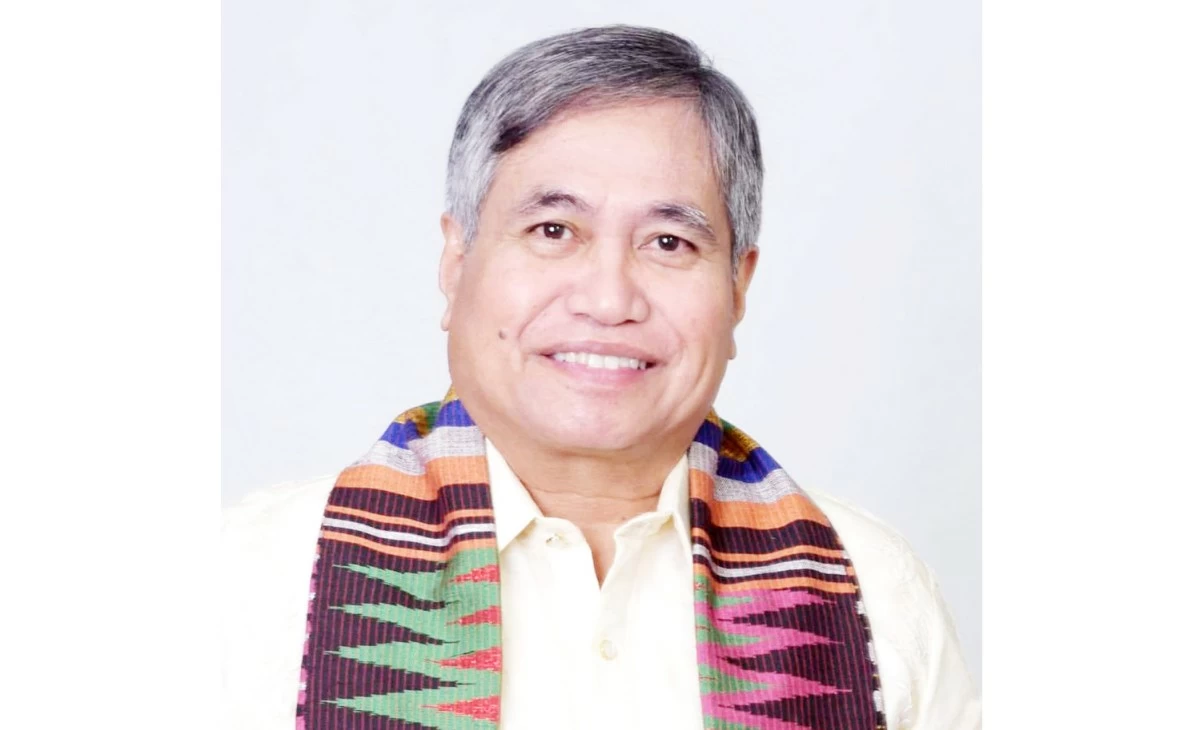
(Dr. Jaime Aristotle B. Alip is a poverty eradication advocate. He is the founder of the Center for Agriculture and Rural Development Mutually-Reinforcing Institutions (CARD MRI), a group of 23 organizations that provide social development services to 8 million economically-disadvantaged Filipinos and insure more than 27 million nationwide.)